
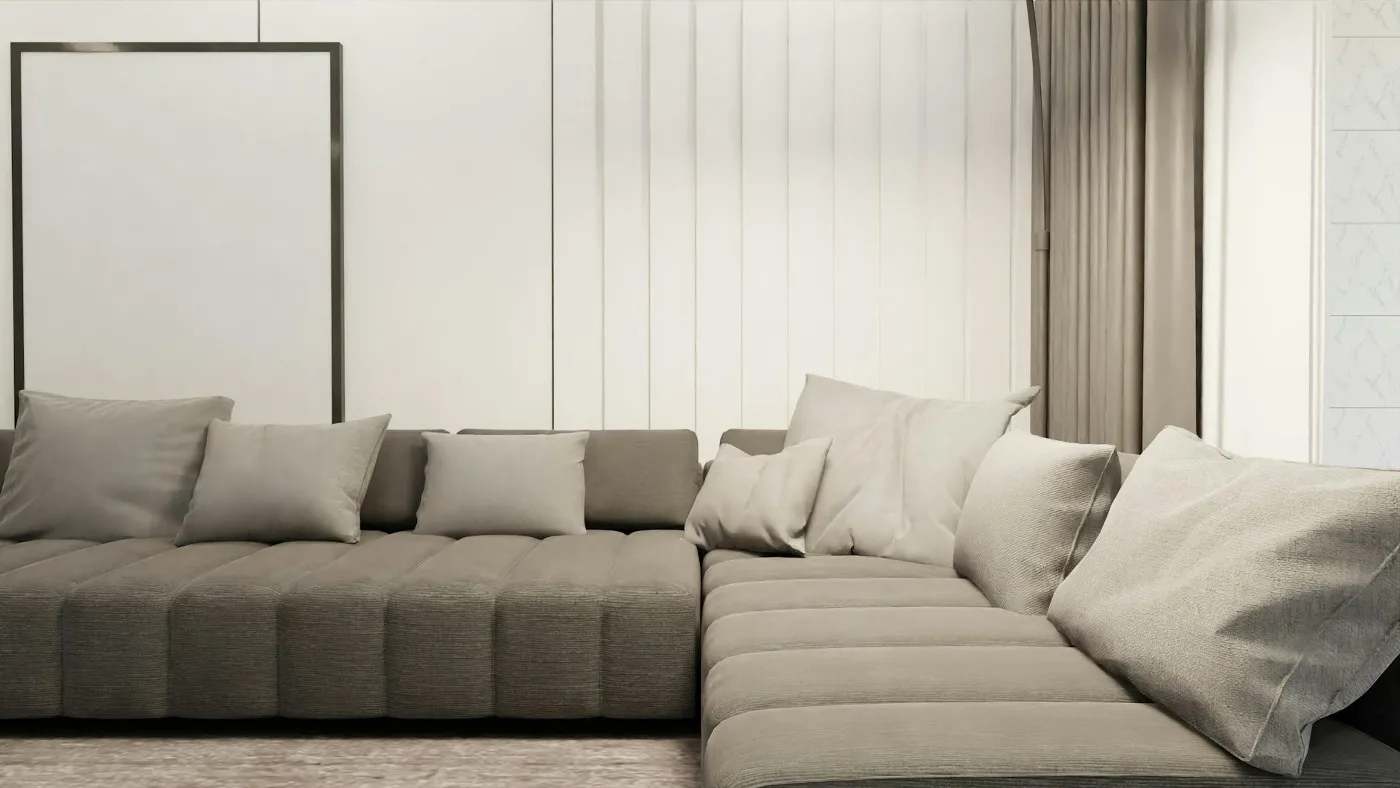
A pit sectional sofa is best understood as a deep, connected seating arrangement designed to feel more like a lounge zone than a standard sofa setup. It usually features low, generous seating and multiple pieces arranged so people can sit, stretch out, or face each other comfortably. For buyers, the appeal is simple: it creates an intentionally relaxed space for family rooms, media rooms, and open-plan living areas. sectional sofas under $1000 offers more detail on this point.
If you are considering one, the real question is not just whether you like the look. It is whether the layout, scale, fabric, and maintenance demands fit your room and your daily routine. A pit sectional can be extremely practical in the right home, but it can also overwhelm a space if you do not plan around circulation, access, and cleaning.
Who a pit sectional sofa works best for
A pit sectional is a strong choice for households that use the living room as a shared hangout space. It suits people who want a relaxed, social seating arrangement rather than a formal sofa-and-chair combination. The configuration works especially well for movie nights, game nights, casual entertaining, and everyday family use.
This type of sectional is usually a better fit if you have:
- A large living room or an open floor plan
- Multiple people using the seating at once
- A preference for lounging over upright sitting
- A room that can support a substantial visual anchor
- Interest in modular furniture that can be rearranged or expanded
It is less suitable if your room is narrow, heavily trafficked, or needs flexible circulation. In smaller homes, the same comfort can sometimes be achieved with a deep sectional or a modular sofa that does not fully enclose a central seating zone.
Why buyers choose pit sectionals
The biggest advantage is the social layout. A pit sectional naturally creates a conversational zone because seating wraps around the space rather than lining one wall. That can make a room feel more inviting and less fragmented. It also tends to offer more usable lounging surface than a standard sofa of similar footprint.
Another advantage is comfort. The deep seats and low-slung profile are appealing if you like to curl up, recline, or sit with your legs tucked in. Many shoppers are drawn to the casual, sink-in feel because it makes the room feel relaxed without requiring extra chairs or ottomans.
For households that prefer a modular approach, pit sectionals can be especially useful. Many are built from individual pieces that can be configured into a square, U-shape, or partial enclosure. That flexibility can be valuable if you expect to move, reconfigure the room, or replace individual components later.
The trade-offs to think through first
The same features that make a pit sectional appealing can also create limitations. The most common trade-off is space consumption. A pit sectional can dominate a room visually and physically, especially if the surrounding space does not have enough clearance for walkways, side tables, or other furniture.
There is also a comfort trade-off. Deep seating is excellent for lounging, but not everyone finds it comfortable for long periods of upright sitting. Older adults, shorter users, or anyone who prefers higher seat support may find that the seat depth feels too relaxed. If the sofa lacks firm cushions or supportive back pillows, getting in and out can also be less convenient.
Cleaning and upkeep deserve attention too. A large connected sectional means more upholstery surface area, more seams, and more places for crumbs, pet hair, and dust to collect. If the design has low legs or sits close to the floor, vacuuming underneath may be harder.
A common misconception is that a pit sectional automatically makes a room feel luxurious. In reality, the room only feels polished if the scale, proportions, and fabric choice are right. Without that balance, a pit sectional can read as bulky rather than intentional.
Material and construction factors that matter
For a furniture piece this large, materials and construction affect daily satisfaction more than decorative details. Focus on the parts that influence durability, comfort, and care.
Upholstery fabric
Fabric choice should be guided by how the sofa will actually be used. For high-traffic family spaces, performance fabrics are often worth considering because they are typically chosen for easier cleanup and better resistance to everyday wear. That does not make them stain-proof, but it can make maintenance less stressful. complete guide to fezibo standing desk offers more detail on this point. standing desk stool offers more detail on this point.
Soft woven fabrics can feel inviting, though they may show wear more quickly depending on the weave and household use. Velvet, boucle, and similar textures offer strong visual appeal, but they may require more careful upkeep and can show marks or texture changes more readily. Leather and leather-look materials have different strengths and limitations, including surface feel, temperature sensitivity, and care preferences.
If you have pets or children, think beyond color. Consider snag resistance, pilling tendency, and how visible lint or hair will be on the surface.
Frame and support
The frame and internal support system determine whether the sofa stays comfortable over time. A pit sectional is used heavily and often by multiple people at once, so structure matters. Look for details from the manufacturer about frame materials, cushion support, and suspension method when available. If those details are vague, treat that as a sign to ask more questions before buying.
Cushion density also changes the experience. Softer cushions may feel plush at first but can lose shape sooner if the support system is weak. Firmer cushions usually provide better structure for sitting and standing, though they may feel less immediately cozy. The best choice depends on whether your priority is lounging softness or all-day support.
Modularity and configuration
Many pit sectionals are modular, and that matters because it affects flexibility, transport, and future use. Modular pieces can be easier to move through doors and hallways than one oversized fixed sofa. They may also allow you to swap an ottoman, armless chair, corner piece, or chaise-style section to better fit your room.
That said, not every modular system is equally flexible. Some are designed for only a few configurations, while others allow more open-ended layouts. Before buying, check whether the modules lock together securely, stay aligned during use, and can be expanded later if you need more seating.
Room fit: the step most buyers underestimate
The overlooked consideration with a pit sectional is not just overall room size. It is traffic flow. A sofa can technically fit in a room and still make the space awkward if it blocks walking paths, windows, vents, or access to storage and outlets.
Measure the area carefully and think in zones. Leave room for:
- Main walkways through the space
- Distance from coffee tables and ottomans
- Openings to doorways and adjacent rooms
- Space behind or beside the sectional, if needed
- Room for recliners, accent chairs, or media furniture
It also helps to map the room with painter’s tape or paper templates before purchasing. This is especially useful in open-plan homes where the sectional needs to define a seating zone without making the room feel blocked off.
Another practical nuance: many pit sectionals look smaller in showroom settings than they do in real homes. Showrooms often have tall ceilings and wide sightlines, which can make oversized seating feel more compact than it will in a typical U.S. living room.
Choosing the right size and layout
There is no single “best” pit sectional size. The right one depends on how many people will use it, what else must fit in the room, and how you want the area to function.
If your goal is everyday family seating, prioritize enough depth and width for the actual users, not just visual symmetry. If the room is used for entertaining, a more enclosed shape may encourage conversation. If it doubles as a media room, make sure the layout still allows a clear view of the screen from the primary seats.
Before buying, consider these questions:
- Will the sofa face a television, fireplace, or open room?
- Do you want a fully enclosed pit shape or a softer U-shaped arrangement?
- Will the room need side tables, floor lamps, or storage nearby?
- Do you prefer one large focal point or a setup that can be broken into pieces?
A pit sectional is often best when the room can support a single dominant seating group. If the room needs multiple functional zones, a less immersive sectional may provide more balance.
How to compare options without getting distracted by style alone
It is easy to shop by look first, but the better method is to compare by use case. A beautiful sectional that is difficult to clean or too deep for your household is not a good buy, no matter how polished it appears in photos.
Use this simple comparison framework:
| Factor | What to look for | Why it matters |
|---|---|---|
| Seat depth | Comfort for lounging versus upright sitting | Determines how relaxed or supportive the sofa feels |
| Fabric | Wear resistance, texture, and cleanability | Affects upkeep in family or pet-friendly homes |
| Configuration | Fixed or modular layout | Impacts flexibility, moving, and room planning |
| Frame support | Construction details and cushion support | Influences long-term comfort and structure |
| Scale | Overall footprint in the room | Prevents overcrowding and blocked walkways |
This kind of comparison usually reveals whether a pit sectional is the right fit or whether a simpler sectional would serve the room better.
Common mistakes to avoid
One of the most common mistakes is buying too much seating for the room. Oversizing the sectional can make the rest of the space unusable, especially if you still need room for tables, lighting, and movement.
Another mistake is choosing a fabric for appearance only. Textures that look rich and inviting can be less forgiving in a busy home. The same goes for very light colors in households with pets or frequent use. A color may look ideal online but prove impractical in daily life.
Buyers also sometimes overlook the logistics of delivery and assembly. A pit sectional can arrive in multiple large boxes or oversized pieces, and that affects stair access, door clearance, and setup time. Confirm those details before ordering so you are not surprised later.
Finally, do not assume every modular piece will feel identical. Seat firmness, back support, and alignment can vary between modules or layouts. If possible, review product details carefully and compare how each configuration is intended to function.
Alternatives worth considering
A pit sectional is not the only way to create a relaxed, communal seating area. Depending on the room, one of these alternatives may be more practical:
- Deep sectional sofa: Similar lounging comfort with a less enclosed layout
- Modular sofa with ottoman: Flexible seating that can adapt over time
- U-shaped sectional: Good for conversation without the full pit-style feel
- Large sofa plus lounge chairs: More adaptable for mixed-use rooms
- Chaise sectional: Better for smaller spaces that still want a relaxed profile
If you like the social feel of a pit sectional but worry about space or upkeep, a modular deep sectional is often the most practical compromise.
Next steps before you buy
Before purchasing, compare the sofa against your room plan, lifestyle, and maintenance comfort level. A pit sectional is a strong investment when the space is large enough, the fabric suits the household, and the layout supports how you actually live.
Use this checklist:
- Measure the room and mark walkway space.
- Decide whether you want a fixed or modular design.
- Choose upholstery based on cleaning needs and household traffic.
- Confirm how the sofa will be delivered and assembled.
- Think through whether the seat depth works for everyone who will use it.
If those pieces line up, a pit sectional sofa can become the center of a comfortable, highly usable living space. If they do not, a different sectional style may deliver nearly the same comfort with fewer compromises.
Frequently asked questions
What is a pit sectional sofa?
A pit sectional sofa is a deep, often modular sectional arranged to create a lounge-like seating area. It is designed for casual relaxation and group seating rather than formal upright sitting.
Is a pit sectional good for small living rooms?
Usually not. A pit sectional tends to work best in larger rooms because it needs enough space for walking paths and surrounding furniture. In smaller rooms, a deep sectional or smaller modular sofa is often easier to live with.
What fabric is best for a pit sectional?
The best fabric depends on household use. Performance fabrics are often a practical choice for busy homes, while plush fabrics may be better if visual texture matters more than easy cleanup.
Are pit sectionals comfortable for everyday use?
They can be very comfortable for lounging, but some people may find them too deep for upright sitting. Comfort depends on seat depth, cushion support, and how the sofa is used day to day.
Should I choose modular or fixed pieces?
Modular pieces are usually better if you want flexibility, easier moving, or future rearrangement. Fixed pieces can work well if you already know the layout will stay the same and you want a more unified build.