
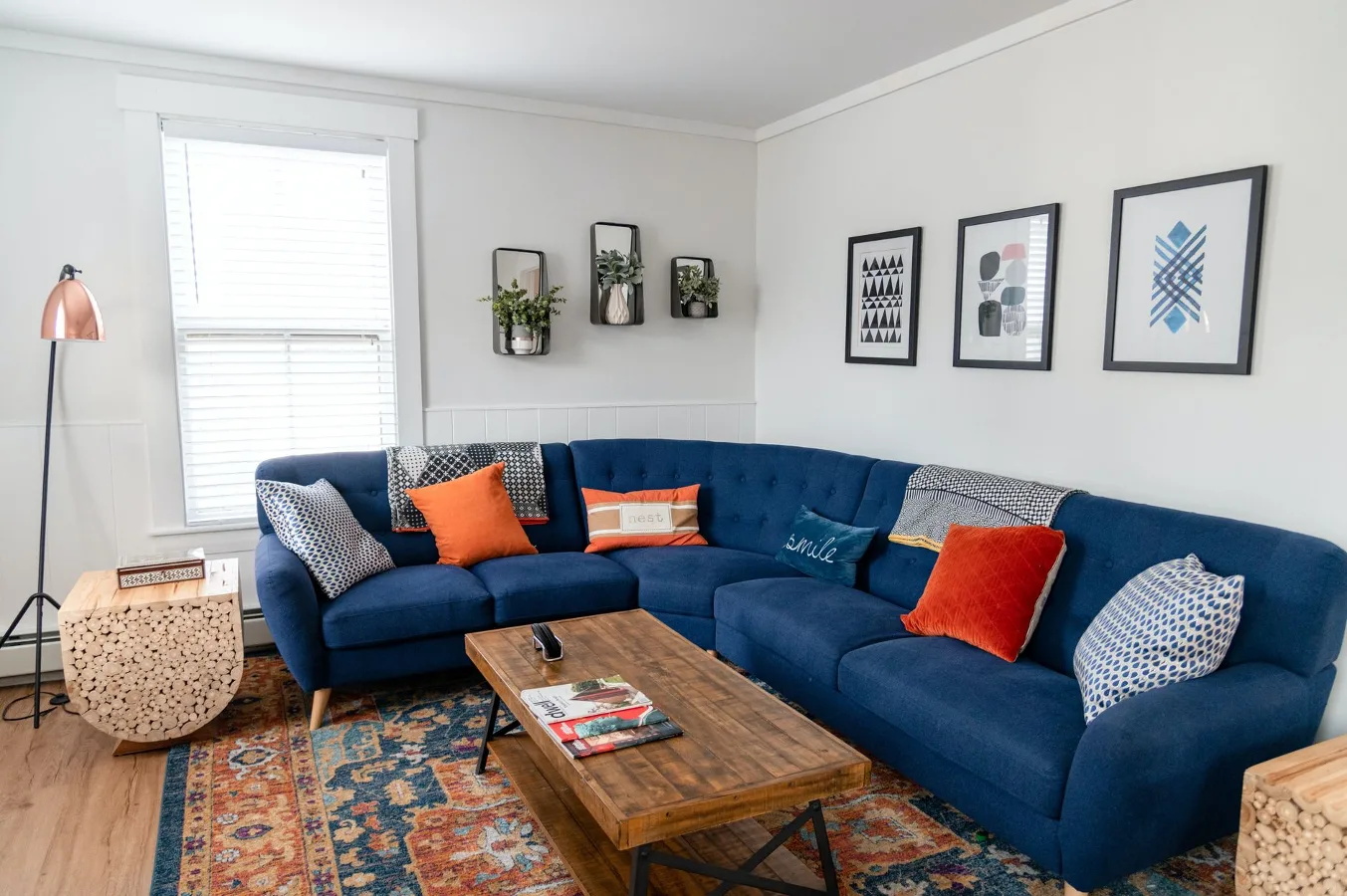
Quick answer: what a chenille sectional sofa is best for
A chenille sectional sofa is a good choice if you want upholstered seating that feels soft, looks inviting, and adds visible texture to a room. Chenille has a plush, tactile surface that reads as cozy and slightly elevated, which makes it especially appealing for living rooms, family rooms, and lounging spaces where comfort matters as much as style. sectional sofa size guide offers more detail on this point. Sofa Sectional With Ottoman: Buyer Guide offers more detail on this point.
The best chenille sectional for your home is the one that fits your room layout, holds up to your day-to-day use, and works with the way you live. If you need a sofa for heavy traffic, kids, pets, or frequent snacking, the construction and care requirements matter just as much as the fabric itself.
For many shoppers, the real appeal is balance: chenille can soften a large sectional visually while still giving the room enough presence to anchor the space. That said, the same softness that makes it attractive can also make it less forgiving than some tighter-weave fabrics when it comes to stains, snagging, and routine upkeep.
Why chenille sectional sofas stand out
Chenille is valued for its distinctive hand feel. The yarn construction creates a soft surface with a slightly raised, velvety texture that catches light in a subtle way. On a sectional, that texture can make a substantial piece of furniture feel warmer and more approachable.
There is also a design advantage. Sectionals are already visually dominant, and chenille helps reduce the hard, boxy look that oversized seating can sometimes create. In neutral shades, it can blend quietly into a calm interior. In richer colors, it can become a focal point without relying on bold patterns.
Another reason people look at chenille sectionals is comfort. The fabric tends to feel inviting against bare arms and legs, which makes it well suited to relaxed lounging. For homes where the sofa serves as a gathering place, that softness can be a genuine quality-of-life feature.
How chenille compares with other common sectional fabrics
If you are deciding between chenille and another upholstery fabric, the right choice usually comes down to the trade-offs you are willing to make. Chenille sits in a middle ground between casual comfort and decorative appeal.
| Fabric type | What it tends to offer | Where chenille differs |
|---|---|---|
| Chenille | Soft texture, cozy feel, visual warmth | Can be more texture-sensitive and may require more careful maintenance |
| Tight-weave polyester or microfiber | Easy everyday cleaning, practical for busy households | Usually less tactile and less visually plush |
| Velvet | Rich look, smooth hand feel, strong decorative presence | Chenille often feels more casual and less formal |
| Linen blend | Airy appearance, relaxed style, lighter visual weight | Chenille generally feels warmer and more cushioned |
| Leather | Wipes clean easily, durable surface, structured look | Chenille is softer and cozier, but typically not as spill-friendly |
That comparison matters because many shoppers focus on appearance first and practicality second. A chenille sectional may look perfect in a showroom photo, but it should still be judged against your household habits, cleaning tolerance, and room conditions.
What to look at before you buy
1. Frame and overall construction
The fabric gets the attention, but the frame is what determines whether the sectional feels stable over time. Look for straightforward construction details, such as a solid frame design and clearly described support components. Even a beautiful chenille cover will not compensate for a weak foundation.
Pay attention to how the sectional is joined, whether the pieces lock together securely, and whether the cushions stay in place during normal use. On modular or multi-piece designs, connection quality affects both comfort and longevity.
2. Cushion feel and seat support
Chenille can create a plush impression, but the cushion fill controls how the sofa actually feels when you sit down. Some sectionals feel soft at first touch yet lack lasting support. Others feel firmer initially but offer better all-day comfort. how to choose sofa upholstery offers more detail on this point.
Consider how you use the sofa. If it is mainly for movie nights and lounging, a deeper, softer seat may be welcome. If you need a sectional for conversation, working from the sofa, or supporting older family members, a more structured seat may be the better choice.
3. Room size and configuration
Sectionals can solve seating problems, but they can also dominate a room if the scale is off. Before choosing a chenille sectional, measure the full footprint, including chaise length, arm width, and any return pieces. Leave enough clearance for walking paths, doors, and nearby tables.
L-shaped sectionals are often easier to place in standard living rooms. U-shaped layouts can work beautifully in larger spaces, but they need room to breathe. If your room is compact, a smaller sectional or modular design may be more practical than a large, fixed configuration.
4. Color and visual weight
Chenille’s texture affects how color appears. Soft neutrals can read slightly warmer and more dimensional than the same color in a flat weave. Deeper shades may highlight the pile and give the sofa a richer look, but they can also show lint, dust, or wear patterns depending on the finish.
If your room already has a lot of texture through rugs, curtains, or accent chairs, a quieter chenille tone may keep the space from feeling busy. If the room is visually sparse, a textured sectional can add welcome depth.
5. Maintenance expectations
This is one of the most overlooked considerations. Chenille is not difficult by default, but it does ask for more attention than many buyers expect. The raised texture can collect dust, pet hair, and crumbs more visibly than a smooth fabric, and harsh cleaning methods can flatten or damage the surface.
If you want a low-fuss living room, ask yourself how often you are willing to vacuum upholstery, spot-treat small marks, and follow fabric-specific care instructions. A chenille sectional can be a comfortable choice, but it is a better match for households that are realistic about upkeep.
Common mistakes shoppers make with chenille sectionals
- Choosing by softness alone. A fabric that feels plush in the store may not match your cleaning routine or household traffic.
- Ignoring room scale. Sectionals can overwhelm an average-size room if the footprint is not measured carefully.
- Overlooking fabric behavior. Chenille’s texture can make it more sensitive to snags, matting, and visible wear than buyers expect.
- Assuming all chenille is the same. Upholstery quality, weave density, and backing can vary widely, so the feel and durability are not uniform.
- Not thinking about cushion use. A deep, sink-in seat is pleasant for lounging but not always ideal for daily structured seating.
- Focusing only on color. The texture itself changes how the sofa will look in different lighting conditions and next to other materials in the room.
Who a chenille sectional sofa suits best
A chenille sectional makes the most sense for shoppers who want a softer, more layered living room feel. It works well in spaces designed for relaxing, entertaining close friends, or creating a comfortable family gathering spot. If your home style leans toward casual transitional, contemporary comfort, or cozy traditional, chenille can fit naturally.
It is also a good option if you like tactile fabrics and want something that feels less severe than leather or more polished than a basic woven sofa. For larger rooms, chenille can help a sectional feel intentionally styled instead of just large.
That said, the fabric is less forgiving for households that need a truly rugged, wipe-clean surface. If your priority is minimal care, or if your sofa sees messy daily use, another upholstery type may be a better fit.
When another fabric may be the smarter choice
Chenille is attractive, but it is not automatically the best sectional upholstery for every home. A tighter-weave synthetic fabric may be a better pick if you want easier spill cleanup and more straightforward maintenance. Leather may make more sense if you want a smooth surface and a more structured look. Performance fabrics can be worth considering if your household places a premium on practicality.
If you have pets that shed heavily, children who eat on the sofa, or a room that gets intense daily use, it is worth comparing chenille against fabrics that are designed to resist wear more aggressively. The goal is not to avoid chenille altogether, but to choose it for the right reasons.
Styling a chenille sectional without overwhelming the room
Because chenille brings texture on its own, the rest of the room usually works best when it is edited rather than crowded. Pair the sofa with one or two materials that contrast nicely, such as a wood coffee table, a metal lamp, or a low-pile rug. That contrast keeps the room from feeling visually heavy.
Neutral throw pillows can sharpen the silhouette, while a single patterned pillow or blanket can add dimension without fighting the upholstery. If the sectional is large, choose accessories that support the scale instead of competing with it.
Lighting also matters. Chenille tends to look richer when it catches natural light or warm lamp light. In dim rooms, a very dark chenille sectional can read heavier than expected, so test the visual balance in the room if possible.
Care habits that help chenille last longer
Good maintenance is less about elaborate cleaning and more about consistency. Regular vacuuming with a soft brush attachment helps keep dust and debris from settling into the texture. Prompt spot cleaning can also prevent small marks from becoming permanent distractions.
Avoid over-wetting the fabric unless the care instructions specifically allow it, and use any cleaning method the manufacturer recommends for the upholstery type. Because chenille can react differently depending on fiber content and construction, one-size-fits-all cleaning advice is risky.
Rotation of cushions, if the design allows it, can also help the sofa wear more evenly. This matters on sectionals because certain seats and chaise sections often get used far more than others.
Small but important details worth checking
Some buying decisions come down to details that are easy to skip during a quick search. These are worth a closer look:
- Removable cushion covers: Helpful if the sectional is expected to see frequent use.
- Modular flexibility: Useful if you may rearrange the room later.
- Arm height and depth: These affect comfort more than many shoppers realize.
- Fabric pile direction: It can influence how the color and texture appear in changing light.
- Base height: Matters for cleaning access and the visual openness of the room.
These details do not always appear in glossy product photos, but they can change whether the sectional feels like a natural fit after delivery.
Who should be especially careful
Buyers with very active households should think carefully before choosing chenille purely for its softness. If pets jump on furniture often, if children use the sofa for eating and crafts, or if the living room doubles as a high-traffic pathway, the fabric may demand more maintenance than expected. That does not make it a poor choice, but it does mean the rest of the selection process should be stricter.
The same caution applies in rooms with little natural light, where a textured dark fabric may absorb more visual weight than intended. In those spaces, a lighter shade or a less textural alternative may create a better balance.
Practical takeaway
A chenille sectional sofa is worth considering if you want a soft, welcoming centerpiece with more texture than a standard woven couch and more relaxed appeal than a formal upholstered piece. The best versions combine good frame construction, sensible cushion support, and a fabric choice that fits your cleaning habits.
If you are comparing options, focus less on the showroom feel alone and more on how the sectional will live in your home. The right chenille sectional should suit your room size, your routine, and your tolerance for upkeep. That is what turns a stylish purchase into a genuinely useful one.