
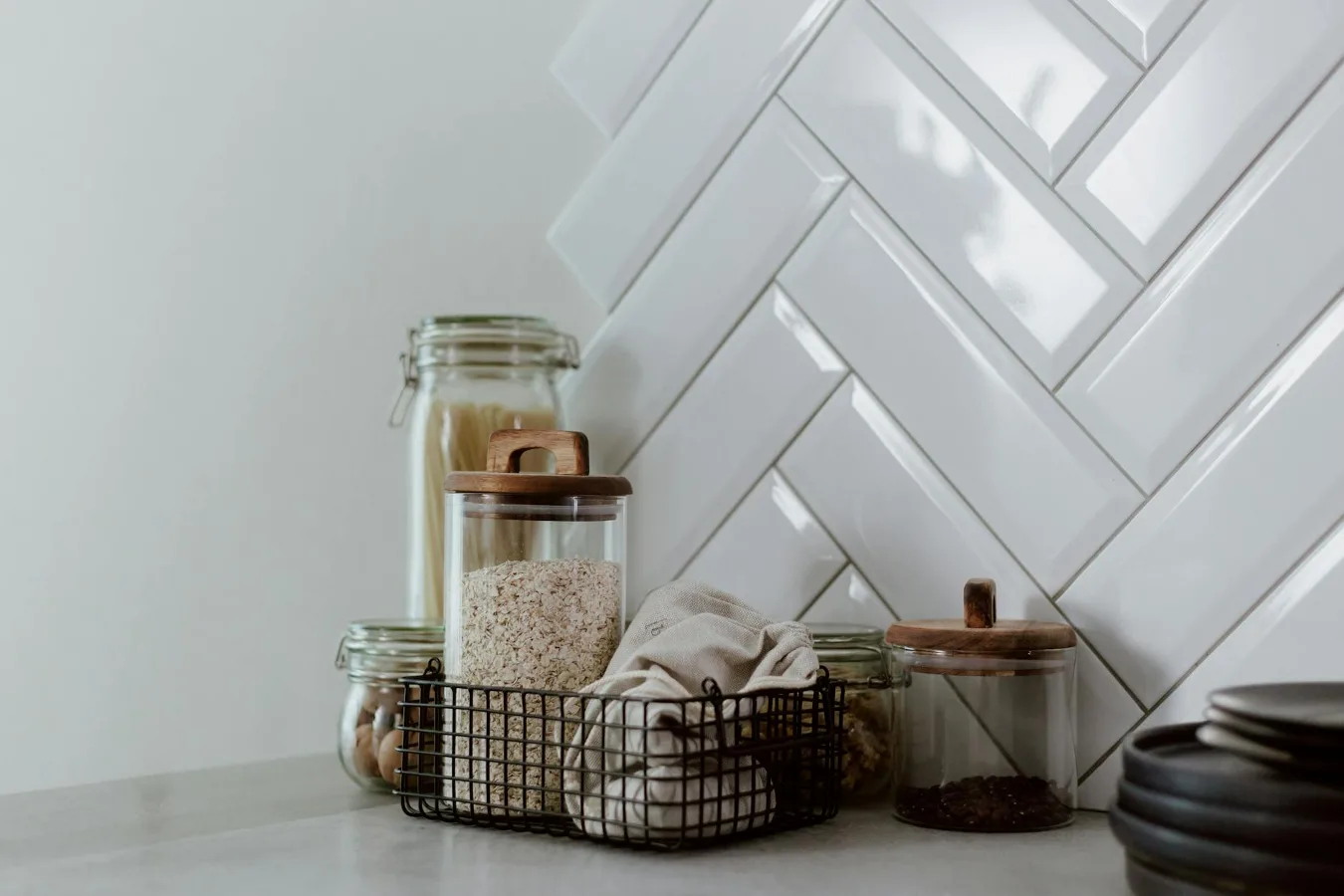
Quick answer: what makes a large glass storage container worth buying?
Large glass storage containers are best for people who want durable, reusable storage for leftovers, batch cooking, pantry ingredients, or make-ahead meals. They make sense when you need a container that is easy to see through, can often move between the fridge and table, and may handle reheating more gracefully than many plastic alternatives.
The strongest choice depends less on the glass itself and more on the details around it: lid quality, shape, size, seal type, and how you plan to use it. A container that works well for soup may be awkward for sheet-pan leftovers, and a container that stacks neatly in a pantry may not be the best fit for freezer storage. The right decision usually comes from matching the container to the job.
For many households, large glass storage containers are most useful in three situations: storing big portions of cooked food, keeping dry pantry items visible, and reducing the amount of disposable or short-lived plastic storage in the kitchen. They are not always the lightest, cheapest, or most travel-friendly option, so the trade-offs matter.
What to compare before you buy
The best large glass storage container is not simply the biggest one. A useful comparison starts with the way the container will actually live in your kitchen. That usually comes down to a few practical factors.
Capacity and shape
Large containers are not all built for the same task. Wide, shallow containers are better for casseroles, roasted vegetables, and layered dishes. Deeper containers suit soups, stews, grains, and sauces. If you plan to store leftovers from family-sized meals, a container with enough surface area to cool food efficiently can be more useful than a tall, narrow design.
Shape also affects storage efficiency. Rectangular containers often use cabinet and refrigerator space better than round ones. Round containers may be easier to clean and can work well for liquid-heavy foods, but they usually waste more space when stacked alongside square or rectangular options.
Lid style and seal
Many shoppers focus on the glass and overlook the lid, which is often the part that determines whether a container feels reliable. Some lids are meant for a tight everyday seal, while others are designed primarily to keep dust out or help with short-term refrigerator storage. If you want a container for soups, leftovers, or meal prep, look for a lid that closes securely and stays closed during stacking and transport.
Airtight performance matters most for foods that dry out, pick up odors, or need better moisture control. That said, not every airtight lid is equally convenient. Some are easier to open and close repeatedly, while others may be more secure but less comfortable for daily use. If children, older adults, or people with limited hand strength will use the containers, ease of opening deserves attention.
Glass type and durability
Glass containers are often compared by material type, including borosilicate glass and other tempered or heat-resistant glass formulations. The practical question is less about the label and more about how well the container handles your normal routine. If you want a container for hot food, reheating, or freezer-to-fridge use, heat resistance and thermal shock tolerance become more relevant than decorative details.
Even durable glass still has limitations. It can chip, crack, or break if dropped. It can also be heavy, especially in larger sizes. For a kitchen that sees frequent daily handling, that weight is part of the real cost of choosing glass over lighter materials.
Compatibility with refrigerator, freezer, microwave, and oven
Many people buy glass storage containers because they want a smoother path from storage to reheating. That only works well if the container and lid are compatible with the way you cook. Some glass containers are microwave-safe but not oven-safe. Some are freezer-safe but need room for food expansion. Some lids can go in the dishwasher but should not be heated.
One common mistake is assuming every glass container can do everything. Before buying, think through the full cycle: storing, stacking, reheating, cleaning, and moving from one temperature to another. The more roles a container needs to play, the more carefully the product description should be read.
How large glass storage containers compare with other options
Large glass storage containers are usually chosen for a mix of visibility, reusability, and food presentation. They also create a different user experience from plastic, metal, and ceramic storage. The best option depends on what you are trying to optimize.
| Material | Strengths | Limitations | Best fit |
|---|---|---|---|
| Glass | Easy to see contents, often good for reheating, reusable, odor resistant | Heavier, breakable, lid quality varies | Leftovers, meal prep, fridge and pantry storage |
| Plastic | Lightweight, often inexpensive, convenient for transport | Can stain, absorb odors, and wear over time | Lunches, travel, casual short-term storage |
| Metal | Light, durable, good for dry storage | Not see-through, not ideal for microwave use | Dry goods, transport, certain prep tasks |
| Ceramic | Attractive, table-friendly, stable | Heavy, less practical for everyday storage, can chip | Serving, refrigerator-to-table use |
Glass tends to shine when visibility and food presentation matter. You can see what is inside without opening the lid, which reduces guesswork in the refrigerator or pantry. That is especially useful for batch cooking and ingredient rotation. The trade-off is that glass is less forgiving if you need to carry meals to work, school, or travel often.
If your main goal is efficient kitchen storage, glass is usually more appealing than it is for portability. If your main goal is lightweight transport, another material may be more practical for daily use.
Best use cases for large glass containers
Large glass storage containers are not only for leftovers. They can solve several common kitchen problems when chosen thoughtfully.
Leftovers and cooked meals
This is the most straightforward use. Large glass containers work well for casseroles, roasted proteins, pasta dishes, grains, and side dishes. Their clear sides make it easier to identify food at a glance, which can reduce waste when items get pushed to the back of the refrigerator.
For this use, prioritizing a secure lid and a shape that matches your most common dishes matters more than chasing the largest possible size. A container that fits your typical meals is more useful than one that is technically bigger but awkward in the fridge.
Meal prep and portioning
If you prepare lunches or dinners in advance, glass containers can simplify fridge organization. They work especially well for dishes that reheat directly in the container and for meals that benefit from being stored in clearly separated portions. Wide containers can be easier for packed meals, while deeper ones may be more efficient for stews, rice bowls, and layered recipes.
One practical nuance: if you portion meals for several days, stackability often matters more than a fancy seal. A set that nests or stacks neatly can save cabinet space and make routine meal prep feel less cluttered.
Pantry and dry storage
Large glass containers can also work for pasta, flour, oats, rice, beans, nuts, and other pantry staples. In that setting, visibility becomes a major advantage. It is easier to monitor inventory and spot when a dry good needs to be replenished.
For pantry use, the most important issue is not heat resistance but lid seal and shape. A container that seals tightly and fits your shelf depth will usually outperform a more decorative option. If you store larger quantities, consider how easily the container can be lifted when full.
Serving and table use
Some glass containers move directly from storage to serving, which can cut down on dishes. This is convenient for casual family meals and buffet-style serving. A simple, clean design often works better here than something bulky or highly specialized.
Still, not every storage container is pleasant to serve from. Deep straight-sided containers can be awkward for reaching food near the bottom, and lids that fit tightly may be less convenient when you want quick access at the table.
Common mistakes to avoid
Many buyers regret large glass storage containers for reasons that are easy to avoid once you know what to watch for. China Storage Containers Guide for Buyers offers more detail on this point. Garage Workbench With Storage: Buyer Guide offers more detail on this point. garage storage elevator offers more detail on this point.
- Choosing size without checking cabinet and refrigerator space. A container can be “large” and still be inconvenient if it does not fit the shelves you use most.
- Ignoring lid quality. A good glass base paired with a weak lid usually becomes frustrating quickly.
- Assuming all glass is equally temperature-safe. Freezer, microwave, oven, and dishwasher compatibility are not interchangeable.
- Buying round containers for rectangular storage needs. Shape affects how much usable space you really get.
- Overlooking weight. Large glass containers get heavy when filled, especially with liquids or dense foods.
- Using the same container for every job. Pantry storage, leftovers, and meal prep do not always need the same design.
Another common misconception is that larger always means better. In real kitchens, oversized containers can be harder to store, harder to wash, and more likely to encourage overfilling. The best container is the one that fits your food and your storage space without creating extra friction.
What to look for if you want a container that lasts
Long-term value comes from a balance of build quality and everyday convenience. A container that survives but is annoying to use will often be pushed aside. A container that is pleasant to use but fragile or poorly sealed will also disappoint.
Focus on these practical qualities:
- Clear, consistent sizing so you can stack or store multiple pieces together.
- Reliable lids that close securely and do not feel flimsy after repeated use.
- Wide enough opening for easy washing and spoon access.
- A shape that matches your storage habits rather than a shape that only looks good on the shelf.
- Materials that fit your routine, especially if you move food from fridge to reheating often.
Maintenance also matters. Glass is generally easy to clean, but lids can be more complicated depending on the material and seal design. If the lid has multiple parts, small vents, or gasket details, make sure you are comfortable with the cleaning routine. A container that is easy to wash and dry is more likely to stay in use.
When a different storage option may be better
Large glass storage containers are useful, but they are not the universal answer. There are situations where another option is a smarter choice.
If you need something for daily transport, lunch bags, commuting, or travel, lightweight plastic or metal containers may be easier to carry and less risky if dropped. If you want a container for bulk dry goods in a pantry, some metal or acrylic containers may be lighter and easier to handle in larger sizes. If your top priority is freezer organization, a flatter, more flexible system may work better than a few very large rigid containers.
There is also a real-world constraint that shoppers sometimes miss: cleaning time. Large glass containers can be easy to wash, but only if the opening is wide enough and the container fits comfortably in the sink or dishwasher. Bigger is not always simpler.
Practical buying checklist
Before choosing large glass storage containers, ask a few practical questions:
- What foods will I store most often?
- Do I need fridge, freezer, microwave, or oven compatibility?
- Is airtight sealing important or just helpful?
- Do I need a stackable shape for cabinets or shelves?
- Will I carry these containers often or mostly use them at home?
- Can I easily wash and store the size I am considering?
If the answer to most of those questions points toward home use, visibility, and flexible reheating, large glass storage containers are usually a strong fit. If the answers lean toward portability, ultra-light weight, or rugged transport, another material may make more sense for at least part of your kitchen setup.
The most useful approach is often mixed rather than absolute. Many households do best with a few large glass containers for home storage and a separate set of lighter containers for lunches or travel. That combination keeps the strengths of each material in the role where it works best.