
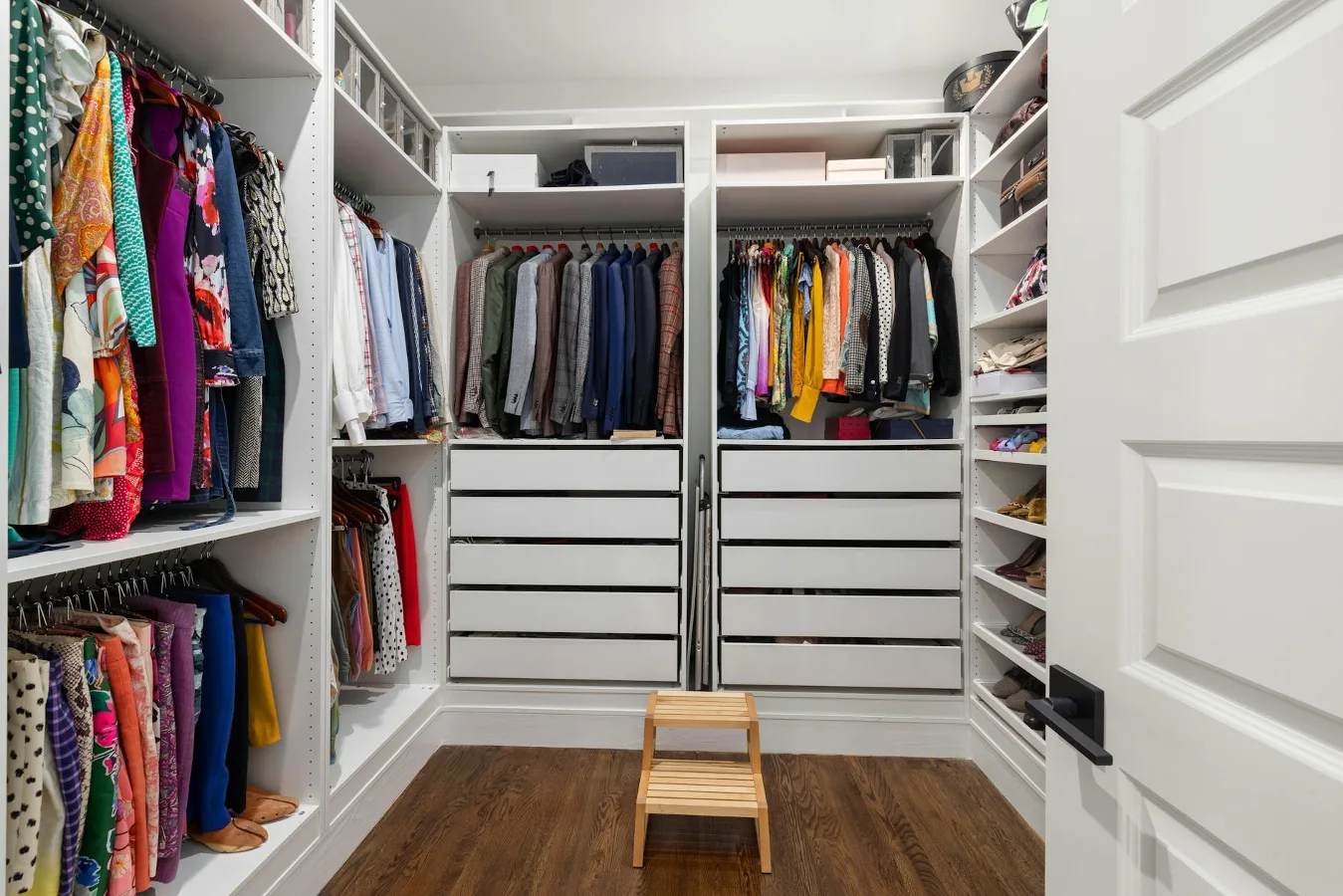
Start with the way you actually use the closet
The best infant closet organization ideas are the ones that match your daily routine, not a picture-perfect nursery. If you reach for diapers and onesies constantly, those items should live at eye level and be easy to grab with one hand. If you rarely use special outfits, blankets, or seasonal layers, those can sit higher or lower in the closet. game closet organization offers more detail on this point.
For most families, the smartest setup separates the closet into a few clear zones: everyday clothes, larger backup sizes, diapering supplies, and overflow storage. That approach keeps the most-used items visible and reduces the chance of buying duplicates because something got buried.
A common misconception is that infant closets need lots of product. They usually need clarity more than quantity. A few well-chosen organizers often work better than a crowded system with too many bins, drawers, and hanging gadgets.
Choose a layout based on your space and routine
There is no single right closet layout for a nursery. The best choice depends on whether you have a reach-in closet, a deep closet, a narrow closet, or a shared closet that also holds adult clothing.
For a small closet
Prioritize vertical space. Use shelves, stackable bins, and hanging organizers so the closet works upward instead of outward. If the rod space is limited, consider using only a short hanging section for outfits that wrinkle easily, then keep folded items in bins or baskets below.
For a shared closet
Divide the space by category, not by idealized perfection. One side can hold baby items and the other adult items, or the upper shelves can hold baby supplies while the lower area stays open for everyday access. In a shared closet, consistency matters more than matching containers.
For a closet with more depth
Deep closets can hide a lot, which is helpful and frustrating at the same time. Use bins that pull forward easily and avoid overstuffing the back. Deep spaces work best when the front holds current sizes and the back holds outgrown or next-size-up items.
The storage choices that make the biggest difference
Before buying accessories, think through what each type of storage is best at. Baby closets usually need a mix of hanging, folding, stacking, and containment. The goal is to match the item to the storage method rather than forcing everything into one system.
| Storage type | Best for | Watch for |
|---|---|---|
| Hanging rod | Outfits, dresses, cardigans, special items | Small garments can waste space if overused |
| Shelves | Folded clothes, blankets, diapers, baskets | Piles can get messy without dividers or bins |
| Bins or baskets | Daily essentials, backup supplies, grouped accessories | Deep bins can hide items from view |
| Drawer-style organizers | Socks, hats, bibs, small accessories | Can become cluttered if not labeled |
Hanging storage is often overrated for infants because baby clothes are so small. A closet packed with tiny hangers can look organized but may not use the space well. Folding many infant items into bins or shelf stacks often makes retrieval faster and storage more efficient. small space nursery storage ideas offers more detail on this point. how to organize a baby room closet offers more detail on this point.
Material and construction factors that matter
When choosing closet organizers for an infant nursery, materials matter more than style. You want storage that fits the room, holds up to frequent handling, and is easy to keep clean.
Durability and structure
Soft-sided bins are lightweight and flexible, which helps in tight spaces. Rigid bins and baskets tend to hold their shape better and stack more reliably. If you plan to pull items in and out every day, sturdier construction usually keeps the system from sagging or collapsing over time.
Cleanability
Nursery storage collects lint, dust, and occasional spills. Smooth surfaces and wipeable materials are easier to maintain than textured fabrics that trap debris. This is especially useful for diapering supplies and anything stored near lotion, wipes, or laundry items.
Weight and portability
Lightweight bins are easier to move during laundry sorting or size transitions. That matters more than many people expect, because infant wardrobes change quickly and closet systems often need to be adjusted as the baby grows.
Labels and visibility
Clear labeling helps prevent clutter from spreading. Labels are especially useful for mixed-size clothing, seasonal layers, and hand-me-downs. Clear bins can also help, but they are not always the best choice if you want a cleaner visual look or if light exposure could be a concern for stored fabrics.
What to store where: a practical nursery closet setup
A useful infant closet usually works best when the most frequently used items are the easiest to see and reach. Think in terms of daily tasks rather than categories alone.
- Eye level: everyday outfits, current-size clothing, swaddles, and frequently used outer layers
- Upper shelves: next-size clothing, keepsakes, seasonal items, and backup supplies
- Lower shelves or floor space: diaper stash, bulk wipes, laundry basket, or large bins
- Drawer inserts or small baskets: socks, mittens, hats, bibs, burp cloths, and other small accessories
One of the most helpful habits is grouping by use case instead of only by item type. For example, a basket for bedtime items can be more practical than a separate bin for every single garment category. That kind of setup reduces handling and makes evening routines smoother.
Trade-offs to think through before buying organizers
Many nursery storage products look helpful online but create friction in daily use. The best infant closet organization ideas usually balance appearance, accessibility, and flexibility.
Open shelves vs. closed bins
Open shelves make it easy to scan what you have, but they can look messy quickly if the stacks shift. Closed bins create a tidier appearance and can reduce visual clutter, but they make it easier to forget what is inside. If you use bins, labels become more important.
Hanging systems vs. folded storage
Hanging clothes are simple to see, but they are not always space-efficient for infant sizes. Folded storage often works better for onesies, sleepers, and small pants. Hanging works best for items that you want to keep neat, spot quickly, or preserve without deep creasing.
Matching sets vs. flexible pieces
Matching nursery organizers can look polished, yet a flexible setup is often more practical over time. The closet will probably need to change as the baby grows, laundry volume shifts, and seasons change. A system that can be reconfigured is usually more useful than one designed mainly for aesthetics.
Common mistakes that make infant closets harder to use
It is easy to overbuild a closet organization system before understanding the rhythm of the nursery. The most common mistakes are simple, but they can make everyday tasks frustrating.
- Buying storage before sorting items: This often leads to bins that are too large, too small, or the wrong shape.
- Overusing the hanging rod: Tiny clothing can take up valuable space without improving access.
- Mixing current sizes with future sizes: That usually creates clutter and slows down outfit selection.
- Ignoring laundry flow: If clean and dirty items do not have a clear path, the closet gets messy fast.
- Using containers that are hard to reach: Deep bins and high shelves can make useful items disappear.
A practical shortcut is to set up the closet in layers: current size items in front, next size up nearby, and outgrown clothing clearly separated. That makes size transitions much less stressful.
How to organize by clothing size without losing track
Because infants grow quickly, size management is one of the most important parts of closet organization. It helps to create a simple system before the closet becomes overloaded.
Keep the current size in the most accessible spot. Place the next size up in a labeled bin or shelf section so it is ready when needed. Any clothing that is too small should move out of the active closet zone quickly, rather than staying mixed in with usable items.
This is also where labels and dividers earn their keep. Even a basic label like “0–3 months,” “3–6 months,” or “next up” can save time. The point is not to create a rigid warehouse system. It is to make decision-making easier during busy days.
Practical next steps for setting up the closet
If you are starting from scratch, a simple order of operations usually works best. First, sort everything by size and use. Then decide what needs to be reachable every day. After that, choose storage that fits the shape of the closet rather than forcing the closet to fit the storage.
- Remove everything from the closet and group items by size and category.
- Set aside current-size essentials, backup sizes, and items that can be stored elsewhere.
- Choose one or two storage methods that fit your closet layout.
- Place daily-use items at easy reach and seasonal or backup items higher up.
- Label bins or sections so the system stays understandable over time.
- Revisit the setup after a few weeks to see what is awkward or underused.
That last step matters more than many parents expect. A nursery closet is not a one-time project. It should evolve as laundry habits, clothing sizes, and storage needs change.
Good alternatives if the closet is too small
Not every nursery closet needs to carry the full load. If the space is limited, move some storage outside the closet instead of trying to compress everything inside it.
- Dresser top baskets: useful for diapers, wipes, and daily accessories
- Under-crib bins: helpful for backup clothing or bulk supplies
- Wall shelves or over-the-door organizers: good for lightweight items and overflow storage
- Portable caddies: practical for moving essentials between rooms
These alternatives are especially helpful in small nurseries or shared bedrooms. The goal is not to keep every baby item in the closet. The goal is to keep the right items accessible where they are actually used.
What a strong infant closet setup should do
A good infant closet system should reduce friction, not add a new chore. If the setup makes it easier to find outfits, rotate sizes, and restock essentials, it is doing its job. If it looks organized but slows you down every time you need a onesie, it is probably too complicated.
The most effective infant closet organization ideas are usually simple, adaptable, and easy to maintain. Focus on easy access, clear categories, and storage that can change as your baby grows. That approach creates a closet that works for everyday routines, not just for the first day it is arranged.