
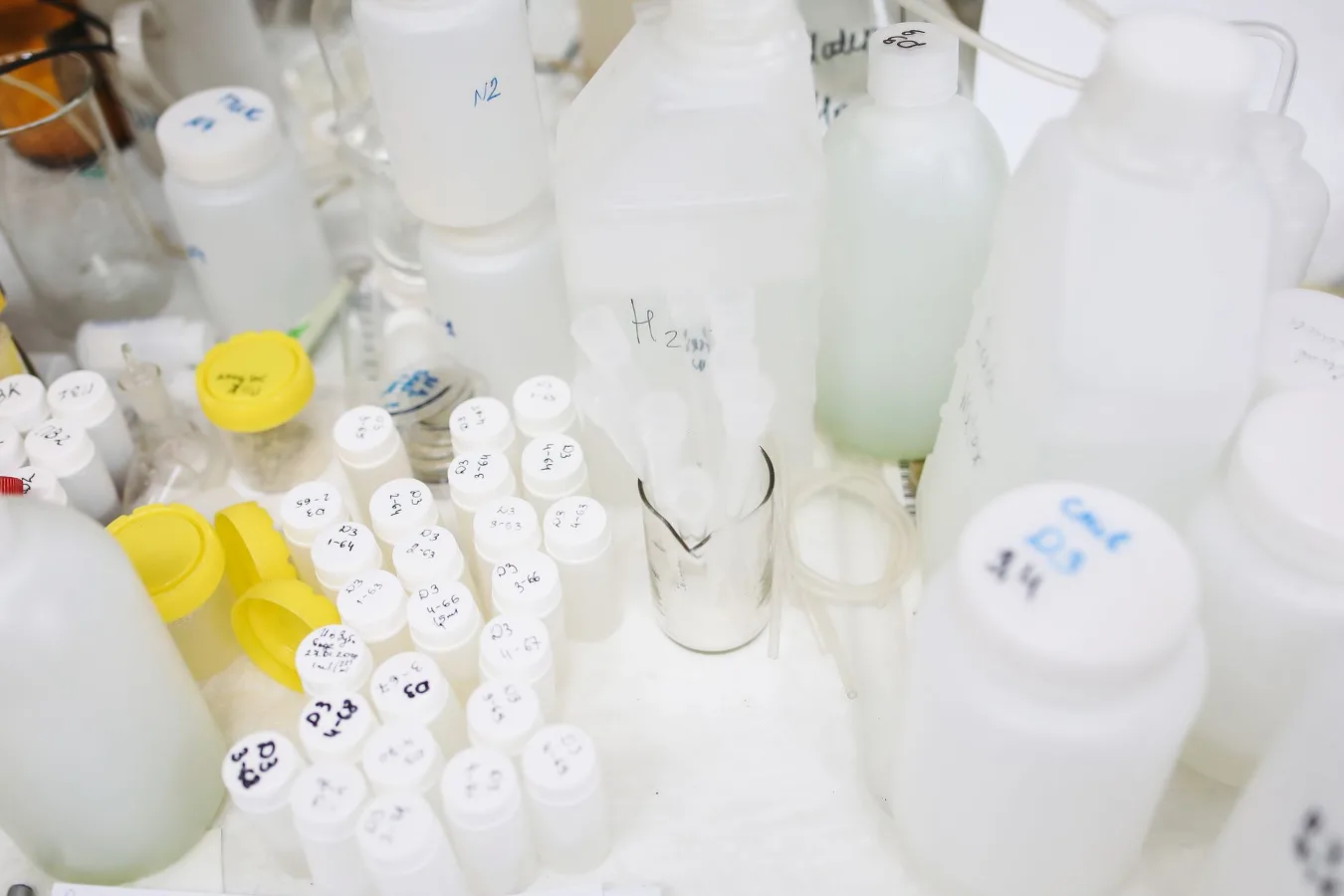
Chemical storage containers are selected first by compatibility, not convenience. The safest choice depends on what the chemical is, how it reacts with the container material, whether the container will stay open and in use or sit in long-term storage, and what kind of environment it will be kept in. chemical storage safety basics offers more detail on this point. Oil Storage Container Buying Guide offers more detail on this point.
For commercial and industrial storage, the right container helps reduce leaks, vapor release, contamination, and handling mistakes. The wrong one can create a problem even if the chemical itself is stored correctly in a cabinet, room, or warehouse.
Start with the use case, not the container shape
The best chemical storage container for one situation may be a poor fit for another. A container used for short-term dispensing on a shop floor does not need the same features as a vessel used for bulk storage, drum transfer, or laboratory stock.
A practical way to narrow the options is to ask three questions:
- What chemical or chemical family will be stored?
- How often will the container be opened, moved, or dispensed from?
- What storage system will it live in, such as a cabinet, shelf, drum room, or secondary containment tray?
That sequence matters because many storage mistakes start with choosing a container based on volume alone. Capacity is only one factor. Compatibility, seal quality, labeling, and handling method often matter more.
Material compatibility is the first filter
The central issue with chemical storage containers is compatibility between the container material and the chemical. Some materials work well with a broad range of substances; others are suitable only for certain acids, solvents, or aqueous solutions.
Common container materials include high-density polyethylene, polypropylene, glass, metal, and lined steel. Each has strengths and limitations. The right choice depends on the chemical family, temperature exposure, and whether the container needs flexibility, clarity, rigidity, or chemical resistance.
Plastic containers
Plastic is common because it is lightweight, generally corrosion resistant, and easy to handle. High-density polyethylene and polypropylene are often used for many liquids and cleaners, but they are not universal solutions. Some solvents, oxidizers, or aggressive chemicals can degrade certain plastics or cause swelling and stress cracking.
Plastic is often a good fit when the storage goal is routine handling, lighter weight, and reduced breakage risk. It is less suitable when the chemical requires transparency for inspection, very high temperature stability, or specific solvent resistance.
Glass containers
Glass is valued for visibility and resistance to many chemicals. It can be useful for laboratory stock, samples, and some corrosive materials. However, glass breaks, and breakage is a storage hazard in any setting where containers are moved frequently or exposed to impact.
Glass is usually better for controlled environments than for high-traffic industrial storage areas. If a chemical is routinely transported between workstations, another container type may be safer from a handling perspective.
Metal containers
Metal containers can be appropriate for certain flammable or combustible liquids, especially when the design includes features intended for safe transfer and storage. But metal is not automatically compatible with every chemical. Corrosion, galvanic reaction, and lining failure are real concerns. flammable liquid storage options offers more detail on this point.
Metal also raises questions about grounding, bonding, and the broader storage system. For some applications, the container itself is only one part of the safety picture.
Seal quality and opening style affect daily risk
A container can be chemically compatible and still be a poor storage choice if the closure system is weak or inconvenient. The lid, cap, gasket, and dispensing opening influence evaporation, contamination, and spill potential.
For storage that is opened often, the closure should be easy to reseal reliably. For long-term storage, a tighter seal may matter more than ease of access. Some containers are designed for storage and transport, while others are better for dispensing or short-term use. That distinction is easy to overlook and often leads to leaks around caps or repeated exposure to air.
A common misconception is that any tightly fitting lid is enough. In practice, closure design should match the chemical’s volatility, the expected temperature range, and how frequently the container will be handled.
Choose the container shape around handling and containment
Container shape affects more than appearance. It influences stability, pouring control, stacking, storage density, and compatibility with shelves or cabinets. Wide-mouth containers may be easier to fill, inspect, or clean, while narrow-mouth designs may reduce splashing and vapor exposure during dispensing.
In commercial storage, shape also affects how easily a container can be placed into secondary containment. A bulky or awkward container may not fit trays, sumps, or cabinets efficiently, which can complicate compliance and housekeeping.
Consider whether the container will be:
- lifted manually
- moved on carts or dollies
- stored on shelving
- used for batch dispensing
- kept in secondary containment
If the container will be handled often, ergonomic design matters. Handles, weight distribution, and pour control can lower the chance of spills during routine use.
Storage environment changes the decision
Even a suitable container can fail its purpose if the storage setting is ignored. Temperature swings, direct sunlight, humidity, vibration, and physical impact all affect chemical storage containers differently.
For example, some plastics can become less reliable under heat or prolonged UV exposure. Glass may be fine in a controlled room but risky on a busy floor where it could be knocked over. Metal may be durable in one setting and problematic in another if corrosion is a concern.
Humidity and corrosion matter especially when storing chemicals near metal hardware, shelving, or closure components. The container may be fine, but the cap, gasket, or accessory may not be. That kind of failure is easy to miss because it develops gradually.
Secondary containment is not optional in many real-world setups
Secondary containment is one of the most overlooked parts of container selection. A good primary container should still be paired with a spill tray, tub, cabinet sump, or other containment method when the storage arrangement calls for it.
This is especially important for corrosives, liquids that can stain or damage floors, and chemicals stored above lower work areas. Secondary containment helps manage leaks from closures, drips during dispensing, and container failure over time.
When selecting containers, check whether the shape and base dimensions work well with the containment system already in use. A container that is technically compliant in isolation may be awkward or unstable inside the actual storage setup.
Labeling and identification should be designed into the container
Labeling is part of the storage system, not an afterthought. A good chemical storage container should have enough surface area and surface quality for durable identification. Labels need to remain readable despite moisture, handling, cleaning, and chemical contact.
Clear labeling helps users avoid mix-ups between similar-looking liquids or containers that are reused for different substances. It also supports inventory control and safer segregation of incompatible chemicals.
Useful labels usually need to communicate at least the product identity, hazard information where appropriate, and the date or batch reference if the operation uses that system. For shared facilities, legible labels reduce dependence on memory and reduce the risk of storage errors.
Match the container to the chemical family, not just the product
People often shop for chemical storage containers by product name alone, but practical selection is usually easier when grouped by chemical family. Acids, bases, solvents, oxidizers, and aqueous cleaners can all have different storage requirements.
That approach helps because related products often share similar compatibility concerns. It also highlights when a single container material is not enough for the entire storage area. A facility may need multiple container types for different chemical groups instead of one universal solution.
This is also where segmentation matters. If your storage area holds both reactive chemicals and ordinary maintenance liquids, do not treat them as one category just because they are all “cleaning products” or “shop chemicals.” Compatibility drives the real decision.
Common limitations to keep in mind
No container material solves every storage problem. That is the practical limitation behind many purchasing decisions. Some containers trade transparency for durability. Others trade chemical resistance for lighter weight. Some offer easy handling but are not ideal for long-term storage.
Another limitation is that container performance depends on the full system: cap, gasket, label, shelf, cabinet, ventilation, and handling habits. A container can only do so much if the surrounding storage conditions are poor.
It is also worth remembering that damage is not always obvious. Stress cracks, worn seals, and contamination can build slowly. Regular inspection matters because a container that looks acceptable from a distance may already be compromised.
Practical mistakes that cause avoidable problems
Several storage errors show up repeatedly in commercial settings:
- Using a container that is not compatible with the chemical
- Choosing a container by volume alone
- Ignoring closure quality and gasket condition
- Storing incompatible chemicals too close together
- Skipping secondary containment where it is needed
- Reusing a container without a clear cleaning and labeling process
- Assuming all plastic, glass, or metal containers perform the same way
One especially common issue is selecting a container that works for short-term dispensing but not for storage over time. A container that is easy to pour from may still allow more vapor loss or degrade faster than a more storage-focused design.
When an alternative container may be better
Sometimes the best answer is not a different bottle or drum, but a different storage strategy. For example, a facility may be better served by using a compatible inner container inside an approved outer system, or by moving from open handling to a closed transfer setup.
Alternatives can also include segregation by hazard class, use of dedicated cabinets, or smaller point-of-use containers instead of large bulk units. Those options are worth considering when the main concern is handling frequency, contamination, or exposure during dispensing.
If the storage need is temporary, short-duration transport between locations, or frequent sampling, the ideal container may look different from what you would choose for reserve stock or warehouse storage.
How to narrow the shortlist before buying
If you are comparing chemical storage containers, the most useful shortlist usually comes from a sequence rather than a brand search. Start with the chemical type, then the storage duration, then the handling method, then the environment.
- Confirm the chemical or chemical family.
- Check material compatibility for the intended container material.
- Decide whether the container is for storage, dispensing, or transport.
- Evaluate closure type, gasket quality, and leak resistance.
- Make sure the size and shape fit shelves, cabinets, or containment trays.
- Plan for labeling and regular inspection.
- Review whether a secondary containment system is needed.
This approach is more reliable than shopping by general description alone. It also reduces the chance of buying a container that looks suitable but does not fit your actual workflow.
Next steps for a safer storage setup
Once the container type is chosen, the next step is to look at the storage system around it. That includes segregation of incompatible chemicals, cabinet placement, inspection intervals, and replacement of damaged caps or worn seals.
If you are building out a storage area from scratch, compare container materials alongside shelving, containment, and labeling practices. If you are improving an existing setup, start by checking which containers are mismatched to the chemicals they hold. That is often the fastest way to reduce risk without changing everything at once.
For buyers, the smartest approach is usually to select the simplest container that still meets compatibility, handling, and containment needs. Overbuilding can create unnecessary cost and complexity. Underbuilding creates avoidable exposure and cleanup risk.
Chemical storage containers are not interchangeable commodities. The right choice is the one that fits the chemical, the workflow, and the storage environment together.