
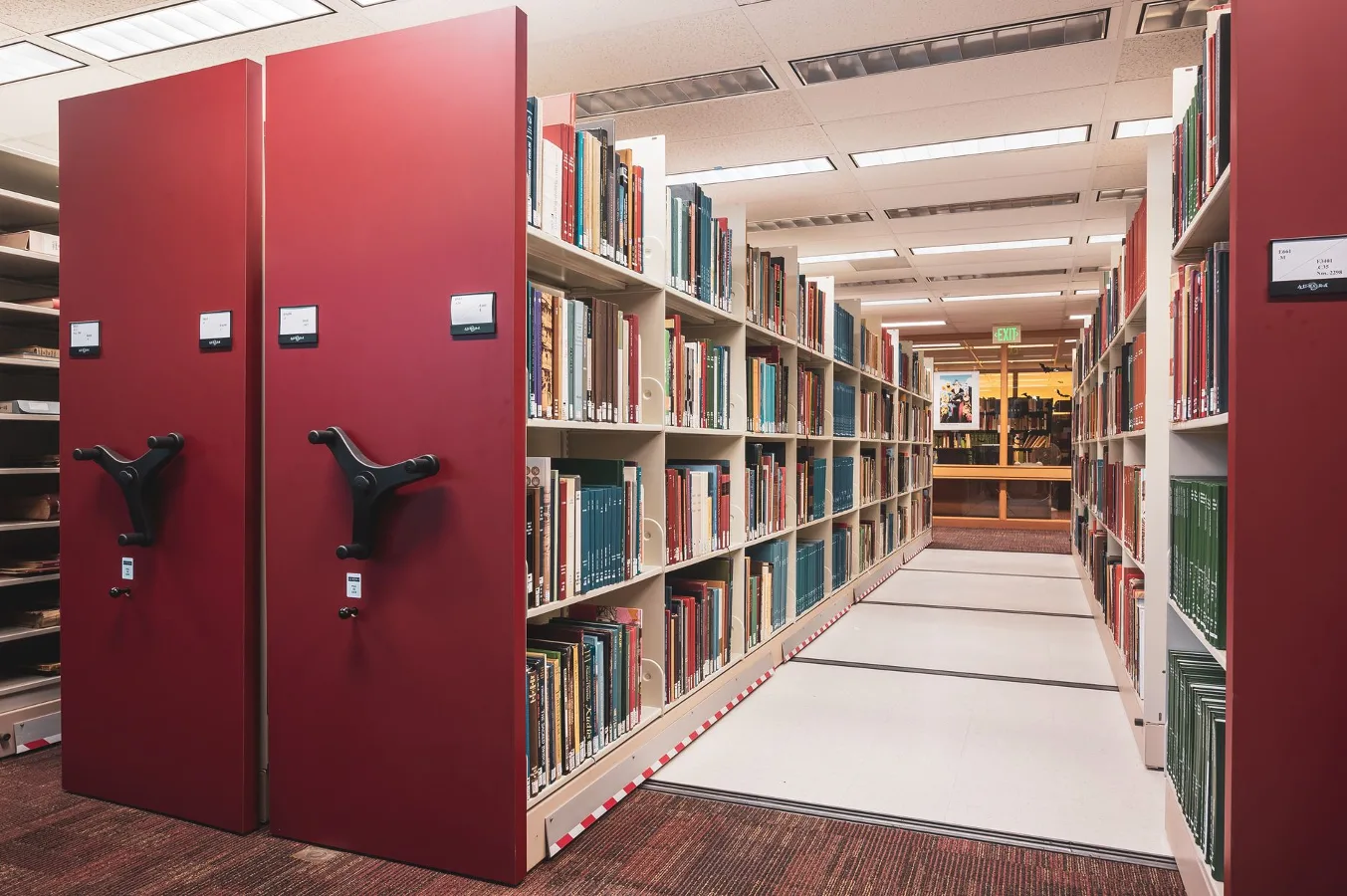
A mobile shelving unit is a storage system designed to move easily from one place to another, usually with casters or wheels. That mobility makes it useful anywhere storage needs change often: offices, garages, stock rooms, laundry areas, classrooms, retail backrooms, and home utility spaces. adjustable shelving options offers more detail on this point.
The right unit is not just a shelf on wheels. It needs to fit the room, handle the load, move safely, and match the type of items you plan to store. For some buyers, that means a lightweight wire unit. For others, it means a sturdier metal rack with locking casters. The best choice depends on how often you need to move it, how much weight it will carry, and whether the shelves need to be adjustable.
Who a mobile shelving unit is best for
Mobile shelving is a smart choice when storage needs are flexible. If you regularly rearrange a room, need access from more than one side, or want to clean behind and underneath your storage easily, a rolling unit can be more practical than fixed shelving. rolling storage solutions offers more detail on this point.
It is especially useful in spaces where layout changes matter. A home office may need to shift from printer storage to supply storage. A garage may need to move tools out of the way for a project. A warehouse or stock area may need a temporary holding station near packing or sorting areas. In these cases, mobility is a feature, not a novelty.
That said, mobility is only helpful if the unit is stable enough for the job. A shelf that moves too easily, wobbles under load, or rolls on poor-quality casters can create more frustration than value. Buyers often focus on shelf count and overlook the base, wheel quality, and locking mechanism. Those details matter just as much as the shelves themselves.
The biggest trade-offs to think through
Choosing a mobile shelving unit usually involves balancing convenience against stability. The more portable a unit is, the more carefully you need to think about load distribution and floor conditions. The more storage capacity it offers, the more attention it needs at the wheel level.
- Mobility versus stability: Easy rolling is helpful, but a fully loaded unit should still feel controlled when locked in place.
- Open access versus dust protection: Wire and open-frame designs make items visible and accessible, but they do not protect contents from dust or spills as well as enclosed storage.
- Lightweight versus heavy-duty construction: Lighter units are easier to move, while heavier builds are better suited to more demanding storage needs.
- Adjustability versus simplicity: Adjustable shelves offer flexibility, but fixed layouts can be easier to set up and keep organized.
One overlooked consideration is floor surface. Casters behave very differently on smooth concrete, tile, low-pile carpet, uneven garage floors, and thresholds. A unit that works well in one room may feel awkward in another. If the shelving must cross transitions or move over textured flooring, wheel quality becomes more important than many buyers expect.
Material and construction factors that affect real-world use
For a mobile shelving unit, material choice affects durability, appearance, cleaning, and long-term suitability. The most common materials are metal, wire steel, and occasionally wood or composite shelving paired with a metal frame.
Metal and steel frames
Metal frames are common for utility and commercial-style shelving because they usually provide a good balance of strength and cleanability. They are often a better fit for garages, storage rooms, and back-of-house environments where function matters more than finish. A powder-coated or similarly finished surface can also help with everyday wear, though buyers should still consider the environment the unit will live in.
Wire shelving
Wire shelving is popular for visibility and airflow. It can be useful for items that benefit from ventilation, such as cleaning supplies, pantry overflow, or general storage that should stay easy to inspect. Wire also helps reduce dust buildup compared with solid shelves, though small items may need bins or trays to prevent tipping or falling through.
Wood or composite shelves
Wood or composite shelving can work in more decorative or office-oriented settings, but it usually requires more attention to moisture exposure and cleaning. In spaces like basements, laundry rooms, or garages, a material that tolerates humidity and occasional spills may be the safer choice.
Material selection should match the environment, not just the room label. A finished office may call for a cleaner look, while a utility room may need something more resilient. The wrong material can shorten the useful life of the unit even if the shelving itself seems adequate at first glance.
Specifications that matter more than the marketing copy
Product descriptions often emphasize how many shelves a unit has or how attractive it looks. For a practical buying decision, a few specification areas deserve more attention.
Load capacity
Load capacity is one of the most important factors, but it should be understood in context. A storage unit may have a total capacity and a per-shelf capacity, and both matter. If one shelf is carrying dense items like binders, tools, or cases of supplies, that load may stress the unit more than a set of light bins spread evenly across all shelves.
Equally important is how the load is distributed. A mobile shelving unit performs better when weight is balanced and lower shelves carry heavier items. Top-heavy loading can make rolling and stopping less predictable, especially on a smooth floor.
Shelf adjustability
Adjustable shelves are valuable when the items being stored vary in height. This is common in offices, classrooms, and household utility spaces. Adjustable spacing can reduce wasted vertical space and make the unit more versatile over time.
If the shelves are fixed, make sure the spacing already matches your intended use. Fixed layouts can still be a good choice when the storage need is clear and unlikely to change.
Caster design
Casters are the defining feature of a mobile shelving unit, so they deserve close attention. Look at whether the wheels are designed to roll smoothly on your floor type, whether at least some of them lock, and whether the unit can remain stable when parked.
Locking casters are especially helpful in shared spaces, busy storage areas, and rooms where the unit may be bumped. A lock that is awkward to engage or unreliable in practice undermines one of the main reasons for buying mobile shelving in the first place. Mid-Century Shelving Unit Buying Guide offers more detail on this point.
Width, depth, and clearance
Before buying, compare the unit’s footprint with the path it will travel and the space where it will rest. A shelf that looks compact in a product photo may still be hard to maneuver through a doorway, between worktables, or around tight corners.
Depth also affects usability. Deeper shelves store more, but they can make items harder to reach and may require more floor clearance in tight rooms. A common mistake is choosing depth for capacity alone, then discovering that everyday access is clumsy.
Buyer scenarios: which type of unit fits which need
The best mobile shelving unit depends on the job you need it to do. Narrowing the use case helps avoid overbuying or underbuying.
For home organization
In homes, mobile shelving often works best as flexible utility storage. It can hold cleaning supplies, pantry overflow, craft materials, laundry items, or seasonal goods. If the space is shared or small, choose a unit that rolls easily but does not dominate the room visually.
Home users usually benefit from a balance of practicality and appearance. Wire shelving may be ideal for a laundry room or garage, while a more finished look may be preferable in a kitchen-adjacent or office setting.
For offices and workrooms
In offices, mobile shelving is useful for files, supplies, equipment, and print-related materials. The key concerns are access, organization, and footprint. You want a unit that can move when needed but stay composed when parked.
For these settings, a common mistake is choosing a general-purpose unit that lacks enough shelf adjustability for binders, paper boxes, or mixed office items. If the contents vary, flexibility matters more than a decorative finish.
For garages, basements, and utility areas
These spaces often demand tougher construction and better tolerance for dust, moisture, and heavy loads. Metal shelving with durable casters is often more appropriate than lightweight decorative storage. If the unit will be moved across rougher floors, wheel size and stability become especially important.
In these environments, you may also want open shelving for quick access to tools, cleaning supplies, or containers. Just remember that open storage generally needs a more disciplined organization system to stay usable.
For commercial backrooms and stock areas
Commercial users tend to care most about workflow, reliability, and access. A mobile shelving unit can help staging, sorting, or temporary storage, but only if it works with the room’s traffic patterns. If employees must move it often, smooth rolling and dependable locks are not optional.
For busy environments, another practical issue is visibility. Units that are too deep or too tall can make it harder to see what is stored, which can slow down retrieval and restocking.
Common mistakes buyers make
Several mistakes show up again and again when people choose a mobile shelving unit. Avoiding them can save time and frustration.
- Choosing based on appearance alone: A clean look does not guarantee good mobility or load handling.
- Ignoring wheel quality: Casters determine whether the unit feels smooth, stable, and safe to move.
- Overlooking shelf spacing: Fixed spacing can limit what you can store more than buyers expect.
- Underestimating weight: Dense items create more stress than lightweight bins, even when the shelf looks sturdy.
- Forgetting the pathway: The unit has to fit through doors, aisles, and around corners, not just inside the room.
- Skipping lock checks: A mobile unit should also stay still when you want it parked.
A less obvious mistake is treating mobile shelving like permanent shelving with wheels added. The design logic is different. Because the unit can move, the center of gravity, caster quality, and braking behavior all matter. Buyers who think only about shelf count may end up with a unit that is technically adequate but awkward to use.
Alternatives if mobile shelving is not the best fit
Not every storage problem needs a mobile shelving unit. In some cases, fixed shelving, shelving with bins, or a storage cabinet may be the better choice.
Fixed shelving works well when the layout will not change and maximum stability is more important than flexibility. It is often better for heavy, dense storage that rarely needs to move.
Storage cabinets are a better fit when contents should be concealed or protected from dust. They can also create a cleaner visual profile in offices or shared living spaces.
Utility carts may work if you need portability but only for lighter loads or short-term tasks. They are often easier to move but usually offer less storage than a full shelving unit.
Modular storage systems can be a stronger long-term choice if your needs are likely to grow or change. They may cost more upfront in time and planning, but they can be easier to adapt later.
Next steps before you buy
Before choosing a mobile shelving unit, define the job in plain terms: what will it hold, how often will it move, where will it live, and what floor will it roll on. Those four questions usually narrow the field quickly.
Then compare the unit against the details that actually affect day-to-day use: shelf spacing, caster quality, locking mechanism, footprint, and material. If you are choosing between two similar products, select the one that best fits the space and the weight of your stored items rather than the one with the most shelves or the most polished description.
If you are building out a broader storage plan, a mobile shelving unit can be one piece of a larger system that includes fixed shelving, bins, cabinets, and labeled containers. That mix often works better than relying on a single type of storage for everything.
For readers comparing storage options across a home, office, garage, or commercial setting, the best approach is usually simple: choose the unit that makes access easier without compromising safety or stability. Mobility should solve a problem, not create a new one.