
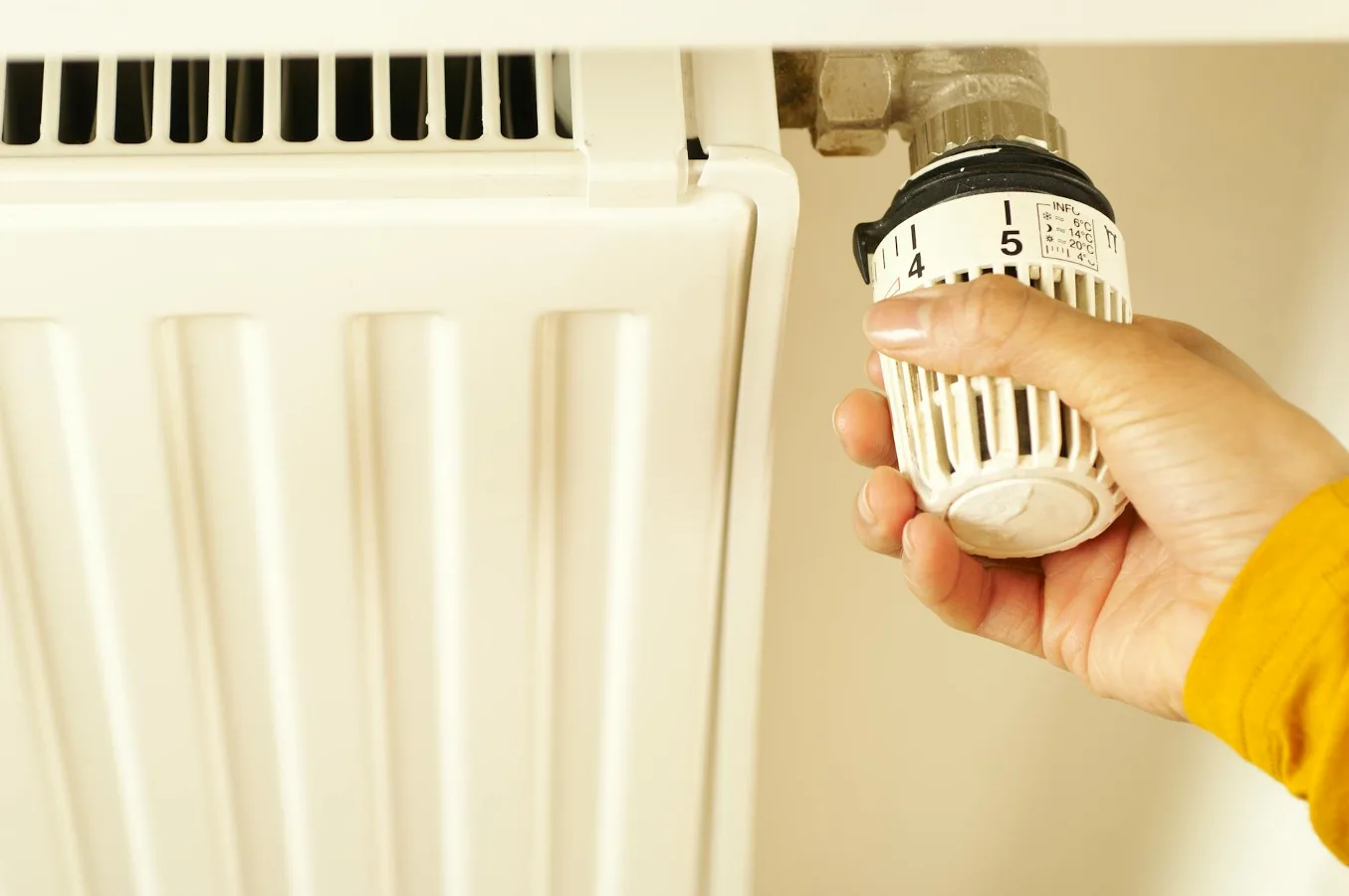
Why homeowners look for a crawl space heater with thermostat
A crawl space heater with thermostat is usually searched for one of two reasons: to prevent freezing in cold weather or to keep a vulnerable crawl space from getting too cold for the home above it. The thermostat matters because a crawl space does not need constant heat; it needs controlled heat that only runs when temperatures drop to a set point. ceramic space heater vs infrared offers more detail on this point. space heater amps offers more detail on this point.
That distinction is important. In a crawl space, the goal is rarely to make the area comfortable for people. The goal is more often to protect plumbing, reduce freeze risk, and help keep the space within a temperature range that supports the rest of the home’s building envelope. A heater without proper control can waste energy, dry out materials too aggressively, or create safety concerns if it is installed in a tight, dusty, or moist area.
The best choice depends on the crawl space itself. Ventilated crawl spaces, sealed crawl spaces, spaces with exposed pipes, and spaces that also struggle with humidity all call for different thinking. In many homes, a heater is only one part of the solution, and it works best alongside insulation, air sealing, and moisture control. crawl space moisture control basics offers more detail on this point.
What a thermostat-controlled crawl space heater actually does
A thermostat-controlled heater turns on only when the surrounding temperature falls below a preset level and shuts off once the space warms enough. That makes it more practical than a heater that runs continuously. In crawl spaces, this kind of control helps reduce temperature swings, which can be especially useful near plumbing lines, ductwork, and floor framing.
There is a common misconception that more heat automatically means better protection. In reality, crawl spaces are sensitive environments. Too much heat can dry materials unevenly, increase operating costs, and create a false sense of security if moisture problems remain untreated. A thermostat helps avoid that by letting the heater respond to actual conditions rather than running on a fixed schedule.
Some homeowners are also looking for frost protection rather than comfort heating. That is a different use case. A thermostat set for freeze prevention is generally aiming to keep the area from reaching temperatures that could threaten pipes or make the space overly cold, not to heat the crawl space to living-space standards.
Key factors that matter before you buy
Safety in confined spaces
Safety should come first. Crawl spaces are typically low-clearance, dusty, and sometimes humid. Any heater used there should be appropriate for that environment and installed according to the manufacturer’s instructions and local electrical code. If the space has exposed insulation, stored materials, or significant dust buildup, the risks go up.
Look closely at how the heater handles hot surfaces, tip resistance, and automatic shutoff features. In a crawl space, stability and controlled operation matter more than convenience features. If the unit needs regular manual adjustment, it is usually the wrong fit for this kind of location.
Moisture conditions
A heater does not solve moisture problems by itself. If the crawl space has standing water, persistent dampness, or condensation, heat alone can sometimes make the situation worse by creating uneven evaporation and hidden moisture pockets. In that case, drainage, vapor barriers, sealing, and dehumidification may be more important than adding more heat.
This is one of the most overlooked considerations. Homeowners often focus on temperature while ignoring humidity, but in crawl spaces the two are linked. A space can be warm enough and still damagingly damp.
Insulation and air sealing
Before choosing a heater, evaluate how well the crawl space is insulated and sealed. Heat loss through gaps, vents, and unsealed penetrations can make a heater work harder than necessary. In a poorly sealed space, the heater may cycle frequently without delivering stable results.
If the crawl space is open to outside air, it may be smarter to improve the envelope first. Sealing and insulating often reduce the amount of heating required and make thermostat control more meaningful.
Electrical practicality
Many crawl space heaters are electric, which makes installation simpler than combustion-based equipment, but not every crawl space is a good electrical environment. Access to a safe circuit, suitable wiring, and proper outlet placement matters. Extension cords are not a good substitute for permanent, code-compliant power in this setting.
Think through maintenance access too. If the heater is difficult to reach, inspect, or replace, the convenience of a low-cost unit can disappear quickly. A crawl space appliance should be easy to service without making the space hazardous to enter.
Thermostat type and control range
Not all thermostats behave the same way. Some are built into the unit, while others use remote sensing or separate controls. In a crawl space, thermostat placement can strongly affect how accurately the heater responds. If the sensor is too close to the heater, it may shut off too soon. If it is in a drafty corner, it may run longer than necessary.
Pay attention to whether the control is adjustable and whether it suits freeze-protection use. A crawl space often benefits from simple, reliable temperature control rather than a complicated interface.
How to decide whether you actually need a heater
A crawl space heater with thermostat is not always the first or best fix. In many homes, the better first step is to ask what problem you are trying to solve.
- If the concern is frozen pipes: a thermostat-controlled heater may make sense, especially in exposed or poorly insulated sections.
- If the concern is dampness or mold odor: moisture control usually comes first, and heating may play only a supporting role.
- If the concern is cold floors above the crawl space: insulation and sealing often deliver more value than simply adding heat below.
- If the crawl space is sealed and conditioned: the space may already be better served by balanced ventilation or dehumidification rather than a dedicated heater.
This is where practical judgment matters. A heater is a tool, not a complete strategy. If you use it to compensate for air leaks, missing insulation, or uncontrolled humidity, you may end up spending more without solving the underlying issue.
Types of heating approaches to compare
Portable electric heaters with built-in thermostats
These are often the most accessible option, but they are also the most dependent on placement and safety. They can work for specific protected areas, yet they are not always ideal for a tight or cluttered crawl space. Their usefulness depends on whether they are designed for unattended operation in that environment.
Wall-mounted or fixed electric units
Fixed units can be a better fit where a permanent solution is needed. They tend to be more stable and less likely to be disturbed, but installation quality becomes important. This option may be more appropriate when the crawl space is part of a broader moisture and insulation plan.
Thermostatically controlled freeze-protection equipment
Some homeowners are really looking for freeze protection rather than general heating. In that case, equipment designed to respond automatically to cold conditions can be more suitable than a traditional space heater. The advantage is simplicity: the system is built to protect the space without constant manual attention.
Alternatives that may work better than heating alone
In many crawl spaces, a dehumidifier, vapor barrier, or improved insulation may be a better investment than a heater. If the area is prone to moisture, a dehumidification strategy can support both the crawl space and the structure above it. If the issue is cold air infiltration, sealing and insulation may reduce the need for supplemental heat altogether.
Practical solutions for real crawl space conditions
For a dry but cold crawl space, the most practical approach is often modest supplemental heat with thermostat control, paired with insulation at vulnerable points. That helps protect plumbing and reduces energy waste.
For a damp crawl space, start by addressing water intrusion, ground moisture, and air leaks. Add heat only if it serves a specific purpose after the moisture issue is under control. Otherwise, the heater may mask symptoms without improving the environment.
For a sealed crawl space, focus on balance. The space may need a different appliance strategy altogether, especially if humidity is the main concern. In that setting, a heater can be helpful during cold snaps, but dehumidification and sealing usually carry more of the load.
For homes in colder regions of the United States, seasonal freeze protection is often the most relevant use case. In those homes, simplicity and reliability matter more than advanced features. A thermostat that is easy to set and easy to verify can be more valuable than a more complex controller.
Common mistakes to avoid
- Using a heater to cover up moisture problems: heat does not replace drainage, sealing, or humidity control.
- Buying for wattage alone: a larger heater is not automatically better in a confined crawl space.
- Ignoring placement: sensor location and clearance matter for real performance.
- Overlooking airflow and insulation: without a decent envelope, the heater may work harder than necessary.
- Choosing an appliance that is hard to inspect: maintenance access is essential in low-clearance spaces.
- Assuming all thermostat settings are equivalent: the right control range depends on whether you need freeze protection, mild tempering, or a stable conditioned space.
Decision guidance: what to prioritize first
If you are comparing crawl space heaters with thermostat control, start with the crawl space condition itself rather than the product listing. That will usually lead to a better decision.
Choose a heater if: the main problem is temperature protection, the space is relatively dry, and the unit can be installed safely with proper clearance and power.
Choose moisture control first if: you see condensation, musty odor, visible dampness, or signs of water intrusion. Heating may be secondary or unnecessary until the root cause is fixed.
Choose insulation and sealing first if: the crawl space is open to outdoor air and the issue is cold floors or heat loss from the living space above.
Choose a different appliance approach if: humidity is the dominant issue and the space needs controlled dehumidification more than supplemental heat.
The most durable solution is usually the one that matches the crawl space’s actual condition, not the one with the most features. Thermostat control is useful, but it works best as part of a broader building-envelope strategy.
What a good buying short list looks like
Before purchasing, narrow the field with a few questions. Is the heater appropriate for low-clearance installation? Does the thermostat suit freeze-protection use? Can the unit be maintained without making the crawl space unsafe to enter? Will it work with the space’s moisture level, or does the area need dehumidification or sealing first?
That kind of checklist avoids a common trap: buying a heater because it sounds like the obvious fix. In crawl spaces, the obvious fix is not always the right one. The best choice is the one that fits the building, the climate, and the real problem you are trying to solve.
If you want the shortest path to a sound decision, focus on three things: safety, temperature control, and how the heater fits into the larger moisture and insulation plan. That keeps the purchase practical and reduces the risk of buying equipment that is difficult to use well in an underfloor space.