
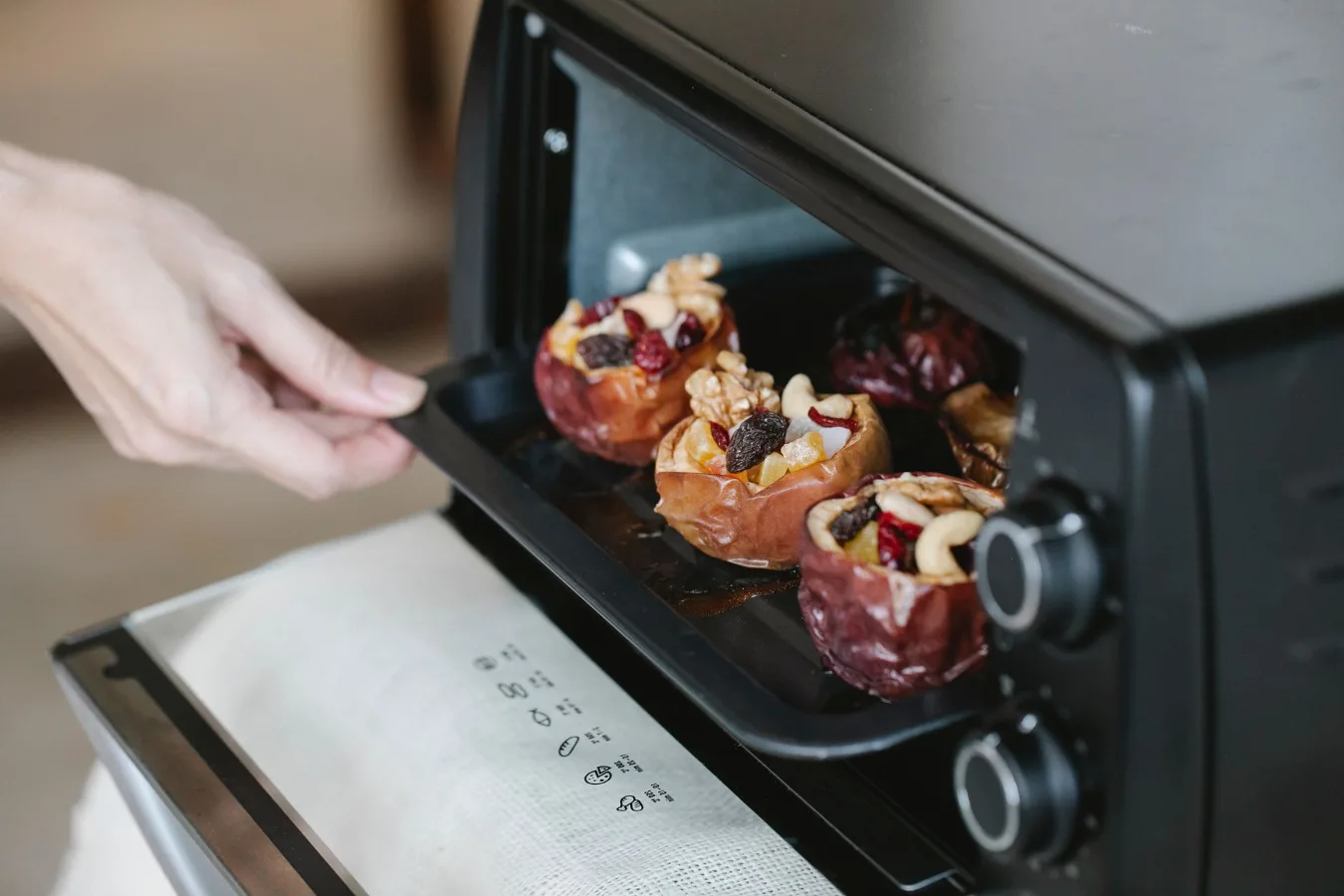
An air fryer oven tray is the insert that helps food cook more evenly in an oven-style air fryer by letting hot air move around it. The right tray can improve browning, reduce sticking, and make cleanup easier, but the wrong one can block airflow, warp, or simply not fit your appliance. air fryer commercial offers more detail on this point.
If you are shopping for one, the main question is not just which tray looks sturdy. It is whether the tray matches your appliance dimensions, cooking habits, and cleaning preferences. A tray for a basket-style model is often different from a tray for a countertop oven air fryer, and that detail matters more than the finish or brand name.
When an air fryer oven tray matters most
An air fryer oven tray matters any time your appliance depends on circulation rather than direct heat contact. That includes oven-style air fryers, toaster ovens with air fry functions, and some convection setups that use racks, mesh inserts, or crisper trays.
You will notice the difference most when you cook foods that benefit from airflow underneath, such as fries, vegetables, nuggets, fish fillets, or breaded items. A solid pan can trap steam. A perforated or mesh-style tray can help moisture escape and promote better texture.
That said, not every recipe needs the same type of tray. For reheating saucy foods or catching drips, a more solid tray may be useful. For crisping, a tray with openings or a raised design usually works better. The best choice depends on whether you value airflow, containment, or easy cleanup more for a given meal.
Start with fit, not features
The most common buying mistake is assuming that a tray labeled for air fryers will fit every air fryer. It will not. Interior shapes vary, rack positions vary, and door clearance can be tight in oven-style units.
Measure the usable interior space
Before buying, measure the width, depth, and height of the cooking area where the tray will sit. Pay attention to any curved corners, heating elements, or protruding rails that reduce usable space. A tray that is technically close in size may still be awkward to insert or remove.
If your appliance came with an original tray, that is usually the safest benchmark. Replacement trays should match not only the footprint but also the way the original sits on the rack or slides into the cavity. If you are buying a universal accessory, make sure the product description clearly explains whether it is designed for basket-style air fryers, oven-style air fryers, or convection toaster ovens. Best Air Fryer Basket for GE Ovens offers more detail on this point.
Check clearance and handle access
A tray that fits on paper may still be inconvenient in practice. Handles, lip height, and rack position affect how easy it is to grab food safely. In a small appliance, even a slightly taller tray can interfere with the heating element or make it difficult to add or remove food without tipping.
This is an overlooked consideration: a tray should not only fit inside the appliance, it should also fit your cooking routine. If you cook often, easy removal can matter as much as the cooking surface itself.
Choose a tray style based on how you cook
Different tray designs serve different purposes. The best air fryer oven tray is the one that matches your most common use case.
Perforated or mesh trays
These are the most airflow-friendly options. Openings allow hot air to reach more of the food surface, which can improve crisping for fries, vegetables, and breaded items. They are often a strong choice if your goal is texture.
The trade-off is that small pieces can fall through if the openings are too large. Delicate foods may also require extra care during removal and cleaning.
Solid trays
Solid trays are useful when you want to catch drips, hold marinated foods, or cook items that are too wet for a perforated surface. They are also easier to use for foods that might break apart.
The limitation is airflow. A solid tray can reduce the crisping effect that many people expect from air frying. For some foods, that means you may need to turn items more often or accept a softer finish.
Racks and raised crisper inserts
Some air fryer oven trays are really elevated racks or crisper inserts. These create space below the food so hot air can circulate underneath. This style can be especially helpful for breaded foods, bacon, or anything that benefits from even browning on both sides.
The trade-off is stability. Smaller or lighter foods may shift when you move the tray, so care matters during loading and unloading.
Materials: what actually matters
Material affects durability, cleaning, and cooking performance. It also affects how the tray feels to use every day.
Stainless steel
Stainless steel is a common choice for air fryer oven trays because it is generally durable and can handle repeated use well. It is often preferred for replacement parts and accessories that need to stand up to frequent heating and washing. how to choose air fryer accessories offers more detail on this point.
Still, stainless steel is not automatically nonstick. Food may cling unless the design is well finished or paired with a light coating of oil. If easy release is your priority, look beyond the metal itself and consider the surface design.
Nonstick-coated trays
Nonstick trays can make food release and cleanup simpler. They are appealing for sticky marinades, delicate proteins, and quick weeknight meals.
The trade-off is care. Nonstick surfaces usually require gentler cleaning and more attention to utensil choice. If you want a tray that can take heavier use, you may prefer a plain stainless option instead.
Wire mesh and crisper-style inserts
Mesh and crisper inserts are useful when airflow is the top priority. They can be a practical middle ground between a basket and a solid pan.
The main limitation is maintenance. Smaller openings and more edges can make them harder to scrub, especially after cheese, sauce, or sugary glazes.
Cleaning and maintenance should influence the purchase
A tray that cooks well but is miserable to clean will probably get used less. For many households, easy maintenance matters as much as cooking results.
Look for details such as smooth corners, dishwasher compatibility if the manufacturer states it, and a design that does not trap grease in deep grooves. Removable parts and simpler geometry are easier to manage over time than ornate designs with many crevices.
Another practical nuance: even if a tray is technically dishwasher-safe, the dishwasher may not remove baked-on residue without pre-rinsing. If you cook oily or sugary foods regularly, choose a tray you can comfortably hand wash as well.
Think about compatibility with accessories and recipes
Some buyers focus only on the tray itself, but compatibility with the rest of the setup can matter just as much. If your appliance uses multiple levels, a replacement tray should still allow enough space for airflow between racks. If you rely on parchment liners, silicone mats, or drip trays, the tray should work with those without blocking circulation too much.
Also think about recipe flexibility. A highly perforated tray is excellent for crisping, but it may not suit every dish. A more versatile tray can handle both reheating and roasting if you are trying to minimize the number of accessories you store.
If you are building out a broader appliance setup, it can help to compare the tray against other pieces such as racks, baskets, and crisper plates rather than treating it as a standalone purchase.
A simple buying checklist
Use this checklist before choosing an air fryer oven tray:
- Measure the interior of your air fryer or toaster oven carefully.
- Confirm the appliance type: basket-style, oven-style, or convection toaster oven.
- Choose the right surface: perforated for crisping, solid for containment, mesh or rack for airflow and browning.
- Review the material: stainless steel for durability, nonstick for easier release, mesh for airflow.
- Check cleaning needs: dishwasher-friendly if offered, or easy hand-wash design if not.
- Consider food size: small ingredients need tighter openings or a more stable surface.
- Look at tray edges and handles: easier to remove safely in a hot cavity.
- Match it to your main recipes: fries and vegetables need different support than saucy leftovers.
Examples of the right tray for the job
These examples can help narrow the choice.
If you cook fries and frozen snacks often
A perforated tray or crisper insert is usually the better fit because it promotes airflow around the food. This tends to be more useful than a deep solid pan for crispy results.
If you reheat leftovers and want to avoid drips
A solid or lightly raised tray may be more practical. It gives you a stable surface and helps keep melted cheese, sauce, or crumbs from falling onto the appliance floor.
If you cook mixed vegetables or breaded fish
A mesh or rack-style tray can help reduce sogginess while keeping the food elevated. Just make sure the openings will not let smaller pieces slip through.
If you use your appliance for many different foods
A versatile stainless tray or rack with moderate openings may offer the best balance. It may not be the absolute best for any one task, but it can handle a wider range of meals.
Common mistakes to avoid
Many disappointing tray purchases come down to a few preventable errors.
- Buying by brand name only instead of checking dimensions and appliance type.
- Choosing a tray that blocks airflow when crisping is the main goal.
- Ignoring weight and handling, especially in compact ovens where removal can be awkward.
- Assuming all nonstick surfaces are equally durable without considering cleaning care.
- Overlooking small food pieces that may fall through large openings.
- Focusing on the tray and forgetting the appliance interior, including rails, doors, and heating element clearance.
A frequent misconception is that a thicker tray is always better. In reality, thicker can mean sturdier, but it can also mean heavier, slower to heat, or harder to maneuver. The best choice is the one that supports your cooking style without creating new frustrations.
Alternatives if a dedicated tray is not the best fit
If you cannot find the right air fryer oven tray, or if your cooking needs are broader than a single insert can cover, consider alternatives.
- Replacement racks for better elevation and airflow.
- Crisper plates if your appliance uses a basket-style surface.
- Perforated pans for baking and roasting with air circulation.
- Silicone liners for easier cleanup, though they may reduce airflow if used improperly.
- Standard oven-safe sheet pans for tasks where crisping is less important.
The right alternative depends on whether you are solving a fit problem, a cleanup problem, or a texture problem. Those are not always the same thing.
Who should prioritize a premium tray
A better-built tray makes the most sense for people who cook frequently, use the appliance as a daily workhorse, or want a more durable replacement for a worn original part. It can also be worthwhile if your current tray bends, stains, or is hard to clean.
If you only use the air fryer occasionally, a simple compatible tray may be enough. In that case, fit and basic functionality matter more than extra features. Spend on the version that solves your actual problem, not on add-ons you will not use.
What to remember before you buy
The best air fryer oven tray is the one that fits your appliance, supports your most common foods, and is easy to maintain. Airflow, material, size, and cleanup all matter, but they matter in different ways depending on how you cook.
If crisping is your priority, lean toward a perforated or rack-style design. If containment and versatility matter more, a solid tray may be the better compromise. And if you want a long-term replacement, pay close attention to measurements, tray construction, and how easy it will be to clean after repeated use.
That balance is what separates a useful accessory from one that just takes up storage space.