
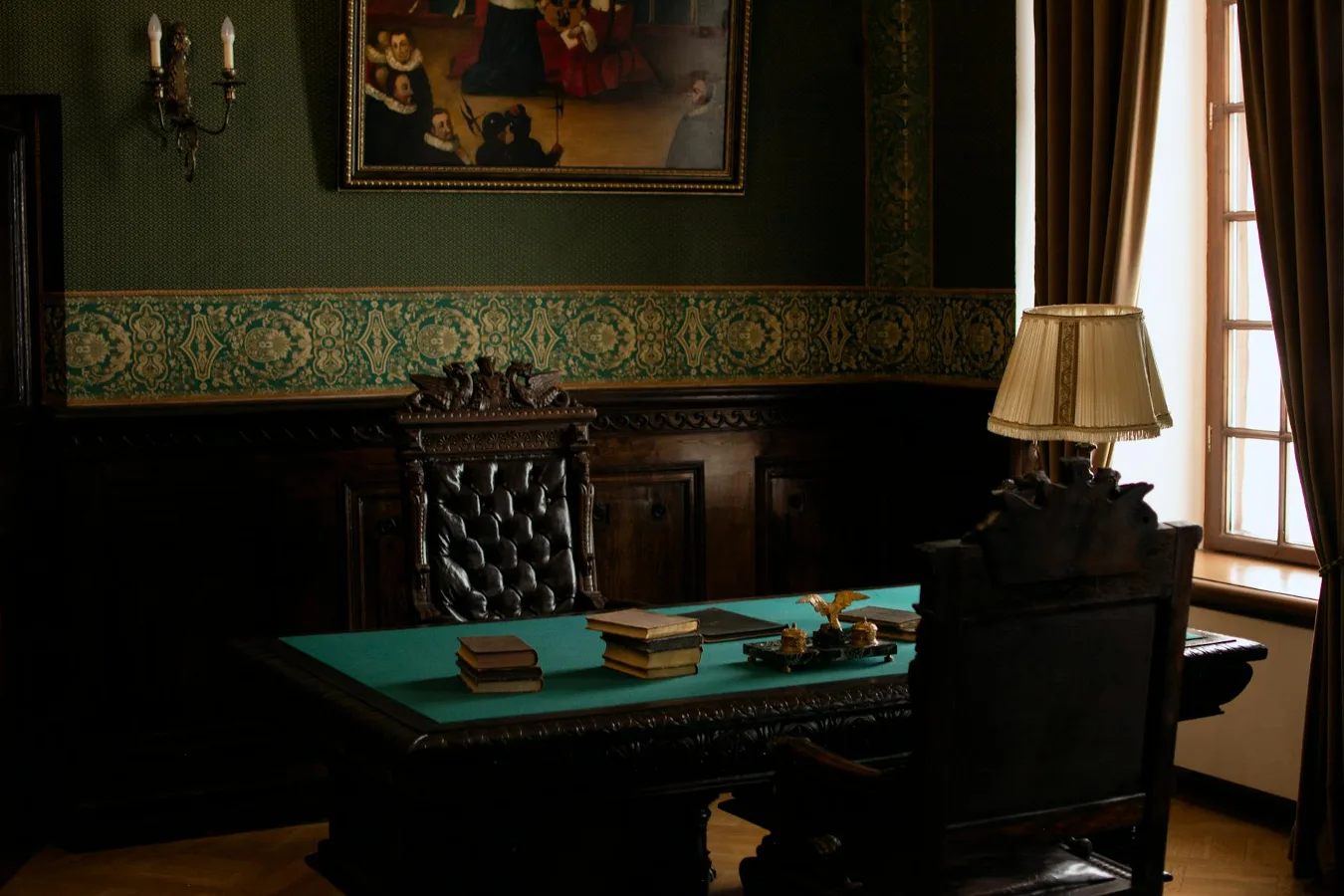
An antique office chair is best for buyers who want more than a place to sit. It can bring warmth, history, and visual character to a home office or study, but it also asks for more judgment than a new chair. The right choice depends on condition, comfort, size, materials, and whether you want the chair for daily work or occasional use. Best Mid Century Modern Office Chair Guide offers more detail on this point. Best Standing Desk With Storage Guide offers more detail on this point.
If you are shopping for one, think of it as both furniture and a functional object. A chair that looks beautiful in a room may still be a poor fit for long work sessions, and a chair that seems solid may need costly repairs before it is safe or comfortable. The best antique office chair is the one that matches your space, your posture needs, and your willingness to maintain it.
What to look for first
Start with the basics: structural soundness, seating comfort, and overall proportions. Antique office chairs come in many forms, including wooden desk chairs, leather executive-style chairs, swivel chairs, and upholstered side chairs adapted for office use. The style matters, but the practical condition matters more.
A useful first check is whether the chair sits level, feels stable, and supports weight without wobbling. Look closely at joints, legs, arms, seat rails, and any moving parts. If the chair rocks excessively, has obvious cracks, or shows signs of previous repairs that look unstable, factor that into the purchase decision. Small cosmetic wear is common in older furniture; structural weakness is a larger concern.
Condition often matters more than age
Many shoppers focus on whether a chair is truly antique, but condition usually affects usability more than age alone. A well-kept older chair can be a better buy than a rarer but heavily damaged piece. Surface wear, patina, and faded finish are often acceptable in antique furniture. Loose joints, tired upholstery, missing hardware, and degraded padding are more important because they affect both function and restoration cost.
Ask yourself how much restoration you are willing to accept. Some buyers enjoy a chair with honest wear. Others want a ready-to-use piece. If you need something for everyday work, a chair that requires major repair may become a design project rather than an office solution.
How antique office chairs compare with newer options
Compared with modern office chairs, antique office chairs usually win on character and craftsmanship but lose on adjustability. Many older chairs were not built around today’s ergonomic expectations. That does not make them unusable, but it does mean you should judge them differently.
Antique office chair strengths:
- Distinctive style that can anchor a room
- Natural materials such as solid wood, leather, cane, or metal
- Potential for long service life if maintained well
- Better fit for traditional, transitional, or collected interiors
Antique office chair limitations:
- Less adjustability than modern task seating
- Possible wear in upholstery, springs, casters, or swivels
- May not support long computer sessions as well as ergonomic chairs
- Replacement parts can be harder to source
If your workday involves long stretches at a desk, an antique chair may work better as a secondary chair, guest chair, or part-time desk chair unless it has been carefully updated. If your office is more about reading, writing, meetings, or light computer use, the trade-off may be worth it. learn more about fezibo standing desk offers more detail on this point.
Materials and construction details that affect value
The materials used in an antique office chair help determine how it will age, how much care it needs, and how easily it can be restored. Wood frames often offer strength and visual warmth, but they can dry out, crack, or loosen over time. Upholstered chairs may be more comfortable, but they can hide wear inside the padding, springs, or webbing. Metal office chairs can be durable, though rust, finish loss, and mechanical wear can be issues.
Construction quality also matters. Check whether joints are well joined, whether the seat feels firm rather than collapsed, and whether any moving parts operate smoothly. In older furniture, a chair that appears solid at first glance can still have internal problems. Gentle movement can reveal more than appearance alone.
Common material and construction issues include:
- Dry or splitting wood at stress points
- Loose glue joints or previous repairs
- Flattened cushioning or sagging seat support
- Worn leather, cracked vinyl, or torn fabric
- Rust or stiffness in swivel mechanisms
- Missing caps, casters, or decorative hardware
Comfort trade-offs to think about
Comfort in an antique office chair is partly subjective, but there are a few practical things to consider. Seat depth, back angle, seat height, and arm placement all influence how the chair feels during use. A beautiful chair with a hard seat or low back may be comfortable for short periods and tiring for longer work.
One overlooked issue is desk height. Antique chairs were often designed for older desks or different working habits. If your desk is modern and fairly high, an antique chair may sit too low. If the chair is too tall or the arms sit too high, it may not slide under the desk cleanly. Measuring before you buy avoids a common and frustrating mismatch.
Another nuance is padding. Extra cushioning can improve comfort, but it can also alter the original look of the chair or hide structural problems. If the seat has already been rebuilt, ask what was replaced and whether the work was done neatly. A chair with a simple, firm seat may be easier to live with than one with over-soft padding that quickly compresses.
Style and room compatibility
An antique office chair works best when it complements the room instead of fighting with it. In a traditional study, a dark wood chair with leather or upholstered details can feel natural. In a lighter, mixed-style home office, a simpler vintage chair may be easier to integrate. The goal is not perfect period matching unless you are decorating a formal space. It is visual balance.
Pay attention to scale. Large executive-style chairs can overwhelm a small office, while delicate chairs may look out of place beside a substantial desk. Finish color matters too. A chair does not need to match your desk exactly, but the wood tone, metal finish, and upholstery color should feel deliberate.
If you are using the chair as a statement piece, let it stand out. If you want it to blend in, choose understated details and a restrained silhouette. Antique office furniture often has enough visual presence on its own, so the rest of the room should not compete with it.
Restoration potential versus ready-to-use condition
Buyers often underestimate the difference between a chair that can be restored and one that should be used as-is. A chair with cosmetic wear may need only cleaning and light stabilization. A chair with failing upholstery, damaged springwork, or extensive wood repair can become a more serious project.
Before buying, decide whether you want a finished piece, a light refresh, or a restoration candidate. That decision changes what you should pay attention to. For a ready-to-use chair, prioritize comfort, stability, and clean condition. For a project chair, focus on originality, structure, and whether the needed repairs are realistic for your budget and skill level.
Be cautious with chairs that have been heavily altered. Well-intended updates can sometimes reduce historical character or create uneven results. A sympathetic restoration keeps the chair usable while preserving its defining details. A poorly handled overhaul can make an antique chair look generic or erase the features that made it appealing in the first place.
Mistakes to avoid when buying an antique office chair
One common mistake is buying purely for appearance. An antique office chair can look impressive in photos, but a chair that is too fragile, too low, or too narrow may become inconvenient very quickly. Another mistake is ignoring the chair’s fit with your desk and floor surface. Casters, glides, and leg design all affect day-to-day use.
Buyers also often overlook hidden costs. Reupholstery, refinishing, cleaning, replacement hardware, and shipping can change the economics of a good-looking chair. If a piece needs work, estimate the total project rather than the purchase price alone.
Other mistakes to avoid include:
- Skipping a close look at joints and underside construction
- Assuming all old chairs are sturdy enough for daily use
- Ignoring seat height and desk clearance
- Overlooking odors, stains, or pest damage in upholstered pieces
- Buying a chair that needs specialist repair you cannot easily source
- Choosing style over practicality for a primary work chair
Practical alternatives if a true antique is not the best fit
If you love the look of an antique office chair but need better ergonomics or lower maintenance, consider a few alternatives. Vintage-inspired office chairs offer older styling with modern adjustment. Reproduction chairs can capture the period look without the uncertainty of old mechanisms. Refurbished task chairs may not feel as decorative, but they can work better for long computer sessions.
Another useful middle ground is using an antique chair in a secondary role. It can serve as a reading chair, a guest chair, or a desk-side accent piece while a more ergonomic chair handles the longest work hours. That approach preserves the style you want without forcing a delicate or rigid chair into a job it was never meant to do.
For many buyers, that compromise is the smartest choice. It keeps the room expressive while protecting comfort and long-term usability.
Final buying perspective
The best antique office chair is the one that balances character with realistic day-to-day use. Look closely at construction, comfort, dimensions, and maintenance needs before you commit. If you want a chair for occasional use, you can be more flexible about ergonomics and restoration. If you need a primary work chair, be stricter about fit and stability.
Antique office chairs reward careful buyers. They can make a workspace feel more thoughtful and less disposable, but only when the piece suits the room and the way you actually work. A good decision comes from weighing condition, function, and style together rather than treating any one factor as enough on its own.