
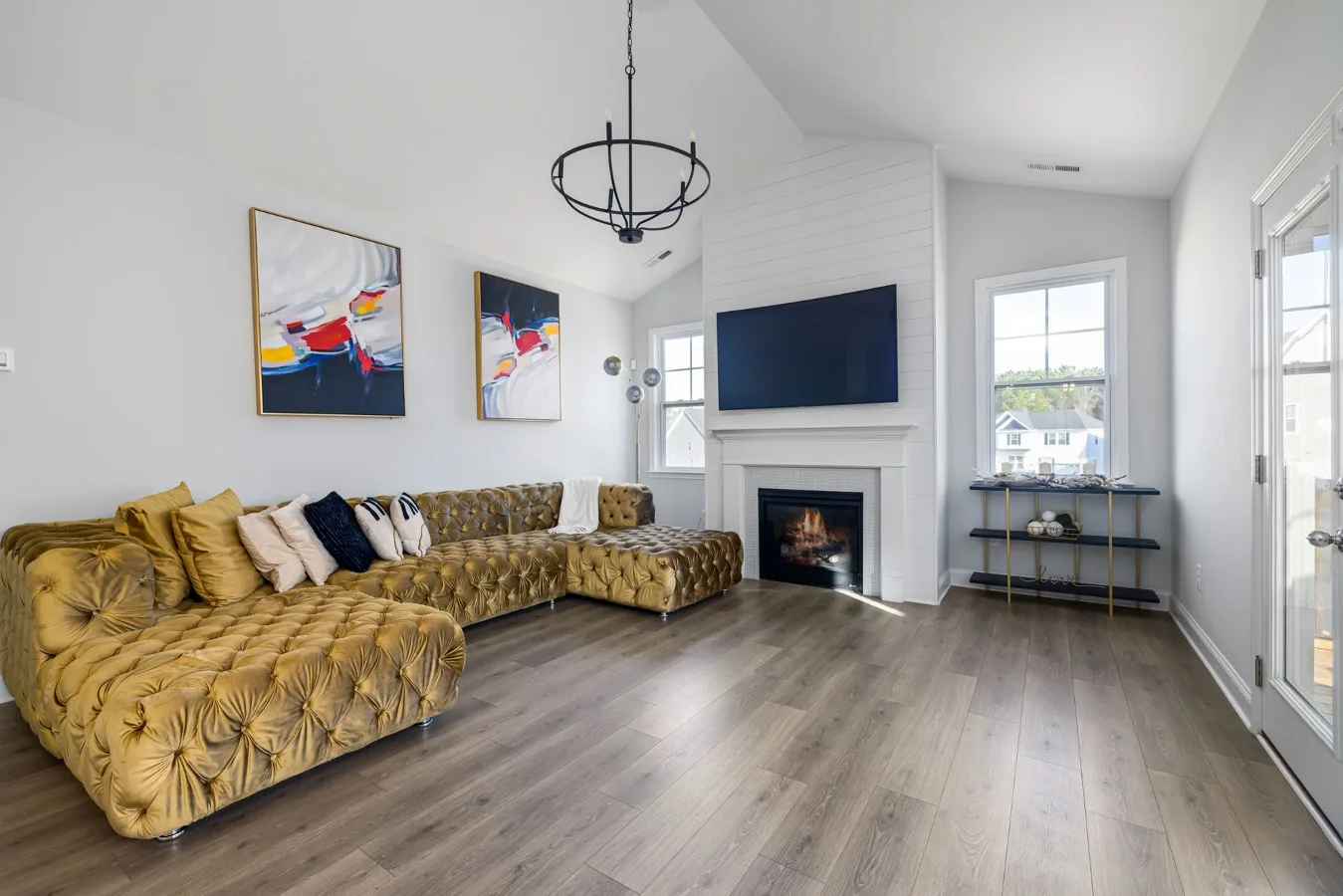
What a Chesterfield sectional sofa is best for
A Chesterfield sectional sofa is a good fit if you want the formal, recognizable look of a Chesterfield but need the seating capacity and room-shaping flexibility of a sectional. The design usually combines hallmark details such as deep button tufting, rolled arms, and a tailored silhouette with an L-shaped or U-shaped layout. white leather sectional sofa offers more detail on this point. Mid-Century Sectional Sofa Buying Guide offers more detail on this point.
That combination makes sense in living rooms where the sofa needs to do more than provide a place to sit. It may need to anchor the room, define an open-plan space, host guests, or give a larger household room to spread out. The style also works for buyers who like traditional furniture but do not want a standard three-seat sofa plus loveseat arrangement. guide to living room focal points offers more detail on this point.
This type of sofa is not the most casual or minimalist option, and that is part of the trade-off. A Chesterfield sectional tends to bring visual weight. In smaller rooms, that can make the space feel elegant and grounded; in tight layouts, it can feel oversized if the proportions are wrong. Choosing well starts with understanding how the design will live in your room, not just how it looks in a showroom.
When a Chesterfield sectional makes sense
This style is worth considering when your goal is a sofa that feels distinctive without sacrificing practical seating. It is especially useful in rooms where the sofa is meant to be a focal point. The tufting and rolled arms give it a classic presence that can balance tall ceilings, large rugs, or a more formal decorating scheme.
It can also be a smart choice if you entertain often or share the room with multiple people. The sectional format naturally creates a conversation area, and the extended chaise or return section can make the seating more comfortable for lounging than a standard sofa.
On the other hand, if your priorities are light visual impact, easy rearrangement, or a very casual family-room feel, a Chesterfield sectional may not be the simplest answer. The same details that make it attractive can also make it heavier-looking and less flexible than sleeker modular alternatives.
Start with the room, not the style
Before comparing fabrics or arm shapes, measure the room carefully. Sectionals can dominate a space if the footprint is guessed rather than planned. A Chesterfield sectional especially benefits from precise layout planning because the design has strong visual lines and substantial arms.
Use painter’s tape or paper templates on the floor to outline the sofa’s footprint. Leave room for walking paths, coffee tables, end tables, and any doors or drawers that need clearance. If the sofa is going into a room with multiple functions, think about how it will affect traffic flow between seating, windows, media equipment, and adjacent furniture.
Pay attention to ceiling height and room scale as well. A deep, tufted sectional in a compact room can feel crowded if the arms sit high or the back is visually heavy. In a larger room, those same proportions may feel balanced and intentional.
Sectional shape matters
Most buyers are choosing between L-shaped and U-shaped configurations, though modular versions can add more options. The best shape depends on how you use the room.
- L-shaped sectionals work well in medium-sized rooms and open floor plans where you want to define one side of the space.
- U-shaped sectionals create a more enclosed, social seating area and suit larger rooms better.
- Modular versions are helpful if you expect to rearrange the layout or move the sofa later.
A common mistake is choosing the shape based only on seating count. A sectional that technically fits the room can still feel awkward if the longest return blocks a walkway or makes the television viewing angle uncomfortable.
Use the upholstery to decide how you will actually live with it
The upholstery has a major impact on both the look and the upkeep of a Chesterfield sectional sofa. Because the silhouette is already detailed, the material should support the style rather than fight it.
Leather is the classic pairing. It reinforces the traditional Chesterfield look and typically ages in a way many buyers appreciate. It can also be easier to wipe clean than textured fabric, which is helpful in busy homes. The trade-off is that leather may show wear patterns, scratches, or temperature changes more visibly depending on finish and use.
Fabric softens the formality of the design and opens up more color options. It can make a large sectional feel warmer or less formal, especially in family spaces. The downside is that fabric may require more care, and tufting can create pockets that hold dust or crumbs if the sofa is used heavily.
Velvet brings a more refined, dramatic look and can suit a Chesterfield sectional particularly well in a formal living room or a styled media room. It is attractive, but it usually asks for more attention to cleaning and maintenance than simpler woven fabrics.
The right choice depends less on trend and more on daily reality. Homes with children, pets, or frequent snacking may benefit from an upholstery choice that is easier to maintain, even if it is slightly less dramatic.
Comfort is not guaranteed by the style
A Chesterfield sectional looks plush, but the appearance of softness does not tell you everything about comfort. Seating comfort depends on cushion fill, seat depth, support, and back angle. Because the tufted back limits some of the visual softness, you should pay attention to how the seat is built rather than assuming it will feel sink-in comfortable.
Deep seats can be appealing for lounging, but they are not ideal for everyone. Shorter users may find very deep sectionals less supportive unless there are accent pillows or a seat depth that allows feet to rest comfortably on the floor. Firmer seats may also be easier to get in and out of, which matters in a household with mixed age groups.
Think about how the sofa will be used most of the time:
- Formal seating favors a slightly firmer feel and upright support.
- Everyday lounging usually benefits from a deeper seat and softer cushioning.
- Mixed-use rooms often need a balance between support and relaxation.
A subtle but important point: the iconic Chesterfield look can sometimes make a sofa appear more cushioned than it really is. That is why sitting posture, seat depth, and arm height matter more than visual plushness alone.
Construction details that affect long-term value
Because a sectional has more components than a single sofa, construction quality becomes even more important. Look beyond the upholstery and inspect how the piece is assembled, especially if you want the sofa to hold up over years of regular use.
Useful factors include the frame material, joinery, cushion support, and how the sectional sections connect. A secure connection system matters because a loose or awkward joint can make the sofa feel unstable or visually uneven. If the sectional is modular, check how the individual pieces lock together and whether the configuration is easy to change without creating gaps.
Spring support and suspension also influence comfort and durability. A well-supported seat tends to feel more consistent across the sectional, which is especially helpful when one side is used much more than the other.
Even the best-looking Chesterfield sectional can become frustrating if the pieces shift, the cushions flatten too quickly, or the silhouette loses its shape. For this reason, long-term value is about more than the initial style impression.
Examples of how the style works in different rooms
Not every room calls for the same version of this sofa. The best choice depends on scale, light, and how formal you want the room to feel.
Formal living room
A Chesterfield sectional can work especially well here because the room often benefits from a polished centerpiece. Leather or velvet can emphasize the traditional character, while a symmetrical layout can keep the room feeling composed.
Open-plan family room
In an open layout, the sectional can help define the seating zone without needing extra furniture to create structure. A more durable fabric may be the practical option if the room sees everyday use.
Media or lounge space
If the room is used for long viewing sessions, prioritize seat depth and back comfort. A sectional with a chaise can be more useful than one with an overly formal arrangement of equal seats.
Smaller apartment or condo
A compact Chesterfield sectional can provide the style of a larger sofa without requiring extra chairs. The challenge is avoiding a footprint that overwhelms the room. In smaller spaces, the arms, back height, and return length matter as much as the seat count.
Common mistakes buyers make
One frequent mistake is focusing on the Chesterfield details and overlooking proportion. A sofa can have beautiful tufting and still be wrong for the room if it blocks natural movement or crowds other furniture.
Another common issue is underestimating maintenance. Deep tufting, seams, and rich upholstery finishes look beautiful, but they may also require more regular attention than a smoother, simpler sofa. If you want low-effort upkeep, choose materials and finishes that fit your habits rather than your ideal routine.
Buyers also sometimes assume all sectionals are equally flexible. That is rarely true. Some have fixed configurations that are hard to adapt, while modular options offer more arrangement freedom. If you move often or like to refresh the layout, that difference matters.
A final mistake is treating visual style as a substitute for comfort testing. A Chesterfield sectional is one of those purchases where the look can be so appealing that people forget to check how the seat feels after a few minutes, not just a quick sit-down.
Simple checklist before you buy
Use this as a practical filter before committing to a Chesterfield sectional sofa:
- Measure the room and map the footprint on the floor.
- Check whether the sectional shape matches the traffic flow.
- Decide if the sofa will serve formal seating, everyday lounging, or both.
- Choose upholstery based on cleaning habits, pets, children, and visual preference.
- Compare seat depth, cushion firmness, and back support.
- Review how the sections connect and whether the layout can change later.
- Think about whether the style should be a focal point or blend into the room.
- Confirm there is enough clearance for doors, tables, and walking paths.
If any of these points are uncertain, the sofa may still be a fit, but you should slow down and compare more than one option. A Chesterfield sectional is often a major furniture decision, and a little planning can prevent a very expensive compromise.
Alternatives worth considering
If you like the Chesterfield look but the sectional format feels too large, a Chesterfield sofa with a matching chair can create a similar effect with more flexibility. That setup may suit smaller rooms or buyers who want a more traditional arrangement.
If your main goal is lounging comfort and layout adaptability, a modular sectional with cleaner lines may be easier to live with. You can still choose rich upholstery or tufted accents without committing to the full visual weight of a classic Chesterfield.
For buyers who want a formal living room feel but need easy maintenance, a tailored sofa with rolled arms and fewer seams may be the better balance. It will not have the same signature look, but it can be more practical for everyday use.
Choosing the right Chesterfield sectional for your home
The best Chesterfield sectional sofa is the one that fits your room, supports your routine, and matches the level of maintenance you are willing to handle. Style matters, but scale, layout, upholstery, and comfort matter just as much.
If you start with the room first, then evaluate upholstery, seating feel, and construction, you will have a much better chance of choosing a sectional that looks intentional instead of oversized or decorative without being useful. That is the real strength of this design: when the proportions are right, it feels classic without becoming impractical.