
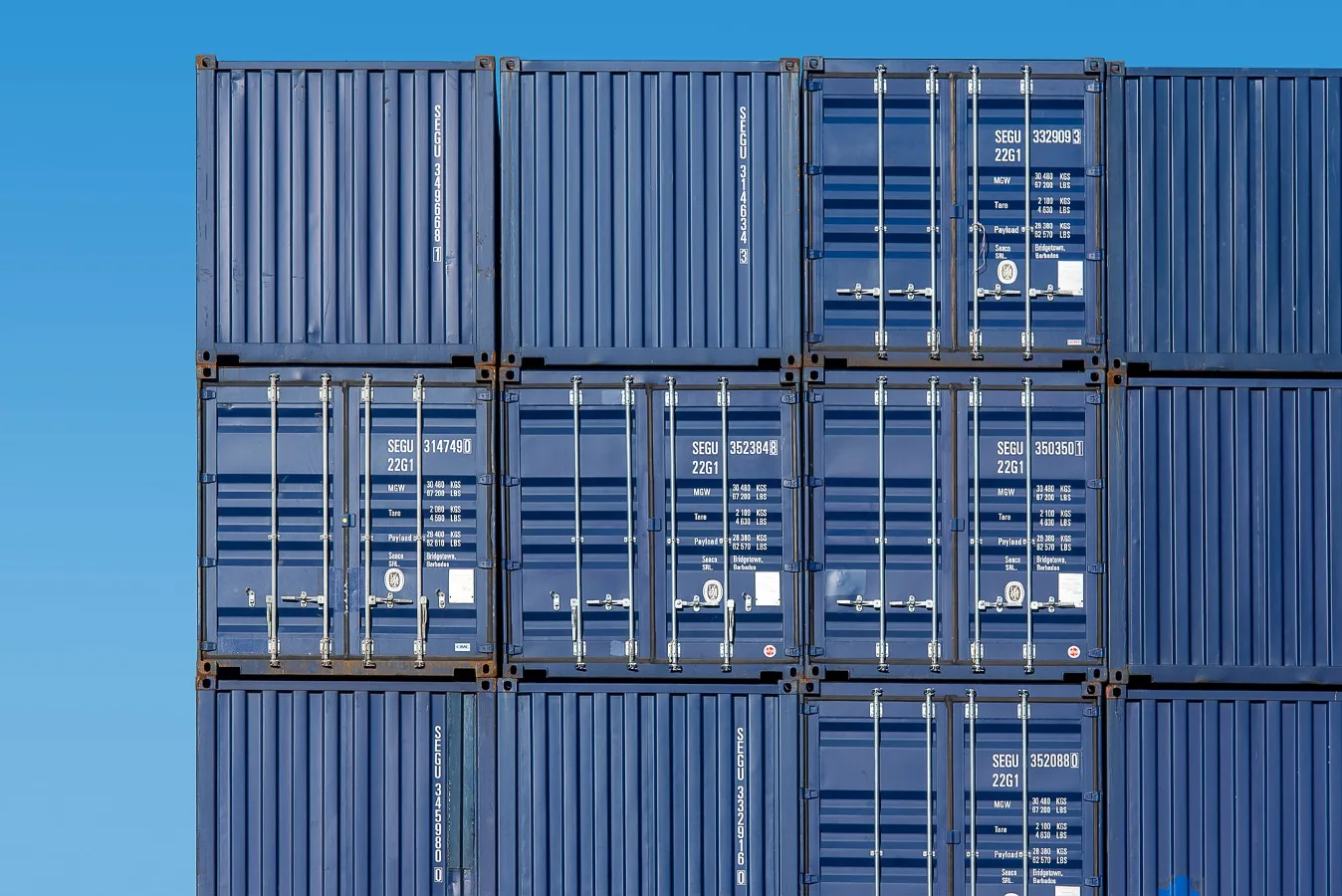
Quick answer: what a 10 foot storage container is best for
A 10 foot storage container is usually the right choice when you need secure, compact storage but do not have room for a full-size unit. It suits smaller commercial inventories, tools, seasonal materials, site equipment, and overflow storage where space is limited. small storage container options offers more detail on this point. how to choose a storage container size offers more detail on this point.
The main appeal is practical rather than dramatic: a smaller footprint, easier placement, and less wasted space than a larger container. The trade-off is obvious too. You give up capacity, so it works best when your storage needs are tight and fairly well organized.
If you are comparing options for a business, jobsite, or property with restricted access, the right question is not just whether a 10 foot container fits. It is whether it fits the way you actually store, load, and protect items.
How a 10 foot storage container compares to larger options
For many buyers, the decision comes down to fit and flexibility. A 10 foot container can be easier to place near a building, in a narrow yard, or on a crowded jobsite. That can matter more than raw capacity if access is difficult or if the storage area must stay unobtrusive.
Compared with a 20 foot or 40 foot container, a 10 foot unit generally makes more sense when your storage load is smaller or more specialized. Larger containers can be better if you expect the contents to grow, need wide staging space, or want to store bulky equipment with room to move around inside.
| Decision factor | 10 foot container | Larger container |
|---|---|---|
| Footprint | Better for tight areas | Needs more site room |
| Capacity | Best for smaller loads | Better for growing or bulky storage |
| Placement | Often easier to position | May require more clearance |
| Organization | Works well with disciplined packing | Gives more room for aisles and separation |
| Use case | Tools, supplies, overflow, seasonal items | Mixed inventory, larger equipment, long-term storage |
A common misconception is that a smaller container is always a simpler purchase. In practice, size is only one part of the decision. Door style, ground conditions, access route, ventilation, and security can matter just as much.
What to compare before you buy
For a 10 foot storage container, the most important comparison points are the ones that affect real-world use rather than brochure language. Focus on how the container will be loaded, how often it will be opened, and what you are protecting inside it.
Access and door configuration
Think through how items will enter and exit the container. If you are storing boxes, tools, or packaged goods, standard access may be enough. If you are loading awkward items, consider whether the opening style makes daily use easier. Poor access can turn a useful container into an annoyance.
Site fit and placement
A smaller container is often chosen because space is limited, but clearance still matters. You need room not only for the unit itself, but also for delivery, leveling, and opening the doors safely. Uneven ground can affect usability, especially if the container will sit in place for a long period.
Security needs
For business storage, the value of the contents often determines how much security you need. Locking hardware, durable doors, and a placement strategy that reduces visibility can all help. If the container will hold expensive tools or inventory, treat security as a core feature rather than an extra. storage container lock offers more detail on this point.
Weather exposure
Storage containers are often used because they help shield contents from wind, rain, and dust. Still, no container solves every moisture issue by itself. Sensitive goods may need elevated storage, bins, desiccants, or additional internal protection to reduce the chance of damage from humidity or condensation.
Load planning
One overlooked consideration is how you will organize the space after the container arrives. A 10 foot unit can become cramped quickly if items are packed randomly. Shelving, labeled bins, and a simple loading plan can make a compact container far more useful than a larger one that is poorly organized.
Material and build quality
Buyers often focus on size first and treat build quality as secondary. That is risky. The materials, roof condition, floor strength, door seals, and overall structural condition affect durability and long-term value. A compact container that is structurally sound can outperform a larger unit that has wear or poorly maintained components.
Where a 10 foot container makes the most sense
This size is especially practical when storage needs are defined and controlled. It tends to work well in situations where you know what is going in, how long it will stay there, and how often it will be accessed.
- Contractors and trade crews: storing tools, safety gear, and supplies close to the work area
- Small business overflow: extra inventory, packaging materials, or seasonal stock
- Property managers: maintenance supplies and turnover items
- Residential use with limited space: furniture, household items, or renovation materials
- Seasonal storage: items used part of the year and moved out later
It is less ideal when you need wide interior maneuvering room, expect frequent reconfiguration of contents, or want a buffer for future growth. In those cases, the compact size can become a constraint sooner than expected.
Common mistakes to avoid
People often make the same avoidable errors when shopping for a 10 foot storage container. The mistakes are usually less about the container itself and more about how the storage plan was framed.
- Choosing by footprint alone: a unit that fits the lot may still be awkward to use if the doors, access path, or internal layout do not match your needs.
- Underestimating storage volume: compact storage fills faster than expected, especially when items are irregularly shaped or need padding.
- Ignoring site conditions: soft ground, slopes, or poor drainage can create problems after delivery.
- Skipping organization planning: without shelves, bins, or labeling, a smaller container becomes difficult to use efficiently.
- Overlooking moisture protection: packaging alone may not be enough for items that are sensitive to humidity.
- Assuming all containers are equally secure: door hardware, lock setup, and placement all influence real security.
Another practical mistake is buying a container sized for today’s inventory without considering tomorrow’s. If your storage load is likely to grow, a 10 foot unit may still be right, but only if you are comfortable with a tighter capacity margin.
Alternatives worth considering
A 10 foot storage container is not the only way to solve a compact storage problem. Depending on your use case, a different approach may be more efficient.
- 20 foot storage container: better if you want room to grow or need more flexible interior organization
- Portable storage unit rental: useful for short-term moves or temporary project storage
- Self-storage unit: can work when you do not need on-site access
- Modular storage shed: may suit lighter-duty storage where portability is not critical
- Covered outdoor storage: sometimes enough for durable equipment that does not need full enclosure
The best alternative depends on what you are storing, how often you need access, and whether the storage needs to stay on your property. If on-site convenience matters, a container often has an edge. If the contents are modest and access is infrequent, a rented storage unit may be simpler.
How to decide if the size is right
A useful way to evaluate a 10 foot storage container is to think in categories rather than item counts. Ask yourself three questions: what must fit, how often must I get to it, and how much future flexibility do I need?
If the answer is “a defined set of items, occasional access, and little expected growth,” the size is often a strong match. If the answer includes “mixed inventory, frequent daily access, or unknown future expansion,” the compact footprint may feel too restrictive.
For commercial buyers, there is also a workflow question. A container that is slightly smaller but placed closer to where the work happens can be more useful than a larger unit that sits farther away. Convenience can matter as much as capacity.
Maintenance and care considerations
A 10 foot storage container does not require complicated upkeep, but a little attention goes a long way. Keep the area around the unit clear, inspect the door hardware periodically, and look for signs of water intrusion or settling beneath the base.
If the container is used for long-term storage, check the contents occasionally and keep vulnerable items elevated off the floor. Good packing practices reduce problems later and help you avoid opening the unit to reorganize after every seasonal change.
For businesses, maintenance should include a simple access routine. If multiple people use the container, standardize how it is locked, who has access, and how inventory is returned to its designated place. That reduces loss, clutter, and unnecessary wear.
FAQ
What is a 10 foot storage container best used for?
It is best for compact, organized storage where space is limited. Common uses include tools, overflow inventory, maintenance supplies, and seasonal items.
Is a 10 foot storage container big enough for business use?
It can be, especially for small operations or specific storage categories. It is usually best when you know exactly what needs to be stored and do not need a lot of extra room.
What should I check before placing one on my property?
Check site access, ground level, drainage, door clearance, and whether the area allows safe delivery and regular use. These details often matter as much as the container size.
What is the biggest drawback of a 10 foot container?
The main limitation is capacity. If your storage needs grow or your items are bulky, the compact size can become restrictive faster than expected.
Should I choose a 10 foot container or a larger one?
Choose the 10 foot option if space is tight and your storage needs are specific. Choose a larger container if you want more flexibility, easier organization, or room for future growth.