
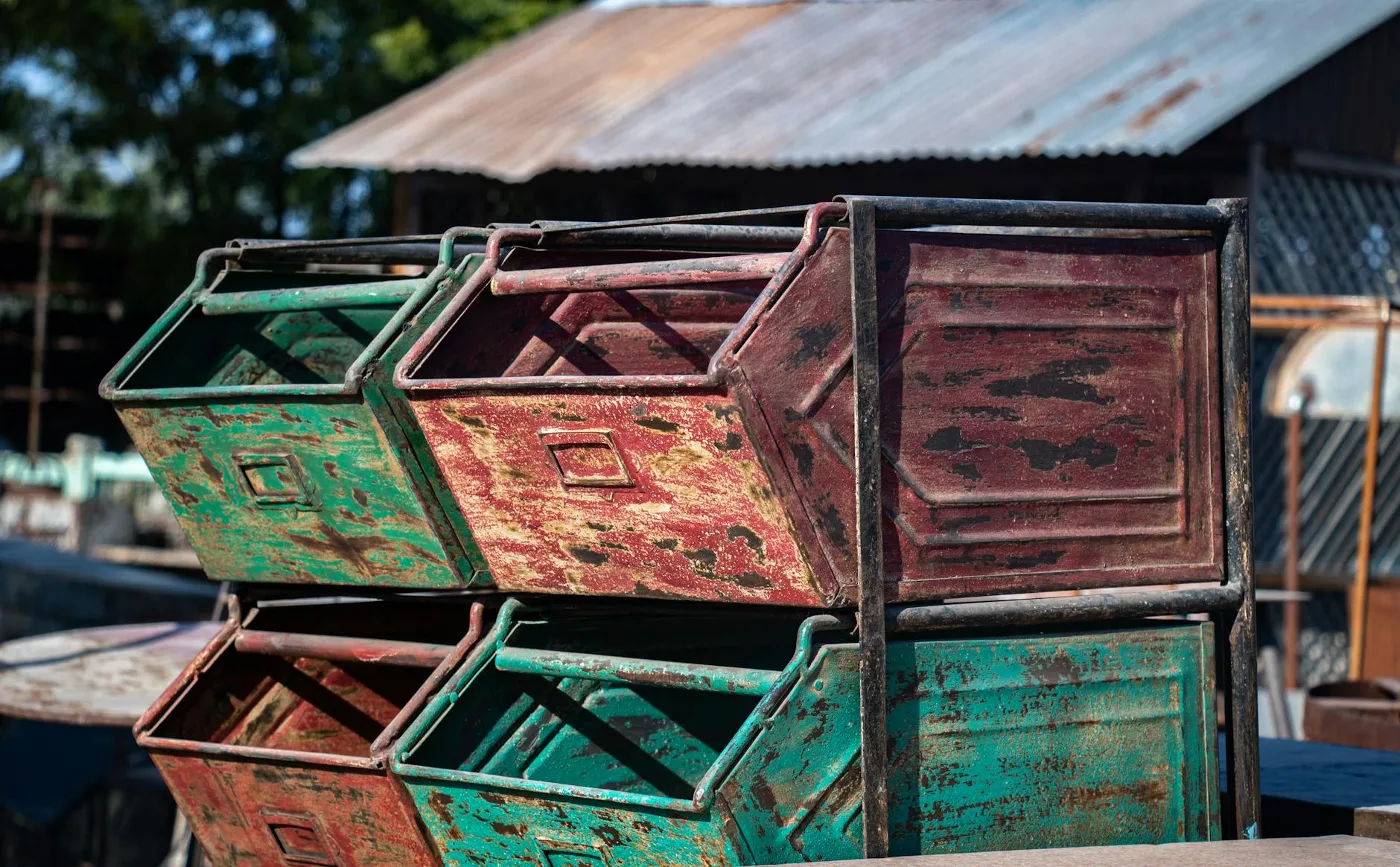
Why metal bins appeal to storage shoppers
Metal bins for storage solve a very specific problem: you want a container that feels sturdier than lightweight plastic, looks more refined than a basic tote, and can handle everyday use without collapsing under weight. That makes them especially appealing for garages, pantries, laundry rooms, closets, offices, and workshops. storage options for utility rooms offers more detail on this point.
The phrase covers a few different products. Some are open wire baskets meant for easy access. Others are solid steel bins with more structure and privacy. You will also see powder-coated finishes, galvanized finishes, and decorative metal baskets used for shelves or wall systems. Each one serves a different purpose, so the right choice depends less on style alone and more on what you need to store, where you will keep it, and how often you will reach for it.
The biggest misconception is that all metal bins are automatically better than plastic. Metal often offers better rigidity and a cleaner look, but it can also scratch floors, add weight, conduct heat or cold, and rust if the finish is not suited to the environment. Those trade-offs matter.
The main factors that actually determine the right bin
For most buyers, the best way to narrow the options is to think through a few practical dimensions rather than chase the strongest-looking bin on the shelf.
Material and finish
Metal bins are usually made from steel or wire formed into baskets, then finished with paint, powder coating, galvanizing, or another protective layer. The finish is not just cosmetic. It affects how the bin handles moisture, cleaning, scratches, and repeated handling.
Powder-coated bins often work well in living spaces because they balance appearance and protection. Galvanized metal can be useful where a tougher, utilitarian look makes sense, but the finish may not suit every room. Wire bins can be lighter and easier to see through, which helps in pantries, craft rooms, and shelf systems. Solid-sided bins conceal clutter more effectively and are often better for small items that would otherwise poke through wire openings. storage solutions for small spaces offers more detail on this point.
Durability and weight
Metal is a strong choice when you need a container that holds shape under load or stands up to repeated use. That said, a bin that is too heavy for you to lift comfortably can become inconvenient fast. For items you move often, such as laundry supplies or rotating pantry stock, the best bin is not necessarily the heaviest one.
Consider both the weight of the bin itself and the weight of the items you expect to store. A thick steel bin may be excellent for tools or bulk items, while a lighter wire bin may be more practical for everyday household use.
Size and shelf fit
Metal bins are only helpful if they fit the space they are meant to organize. Measure shelf depth, shelf opening height, and any lip or railing before shopping. This is one of the most overlooked steps, and it can determine whether a bin slides in cleanly or becomes an awkward near-fit that wastes space.
Think about usable interior dimensions, not just exterior dimensions. Handles, rolled edges, and stacked designs can reduce interior capacity even when the outside looks compact. If you are organizing shelving, a bin that is slightly shorter than the shelf height can make retrieval easier than one that uses every available inch.
Ventilation and visibility
Open wire metal bins provide airflow and quick visual access. That makes them useful for linens, toys, produce storage in the right setting, and items that benefit from ventilation. Solid bins protect contents better from dust and create a tidier look, but they make it harder to spot what is inside unless you label them clearly.
The right choice depends on whether you want fast access or a more concealed appearance. In a pantry or utility closet, visibility often wins. In a guest closet or home office, a more polished solid bin may be the better fit.
Corrosion resistance and environment
Moisture changes everything. A bin that performs well in a climate-controlled bedroom closet may not hold up nearly as well in a damp basement, garage, or laundry room. If the storage area gets humid, look closely at the coating and how exposed edges are treated.
This is where many shoppers make an expensive mistake: they buy a metal bin for its strength, then place it in a space with frequent condensation or fluctuating humidity. If the bin will live near a dehumidifier, water heater, sink, exterior door, or unconditioned garage, choose a finish that is meant to tolerate those conditions and avoid assuming all metal will behave the same way.
Best uses for metal bins by room
Metal bins are versatile, but they tend to perform best when matched to the right setting. A good fit can make a room feel calmer and more efficient without requiring a complete system overhaul.
Kitchen and pantry storage
In pantries, metal bins work well for snack packs, produce, napkins, bottled goods, and backup pantry items. Wire designs make it easy to see what is running low. Solid bins are better for concealing packaging and making shelves look more orderly.
For food storage, make sure the bin is easy to clean and does not have sharp edges or coatings that could chip with frequent use. If the bin will hold loose items, consider a liner or smaller inner containers to keep contents from shifting.
Garage and workshop storage
Garages and workshops are natural homes for metal bins because these spaces often hold heavier, dirtier, or less visually delicate items. Tools, fasteners, cords, gloves, rags, gardening supplies, and automotive accessories all benefit from a bin that can take a beating.
Open bins are especially useful here because they allow fast grabbing and easy sorting. Solid bins can help contain dust and keep small parts from scattering. If the bin will hold sharp or oily items, think about cleanup and the possibility of finish wear over time.
Closets and laundry rooms
Closets usually call for a cleaner look, so the finish matters as much as the function. Metal bins can hold scarves, accessories, folded items, cleaning cloths, or seasonal goods while giving shelves a more structured appearance.
In laundry rooms, metal bins can be useful for supplies, clothespins, and sorting items. Still, if the room is routinely damp, finish quality becomes more important than style. A bin that looks great but spots or rusts quickly will not stay useful for long.
Office and craft spaces
Metal bins can keep paper goods, notebooks, office supplies, craft materials, and cables in one place. Wire bins make it easier to see what is inside, which is helpful for creative supplies that need frequent access. Decorative metal bins can also help a workspace feel more polished than clear plastic tubs.
If your items are small, test whether they will slip through gaps or tangle in wire edges. In those cases, solid-sided bins or inner pouches may be a better solution.
What to look for before you buy
Shopping for metal bins becomes easier once you focus on how the bin will behave in daily use rather than on appearance alone.
- Edge finish: Smooth, rolled, or hemmed edges are easier on hands, shelves, and stored items.
- Handle design: Built-in handles or cutouts can make lifting simpler, especially on deep shelves.
- Stacking compatibility: Some bins stack securely; others only nest. That difference matters if you are short on space.
- Surface protection: Feet, pads, or a coated base can help protect shelves and floors from scratches.
- Cleaning needs: Choose a style you can wipe down easily if it will collect dust, crumbs, or garage grime.
- Labeling options: Solid bins often work best with labels, while wire bins may not need them.
There is also a subtle but important usability factor: access pattern. If you will reach into the bin every day, prioritize comfort and visibility. If the bin is for long-term holding of backups or seasonal items, capacity and stackability may matter more.
Metal bins versus other storage options
Metal is not always the best storage material, and understanding the alternatives can help you avoid buying the wrong thing for the job.
| Option | Strengths | Trade-offs | Best for |
|---|---|---|---|
| Metal bins | Rigid, durable, attractive, often better for heavy use | Can rust, scratch, or feel heavy; may need careful sizing | Garages, pantries, closets, offices, workshops |
| Plastic bins | Lightweight, often moisture-resistant, easy to move | Can flex, crack, or look less refined over time | General home storage, humid spaces, budget-conscious setups |
| Fabric bins | Light, soft-edged, decorative | Less durable, less protective, may sag | Closets, nurseries, light household items |
| Woven baskets | Warm appearance, flexible style | Less rigid, harder to clean, not ideal for heavy items | Living areas, guest spaces, low-weight storage |
Metal usually wins when structure matters. Plastic often wins when moisture, portability, or budget is the priority. Fabric and woven options make more sense when the bin is part of the room’s decor and the contents are light.
Common mistakes that reduce the value of metal bins
People often think the storage bin itself is the solution, but poor planning can make even a well-made bin feel frustrating.
- Buying by appearance only: A bin may look great but be too shallow, too heavy, or too awkward for the shelf.
- Ignoring humidity: Metal that works in a dry closet may not be a good fit for a damp basement or garage.
- Choosing the wrong openness: Wire bins are convenient, but they are not ideal for tiny items that can fall through or get visually messy.
- Overfilling the bin: This makes lifting harder and reduces the benefit of using a bin in the first place.
- Skipping labels: Even clear-looking storage systems get confusing when several bins look similar.
Another overlooked issue is noise. Metal bins can clink, scrape, or rattle more than softer storage materials. That may not matter in a garage, but it can be annoying in a quiet bedroom closet or office.
How to choose the right type for your space
If you want a quick decision framework, start with the space first, then the contents, then the finish.
Choose wire metal bins if you want visibility, airflow, and fast access. They are especially practical for pantry shelves, utility rooms, and garages where function matters more than concealment.
Choose solid metal bins if you want a cleaner visual line, more dust protection, or a more polished look for shelves and closets. They are also useful when small items need to stay contained.
Choose galvanized or protected finishes for tougher environments, but still confirm that the bin is appropriate for the amount of moisture present. Even durable finishes have limits.
Choose lighter-weight designs if the bin will be moved often or placed on higher shelves. Convenience matters more than ruggedness for everyday access items.
Choose heavier, more rigid bins if you are storing tools, bulk supplies, or denser items that would deform softer containers.
A practical way to think about value
Metal bins tend to make the most sense when they solve a recurring annoyance: sagging containers, messy shelves, awkward access, or an off-balance look in a visible room. Their value usually comes from structure and repeat usefulness, not novelty.
A less expensive bin that fits poorly or rusts in the wrong room is not a good value. A more suitable bin that holds shape, cleans easily, and works with your shelf system may be the better long-term choice even if it is not the cheapest option on the page. That is the kind of trade-off worth considering before buying.
If you are building out a broader storage system, metal bins can pair well with shelf labels, clear canisters, drawer inserts, and larger totes for seasonal items. Used that way, they become part of an organized layout instead of a stand-alone container you have to work around.
Making metal bins work in real homes
The best metal bins for storage are not the fanciest ones. They are the ones that suit the room, match the item weight, and hold up where you plan to use them. In a dry pantry, a wire bin may be perfect. In a garage or workshop, a tougher finish and more structure may matter more. In a closet or office, appearance and clean lines may carry extra weight. best bins for pantry organization offers more detail on this point.
That balance is what makes metal bins a practical storage category rather than a decorative one. They are at their best when they bring order without creating new problems, and that usually means paying attention to fit, finish, access, and the environment before you buy.