
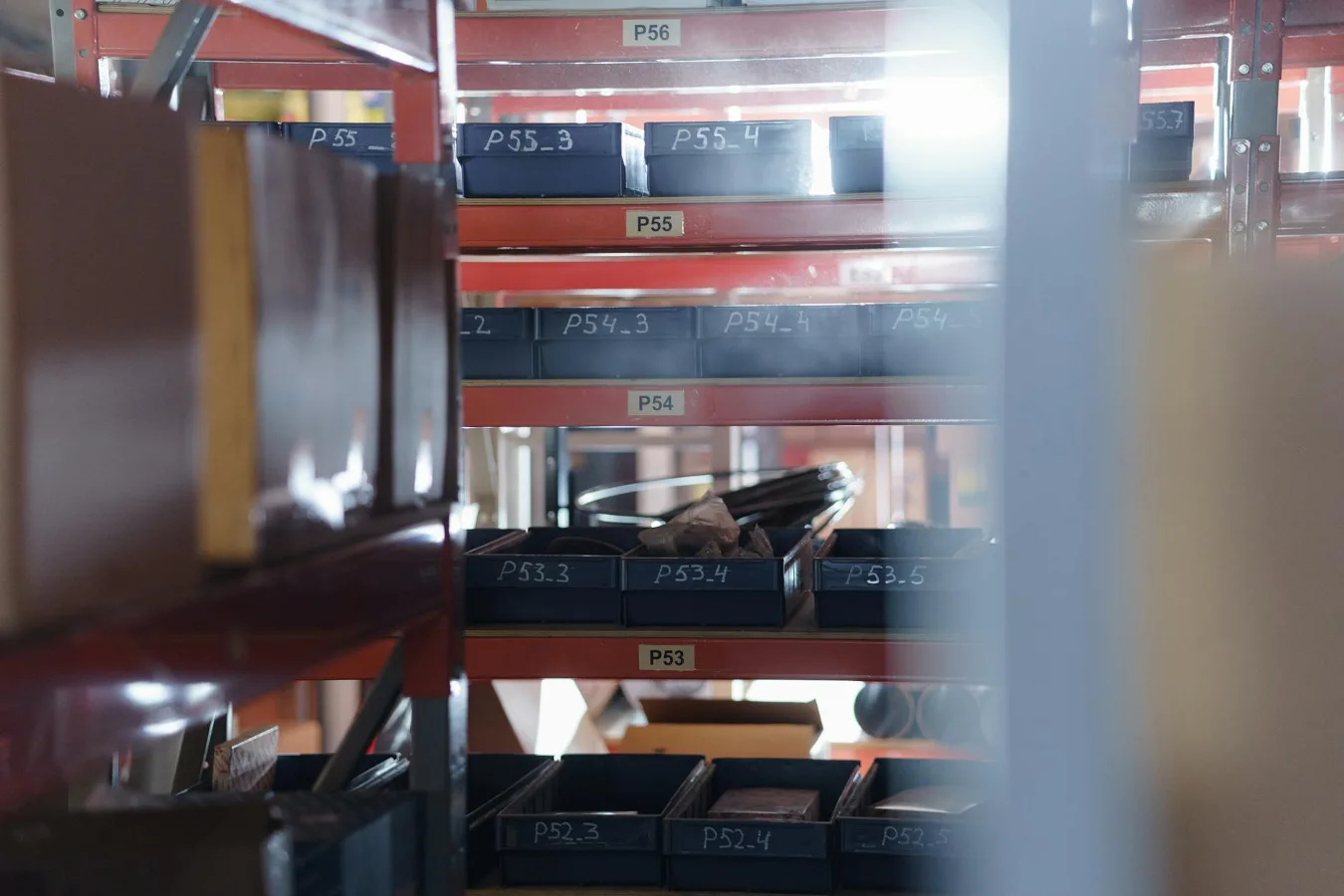
Stackable storage bins with open fronts are best for situations where you want the space efficiency of stacked storage but still need quick access to the contents. The open front lets you see, reach, and remove items without pulling the bin down or emptying the whole stack.
That simple design makes them useful for pantries, garage shelves, craft rooms, laundry areas, closets, and small parts storage. The right choice depends less on the bin itself and more on what you plan to store, how often you need access, and how stable your shelves or stack will be.
Who stackable open-front bins are best for
These bins work well for people who need visible, grab-and-go storage rather than sealed, hidden containers. They are especially helpful when the contents are used often or sorted into categories that benefit from being grouped by type. large glass storage containers offers more detail on this point.
- Pantry users who want snacks, produce, packets, or packaged goods visible at a glance
- Garage and workshop users storing hardware, fasteners, fittings, tape, or cleaning supplies
- Families trying to keep everyday items accessible for multiple people
- Craft and hobby users who need small supplies separated but easy to reach
- Closet and laundry room organizers who want shelf bins that do not require lifting lids
If your main priority is dust protection, moisture resistance, or long-term sealed storage, open-front bins may not be the best fit. They solve access problems better than they solve protection problems.
Why the open-front design matters
The main advantage is convenience. A traditional lidded bin or deep tote often becomes a container you have to move before you can use what is inside. An open-front stackable bin reduces that friction. You can keep items visible and reach into the front of the bin while it stays in place.
This design also encourages better sorting. When the contents are easy to see, it is simpler to keep like items together and avoid duplicate purchases. That is one reason these bins are popular in utility spaces and household storage systems where efficiency matters more than appearance.
There is a trade-off, though. The open face means items can spill forward if the bin is overfilled or if the stack is disturbed. It also means you may be more likely to see clutter. For some users, that visibility is a benefit; for others, it makes the space feel less tidy.
Buyer’s scenario: how to tell if this style fits your space
Before choosing stackable storage bins with open fronts, match the bin to the way the space is actually used.
Choose them if you need frequent access
If you reach for the same category of items every day or every week, open-front bins can save time and reduce annoyance. They are a good fit for items that need to stay grouped but not hidden.
Choose them if you organize by category, not by protection
These bins are most effective when each one holds a defined group: snack bars, batteries, extension cords, pet treats, markers, screws, screws by size, or similar items. The structure helps you keep categories separated without adding lids or drawers.
Choose them if shelf space is limited
Stackable bins help use vertical space more efficiently than spreading items across wide surfaces. In shallow shelves or utility cabinets, the open front keeps access possible even when the bins are stacked two or more high.
Choose a different storage style if the contents need shielding
For paper goods, textiles, seasonal decor, tools that rust easily, or anything sensitive to dust and humidity, a lidded container or enclosed drawer often makes more sense. Open-front bins are about reach and organization, not complete containment.
Material and build factors that affect usefulness
Materials and construction matter because open-front bins get handled often. The right one should feel stable when loaded and still make access easy.
Plastic is common for a reason
Many stackable open-front bins are made from plastic because it is lightweight, easy to wipe clean, and suitable for many household and storage-room uses. That said, plastics vary. Some bins feel flexible and lightweight, while others are more rigid and better suited to heavier contents.
If you expect to store dense items such as canned goods, hardware, or tool accessories, sturdier walls and a more supportive base are more important than style alone. A bin that flexes too much can be frustrating when stacked.
Look closely at the lip and stacking shape
The stackability of these bins depends on how the top and bottom are shaped. Some nest in a way that makes stacking stable but not perfectly locked. Others have a more defined interlocking edge. The more secure the connection, the less likely the stack is to shift when items are added or removed.
A small detail such as a reinforced rim can make a difference if you plan to use the bins on a higher shelf or in a busy area where they will be touched often.
Open-front angle affects access
Not all open fronts are designed the same way. Some have a deeper cutout, while others only partially open the front. A wider opening makes it easier to reach bulky items and sort through contents. A narrower opening may help keep items from sliding out, but it can also make the bin less convenient to use.
Surface finish matters for maintenance
Smoother surfaces are generally easier to wipe clean, especially in pantries, garages, and laundry rooms where dust and residue can build up. If you plan to use them around food packaging or messy supplies, easy cleaning is worth prioritizing.
Size and layout decisions that change how well they work
With open-front bins, size is not just about capacity. It affects visibility, reach, and stacking stability.
Shallow bins work better for small, frequently used items
Shallower bins make it easier to see what is inside and reach items without digging. They are often more practical for office supplies, hobby materials, snack packets, or small hardware.
Deeper bins suit bulkier categories
Deeper bins can hold more, but they also make it easier for items to get buried. If the bin is too deep for the contents, the front access loses some of its advantage. In that case, the front may still help, but you will likely need to sort items inside the bin more carefully.
Measure shelf depth and height before buying
A common mistake is choosing bins by capacity alone and then discovering they do not fit neatly on the shelf. Measure the usable shelf depth, shelf height, and the distance needed to pull items in and out comfortably. If the bins are too tall, the stack may block your line of sight or crowd the shelf above.
Think in categories, not just individual bins
One bin can work well on its own, but most spaces need a system. If you are organizing a pantry or workshop, consider whether you need a uniform set of bins, a mix of sizes, or a combination of open-front bins and closed containers. pantry bin organizing basics offers more detail on this point.
Real-world trade-offs to expect
These bins solve some storage problems very well, but they are not a universal fix. Understanding the trade-offs will help you avoid disappointment.
- Easy access vs. protection: You gain convenience, but usually give up full protection from dust and spills.
- Visibility vs. neatness: You can see what you have, but the contents are also on display.
- Stacking vs. single-bin access: Stacks save space, but the lower bins may be harder to reach if the upper bins are oversized.
- Lightweight vs. heavy-duty feel: Lighter bins are easier to move, but sturdier options may be better for dense or frequently handled contents.
Another overlooked issue is label placement. Since the front is open, labels are often more helpful on the upper edge or side rather than only on the front lip. That keeps categories easy to identify without hiding the opening.
How to organize them effectively
The best results come from assigning each bin a clear job. These bins work poorly when they become catch-alls.
- Group similar items first. Separate by function, size, or use frequency.
- Keep heavy items low. Place denser bins on lower shelves to reduce strain and improve stability.
- Use consistent categories. A bin for batteries should stay a battery bin, not a temporary overflow bin.
- Do not overfill the front opening. Leave enough space so items do not spill out when the bin is moved or bumped.
- Label for the way you shop and store. Use names that make sense to the people who actually use the space.
If multiple people use the storage area, simple categories often work better than highly specific ones. The easier the system is to understand, the more likely it is to stay organized.
Good uses and weak uses
Some storage jobs are a natural fit for open-front stackable bins. Others are better handled by a different container style.
| Good fit | Why it works | Less ideal when |
|---|---|---|
| Pantry snacks and packaged goods | Easy to see and reach items quickly | You need airtight or pest-resistant storage |
| Hardware and small parts | Keeps categories separate and visible | Items are extremely tiny or easily spilled |
| Craft supplies | Supports frequent grabbing and sorting | Supplies need dust protection |
| Laundry and utility items | Makes everyday supplies simple to access | The area is damp or messy |
| Garage shelf organization | Helps manage often-used accessories | Contents are heavy, dirty, or moisture sensitive |
Common mistakes to avoid
The most common mistake is buying bins that look uniform but do not match the storage task. A visually tidy set can still be awkward to use if the opening is too small or the depth is wrong.
Another mistake is stacking them too high without considering reach. Open-front bins can encourage vertical stacking, but the top bins may become the only ones that are easy to access. If you need every level to stay usable, keep the system within comfortable reach.
People also tend to underestimate how quickly open bins can become cluttered. If the contents are loose, mixed, or awkwardly shaped, the front opening does not automatically create order. Dividers, smaller sub-bins, or stricter category limits may be necessary.
Finally, do not assume all plastic bins are equally durable. Wall thickness, rim support, and overall rigidity matter more than appearance alone, especially in garages, workshops, and other high-use spaces.
Alternatives worth considering
If open-front stackable bins do not quite fit your needs, a few other storage styles may work better.
- Drawer bins: Better when you want containment and a cleaner look, especially for small parts.
- Lidded stackable bins: Better for dust control, storage rotation, and seasonal items.
- Wire shelving with baskets: Useful when airflow and visibility matter, though items may not be as neatly contained.
- Clear tote bins: Helpful when you want visibility plus more complete protection.
- Divided organizers: Best for very small items that would otherwise mix together.
The right choice depends on whether you value access, containment, visibility, or protection most. Open-front bins usually win on convenience, but not always on long-term storage control.
Next steps before you buy
Start by identifying the exact category you want to store, then check the shelf or cabinet space where the bins will live. After that, think through how often you need to access the contents and whether the items need to stay covered.
If the goal is fast access on a shelf, stackable storage bins with open fronts are often a smart choice. If the goal is better protection or more rigid containment, another container style may serve you better. The best system is the one that fits the items, the space, and the way you actually use the room. open shelf storage ideas offers more detail on this point.
For broader storage planning, it also helps to compare these bins with other shelf organizers, pantry containers, and modular storage options so each area of the home gets the right level of access and protection.