
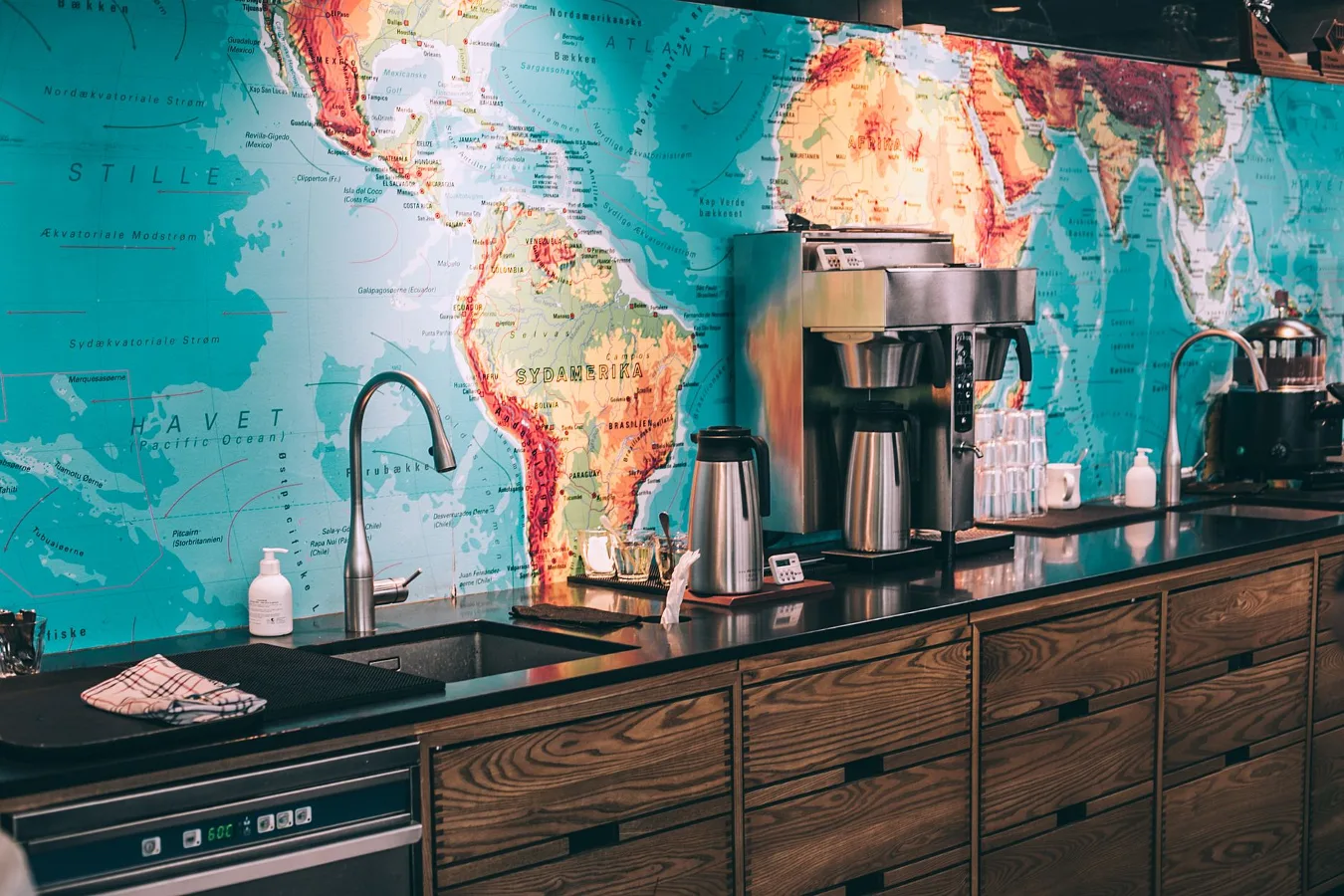
A plumbed coffee maker is a coffee machine that connects directly to a water line, so you do not have to refill a reservoir by hand. For many households, offices, and hospitality spaces, that single feature changes the whole experience: fewer interruptions, more consistent availability, and less daily upkeep. The trade-off is that you need to think more carefully about installation, water quality, and whether the machine’s capacity matches how you actually drink coffee.
If you are comparing plumbed coffee makers for a home kitchen or a shared space, the real question is not just whether the machine brews coffee well. It is whether the convenience of direct water hookup is worth the added planning. For the right buyer, it is. For others, a standard reservoir model is simpler and easier to live with.
What a plumbed coffee maker solves
The appeal is straightforward: a direct water connection reduces one of the most common friction points in coffee brewing. No refilling, no carrying pitchers, and no stopping mid-routine because the tank ran dry. That matters most if you brew often, serve multiple people, or dislike appliance maintenance that feels repetitive.
Plumbed coffee makers are especially attractive in settings where coffee is used throughout the day rather than in one morning session. They also make more sense when the appliance is positioned in a permanent spot, since the hookup is part of the installation rather than a temporary setup. coffee appliance installation considerations offers more detail on this point.
That convenience comes with a practical reality: once the machine is tied to plumbing, you are planning around both the appliance and the space around it. Sink proximity, shutoff access, and filter placement all matter more than they would with a regular countertop brewer.
Key factors that matter before you buy
Installation and plumbing access
The first question is not brand or brew style. It is whether your kitchen or break room can support a water line connection. Some setups can tie into an existing supply line with relatively straightforward installation, while others may need more planning for location, valve access, or professional help. If the space is rented, shared, or frequently rearranged, that alone can make a plumbed model less practical.
Also consider the appliance’s physical footprint. A plumbed coffee maker may look similar to a standard machine from the front, but the rear clearance, tubing route, and service access can affect where it can actually go. A machine that looks compact on paper may still be awkward if the hose path is tight or the cabinet depth is limited.
Water quality and filtration
Water quality is one of the most overlooked parts of choosing a plumbed coffee maker. Since the machine draws from the same water source every day, mineral content can influence taste, cleaning frequency, and internal scale buildup. In areas with hard water, filtration becomes less of a luxury and more of a practical necessity.
Some models work best with a dedicated filter system or inline filtration setup. Others rely on built-in filtration or treat water quality as the user’s responsibility. Either way, you should think beyond brewing and ask what happens inside the machine over months and years. Water that tastes fine at the tap can still create maintenance issues inside a coffee appliance.
A common misconception is that plumbing a coffee maker automatically makes coffee taste better. It only removes manual refilling. Taste still depends on bean quality, grind consistency, brew temperature, and water chemistry.
Daily volume and household habits
Plumbed coffee makers make the most sense when coffee demand is steady. If your household or office drinks several cups throughout the day, the convenience adds up quickly. If you only brew once or twice a week, the benefit is much smaller, and a reservoir machine may be easier to justify.
Think about how the machine will be used, not just how much coffee it can make at one time. A machine with a large carafe may still feel inconvenient if it needs constant cleaning or if the water connection is overkill for occasional use. On the other hand, a frequently used machine with an automatic water supply can feel more efficient than a simpler model that keeps running dry.
Brew format and use-case fit
Plumbed coffee makers come in different formats, including drip coffee systems, built-in espresso machines, and commercial-style units. The right choice depends on whether you want straightforward brewed coffee, espresso-based drinks, or a machine that can serve both. built-in coffee maker basics offers more detail on this point. miele built in coffee maker offers more detail on this point.
For many buyers, the most useful distinction is not between brands but between use cases. A household that mainly wants reliable morning coffee has different needs from a design-conscious kitchen that wants a built-in appliance, and both are different again from an office that needs continuous output without staff refilling tanks.
Maintenance requirements
Direct water connection reduces one kind of maintenance but does not eliminate upkeep. You still need to descale, clean brew components, replace filters if the system uses them, and keep the exterior and drip area sanitary. In fact, because the machine is used more consistently, maintenance discipline matters more, not less.
Another practical nuance is access. If the machine is installed under cabinetry or in a tight alcove, simple tasks like reaching valves, replacing tubing, or removing panels for service can become inconvenient. A machine that is easy to operate every day but difficult to maintain is rarely a good long-term purchase.
Where plumbed coffee makers make the most sense
These machines are strongest in spaces where coffee is part of the infrastructure rather than a casual countertop habit. That includes busy family kitchens, offices, conference rooms, break areas, and homes with dedicated coffee stations. They are also appealing for buyers who value a cleaner routine and want to reduce small daily chores.
They can also be a smart choice for people who want a more permanent, built-in aesthetic. In a well-planned kitchen, a plumbed coffee maker can integrate neatly with other appliances and reduce visual clutter from pitchers, carafes, or frequent tank refills.
But permanence is part of the decision. If you move often, remodel frequently, or prefer appliances you can replace without much disruption, a water-line-connected model can feel like more commitment than convenience.
Common drawbacks to consider honestly
- Less flexibility: Once installed, the machine is tied to the location and plumbing setup.
- Higher planning burden: You may need to think about water supply, shutoff access, and installation support.
- More dependence on water quality: Hard water and sediment can affect maintenance and performance.
- Potentially higher service complexity: Repairs may involve the appliance and the water connection, not just the machine itself.
- Overkill for light use: If you brew occasionally, the convenience may not justify the added complexity.
None of these are deal-breakers on their own. They just mean the machine should fit the way you actually use the space.
Alternatives worth considering
If you like the idea of convenience but do not want plumbing work, a large reservoir coffee maker may be the simplest alternative. It still supports multiple cups and less frequent refilling, while keeping the machine portable and easier to replace.
For smaller spaces, a single-serve brewer or a compact drip machine may be a better fit, especially if coffee needs are modest. These options trade some convenience for simplicity and lower installation demands.
If you are drawn to the built-in look, consider whether a countertop model with a permanent station might satisfy the same goal without requiring a water line. Sometimes the right answer is not a plumbed machine at all, but a better-organized coffee area.
How to choose the right one
Start with the space, then work backward to the machine. Ask whether there is a practical water source, whether the machine will live in one place long term, and whether your coffee routine is busy enough to benefit from an automatic supply.
Then compare the machine’s brewing style, cleaning requirements, and support for water treatment. If the model is meant for high-frequency use, look for sensible maintenance access and a setup that will not become annoying over time. If the appliance is more decorative than functional, make sure it still fits your real drinking habits.
A useful way to narrow the field is to separate must-haves from nice-to-haves. For example, a built-in appearance may be appealing, but easy service access may matter more. A large brew capacity may sound ideal, but if the coffee is usually consumed by one or two people, a simpler machine may be the better long-term choice.
Practical buying guidance by buyer type
For busy households
Look for a plumbed coffee maker that can keep up with repeated use, is straightforward to clean, and does not require constant babysitting. A reliable water supply is useful only if the rest of the machine is easy to live with.
For offices and shared spaces
Ease of use and maintenance matter more than specialty features. Shared appliances tend to suffer when cleaning steps are complicated or unclear, so a model with simple access and predictable upkeep is usually the safer choice.
For design-focused kitchens
Measure carefully and think about integration. The goal is not just to install a coffee machine, but to make it feel intentional within the layout. A well-placed plumbed brewer can look sleek; a poorly planned one can dominate the counter.
For coffee enthusiasts
Pay attention to the brew system, temperature control, water treatment options, and whether the machine supports the drinks you actually make. A permanent water connection is useful only if the brew quality and control level are also there.
Common mistakes shoppers make
- Buying for convenience alone: People sometimes focus on the no-refill benefit and ignore installation and maintenance.
- Underestimating water quality: Skipping filtration planning can lead to avoidable upkeep issues.
- Ignoring service access: Tight cabinetry or awkward placement can make routine care frustrating.
- Choosing too much machine for the use case: A high-capacity system is not always the best fit for a light coffee drinker.
- Assuming all plumbed models are alike: Brew style, serviceability, and cleaning needs vary widely.
Decision guidance
A plumbed coffee maker is a good buy when your coffee routine is frequent, your space supports a permanent installation, and you want to reduce daily refilling. It is less compelling when you need flexibility, have limited access to plumbing, or drink coffee too casually to benefit from the setup.
If you are still undecided, compare three questions side by side: how often you brew, how permanent the location is, and how much maintenance you are willing to accept. If all three point toward a fixed, high-use coffee station, a plumbed machine can be a smart long-term choice. If even one of those factors is uncertain, a reservoir model may be the more practical option.
That balance is what separates a useful upgrade from an expensive inconvenience. The best plumbed coffee maker is not simply the one with the most features. It is the one that fits your layout, your water quality, and the way coffee actually gets used in the space.