
Quick answer: which one should you choose?
If you want the simplest answer, choose a slow cooker for convenience and long, unattended cooking, and choose a Dutch oven for better browning, more control, and richer texture. The better tool depends less on the recipe title and more on how you want the food to cook.
A slow cooker is usually the easier choice for busy schedules, especially for soups, shredded meats, and bean dishes. A Dutch oven is often the better choice when you want to sauté, sear, reduce, or move from stovetop to oven without changing pots. For many cooks, the right answer is not one or the other, but which limitation matters least in your kitchen. crock pot slow cooker 5qt offers more detail on this point.
Where each one fits best
These two tools overlap, but they are not interchangeable in every practical sense. A Dutch oven is heavy, oven-safe cookware—often cast iron with an enamel coating—built for even heat, browning, and long simmering. A slow cooker is a countertop appliance designed to hold a steady low temperature over hours with minimal attention. guide to oven-safe cookware offers more detail on this point. best cookware for braising offers more detail on this point.
That difference shapes the final result. A Dutch oven can create more layered flavor because it lets you brown ingredients first and finish the dish in the same vessel. A slow cooker usually favors convenience, moisture retention, and simple preparation. For many recipes, that trade-off is the whole decision.
Buyer scenario: which cook fits which tool?
Choose a Dutch oven if you want more control
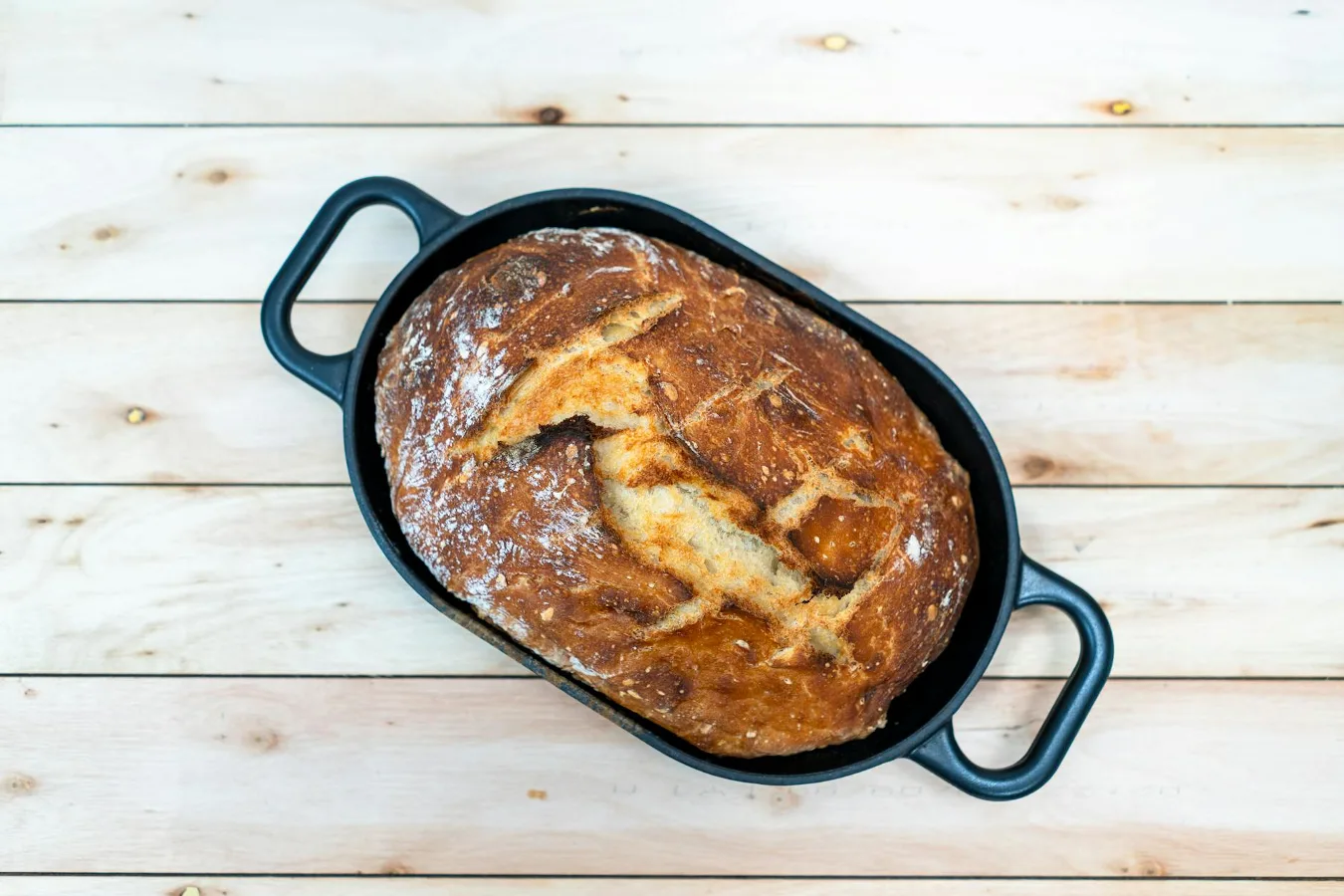
A Dutch oven makes sense if you like cooking in stages. You can sear meat, soften onions, add liquid, then transfer the pot to the oven for braising. That workflow is useful for stews, pot roast, chili, baked beans, crusty bread, and any dish where flavor develops through evaporation and browning.
It also works well if you prefer a single sturdy pot that can handle soups, sauces, deep frying, and oven baking. If your kitchen setup is small and you want one versatile vessel, a Dutch oven often earns its space.
Choose a slow cooker if convenience matters most
A slow cooker is better when your priority is hands-off cooking. It is especially useful on workdays, during meal prep, or whenever you want dinner ready without monitoring the stove. Once the ingredients are in, the appliance does the rest.
It is also a practical option for recipes that benefit from gentle heat and moisture, such as pulled pork, chicken thighs, meat sauces, broth-based soups, and dips. If your main concern is freeing up time and attention, the slow cooker usually has the edge.
Trade-offs that actually matter
Texture and browning
The biggest difference between a Dutch oven and a slow cooker is not just convenience. It is texture. A Dutch oven can brown meat and vegetables directly on the stovetop, which builds fond and deeper flavor before the liquid goes in. That step can make braises and stews taste more complete.
A slow cooker does not brown in the same way. Some models have a sauté function, but many do not, and even when they do, the browning is usually less effective than on a stovetop. If you want a more caramelized, layered result, the Dutch oven is usually the stronger tool.
Moisture retention
A slow cooker excels at holding moisture. Its tight-fitting lid and low, steady heat reduce evaporation, which can be helpful for leaner cuts and broth-based dishes. This also makes it forgiving if you need to leave the kitchen for several hours.
A Dutch oven retains moisture well too, but it gives you more control over how much liquid stays in the pot. That can be useful if you want a stew that thickens naturally or a braise that reduces into a more concentrated sauce. The downside is that it takes more attention to avoid over-reduction.
Timing and flexibility
Slow cookers are forgiving in one sense and rigid in another. They are forgiving because they do the work for you, but they are less flexible if dinner plans shift. Leaving food on too long can lead to soft vegetables, dry edges on some meats, or a texture that feels overdone.
A Dutch oven is more responsive. You can adjust heat, check progress, stir, reduce the liquid, or finish the dish sooner. That flexibility is valuable if your schedule changes or if you want to fine-tune the consistency before serving.
Energy and kitchen setup
A slow cooker uses countertop space and requires an outlet, which is fine for many homes but less ideal in crowded kitchens. A Dutch oven takes no extra appliance storage, but it does require a stove and sometimes an oven, plus more active supervision.
If your kitchen is already crowded, a Dutch oven can be easier to justify as a multi-use tool. If you cook while working, studying, or managing other tasks, the slow cooker may be the more realistic fit.
Material and spec factors to think through
Dutch oven material and weight
Most Dutch ovens are made from cast iron, often with an enamel finish. That combination gives excellent heat retention and good all-around versatility, but it also makes the pot heavy. Weight matters more than many shoppers expect, especially when the pot is full of liquid.
If you plan to move the pot from stovetop to oven or carry it to the table, consider the lid, handles, and overall balance. Enamel can also chip if the pot is handled roughly, so it rewards careful use and proper storage. Plain cast iron has different care needs, while enameled cast iron is easier for many people to maintain but still needs gentle handling.
Slow cooker size and insert material
Slow cookers vary in capacity, shape, and insert material. The size you need depends on how many servings you usually make and whether you cook roasts, soups, or casseroles. A shape that suits one recipe may be awkward for another. For example, a round model may be fine for soups, while an oval shape can better fit larger cuts of meat.
Many slow cooker inserts are ceramic or stoneware, which generally hold heat well but should be handled carefully to avoid cracking. Removable inserts can make serving and cleaning easier. If cleanup is a major concern, that may matter more than extra features you may never use.
Heat source and cooking control
A Dutch oven depends on your stove or oven for heat, which means you can usually fine-tune the cooking environment. That is valuable for simmering sauces, reducing liquids, or shifting from stovetop searing to oven braising.
A slow cooker uses preset low and high settings, which are convenient but not especially precise. This simplicity is part of its appeal. Still, if your recipes depend on exact texture, a Dutch oven may offer a better fit because you can intervene when needed.
Cleanup and maintenance
Cleanup is often easier with a slow cooker, especially if the insert is removable and dishwasher-safe. Even so, not every insert or lid is equally easy to clean, and long-cooked sauces can still leave residue around the rim.
A Dutch oven may require more care, particularly if it is enameled or if you want to preserve seasoning on plain cast iron. It is not difficult to maintain, but it does reward attention. If you prefer simple cleanup above all else, the slow cooker usually wins.
Recipe types: what each one does better
Better in a Dutch oven
- Beef stews and braises that benefit from browning
- Soups and chili that need reduction or thicker texture
- Recipes that start on the stovetop and finish in the oven
- Bread or baked dishes that need oven heat
- Sauces that need stirring and adjustment
Better in a slow cooker
- Shredded chicken or pork for tacos and sandwiches
- Broth-based soups you want ready later in the day
- Beans and lentils that simmer for hours
- Dips or party foods that need to stay warm
- Meal-prep recipes that can cook unattended
One overlooked consideration is how a recipe changes after the lid goes on. A slow cooker traps moisture so effectively that some dishes can taste flatter unless they include enough seasoning and aromatic ingredients at the start. A Dutch oven, by contrast, gives you more chance to taste and correct as you go. That can make a noticeable difference in home cooking, especially with simple ingredients.
Common mistakes people make when comparing them
One common misconception is that a slow cooker is always the better choice for any recipe involving low heat. That is not true. If the dish benefits from browning, evaporation, or a tighter handle on texture, the Dutch oven is usually better.
Another mistake is assuming a Dutch oven is only for stovetop braises. It is much more versatile than that. You can use it for soups, skillet-style cooking, baking, and even as a serving vessel. That versatility often gets overlooked in comparison guides.
A third mistake is choosing based only on convenience without considering the actual dish. If you want a roast with stronger flavor and a thicker sauce, a Dutch oven may require more work but deliver a more satisfying result. If you want dinner to cook while you are away, the slow cooker is the more practical tool even if the final texture is a little softer.
How to decide for your kitchen
If you cook mostly on weekends, enjoy adjusting dishes as they simmer, and want one pot that can handle a wide range of techniques, a Dutch oven is usually the stronger investment. It is especially useful for cooks who value texture, browning, and flexibility.
If your schedule is tight, you often prep in the morning, or you want the least amount of active cooking time possible, a slow cooker is the more convenient option. It is especially helpful for families, meal preppers, and anyone who needs dinner to wait on them rather than the other way around.
If you can only choose one, think about your most common problem. If your problem is time, choose the slow cooker. If your problem is flavor development and cooking control, choose the Dutch oven.
Practical next steps
Before buying either one, look at the meals you actually make. If your rotation includes braises, stovetop-to-oven recipes, and soups that benefit from reduction, a Dutch oven will likely see more use. If you rely on dump-and-go dinners, shredded meats, and all-day cooking, a slow cooker will probably fit your routine better.
If budget or storage is tight, start with the tool that solves the most frequent problem in your kitchen. A Dutch oven can double as a soup pot, braising vessel, and baking pot. A slow cooker can simplify weeknight dinners and help you cook while doing something else. Both are valuable, but for different reasons.
For many home cooks, the smartest path is not choosing the “best” one in the abstract. It is matching the tool to the way you eat, the recipes you repeat, and how much attention you realistically want to give dinner.