
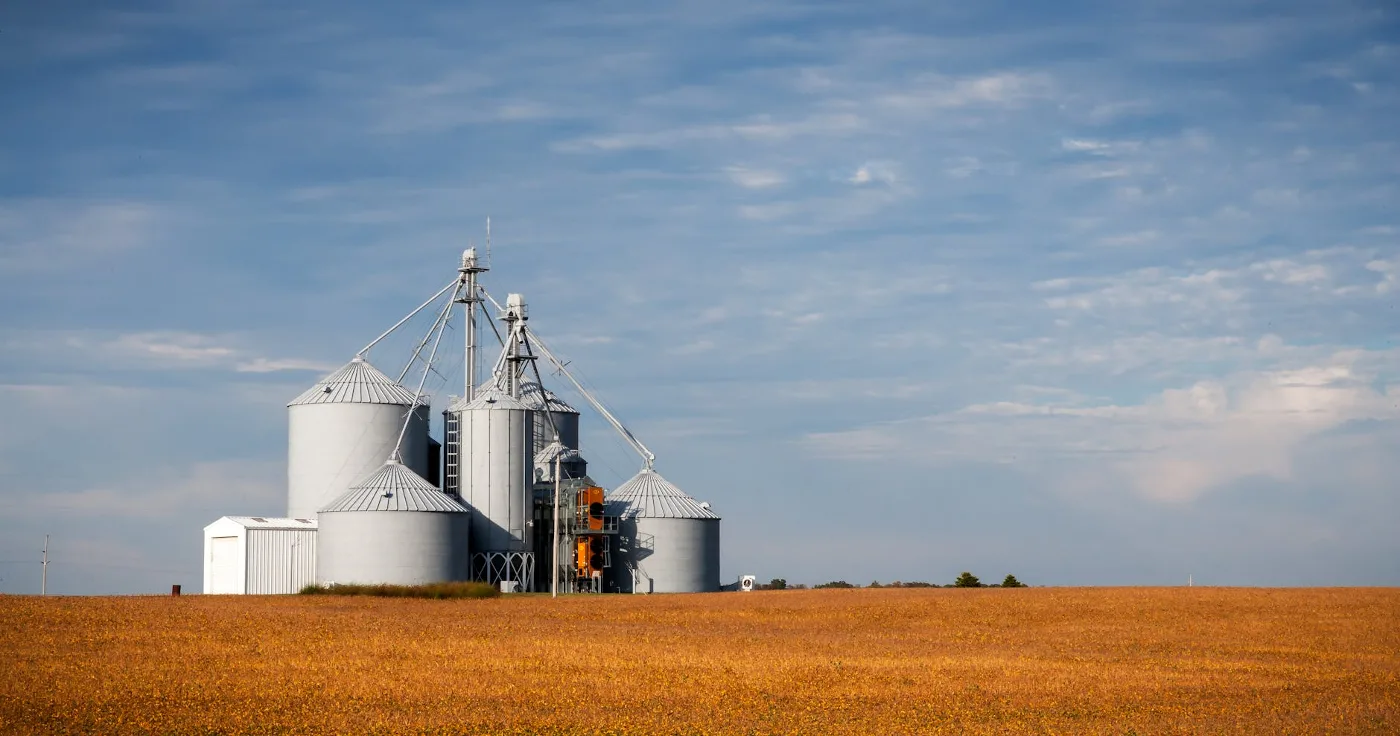
Feed storage bins are containers designed to keep animal feed protected, organized, and easier to access. The best option depends on what you’re storing, where the bin will sit, and how often you need to refill or dispense feed. how to organize a storage room offers more detail on this point.
For most buyers, the real decision is not just which bin looks sturdy, but which one fits the way feed is actually used day to day. A bin that works well for pet kibble may be a poor fit for poultry mash, horse grain, or bulk livestock feed. The details matter: moisture exposure, pest pressure, lifting limits, cleaning needs, and whether you need quick scoop access or sealed long-term storage. choosing moisture-resistant storage options offers more detail on this point. container materials compared for long-term storage offers more detail on this point.
Start with the use case, not the container
The right feed storage bin depends on the scenario. A small kennel, a backyard coop, a barn aisle, and a commercial feed room all create different demands. If you start by matching the bin to the setting, the short list gets much easier.
For household or small-scale use, convenience often matters most. You may want a bin that is easy to open, easy to clean, and compact enough to fit in a utility room or garage corner. For farms or larger setups, the priorities usually shift toward capacity, durability, stackability, and resistance to moisture and pests.
A common misconception is that any large plastic container will do. In practice, feed storage is more demanding than generic storage. Feed can absorb odors, attract pests, and lose quality if it sits in a damp or poorly sealed container. If the bin is hard to access, people also tend to leave the lid open or skip cleaning, which defeats the purpose.
What buyers usually need from feed storage bins
Most people are trying to solve a mix of problems at once:
- keep dry feed away from moisture
- reduce access for rodents, insects, and other pests
- make feeding faster and less messy
- store bulk feed in a predictable, organized way
- keep different feeds separated and labeled
- make cleaning and refilling manageable
That mix is why feed storage bins are less about one feature and more about how the full setup works together. A bin with excellent sealing may be annoying if it is too heavy to move. A lightweight bin may be easy to handle but less reliable around pests or humidity. The best choice balances protection, access, and maintenance.
Material choices: where the real differences show up
Material is one of the most important factors because it affects durability, odor retention, cleaning, and resistance to weather or impact.
Plastic bins
Plastic is common because it is lightweight, easy to rinse, and often more affordable than metal. It can work well for many indoor storage situations, especially when feed is kept dry and the bin is used frequently.
The trade-off is that not all plastics behave the same. Some are more rigid and durable than others, and cheaper containers may flex, crack, or wear at the lid over time. Plastic can also retain odors if feed residues build up. If you choose plastic, pay attention to the quality of the lid fit, the thickness of the walls, and whether the bin is intended for food or feed storage.
Metal bins
Metal storage bins tend to feel more rigid and can be a strong choice where pest resistance and durability are priorities. They may suit garages, barns, or utility areas where containers see rougher handling. A well-designed metal bin can also hold up better against gnawing pests than a thin plastic one.
That said, metal brings its own concerns. Depending on the design and environment, it may be heavier, noisier to use, and more prone to corrosion if exposed to moisture. If the bin will sit in a damp barn or an unconditioned space, the finish and construction matter a great deal.
Stackable or modular containers
Stackable storage bins are useful when the storage area is tight or when you keep different feed types separate. They can improve organization and reduce clutter, especially in feed rooms or utility spaces with limited floor area.
The practical limitation is stability. Stacking only works well if the bins are designed for it and if the contents do not make them awkwardly top-heavy. A taller stack can be efficient, but only if you can safely reach the lower units and remove them without dumping feed or straining your back.
Capacity should match how often you actually refill
Choosing capacity is more about workflow than volume alone. A bin that is too small creates constant refilling. A bin that is too large can lead to stale feed, awkward handling, and storage problems if you do not go through it quickly enough.
Think through these questions:
- How often do you buy feed?
- How quickly do you use it?
- Do you need one large bin or several smaller ones?
- Will different animals need different feed types kept separate?
Smaller bins are often easier to move, clean, and monitor. Larger bins can be more efficient for bulk storage but may be harder to scoop from or lift into place. If you have multiple users, smaller labeled bins can also reduce mistakes, especially when feeds look similar.
An overlooked consideration is the actual dispensing method. If you scoop feed daily, you need an opening large enough for comfortable access. If you dump feed from bags, the lid opening and container shape become more important than raw capacity alone.
Sealing, moisture control, and pest resistance
Feed quality is vulnerable to poor storage conditions. Moisture can cause clumping, spoilage, and odor problems. Gaps or loose-fitting lids can invite rodents or insects. That is why the seal matters as much as the bin itself.
Airtight storage is useful, but the term can be misleading in marketing. What matters is whether the closure is secure enough for your environment and whether it remains secure after repeated opening and closing. A lid that seals well on day one but becomes loose with regular use may not be practical in the long run.
If pests are a serious concern, consider the whole environment, not just the container. Bins placed against walls, near open doors, or directly on damp floors can still be vulnerable. Elevating containers slightly, keeping the area clean, and avoiding spilled feed around the bin can make a noticeable difference.
Moisture control also depends on storage location. A sealed bin in a humid barn may still need additional care if the room itself is damp. In that setting, the container is only one layer of protection.
Ease of use matters more than buyers expect
Many feed bins look practical until they are used every day. Small design details have a large effect on whether the bin remains useful or becomes a nuisance.
Look for:
- wide openings for scooping or pouring
- lids that open smoothly and close securely
- handles or grips that make moving the bin easier
- clear visibility of contents, if labeling alone is not enough
- surfaces that can be wiped or rinsed clean
If the bin is difficult to open with one hand, too tall for comfortable scooping, or awkward to clean around corners, it may slow down feeding routines. That is especially important in busy barns, kennels, and co-op style setups where the same container may be used by several people.
Cleaning and long-term maintenance
Feed storage bins need routine cleaning, even when the feed itself is dry. Dust, residue, and fine particles can collect in corners and around lids. Over time, that buildup can affect smell and attract pests.
The easiest bins to maintain are the ones with simple surfaces and minimal seams. Smooth interiors are easier to wipe down, and removable lids are easier to inspect. If a bin has moving parts, hinges, or seals, check whether those components can be cleaned without taking the container apart.
Another practical nuance: some feed types leave more residue than others. Pellets, crumbles, and powdered feed can behave differently inside a container, so a bin that works well for one product may need more frequent cleaning for another. If you rotate feed types, cleaning between uses becomes more important.
Where the bin will live should shape the purchase
Location changes the equation. An indoor pantry, a garage, a barn, and an outdoor covered area each put different stress on the container.
- Indoor utility spaces usually favor compact, tidy bins that are easy to access and wipe down.
- Garages and barns often require tougher materials and better pest resistance.
- Humid or unconditioned spaces make moisture protection more important than appearance.
- Outdoor covered areas demand extra attention to weather exposure and how the lid handles temperature shifts.
If the bin will be dragged across rough floors or moved frequently, check the base and handle design. If it will stay in one place, stability and airtightness may matter more than portability.
Common mistakes that lead to regret later
People often choose feed storage bins based on size alone, then run into problems with the way the bin actually functions. The most common missteps are surprisingly practical.
- buying a bin that is too tall to scoop from comfortably
- choosing a container with a lid that is hard to reseal consistently
- ignoring how much space is needed to open the bin fully
- mixing different feeds in a way that causes contamination or confusion
- placing the bin directly on a damp floor
- forgetting to label bins when several look similar
- assuming a large container will automatically keep feed fresher longer
That last point deserves emphasis. Bigger is not always better. If feed sits too long, even a good container cannot solve freshness issues. The best storage plan keeps the feed moving at a sensible pace.
Alternatives worth considering
Feed storage bins are not the only option. Depending on your setup, another storage method may work better.
Sealed lidded tubs can be a good fit for smaller amounts of feed or pet food, especially where portability matters.
Galvanized metal cans may suit users who want a tougher container for smaller quantities and are less concerned about capacity.
Wall-mounted or shelf-based storage can help in tight spaces, although it usually works better for accessories and smaller bags than for bulk feed.
Original feed bags inside a secondary bin may be useful for some users who want to keep product labeling visible while still adding a layer of protection. This approach can help with rotation, though it is not as tidy or secure as a purpose-built bin.
The best alternative depends on whether your main goal is pest protection, organization, portability, or simple convenience.
How to narrow the field before you buy
If you are comparing feed storage bins, use a short checklist instead of focusing on one feature:
- Match the bin to the feed type and how fast you use it.
- Check whether the space is dry, humid, indoor, or exposed.
- Decide whether pest resistance or portability matters more.
- Look at opening size, lid design, and cleaning access.
- Think about whether you need one large container or several smaller ones.
- Confirm that the bin fits the storage area with room to use it comfortably.
This approach helps prevent a common buying mistake: choosing a bin that looks right online but slows down your routine in real life.
Next steps for a better storage setup
Once you choose a feed storage bin, the surrounding setup matters almost as much as the container itself. Keep the area clean, label each bin clearly, and store feed off the floor where possible. If you use multiple bins, assign each one a specific feed type so you do not mix products by accident.
For buyers building out a larger storage area, feed bins can also be part of a broader organization plan. Think about shelf space, scoops, measuring containers, and how often deliveries arrive. A good bin should make the whole routine simpler, not just hold product.
If you are choosing between several styles, the best one is usually the container that matches your storage conditions, fits your daily workflow, and stays easy to maintain. That combination matters more than any single feature on a product page.