
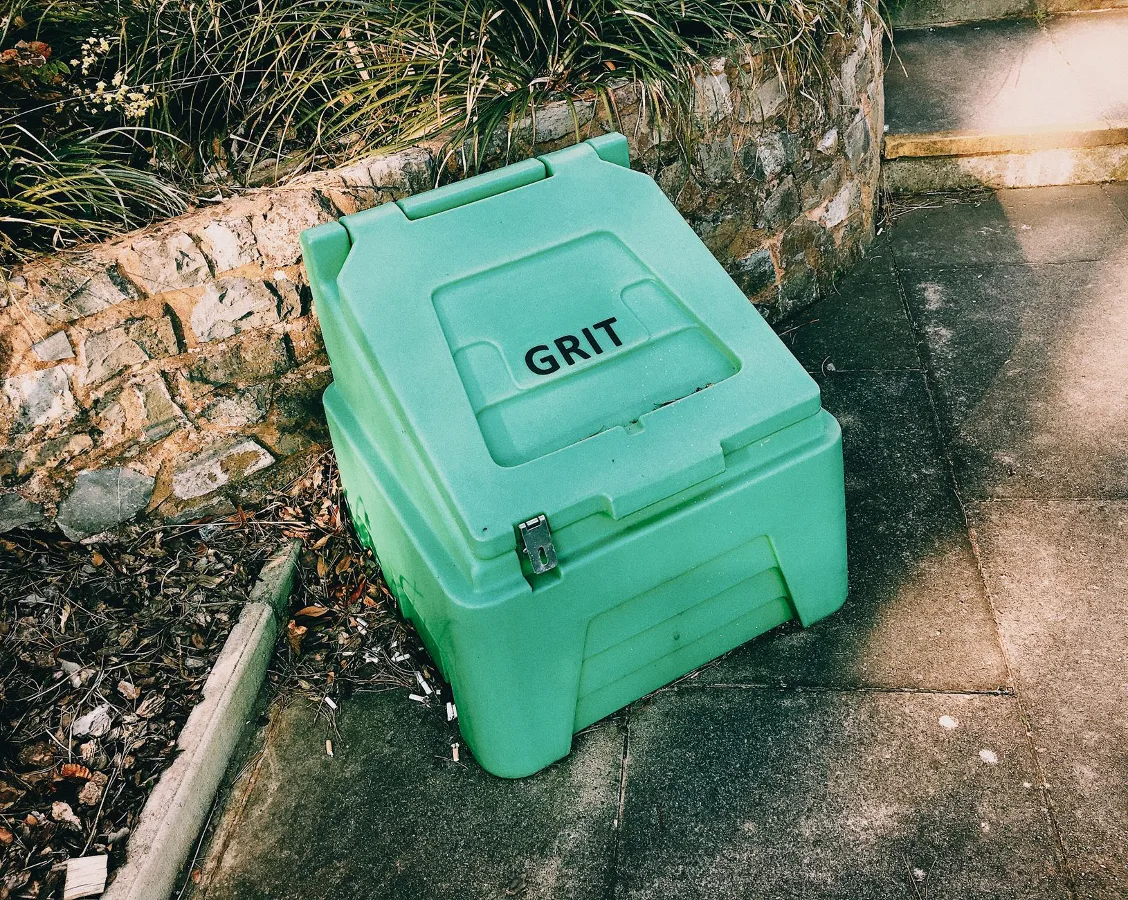
A wood pellet storage bin is a simple but important accessory for anyone heating with pellets. Its job is to keep fuel dry, accessible, and easy to measure or pour so daily refills are less messy and less disruptive. how to choose storage containers for pellets offers more detail on this point.
The best bin for your setup depends on where you store pellets, how much space you have near the stove, and how often you want to refill. For most buyers, the smartest choice is a container that balances moisture protection, manageable size, and a shape that makes scooping or pouring easy.
Quick answer: what to look for first
If you are buying a wood pellet storage bin, start with four priorities: dryness, capacity, portability, and fit. Pellets lose value quickly if they absorb moisture, so a bin should close securely or otherwise limit exposure to humid air. It should also hold enough fuel for your routine without becoming too heavy to move when full. moisture control for stored fuel offers more detail on this point.
For many households, the most practical pellet bin is a lidded container with smooth interior walls, a stable base, and a form that fits beside the stove, in a utility room, or near a garage entry. If you refill often, ease of pouring may matter more than raw capacity. If you buy pellets in bulk, stackability or a wider opening may be more useful than a decorative look.
How to compare wood pellet storage bins
Not all pellet bins solve the same problem. Some are designed for stove-side daily use, while others are better for holding a reserve supply in a basement, garage, or storage room. Comparing them by intended use keeps you from paying for features you do not need.
1. Moisture protection
Pellets are sensitive to damp conditions, so moisture protection is the first feature to evaluate. A good bin should reduce exposure from humidity, spills, and accidental splashes. Tight-fitting lids, raised bases, and durable seals can help, but the bin itself is only part of the solution. Placement matters just as much.
One common misconception is that any container with a lid is automatically suitable. In practice, a loose lid or a bin stored directly on a damp floor may still allow pellets to absorb moisture. If your storage area tends to be humid, look for a bin that can sit off the ground or be paired with a dry, indoor location.
2. Capacity and handling
Capacity should match how you actually use pellets. A larger bin can reduce refill trips, but it also becomes harder to lift, move, and pour when full. Smaller bins are easier to handle, though they may need more frequent refilling.
The right size depends on your stove routine, available floor space, and whether you prefer to keep a larger reserve elsewhere and use the bin as a day-to-day dispenser. For many buyers, the ideal setup is a larger bulk storage area plus a smaller, easy-to-carry bin near the appliance.
3. Shape and dispensing style
The shape of the bin affects how cleanly pellets move from storage to the stove hopper. Wide openings make scooping simpler. Angled bottoms and funnel-style designs can make pouring easier. Tall narrow bins may save floor space, but they can be awkward if you use a scoop.
If you want less mess, choose a design that limits spillage at the top and offers a controlled pour. If you use a scoop, check whether the opening is wide enough for your hand and tool to move comfortably.
4. Material and durability
Common pellet storage bins are made from metal, heavy-duty plastic, or other durable materials. Each has trade-offs. Metal can feel sturdy and may hold up well to repeated use, but it can be heavier. Plastic can be lighter and easier to reposition, but quality matters; thin plastic may flex, crack, or become less reliable over time.
Material choice should also match the environment. A bin used near a stove should be able to handle normal household wear and heat exposure from the room, while still being placed at a safe distance from the appliance itself. For a garage or basement, durability and moisture resistance may matter more than appearance.
5. Placement and clearance
Many buyers focus on the bin and overlook the space around it. That is a mistake. A pellet storage bin should fit where it will actually live, with enough clearance to open the lid, load pellets, and pour without bumping walls, furniture, or the stove.
Measure the intended spot before buying. Also think about traffic flow. A bin placed in a narrow walkway may become annoying, even if its capacity is ideal. A slightly smaller bin in a more convenient position is often a better real-world choice.
Best use cases for different types of bins
Different homes call for different storage strategies. The right bin depends on whether you want a daily-use container, a backup reserve, or a more permanent storage solution.
| Use case | What matters most | Best fit |
|---|---|---|
| Stove-side daily refills | Easy pouring, manageable weight, compact footprint | Small to medium lidded bin or easy-pour container |
| Indoor reserve storage | Moisture protection, capacity, stable placement | Larger covered bin with secure lid |
| Garage or utility room storage | Durability, moisture resistance, less frequent handling | Heavy-duty bin or container system |
| Small space homes | Compact shape, tidy appearance, simple access | Narrow bin or stackable container |
A lot of shoppers assume the largest bin is the best value. That is not always true. If the bin is too heavy to move safely or too awkward to fit where you need it, the extra capacity may not help. A smaller bin used consistently can be more practical than a large one that stays half-used.
Mistakes to avoid when choosing a pellet storage bin
Buying a wood pellet storage bin is straightforward, but a few avoidable mistakes can lead to damp fuel, clutter, or daily frustration.
- Choosing capacity without checking space: A bin can look ideal online and still be too large for the room.
- Ignoring moisture exposure: Even a good container will struggle if it sits in a damp basement corner or on an unprotected floor.
- Overlooking pour height: If the opening is too high or too narrow, refilling gets messy fast.
- Prioritizing appearance over function: A decorative bin is not useful if it is hard to clean or inconvenient to lift.
- Assuming all lids seal equally well: Not every lid meaningfully protects pellets from humidity.
- Buying too much capacity for one person to handle: A full bin that is difficult to move can create more problems than it solves.
Another overlooked issue is cleaning. Pellets can leave fine dust behind. A bin with smooth interior surfaces is usually easier to empty and wipe out than one with corners, ridges, or complicated attachments. That matters if you rotate stock or keep the bin indoors.
What to consider before you buy
Before choosing a specific wood pellet storage bin, think through these practical questions:
- Where will the bin stay most of the time?
- Will you refill it from a bulk bag, smaller bags, or a separate storage area?
- Do you want a bin mainly for daily use or long-term reserve storage?
- Will you scoop pellets, pour them, or use both methods?
- How much lifting are you comfortable doing when the bin is full?
- Does the room have humidity, temperature swings, or floor moisture concerns?
These details matter because pellet storage is as much about household logistics as it is about container design. A bin that seems simple on paper may not fit your routine if the handle placement is awkward or the lid is difficult to remove when your hands are full.
Alternatives to a dedicated wood pellet storage bin
A dedicated bin is not the only option. Depending on your space and budget, a few alternatives may work just as well.
- Sealed storage totes: Useful for dry indoor storage when you want a versatile container.
- Utility buckets with lids: Practical for small amounts, though not always ideal for easy pouring.
- Bulk storage plus a smaller dispenser: Often the most efficient setup for larger pellet users.
- Stackable containers: Helpful when you need to organize several pellet bags in a compact area.
The trade-off is convenience versus flexibility. A purpose-built pellet bin usually offers better ergonomics for refilling, while a general-purpose container may be cheaper or easier to find. If you only need a modest amount of accessible fuel near the stove, a simpler container can be enough.
Maintenance tips for longer service life
A pellet storage bin does not require much upkeep, but a little care helps it stay useful. Empty dust and residue regularly, especially if you rotate bags or switch pellet brands. If the bin has a lid, keep the sealing edge clean so it closes properly. Check for cracks, warping, or loose hardware if the bin is plastic or has moving parts.
Also keep the storage area itself clean and dry. A good bin cannot fully protect pellets if the surrounding space has standing moisture, leaks, or heavy humidity. For that reason, the best storage setup often includes a bin plus a dry location rather than relying on the container alone.
Who benefits most from a pellet storage bin
A wood pellet storage bin is especially useful for people who want a cleaner, more organized heating routine. It is a strong fit for pellet stove owners who refill regularly, households that want to keep fuel close to the appliance, and anyone who dislikes dealing with torn bags or scattered pellets on the floor.
It may be less useful if you store pellets only in the original bags and use them infrequently, or if your fuel sits in a dedicated dry room where an extra container would not improve convenience. In those cases, a simple organization system may be enough.
FAQ
What is the best material for a wood pellet storage bin?
The best material depends on your priorities. Heavy-duty plastic is often lighter and easier to move, while metal may feel sturdier. Choose a material that suits your storage area, handling needs, and preferred cleaning routine.
Should a pellet storage bin be airtight?
It does not have to be fully airtight to be useful, but a better seal usually offers more protection from humidity and spills. The most important goal is to keep pellets as dry as possible in the environment where the bin will sit.
Can I store wood pellets in a regular container?
Yes, as long as the container is clean, dry, and suitable for the amount you plan to keep accessible. The main drawbacks of a regular container are often convenience, pouring control, and moisture protection rather than basic storage capability.
Where should I place a pellet storage bin?
Place it in a dry, stable location with enough space to open the lid and pour safely. Common spots include near the stove, in a utility room, or in another indoor area away from damp floors and traffic paths.
How do I keep pellets dry in storage?
Use a container with a secure lid, keep it off damp surfaces if possible, and store it in a low-humidity area. Avoid leaving pellets exposed during refills, especially in humid weather or in rooms that are prone to condensation.
A wood pellet storage bin is most valuable when it fits the way you actually heat your home. Focus on moisture protection, practical capacity, and easy handling, and you will end up with a storage setup that is cleaner, safer, and easier to live with through the heating season. safe home heating storage practices offers more detail on this point.