
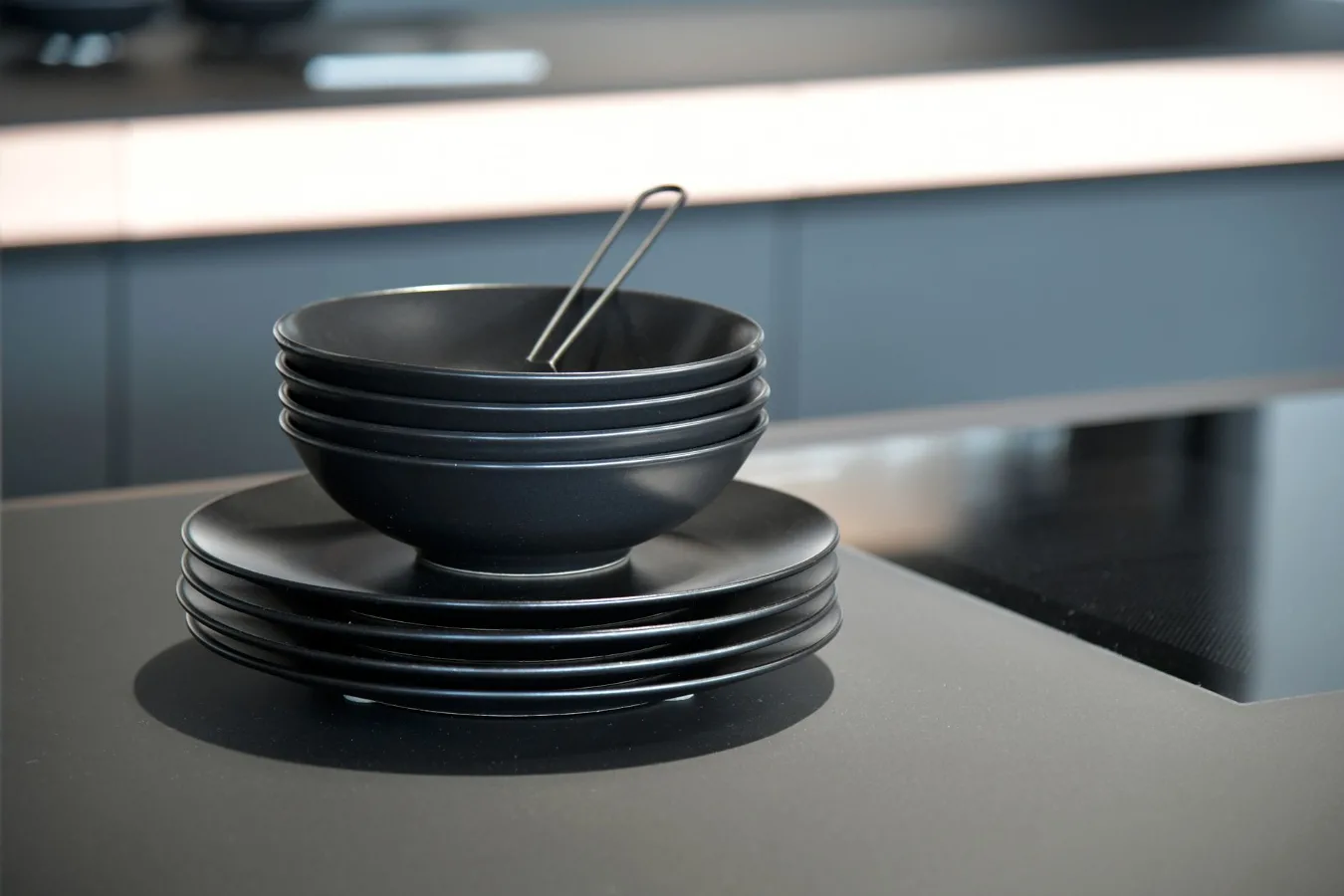
A hard anodised cookware set is worth considering if you want cookware that sits between lightweight aluminum and heavier stainless steel in everyday usability. The appeal is straightforward: it usually heats efficiently, resists wear better than untreated aluminum, and tends to be easier to maintain than many traditional cookware finishes.
That said, the best hard anodised cookware set is not the same for every kitchen. The right choice depends on how you cook, whether you use gas, electric, ceramic, or induction heat, and how much maintenance you are comfortable with. For many buyers, the real decision is less about whether hard anodised cookware is “good” and more about whether it fits their routine better than stainless steel, cast iron, or nonstick cookware. choosing the right cookware material offers more detail on this point. how to compare cookware sets offers more detail on this point. cookware care and maintenance tips offers more detail on this point.
Who a hard anodised cookware set suits best
This cookware style is usually a strong match for home cooks who want a practical, low-fuss set for daily meals. It is often appealing if you cook a mix of eggs, vegetables, sauces, grains, and one-pan meals and want something that feels more durable than basic nonstick cookware.
It can also suit buyers who value even heating and a surface that is less likely to show wear quickly. If your kitchen needs cookware that can handle frequent use without demanding much special treatment, hard anodised pieces often make sense.
On the other hand, if you want the absolute easiest food release for delicate items, or you need cookware that is completely hassle-free with metal utensils and aggressive cleaning, you should look closely at the manufacturer’s care guidance. Hard anodised cookware is durable, but not all sets are built the same way.
What hard anodised cookware actually offers
Hard anodising is a treatment applied to aluminum to make the surface harder and more resistant to wear. In practical terms, that usually means the cookware keeps the benefits of aluminum’s responsiveness while improving durability and reducing the raw-metal feel of untreated aluminum.
For shoppers, the key point is not the chemistry itself but the cooking experience it creates. A hard anodised set is often chosen for these qualities:
- Responsive heating: Aluminum is known for heating quickly, which helps with everyday cooking tasks.
- Improved durability: The treated surface is generally tougher than standard aluminum cookware.
- Easy day-to-day cleanup: Many sets are designed for simpler washing than specialty cookware that requires extensive seasoning.
- Balanced versatility: A good set can cover basic sautéing, boiling, simmering, and pan cooking.
What it does not automatically guarantee is a perfect nonstick experience, universal oven safety, or induction compatibility. Those features depend on the specific set, not the material alone.
Buyer scenario: when this is the right kind of set
The best buyer scenario for hard anodised cookware is usually a home kitchen that needs dependable, everyday performance more than restaurant-grade specialization. Think of the cook who wants a coherent set for breakfast, weeknight dinners, and batch cooking without having to manage seasoning, frequent polishing, or overly delicate surfaces.
This type of cookware can be especially practical if you are replacing older mixed pots and pans with a more unified set. A coordinated collection can simplify storage, improve consistency across pans, and make it easier to choose the right piece quickly.
It is also a sensible option for cooks who prefer cookware that feels sturdier than basic aluminum yet less demanding than cast iron. If you move often, are setting up a first kitchen, or want a set that can handle regular use without feeling precious, the format is attractive.
Trade-offs you should weigh before buying
No cookware material is perfect, and hard anodised sets come with real trade-offs. Understanding them upfront helps you avoid disappointment after purchase.
Cooking performance versus food release
Hard anodised cookware often performs well on heat responsiveness and general versatility, but food release varies widely by set. Some pieces include a nonstick interior coating, while others rely more on the treated surface itself. If you make delicate foods frequently, such as eggs or flaky fish, check whether the set is actually designed for easy release rather than assuming all hard anodised cookware behaves like premium nonstick.
Durability versus care restrictions
Many shoppers assume hard anodised means nearly indestructible. That is a common misconception. The cookware is more durable than untreated aluminum, but it can still have limits. A set may still require non-abrasive utensils or gentle cleaning tools depending on the finish. If you want cookware that tolerates rough handling, examine the care instructions closely.
Lightweight handling versus heat retention
One overlooked consideration is thermal behavior. Aluminum-based cookware is usually appreciated for quick heating, but it may not retain heat the same way thicker stainless steel or cast iron does. That is not a flaw if you cook efficiently and adjust heat as needed, but it matters if you want a pan that stays hot for long searing sessions or table presentation.
Material and construction factors that matter most
If you are comparing sets, the biggest differences often come down to construction details rather than the label on the box. The following factors have the most practical impact.
Base thickness and heat distribution
More even heat distribution generally depends on overall construction, not just the anodised surface. A well-made base helps reduce hot spots and makes simmering and sautéing easier. If you cook sauces, risotto, or anything that can scorch easily, base quality matters as much as surface finish.
Interior coating or bare hard anodised surface
Some cookware sets pair hard anodised exteriors with an interior nonstick layer. Others use the anodised surface as the main cooking surface. These are different experiences. A coated interior may be better for low-fat cooking and easier cleanup, while a more bare surface may appeal if you want a simpler build and are comfortable using a bit more oil.
Handle design
Handles are easy to overlook, yet they affect everyday satisfaction more than many buyers expect. Look for handles that feel secure, stay comfortable when lifting a full pot, and are shaped for stable grip. If the set includes helper handles on larger pans, that can make a real difference in safety and convenience.
Lid quality and fit
Lids influence moisture control, simmering, and overall usability. A snug-fitting lid helps with gentle braising, boiling, and steaming-like tasks. Glass lids can be convenient for visual monitoring, while metal lids may feel more robust. Either can work well if the fit is solid.
Stovetop compatibility
This is one of the most important buying checks. Many hard anodised cookware sets work well on gas, electric, and ceramic cooktops, but induction compatibility is not automatic. If you use an induction range, confirm that the set explicitly supports it.
Size and set composition: what you actually need
Cookware sets often look impressive because they include many pieces, but more pieces are not always better. The useful question is whether the set covers your actual cooking patterns.
A practical set should usually cover a balance of everyday tasks rather than duplicate similar pieces you will rarely use. For example, a small saucepan, a medium saucepan, a larger sauté pan or skillet, and a stockpot may be more useful than an oversized collection filled with niche items you will store and forget.
Before choosing, think through your normal meals. If you cook for one or two people, a huge set may waste storage space. If you cook for a family or batch cook frequently, larger capacity pieces can be worth the added footprint. The best set is the one you will reach for repeatedly, not the one with the longest list of included pieces.
Maintenance expectations and long-term value
Maintenance is often where hard anodised cookware wins buyers over. Compared with more demanding materials, it usually fits into a normal kitchen routine more comfortably. Still, “low maintenance” does not mean “no maintenance.”
To preserve the finish and cooking performance, follow the care instructions for your specific set. That may include avoiding abrasive scrubbers, using moderate heat rather than repeatedly blasting pans on high, and allowing cookware to cool before washing. Those habits are not complicated, but they matter if you want the set to hold up well over time.
Long-term value is also about consistency. A set that performs reliably for years but is slightly limited in one area may still be a better purchase than a more versatile-looking set that quickly becomes frustrating in daily use. Think in terms of the meals you make most often, not the occasional specialty recipe.
Common mistakes buyers make
- Assuming all hard anodised cookware is nonstick: some sets have a nonstick interior, but not all do.
- Ignoring stovetop compatibility: induction users need to confirm compatibility before buying.
- Choosing too many pieces: a large set can create storage problems and unnecessary duplication.
- Overlooking handle comfort: a pan that feels awkward to lift becomes annoying fast.
- Not checking care instructions: some finishes require more careful cleaning than buyers expect.
- Focusing only on appearance: lid fit, base quality, and balance matter more than color or sheen.
How hard anodised cookware compares with common alternatives
If you are still deciding, it helps to place hard anodised cookware alongside the materials most shoppers compare it against.
Versus stainless steel
Stainless steel is often chosen for durability and browning, while hard anodised cookware is frequently chosen for easier handling and quicker responsiveness. Stainless steel can be more demanding for delicate foods, but it usually tolerates more aggressive use. If you want a more forgiving everyday surface, hard anodised cookware may feel easier. If you prioritize heavy-duty searing and don’t mind a learning curve, stainless steel deserves attention.
Versus cast iron
Cast iron offers strong heat retention and excellent searing potential, but it is heavier and usually demands more care. Hard anodised cookware is generally more convenient for frequent use, especially if you prefer lighter cookware that heats faster. Cast iron is a better fit for certain heat-heavy tasks; hard anodised cookware is often the easier all-around option.
Versus traditional nonstick
Traditional nonstick cookware often wins on food release and convenience for eggs or sticky foods. Hard anodised cookware can be the better long-term everyday choice if you want a tougher exterior and a more substantial feel. The trade-off is that nonstick sets may be easier for beginners in low-fat cooking, while hard anodised sets may feel more versatile for broader kitchen use depending on the interior finish.
Practical next steps before you buy
If you are narrowing choices, use a simple decision filter instead of shopping by piece count alone.
- Check your stovetop: confirm whether you need induction compatibility.
- Define your cooking style: choose a set based on the meals you actually make most often.
- Review the interior surface: decide whether you want a nonstick-coated interior or a different cooking feel.
- Assess the handle and lid design: prioritize comfort, stability, and fit.
- Match the set size to your storage space: avoid paying for pieces you will not use.
- Read the care instructions first: make sure the maintenance routine fits your habits.
If you already own a few dependable pieces, you may not need a full set. In that case, a hard anodised skillet or saucepan can be a smart way to test whether the material suits your kitchen before committing to a larger collection.
If you are building a broader cookware collection, hard anodised pieces can serve as a useful core category alongside stainless steel, cast iron, and nonstick cookware. That mixed approach often gives home cooks the best balance of versatility, durability, and convenience.
A hard anodised cookware set makes the most sense when you want reliable everyday performance, manageable care, and a material that feels more robust than basic aluminum. Choose the set that matches your cooking habits, not the one with the most dramatic marketing claims.