
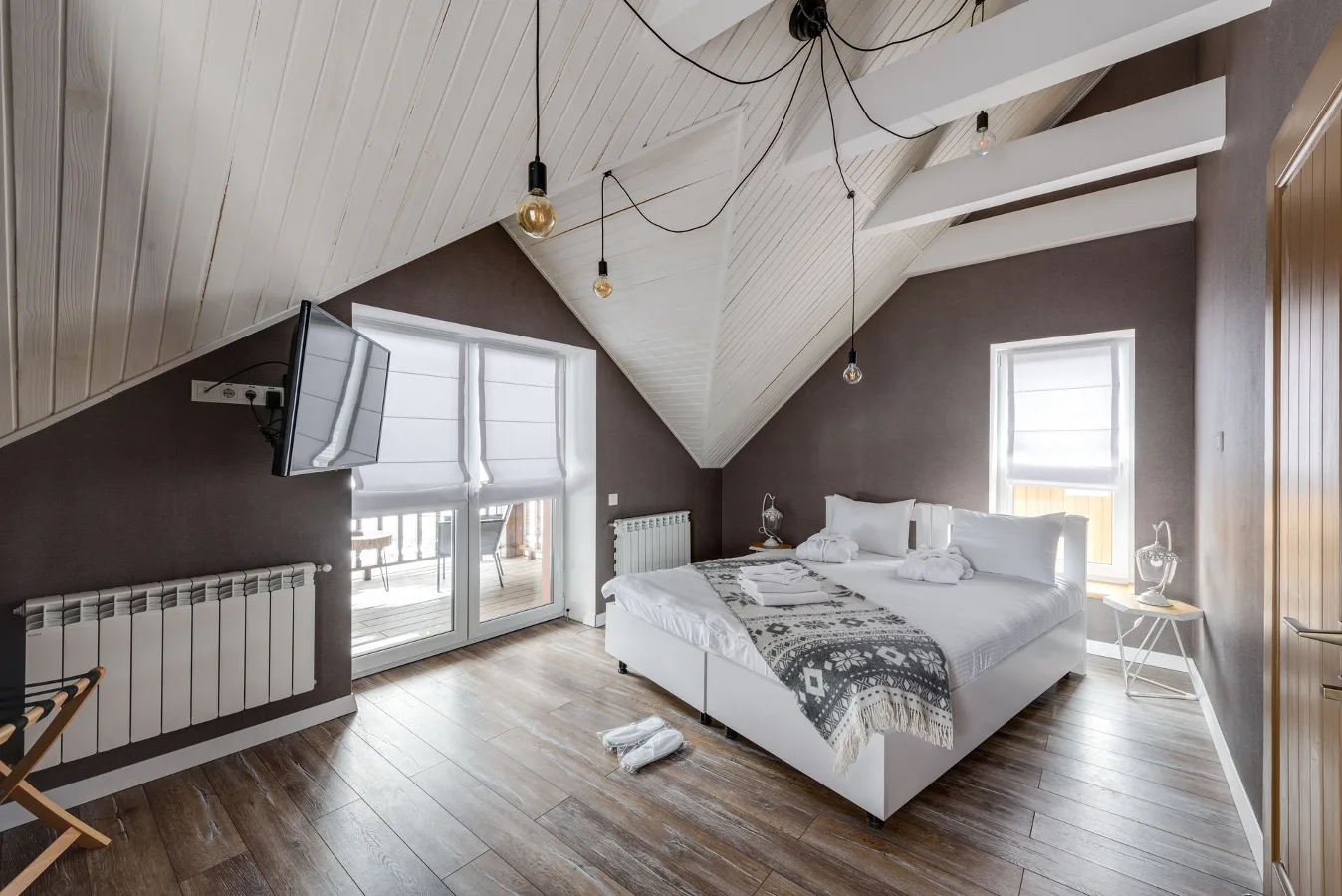
Radiator heater vs space heater comes down to how you want the room to feel, how fast you need warmth, and how much noise or maintenance you can live with. If you want quick, portable heat for a bedroom, office, or drafty corner, a space heater usually fits better. If you want steadier, quieter heat that feels less harsh, a radiator heater is often the more comfortable pick. how to choose the right room heater offers more detail on this point. oil heater vs space heater offers more detail on this point.
The right choice is rarely about which one is universally “better.” It is about matching the heater to the room, the schedule, and the way you use the space. That matters more than brand names or marketing claims. learn more about kazumi coffee maker offers more detail on this point.
When each type makes more sense
Think of a space heater as a fast-response tool. Many models use a fan, ceramic element, or radiant panel to warm a small area quickly. That makes them useful when you only need heat for a short period or in one zone of a home.
A radiator heater, usually an oil-filled electric heater for household use, behaves more like a steady comfort heater. It warms up more slowly, but it can keep releasing heat after the element cycles off. That softer output is one reason many people prefer it for bedrooms, nurseries, and home offices where constant fan noise is annoying.
One common misconception is that a slower heater is always less effective. In practice, the goal is not just temperature. It is how evenly the room feels, whether the air gets dry or noisy, and how long you plan to stay there.
Step-by-step criteria for choosing between them
1. Start with the room and the job
Ask what you are really trying to heat. A small bedroom used overnight has very different needs from a home office used for a few hours in the afternoon. A radiator heater tends to fit long, quiet use. A space heater tends to fit quick bursts of warmth or spot heating.
Also consider whether the room is enclosed or open. Portable heaters work best when you are trying to warm a defined area, not an entire open floor plan. If the room leaks air badly, neither heater will fully solve the problem on its own.
2. Decide how fast you need heat
If you want warmth almost immediately, a space heater has the edge. Fan-forced and ceramic models are designed to move heat into the room quickly. That can be useful when you walk into a cold bathroom or want the office warm before a meeting starts.
Radiator heaters are slower to respond. Their trade-off is steadier heat that can feel less abrupt. If your routine involves keeping a room warm for many hours, the slower ramp-up may be worth it.
3. Think about noise and comfort
Noise is often overlooked, but it becomes a major deciding factor once the heater is in the room. Many space heaters use a fan, which can be distracting in a bedroom, nursery, or study space. Radiator heaters are usually much quieter because they do not depend on constant airflow.
If you are sensitive to fan noise or dislike moving air, a radiator heater is usually the more comfortable choice. If background noise does not bother you, a space heater may be more practical.
4. Match safety features to the room
Safety should shape the purchase, not just the setup. Common features to look for include tip-over protection, overheat shutoff, stable housing, and a thermostat. These features do not replace careful use, but they do reduce risk.
This matters especially in rooms with children, pets, curtains, bedding, or furniture that sits close to the heater. A heater that stays in one place and runs quietly may be easier to manage in a bedroom. A more mobile heater can be convenient, but it also needs more attention to placement.
5. Compare portability and storage
Both types are portable compared with central heating, but they are not equally easy to move. Many space heaters are lighter and easier to carry from room to room. Radiator heaters are often bulkier and may be less convenient if you plan to store them between seasons.
If you need a heater for one room only, portability may not matter much. If you want to move it around the house, the lighter option usually has a practical advantage.
6. Consider the room’s temperature habits
Rooms that cool down quickly after the heater turns off may favor a space heater with strong immediate output. Rooms where you want a steadier background temperature often pair better with a radiator heater. The real question is whether you want quick correction or longer comfort.
Drafty spaces, sunrooms, and basements can be tricky. Portable heaters can help, but they work best as supplemental heat, not as a permanent substitute for a properly conditioned room.
What the comparison looks like in real use
| Factor | Radiator heater | Space heater |
|---|---|---|
| Warm-up speed | Slower | Usually faster |
| Noise | Typically quiet | May be noisy if fan-based |
| Heat feel | Steady and even | Can feel more direct |
| Portability | Moderate | Often easier to move |
| Best use case | Longer, quieter use | Short-term or spot heating |
| Comfort in bedrooms | Often strong | Depends on noise and airflow |
| Storage convenience | Less convenient for some homes | Usually easier |
This is a general comparison, not a promise of how every model performs. Design varies, and features matter more than the category name alone. A fanless space heater and a large radiator heater will not behave the same way as their broad labels suggest.
Advantages of radiator heaters
- Quiet operation: useful in sleeping areas and workspaces.
- Steady comfort: better for keeping a room warm over time.
- Less drying sensation: many people find the heat less harsh than fan-driven heat.
- Simple daily use: set it, let it warm up, and maintain a consistent room feel.
The main limitation is speed. If you only want instant warmth, a radiator heater may feel too slow. It can also be less convenient if you want to move it frequently or tuck it away between uses.
Advantages of space heaters
- Fast heat delivery: helpful when you need warmth right away.
- Flexible placement: many models are compact and easy to move.
- Good for spot heating: useful for one person in one room rather than the whole house.
- Wide variety: includes ceramic, fan-forced, radiant, and infrared styles.
The trade-off is that some space heaters are louder, less comfortable for long sessions, or more noticeable in dry, still air. A fan-based design may not be ideal if you are trying to sleep or concentrate.
Common mistakes buyers make
Choosing by wattage alone is a common mistake. Higher wattage does not automatically mean the heater is better for your room. The type of heat, safety features, and room conditions matter just as much.
Ignoring noise is another. A heater that seems fine in a store can become annoying after an hour in a bedroom or office.
Using the wrong heater for the room size also causes disappointment. A small heater in a cold, open room will struggle, while an oversized heater in a tiny room can feel uncomfortable.
Assuming portable heat can replace whole-home heating is risky. These appliances are best treated as supplemental tools, especially in the United States where house insulation, weather, and room layout vary widely.
Practical examples of which one to pick
For a bedroom: a radiator heater often makes sense if you want quiet, steady warmth overnight. A space heater works if you need faster heat and do not mind possible fan noise.
For a home office: either can work. Choose a radiator heater if you take long calls, read, or need a calm environment. Choose a space heater if you need fast warmth before sitting down for a short work session.
For a bathroom or entry area: a space heater is often more practical because you usually want heat quickly and briefly. Just be careful about placement, moisture, and safety clearances.
For a drafty living room corner: a radiator heater can improve comfort if you sit in the same spot for extended periods. A space heater can help if you only need to warm the area while you are there.
A simple checklist before you buy
- Identify the room and how long the heater will run each day.
- Decide whether fast heat or steady comfort matters more.
- Check how sensitive you are to noise.
- Look for thermostat control and safety shutoff features.
- Confirm the heater is easy to place safely away from fabrics and furniture.
- Think about storage if you will not use it year-round.
- Consider whether you want spot heating or broader room comfort.
If you can answer those seven points clearly, the choice usually becomes obvious. Buyers often overcomplicate the decision, but the best heater is the one that fits the room’s routine without becoming a nuisance.
When a different option may be better
Sometimes the real answer is neither radiator heater nor standard space heater. If you need whole-room or whole-home comfort for long periods, improving insulation, sealing drafts, or using a central HVAC strategy may be more effective. In some spaces, a ceiling fan used correctly, layered clothing, or localized heating at the desk may reduce the need for a larger appliance altogether.
Another overlooked consideration is airflow. Rooms with poor circulation can feel uneven no matter which heater you use. If one corner stays cold, the issue may be room layout rather than the heater category.
Choosing the better fit
If you want quiet, steady, comfortable heat for longer use, a radiator heater is often the better fit. If you want fast, portable, short-term heat, a space heater usually makes more sense.
The best choice depends on use case, not just appliance type. For many buyers, the smartest move is to prioritize room conditions, noise tolerance, and safety features first. Once those are clear, the radiator heater vs space heater decision becomes much easier.