
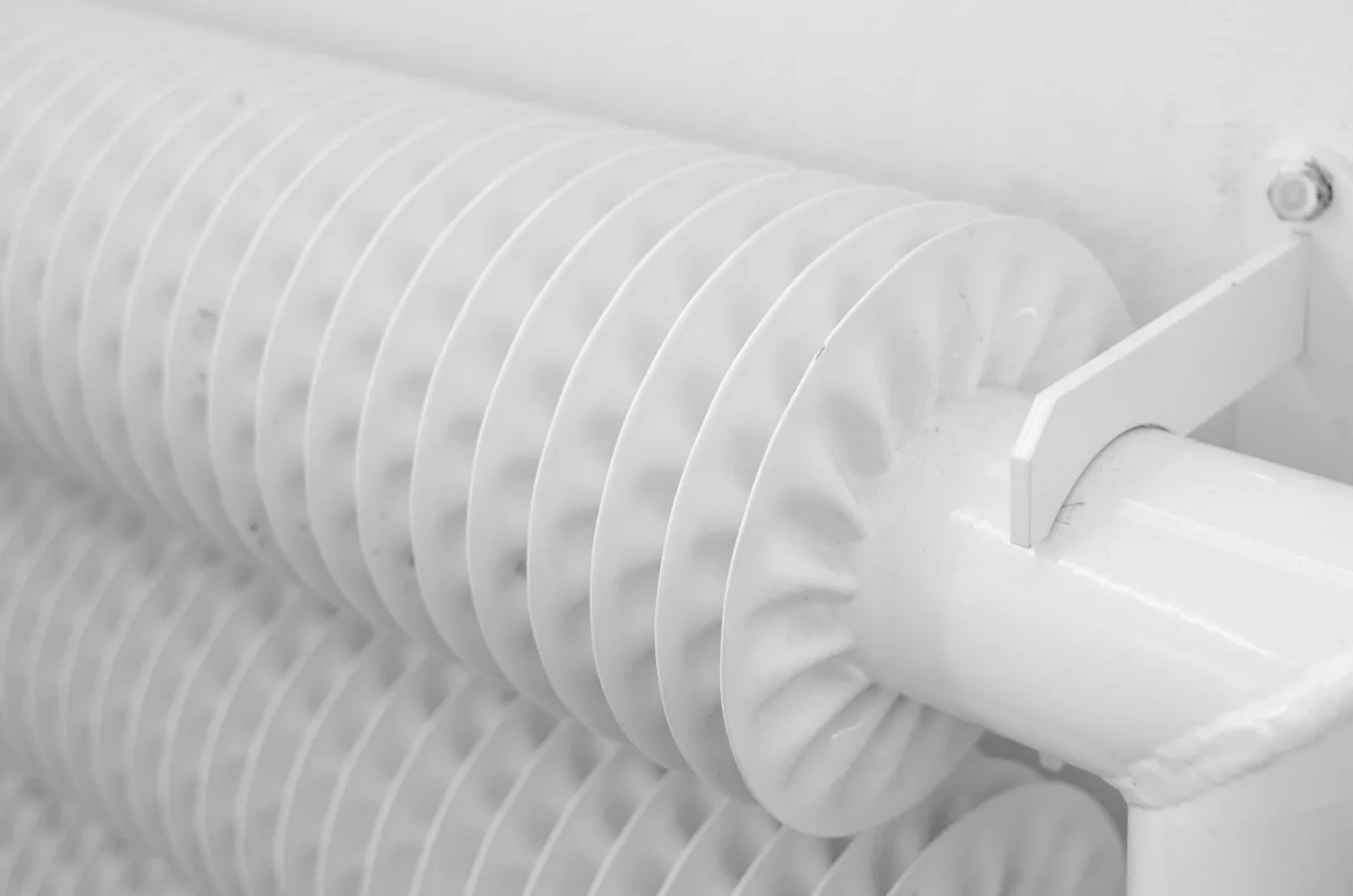
Oil heater vs space heater? If you want the short answer, an oil heater is usually better for steady, quiet, longer-lasting warmth, while a typical space heater is better when you want faster heat on demand. The right pick depends less on the name on the box and more on how you use the room: bedroom, office, apartment, drafty basement, or occasional spot heating.
These two heater types are often grouped together, but they behave differently. An oil-filled radiator stores heat in thermal oil and releases it gradually. A space heater is a broader category that usually includes fan-forced ceramic heaters, radiant heaters, and other compact electric units designed to warm a space quickly. That difference affects noise, comfort, portability, and how the room feels after the heater cycles off. oil filled radiator vs space heater offers more detail on this point.
Quick answer: which one should you buy?
Choose an oil heater if you care most about quiet operation, gentle heat, and a more even temperature over time. Choose a space heater if you want quicker warmth, easier portability, or a heater you can aim at a specific area for short-term use.
That basic split covers most real-world cases:
- Bedroom at night: oil heater is often more comfortable because it tends to run quietly and hold warmth more evenly.
- Home office: a space heater may be better if you only need warmth while seated at a desk.
- Drafty room: neither is a whole-room solution, but a space heater can make a room feel warmer faster.
- Longer sessions: oil heaters often suit extended use because the heat output feels less abrupt.
- On-the-go flexibility: space heaters are usually easier to move from room to room.
The common mistake is assuming one category is always “better.” In practice, the better heater is the one that matches the room, your schedule, and your tolerance for noise and temperature swings.
How they heat differently
Oil heaters: slow to start, steady to feel
Oil heaters are electric appliances with sealed thermal oil inside. The oil is not burned; it simply helps store and distribute heat. Once warmed, the unit radiates heat into the room gradually. That usually creates a softer, more consistent feeling than a heater that blasts hot air.
This can be a good fit if you dislike the stop-start sensation of a fan heater or if you want the room to stay comfortable without obvious bursts of airflow. The trade-off is that oil heaters are not the fastest option. You often need patience at startup.
Space heaters: quick warmth, more variation
Space heater is a broad label, but most people mean a compact electric heater that pushes heat into the room with a fan or radiant element. Many are designed for fast relief rather than gradual, lingering warmth.
That makes them useful for a cold morning, a chilly corner, or a room you occupy briefly. The downside is that some space heaters create more noticeable airflow, more noise, and a less even temperature experience. Some people find that comfortable; others find it drying or distracting. Low Amp Space Heater Buying Guide offers more detail on this point.
Comparison by the factors that actually matter
| Factor | Oil heater | Space heater |
|---|---|---|
| Heat-up speed | Slower to feel warm at first | Usually faster and more immediate |
| Noise | Typically very quiet | May include fan noise or airflow |
| Heat feel | Steady, gentle, even | More direct, sometimes more intense |
| Portability | Often heavier and less convenient to move | Usually lighter and easier to reposition |
| Best use case | Longer indoor sessions, bedrooms, calm environments | Spot heating, quick comfort, occasional use |
| Room coverage | Works best as supplemental heat | Also best as supplemental heat, but can feel more focused |
| Comfort at night | Often preferred for sleep spaces | Depends on noise and airflow tolerance |
One overlooked point: heat delivery style matters as much as heat output. Two heaters can warm a room to a similar degree, yet feel completely different because one warms the air with a fan while the other radiates heat more gradually. That comfort difference is often what decides the winner in real homes.
Which is better for bedrooms, offices, and living spaces?
Bedrooms
Oil heaters are often the better bedroom choice if your priority is quiet, stable warmth. They do not usually create the fan noise that some people notice at bedtime. They are also less likely to create a drafty feeling.
A space heater can still make sense in a bedroom, especially if you only want quick warmth before sleep or when getting dressed. Just be mindful of fan noise, placement, and how direct the heat feels while you are trying to rest.
Home offices
For a desk setup, a space heater often has the edge because it can warm the person rather than trying to change the whole room. If the office is used for long stretches and quiet matters, an oil heater may feel more comfortable over time.
The real question is whether you need instant spot warmth or background comfort. A desk worker who gets chilly quickly may prefer a space heater. Someone working all afternoon in the same room may prefer the steadier feel of an oil heater.
Living rooms and shared spaces
Neither type is a substitute for central heating in a large living room, but both can help with supplemental warmth. In a shared space, an oil heater may feel less intrusive, while a space heater may be more useful for targeted warmth near a couch or reading chair.
If the room is frequently occupied by different people, portability and placement become more important. A lighter space heater may be easier to move, but an oil heater may be less noticeable once running.
Safety and everyday use
Safety is not a reason to favor one category automatically. Both oil heaters and space heaters need sensible placement, clearances, and supervision. The important part is matching the heater to your habits.
- Keep the unit away from curtains, bedding, rugs, and clutter.
- Do not rely on any portable heater for unsupervised, all-night use unless the product instructions explicitly allow it and your setup is appropriate.
- Use a stable surface and avoid placing heaters where they can be bumped easily.
- Look for practical controls such as thermostats, tip-over shutoff, and overheat protection.
- Do not run extension cords unless the manufacturer allows it and the cord is properly rated for the load.
A common misconception is that oil heaters are automatically safer because they feel less aggressive. They still get hot and still need the same basic precautions. The more useful distinction is that some space heaters, especially fan-driven models, may feel more active and draw more attention, which can make their use habits more obvious. That does not remove the need for care.
Comfort, noise, and how the room feels
This is where the comparison becomes personal. Some people want a heater to disappear into the background. Others want a blast of warmth and do not mind hearing a fan. That preference matters more than many buying guides admit. guide to kazumi coffee maker offers more detail on this point.
Oil heater strengths:
- Quiet operation
- Gentle, less intrusive warmth
- Better for people sensitive to fan noise
- Comfortable for long sessions
Space heater strengths:
- Fast warmth when you feel cold right away
- Good for short use periods
- Easier to direct toward a person or zone
- Often lighter and simpler to move
The overlooked nuance is that some people are not responding to temperature alone. They are responding to airflow, dryness, and noise. A room can technically be warm but still feel unpleasant if the heater is too loud or the heat is too concentrated.
Operating cost and efficiency: the practical view
Without getting into unsupported numbers, the most useful way to think about operating cost is this: both are electric resistance heaters, so neither is a magic efficiency breakthrough. They turn electricity into heat in the room. The better choice depends on how long you run the heater and how much heat you actually need.
An oil heater may be a smart fit if you want steady warmth over a longer period and are willing to wait for it to ramp up. A space heater may be better if you only need heat for a short window and can turn it off once the space feels comfortable.
The real cost mistake is oversizing the solution. If you buy a heater that is more powerful than your actual need, you may end up cycling it more often, overheating the room, or turning it off and on in a way that is uncomfortable. Matching the heater to the room and use case matters more than chasing a generic “most efficient” label.
Common mistakes to avoid
- Buying for the room size alone: a heater that seems powerful on paper may still feel wrong if the room is drafty, tall, or poorly insulated.
- Ignoring noise tolerance: many people regret a fan heater in a bedroom or quiet office.
- Expecting whole-home heating: both are supplemental heaters, not replacements for central heat.
- Placing the heater too close to furniture or fabrics: heat needs space.
- Choosing portability over stability: a light heater is handy, but a more stable one may be better if it stays in one room.
- Forgetting usage pattern: frequent all-day use favors different features than occasional quick bursts of heat.
Another practical mistake is overlooking storage. Oil heaters and larger space heaters take up space when not in use. If you only need heating for a few months each year, the easiest heater to store may be the one you are actually willing to put away and bring back out.
Alternatives worth considering
Sometimes the right answer is neither oil heater nor the most common space heater. Depending on the room and your tolerance for different heat styles, a few other options may fit better:
- Ceramic fan heaters: useful if you want fast, localized warmth with controlled airflow.
- Radiant panel heaters: can feel comfortable in specific setups where quiet operation matters.
- Micathermic heaters: blend radiant and convection ideas, though availability and features vary.
- Heated blankets or throws: a smart alternative if you mainly want personal warmth rather than room heating.
Heated personal items can be especially practical in apartments, dorm-style rooms, or offices where changing the room temperature is less effective than warming the person directly.
How to decide without overthinking it
If you want a simple framework, start with the way you use the space:
- Need heat quickly? Lean toward a space heater.
- Need quiet comfort for longer periods? Lean toward an oil heater.
- Moving it between rooms often? Space heater.
- Leaving it in one spot for steady supplemental heat? Oil heater.
- Very sensitive to noise or airflow? Oil heater.
- Only warming yourself for short sessions? Space heater or a personal heating alternative may be enough.
That decision path usually gets you closer than comparing brand names or looking only at exterior design. The best heater is the one that fits the room’s rhythm, not just the room’s square footage.
A practical takeaway
Oil heater vs space heater is really a question of comfort style. Oil heaters shine when you want quiet, steady heat that blends into the background. Space heaters shine when you want faster, more targeted warmth and easier mobility. Neither is perfect for every room, and neither should be treated as a whole-house solution. Choose based on how often you heat the space, how long you stay there, and whether you value speed or quiet more.
If you are comparing models for a bedroom, office, or small apartment, focus on the basics that change daily life: noise, controls, stability, portability, and how the heater feels after the first few minutes. That is where the real difference shows up.