
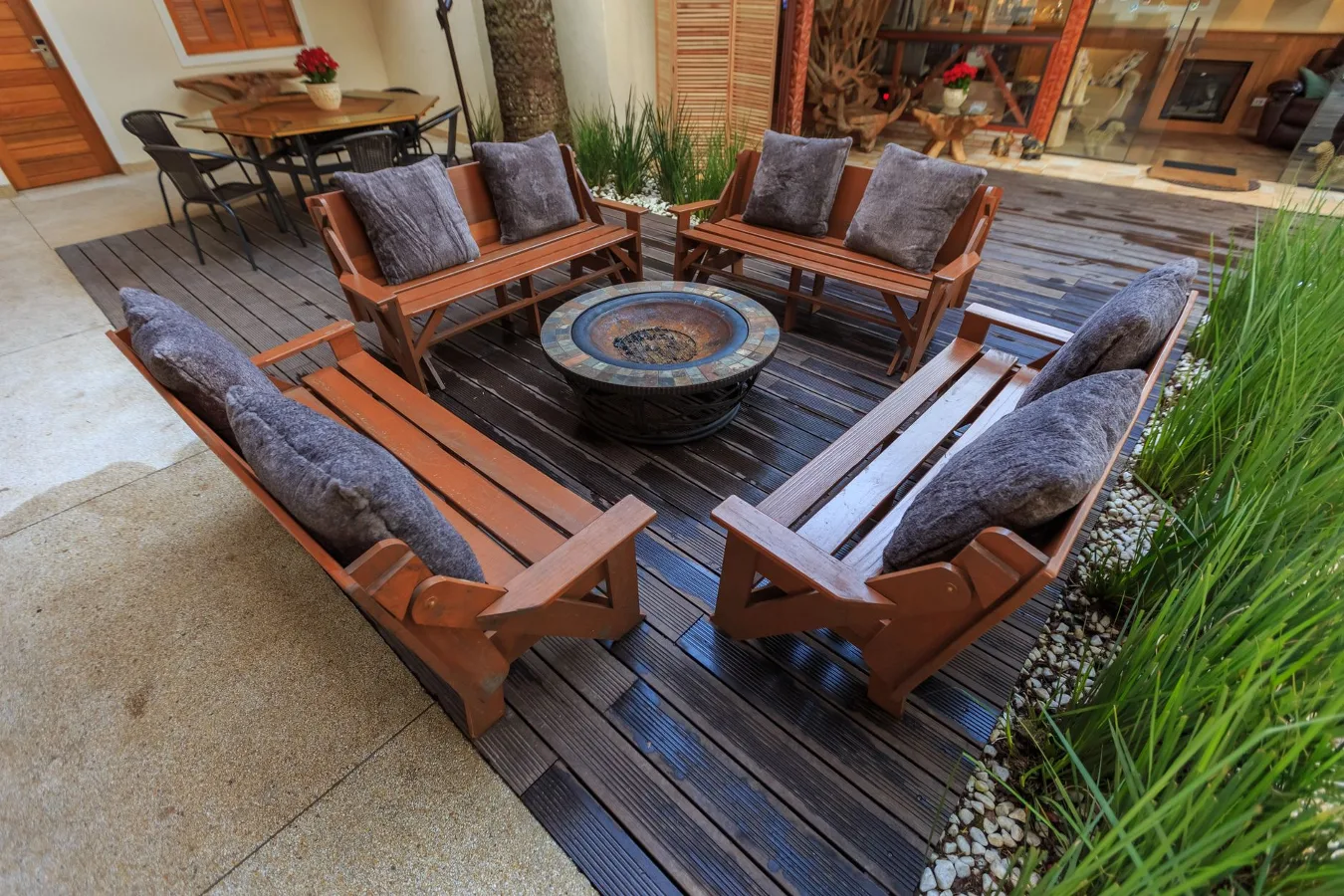
If you’re shopping for patio furniture in Phoenix, the short answer is this: prioritize shade tolerance, heat-friendly materials, easy maintenance, and pieces that can handle dust and strong sun without demanding constant upkeep. In a desert climate, the best choice is usually less about trendy design and more about how the furniture performs after repeated exposure to UV, heat, and dry air. how to choose outdoor furniture by climate offers more detail on this point. low-maintenance garden furniture options offers more detail on this point.
That doesn’t mean style has to take a back seat. It means the smartest buys are the ones that balance comfort, durability, and practicality for the way Phoenix outdoor spaces are actually used. A set that looks great in a showroom can become uncomfortable, brittle, or frustrating if it isn’t suited to the climate.
Quick answer: what works best in Phoenix?
For most Phoenix patios, the most practical options are furniture made from powder-coated aluminum, quality teak, or other outdoor-rated materials designed to resist sun and heat. Cushions should be covered in outdoor fabrics that are easy to clean and less likely to fade quickly, especially if the seating area gets direct afternoon sun.
If your patio is uncovered, the biggest priorities are UV resistance, ventilation, and the ability to move or cover pieces during extreme heat or storms. If your patio is shaded or covered, you’ll have more flexibility, but you still want materials that won’t become overly hot to the touch or require frequent refinishing.
For buyers comparing options, the main question is not just “What looks good?” It is “What will still be comfortable and presentable after long exposure to the Arizona climate?”
Compare the main material choices
Material matters more in Phoenix than in milder regions. Some furniture categories are attractive but demand more care, while others are easier to live with day to day. Here’s how the most common choices usually stack up for desert use.
| Material | Strengths | Trade-offs | Best fit |
|---|---|---|---|
| Powder-coated aluminum | Lightweight, rust-resistant, widely available, easy to move | Can feel hot in direct sun; finish quality matters | Most patios, especially if you want lower maintenance |
| Teak | Classic look, strong, naturally suited to outdoor use | Needs care if you want to preserve its color; usually heavier and pricier | Covered patios and buyers who prefer a warmer, natural style |
| Synthetic wicker / resin wicker | Comfortable look, flexible style, often used with cushions | Quality varies widely; inferior materials may age poorly in strong sun | Shaded patios and decorative seating areas |
| Steel or iron | Sturdy and substantial | Can run hot, may be prone to corrosion if finish is poor or damaged | Covered areas or buyers who prioritize weight and stability |
| Plastic / resin | Budget-friendly, lightweight, easy to wipe down | Can look less refined and may degrade faster under intense sun | Short-term use, casual seating, or secondary areas |
The right choice often depends on how exposed the patio is. A fully covered lanai or deep-shade courtyard gives you more room to choose based on style. A west-facing patio with strong late-day sun asks for a much more conservative material strategy.
Why aluminum is so common in desert climates
Aluminum is popular because it offers a useful balance: it is relatively light, it resists rust, and it fits many design styles. That said, the frame finish matters. A good powder-coated finish can help a lot with everyday durability, but no finish makes furniture immune to heat or prolonged exposure. If you know the patio gets intense sun, consider cushions, umbrellas, or placement under a pergola so the seating area is more usable throughout the day.
Where teak makes sense
Teak appeals to shoppers who want a more substantial, furniture-like feel. It can work well outdoors, especially in protected areas, but it is not a zero-maintenance choice. Some buyers like the natural weathered look; others prefer to preserve the original color, which means more ongoing care. For Phoenix buyers, teak is often best when the patio is partially covered and the owner is comfortable with routine upkeep.
Comfort depends on more than cushions
In a hot climate, comfort is not just a matter of softness. Seat depth, back angle, arm height, and fabric texture all affect whether the furniture is pleasant to use in real life. A deep lounge chair may look inviting, but if the sun beats on it all afternoon, the frame and fabric may become uncomfortable before anyone sits down.
Pay attention to how the set will be used. Dining furniture should support a comfortable upright posture for longer meals. Lounge seating should invite relaxation without requiring bulky cushions that trap heat. If you entertain often, modular pieces can offer more flexibility than a fixed sectional.
Overlooked consideration: dark surfaces absorb more heat and can become unpleasantly warm. That applies to metal frames, tabletops, and even some fabrics. In Phoenix, lighter colors and shaded placement often improve usability more than buyers expect.
Cushions and fabric choices
Outdoor cushions can improve comfort significantly, but they also add another maintenance layer. Look for cushions that are easy to remove, store, and clean. The best practical setup is often one where the foam, cover, and storage plan all make sense together.
Common trade-offs include:
- Thicker cushions offer more comfort but may retain heat and take longer to dry.
- Lighter cushions are often easier on the eyes in strong sun, but they may show dust and stains more readily.
- Removable covers make cleaning easier, yet not every cover is equally simple to manage.
- Performance fabrics are generally a better fit than indoor textiles, but they still benefit from shade and care.
If your patio gets dust frequently, neutral cushion colors can be practical because they hide the constant cleanup cycle better than very dark shades or bright solids that highlight fading.
Match the furniture to the patio layout
Phoenix homes often make use of covered patios, courtyards, poolside spaces, and smaller side yards. The best furniture choice depends on how the area functions, not just on the square footage. A narrow patio may be better served by a bistro set and two chairs than by a crowded dining arrangement.
Before buying, consider the following:
- Sun exposure: which areas get direct afternoon sun?
- Shade coverage: is there a pergola, roof, umbrella, or tree canopy?
- Airflow: does the space stay breezy, or does it trap heat?
- Traffic flow: can people move around the furniture easily?
- Storage access: can cushions or smaller items be brought inside quickly?
A patio that is partially shaded can support more elaborate seating, but if the furniture sits in a fully exposed zone, simpler silhouettes often work better. Fewer cushions, cleaner lines, and lighter pieces are easier to manage when weather conditions are harsh.
Maintenance expectations should shape the purchase
One of the biggest mistakes shoppers make is buying patio furniture for appearance alone and only later thinking about upkeep. In Phoenix, maintenance needs vary widely by material. Some pieces need regular wiping, occasional oiling, or seasonal deep cleaning. Others just need basic cleaning and a smart storage routine. Simpson Pressure Washer Buying Guide offers more detail on this point.
Ask yourself how much effort you realistically want to spend. A low-maintenance setup may be more valuable than a more dramatic set that needs careful attention after every stretch of extreme weather or dust.
Practical rule of thumb: if you are unlikely to store cushions, cover the set, or clean it regularly, choose simpler materials and finishes from the start.
Storage and cover strategy
Storage is often overlooked until the first dust storm or monsoon season. Even if the furniture is technically outdoor-rated, using covers or storing cushions indoors can help extend the usable life of the set and reduce cleaning time. Furniture covers should fit properly and allow some ventilation; a cover that traps moisture or fits poorly can create a different set of problems.
For larger arrangements, focus on pieces that can tolerate being outdoors longer, while planning to bring in smaller or more sensitive items such as cushions, pillows, side tables, and ottomans.
Common mistakes when buying patio furniture in Phoenix
Some purchasing errors show up again and again in desert climates. Avoiding them can save money and frustration.
- Choosing indoor-looking materials for outdoor use simply because they feel comfortable in the store.
- Ignoring direct sun exposure and assuming all shaded patios behave the same.
- Buying dark furniture without considering heat buildup.
- Overloading a small patio with too many pieces, which makes airflow and movement worse.
- Forgetting about dust and cleaning, especially for fabrics, tabletops, and woven surfaces.
- Assuming all wicker is the same; quality and construction vary significantly.
- Skipping a shade plan and expecting the furniture itself to solve comfort issues.
A common misconception is that any product labeled “outdoor” will perform equally well in Phoenix. Outdoor-rated is a starting point, not a guarantee. Material quality, construction, and finish still matter.
Style choices that make sense in a desert setting
Style still matters, especially if the patio is visible from the main living area or used for entertaining. The most successful Phoenix patios usually blend the furniture with the surrounding environment instead of competing with it. Clean lines, natural textures, and restrained color palettes often work well with stucco homes, stone, tile, and desert landscaping.
That said, there is room for personality. Accent pillows, planters, and outdoor rugs can bring color without forcing the main furniture pieces to carry the entire design load. This is often a smarter long-term approach than choosing bold furniture that may feel dated or fade-prone over time.
If you want a more flexible setup, consider modular seating, stackable chairs, or a simple dining set paired with movable lounge chairs. Those options can adapt to gatherings, everyday use, and seasonal changes more easily than oversized fixed arrangements.
What to compare before you buy
If you are narrowing down patio furniture for Phoenix, use the same decision criteria you would use for any climate-sensitive purchase: material, comfort, maintenance, and site conditions. Aesthetic preference matters, but it should sit alongside practical performance.
- Material durability: Will it hold up in strong sun and dry heat?
- Finish quality: Is the coating or surface likely to stay presentable?
- Comfort in heat: Will the seating still feel usable in the afternoon?
- Cleaning needs: How much upkeep does it require?
- Storage flexibility: Can you protect cushions and smaller accessories?
- Layout fit: Does the scale suit the patio size and shade pattern?
- Long-term value: Will it still fit your needs after the first season?
For many Phoenix homes, the best value is not the least expensive set or the most luxurious one. It is the set that fits the climate, the layout, and the amount of maintenance you are willing to do.
FAQ
What type of patio furniture works best in Phoenix?
Furniture made with outdoor-rated, heat-aware materials tends to work best, especially powder-coated aluminum, quality teak, and well-constructed synthetic wicker. The best choice also depends on how much shade the patio gets and how much maintenance you want to do.
Should I avoid metal patio furniture in Arizona heat?
Not necessarily. Metal can be a good choice, but it may get hot in direct sun. Lighter finishes, shaded placement, and cushions can improve comfort. The quality of the coating matters as well.
Do I need special cushions for Phoenix patios?
Outdoor cushions are a good idea if you want comfort, but they should be easy to clean and store. If the patio gets strong sun, removable cushions and performance fabrics are more practical than indoor-style upholstery.
Is covered patio furniture different from uncovered furniture?
Yes. Covered patios give you more flexibility with materials and finishes because the furniture is exposed to less direct sun and weather. Uncovered patios require more emphasis on UV resistance, heat management, and simple upkeep.
What is the biggest mistake buyers make?
Buying for looks alone. In Phoenix, the climate should heavily influence the choice. The most common problems come from ignoring sun exposure, dark heat-absorbing surfaces, and the upkeep required for cushions and woven materials.
If you want patio furniture that feels good to use in Phoenix, start with the climate first and the style second. That order usually leads to better comfort, less maintenance, and a set that still looks appropriate after the first long summer.