
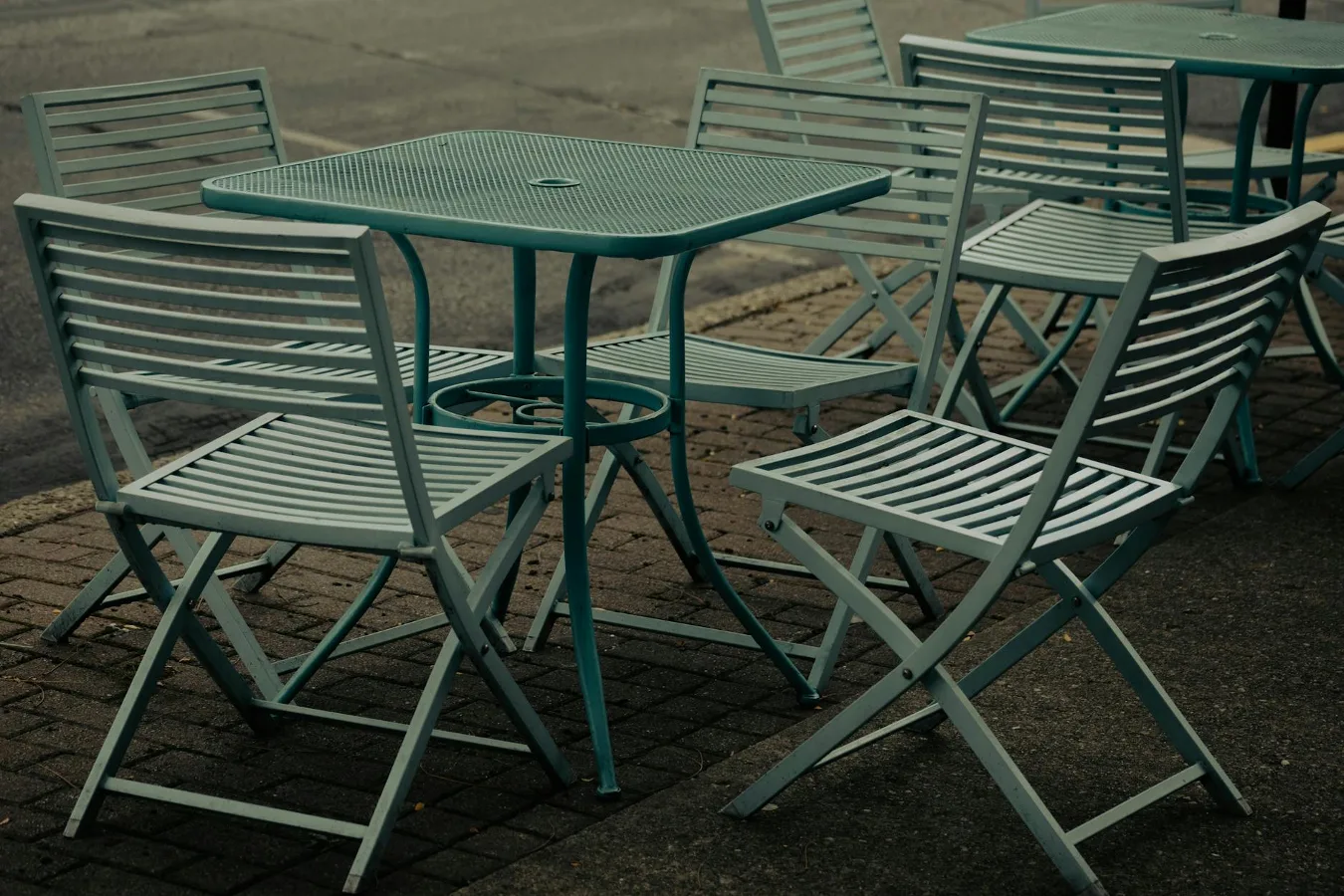
When patio furniture paint makes sense
Patio furniture paint is worth considering when the structure of the piece is still sound but the finish has faded, chipped, rusted, or simply stopped matching the rest of your outdoor space. It is often a practical choice for metal chairs, wooden tables, and some plastic furniture, especially when replacement would cost more than a careful repainting project. cedar patio furniture offers more detail on this point. how to prep outdoor furniture for repainting offers more detail on this point.
The key question is not just what color do you want, but what material are you painting, how much weather exposure does it get, and how much prep work is realistic. A good paint job can improve appearance and help slow further wear, but it is not a shortcut around poor surface preparation or ongoing exposure to moisture and sun.
If you are trying to decide between repainting and replacing, paint makes the most sense when the frame is stable, the surface can be cleaned and prepped properly, and you are comfortable accepting some maintenance later. If the furniture is badly warped, deeply rotted, or structurally unsafe, paint will only delay the real fix.
Start with the material, not the color
One of the most common mistakes is choosing a paint based on finish alone. For patio furniture, the underlying material matters more than the shade or sheen because different surfaces need different levels of adhesion and protection.
Metal furniture
Metal patio furniture is often the easiest to repaint if the rust is limited and the frame is still solid. The biggest concern is corrosion. Any rust left under the coating can keep spreading, which eventually leads to bubbling and peeling.
For metal, look for a paint system that works with exterior metal surfaces and pair it with the correct primer when needed. If the furniture has peeling paint or visible rust, sanding and spot treatment are usually part of the process, not optional extras.
Wood furniture
Wood can take paint well, but only if moisture, mildew, and old finish are addressed first. Outdoor wood is more sensitive to weather changes than metal, so the coating system needs to move with the surface and withstand sun and moisture.
Wood also raises a practical issue that is easy to overlook: if the piece has already absorbed water repeatedly, paint may improve the look without fully fixing the underlying deterioration. Check for softness, splitting, or loose joints before committing to the project.
Plastic and resin furniture
Plastic patio furniture is often the trickiest to paint because smooth surfaces do not always hold coating well. A paint that works beautifully on wood may fail quickly on plastic if the surface is not cleaned and scuffed appropriately, or if the product is not intended for that material.
This is where people often assume any spray paint will do. In reality, adhesion is the issue, not just color. If the piece is heavily flexing, cracked, or cheaply made, repainting may be short-lived.
Step-by-step criteria for choosing patio furniture paint
Rather than starting with brands or trendy finishes, use a simple decision process. The right patio furniture paint should fit the material, the environment, and the amount of prep you are willing to do. PVC Patio Furniture: What Buyers Should Know offers more detail on this point.
- Identify the surface. Metal, wood, wicker, and plastic each behave differently under paint.
- Assess exposure. Furniture under a covered porch has a different need than pieces left in full sun and rain.
- Check the existing finish. Bare substrate, chipped coating, glossy sealant, and rust all affect adhesion.
- Decide on the finish. Matte, satin, and gloss all have different visual and practical trade-offs.
- Match the primer to the job. Some surfaces need bonding help, stain blocking, or rust inhibition.
- Think about maintenance. If touch-ups will be hard later, a more durable system is usually worth the extra effort.
The main practical insight is that paint selection is really a system decision. Paint alone is only one layer. Surface prep, primer, and topcoat compatibility matter just as much as the label on the can.
What finish works best outdoors
Finish affects both appearance and upkeep. The best choice depends on how the furniture is used and how much wear it gets.
- Matte: Hides small imperfections better, but can show dirt more easily and may be less forgiving in heavy-use spots.
- Satin: A balanced choice for many patio pieces because it offers a cleaner look without being overly shiny.
- Gloss: Reflective and easy to wipe down, but it can reveal surface flaws and may look less natural on older furniture.
For outdoor furniture, the finish should also be considered alongside weather resistance. A beautiful sheen is not very helpful if the coating softens, chalks, or peels after a season of sun and moisture. That is why many buyers focus on durability claims before they think about color.
Primer, adhesion, and why prep matters more than people expect
Patio furniture paint fails most often because the surface was not prepared properly. Dirt, grease, oxidation, mildew, loose rust, and slick coatings all interfere with adhesion. Even a strong paint can struggle if it is applied over contamination or an incompatible old finish.
Primer is not always required, but it is often the part that determines whether the project holds up. Use the primer as a compatibility bridge between the furniture and the topcoat when the surface is bare, stained, rusty, glossy, or otherwise difficult.
Another overlooked detail is drying and curing time. A coat may feel dry to the touch long before it has fully hardened. Using the furniture too early, or exposing it to moisture too soon, can reduce the life of the finish even when the application looked successful.
Examples of how different projects call for different paint choices
Not every patio furniture project needs the same product. Here are a few realistic scenarios that show how the decision changes.
Old metal bistro set with rust spots
This kind of project usually benefits from rust removal, spot priming, and a durable exterior paint made for metal. If the rust is widespread or the frame is flaking badly, the labor may outweigh the value of the set. But if the frame is solid, repainting can be a sensible refresh.
Weathered wooden bench
A wooden bench often needs cleaning, sanding, and attention to any mildew or softened areas before paint enters the picture. If the goal is to keep the wood grain visible, a stain or outdoor sealer may be more appropriate than opaque paint. If you want full coverage and a more uniform look, a suitable exterior paint system can work well.
Plastic dining chairs
Plastic chairs are best approached cautiously. If you want to change the color, make sure the surface is clean and slightly abraded, and choose a coating designed for plastic or difficult-to-bond surfaces. If the chairs are inexpensive and heavily sun-faded, replacement may be the more durable long-term choice.
Common mistakes that lead to disappointing results
A lot of patio painting problems come from shortcuts, not from the paint itself. These are the mistakes that most often shorten the life of the finish:
- Painting over dirt or mildew. Contamination weakens adhesion and can keep growing under the coating.
- Skipping rust treatment. Covering rust without addressing it usually leads to recurring failure.
- Using the wrong product for the material. A general exterior paint is not automatically ideal for every patio surface.
- Applying coats too heavily. Thick coats can trap solvents, drip, or cure unevenly.
- Ignoring weather conditions during application. Heat, humidity, rain, and dust all affect results.
- Using the furniture too soon. Even if the surface looks dry, the coating may not yet be fully cured.
The overlooked mistake is expecting paint to solve structural problems. Loose joinery, rot, corrosion through the metal, or cracked plastic usually require repair or replacement before painting becomes worthwhile.
Checklist before you buy patio furniture paint
Use this quick checklist to narrow your choice before heading to the store or placing an order:
- What material am I painting: metal, wood, plastic, or mixed surfaces?
- Is the furniture under a roof, or fully exposed to weather?
- Does the old finish need sanding, stripping, or spot repair?
- Is rust, mildew, grease, or chalking present?
- Do I need a primer, and if so, what type?
- Do I want a flat, satin, or glossy look?
- How much maintenance am I willing to do later?
- Would repainting make sense if the piece may still need repair?
If you can answer those questions clearly, you are much more likely to choose a paint that fits the project instead of chasing a label that sounds versatile but is not actually the best match.
Alternatives to painting
Painting is not always the smartest route. Depending on the condition and material of the furniture, one of these alternatives may be better:
- Staining: Useful for wood when you want to preserve grain and avoid a fully opaque finish.
- Clear exterior sealers: Helpful when the surface is already attractive and only needs protection.
- Powder coating or professional refinishing: Sometimes a better fit for high-value metal furniture.
- Replacement parts or simple repairs: Worth considering when the frame is sound but one component has failed.
The right choice depends on the piece’s value, material, and exposure. A cheaper chair set may justify a fast refresh, while a well-made table could deserve a more careful restoration approach.
How to think about long-term value
Patio furniture paint is not just a cosmetic purchase. It is part of a maintenance decision. A lower-effort coating may be fine for a seasonal refresh, but a more involved system can save time later if the furniture is important to you or used heavily.
Before buying, weigh the cost of prep materials, primer, topcoat, and protective finishing against the value of the piece itself. Also consider whether the furniture will live in full sun, near sprinklers, or in a damp area. Those conditions can influence how often touch-ups will be needed.
If the furniture is something you plan to keep outdoors for years, durability and compatibility should matter more than trend-driven color choices. If you only need a short-term improvement for one season, a simpler approach may be acceptable as long as you understand the trade-offs.
Practical buying summary
The best patio furniture paint is the one that matches the material, survives the environment, and fits the amount of prep you can realistically do. For metal, rust control is central. For wood, surface condition and moisture matter most. For plastic, adhesion is usually the deciding factor.
Choose a finish that suits both appearance and maintenance, use primer where the surface needs help, and do not underestimate cleaning and sanding. If the furniture is structurally unsound, paint is not the answer. If the frame is solid and the surface is prepared carefully, repainting can be a smart way to extend the life of outdoor pieces and keep a garden seating area looking intentional rather than worn out.