
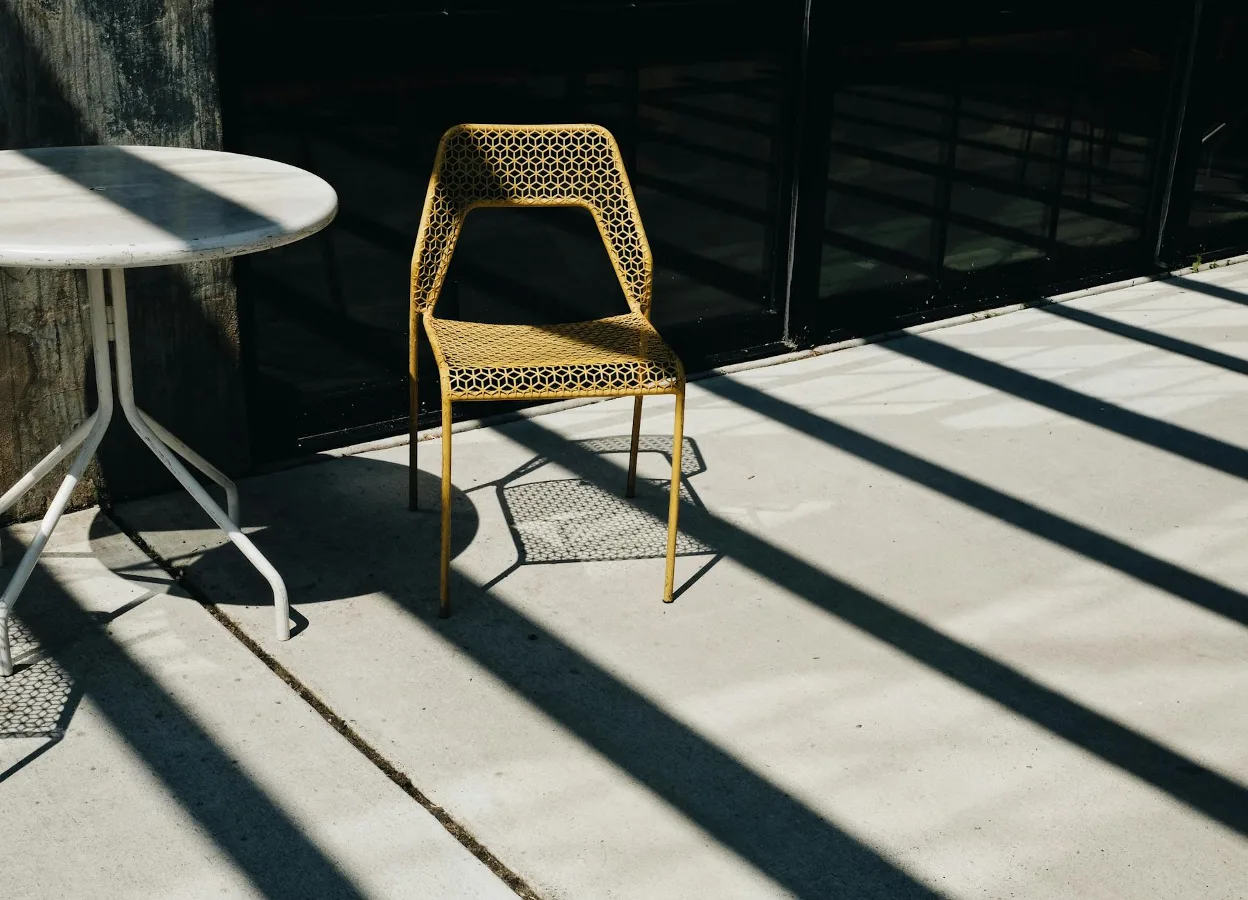
Quick answer: who cushionless patio furniture is best for
Cushionless patio furniture is a smart fit if you want outdoor seating that is easier to clean, faster to dry after rain, and simpler to leave outside for everyday use. It tends to work especially well for busy patios, covered porches, poolside areas, and households that do not want to manage removable cushions, slipcovers, or extra storage.
The trade-off is comfort. Without cushions, the frame, seat angle, and material matter much more. A good cushionless set should offer enough support, a shape that feels natural to sit in, and a finish that stands up to sun, moisture, and regular use.
If you are shopping for cushionless patio furniture, focus less on styling alone and more on the combination of material, seat design, maintenance, and weather exposure. That is usually what separates a set that looks good for a season from one that stays useful for years.
What cushionless patio furniture really means
Cushionless patio furniture is outdoor seating and dining furniture designed to be used without separate seat cushions or back pillows. The comfort comes from the frame itself, which may include contours, slats, woven surfaces, mesh, or shaped seats. how to compare patio chair comfort offers more detail on this point.
This category includes many outdoor chair and bench styles, such as metal dining chairs, teak armchairs, molded resin seating, sling chairs, and woven resin wicker pieces. Some buyers choose cushionless furniture for a cleaner look. Others want a simpler maintenance routine. Many just want furniture that can stay outside with fewer concerns about damp cushions, mildew, or fading fabric. how to choose outdoor furniture materials offers more detail on this point.
A common misconception is that cushionless automatically means uncomfortable. That is not necessarily true. The comfort level depends on design details like seat depth, back angle, arm height, edge shaping, and how the material flexes under weight.
Comparing the main cushionless patio furniture types
The best choice depends on how you use the space. A dining area, a lounge corner, and a screened porch all ask for different seating characteristics.
| Type | Best for | Strengths | Possible drawbacks |
|---|---|---|---|
| Metal patio furniture | Dining areas, compact patios, modern spaces | Often sturdy, slim-profile, easy to wipe clean | Can feel hard without thoughtful shaping; finish quality matters outdoors |
| Teak or other hardwood seating | Classic outdoor setups, long-term use | Natural look, solid feel, can age attractively | Usually needs more care than metal or resin; surface can be firm |
| Resin wicker or all-weather wicker | Relaxed seating, transitional styles | Textured look, lighter weight options, common in cushionless forms | Comfort depends on weave and seat structure; lower-quality weave may show wear sooner |
| Sling furniture | Poolside seating, warm climates | Breathable, quick-drying, generally easy to maintain | Not everyone likes the feel; replacement fabric may be a consideration later |
| Molded plastic or resin seating | Casual patios, family spaces, rentals | Lightweight, easy to move, simple cleaning | Can look less refined; stability and UV resistance vary by build quality |
For many shoppers, the decision is not just about material. It is also about how the piece will be used. A dining chair that gets pulled out daily needs different qualities than an accent chair that mostly sits on a covered porch.
How to judge comfort without cushions
Comfort is the biggest practical issue with cushionless patio furniture, so it deserves more attention than it often gets. Since there is no padding to soften the seat, small design features become important.
Seat shape and angle
Look for seats that feel supportive rather than flat and unforgiving. Slight contours, supportive backs, and a relaxed recline can make a major difference. A chair that looks elegant but forces an awkward posture will quickly become the seat everyone avoids.
Material feel and surface texture
Some materials are naturally more forgiving than others. Sling fabric, woven resin, and gently shaped wood often feel more comfortable than bare metal or rigid plastic. That does not mean metal or resin are poor choices, but they should have ergonomic shaping to compensate.
Armrests and seat height
Armrests can improve comfort for longer sitting sessions and help people get in and out of the chair more easily. Seat height matters too. If the seat is too low or too high for the table, the whole set can feel awkward, even if the material is durable.
An overlooked consideration is edge pressure. A seat may appear comfortable at first glance, but hard front edges can become irritating after a while. Rounded fronts and smoother transitions usually feel better for everyday use.
Why many buyers choose cushionless options
Cushionless patio furniture solves several common outdoor furniture problems at once. It is often easier to maintain, less vulnerable to moisture issues, and more convenient for spaces that are used frequently.
- Less storage hassle: no cushions to bring inside during storms or off-season storage.
- Faster cleanup: most surfaces can be wiped, rinsed, or lightly washed.
- Better for damp conditions: fewer fabric concerns in humid climates or areas with frequent rain.
- Lower upkeep: no cushion rotation, laundering, or replacement cover management.
- Cleaner everyday appearance: fewer loose components and less visual bulk.
For smaller patios, cushionless furniture can also make the area feel less crowded. Slimmer silhouettes leave more visual breathing room, especially in apartments, townhomes, or compact backyard layouts.
Where cushionless patio furniture can fall short
The biggest limitation is comfort during extended sitting. If you like to linger outside for hours with guests, read for a long time, or use the patio as an outdoor living room, cushions may still be preferable. Even the best shaped frame cannot fully replace padding for some users.
There is also the issue of surface temperature. Metal and darker materials can feel hot in direct sun, while some surfaces may feel chilly in cooler weather. That is not a reason to avoid them, but it is worth considering based on your climate and how much shade the area gets.
Another real-world constraint is noise and movement. Lightweight pieces can shift on smooth surfaces, and some materials sound louder when chairs are moved. If your patio is under a second-story deck or near neighbors, that may matter more than expected.
What to look for before buying
Shopping well for cushionless patio furniture means checking more than the style photo. The best choice depends on how the furniture will perform in your specific space.
1. Match the material to your weather exposure
If the furniture will sit in direct sun, look for materials and finishes that are meant for outdoor exposure. If it will be in a humid or coastal environment, prioritize corrosion resistance, weather-ready construction, and surfaces that are less likely to hold moisture. Covered porches give you more flexibility, but even sheltered furniture should tolerate airflow and occasional dampness.
2. Check the cleaning routine honestly
Some furniture is easy to rinse but not easy to deeply clean. Woven textures, slatted seats, and textured finishes can trap dust and pollen more readily than smooth surfaces. If you want truly easy upkeep, prefer forms that can be cleaned without special tools or fussy handling.
3. Look closely at stability and weight
Lightweight furniture can be convenient, especially if you rearrange the patio often. But too-light pieces may shift in wind or feel less grounded. Heavier furniture can feel more stable, though it is less portable. The right balance depends on whether you value mobility or staying power more.
4. Think about stacking or storing
Stackable chairs can be especially useful if your patio doubles as event space or if you need to clear room quickly. This is one of the most practical advantages in cushionless furniture, since the lack of cushions often makes stacking easier and storage less cumbersome.
5. Consider the full set, not just the chair
If you are buying a dining set, make sure the chair height works with the table apron and leg clearance. If you are buying lounge seating, confirm that the back angle suits the kind of relaxation you want. A beautiful chair that clashes with the table height or layout can become a daily annoyance. outdoor dining set buying basics offers more detail on this point.
Material-by-material buying guidance
Metal
Metal cushionless furniture is popular because it often has a crisp profile and handles outdoor use well when properly finished. It can work beautifully for modern, traditional, or bistro-style spaces. The main thing to watch is comfort and finish quality. Thin, unshaped metal may be less forgiving, while powder-coated or similarly weather-ready finishes tend to be easier to live with outdoors.
Wood
Wood brings warmth and a more natural look, which suits many garden settings. It can be a strong choice if you want a softer visual feel without cushions. The trade-off is care. Wood usually asks for more maintenance than metal or resin, and the exact upkeep depends on the wood type and finish. If you want the look of wood but minimal attention, make sure you understand what ownership will require over time.
Resin wicker and woven synthetics
These pieces are often chosen for their familiar outdoor-living style. Cushionless versions can work well if the frame is well made and the weave is comfortable to sit against. Look beyond the look of the weave and think about how the seat is supported underneath. A textured exterior alone does not guarantee comfort.
Sling and mesh
Sling seating is one of the most practical cushionless options for warm weather. It usually dries quickly and can feel less oppressive in heat. It may not deliver the same soft look as upholstered outdoor seating, but it is often a strong pick for poolside areas or high-use patios where maintenance matters more than plushness.
Resin and molded plastic
These are often the easiest to handle and clean. They can be useful for families, rental properties, or casual backyard setups. The main caution is quality variation. Some pieces feel flimsy or less refined, so it helps to check the overall construction, stability, and how well the style fits your space.
Common mistakes to avoid
- Choosing for looks alone: a chair can photograph well and still be awkward to sit in.
- Ignoring sun exposure: materials and finishes matter more when furniture lives in direct light.
- Overlooking table height: dining furniture must work together as a set.
- Assuming all “weather-resistant” pieces are equal: the term is broad, so the details matter.
- Buying too light or too bulky: both can create problems depending on the space.
- Forgetting local conditions: humidity, wind, and shade change how a piece performs.
A practical nuance many buyers miss is that cushionless furniture can be a better value even if it costs more upfront than basic cushioned alternatives. If you avoid cushion maintenance, replacement covers, and storage headaches, the day-to-day ownership experience may be simpler. That does not make every cushionless set the right buy, but it explains why many people prefer them for demanding outdoor spaces.
Best use cases for cushionless patio furniture
Cushionless pieces shine in spaces where ease matters more than lounge-level softness.
- Dining patios: ideal when the goal is upright seating for meals and conversation.
- Covered porches: a good setting for wood, wicker, or metal pieces that need some environmental protection.
- Pool decks: sling or easy-clean materials are often practical here.
- Rental properties: simpler upkeep and fewer loose parts can be a real advantage.
- Busy family spaces: easier cleanup after spills, dirt, or frequent use.
- Small balconies and compact yards: slimmer profiles can make the space feel less crowded.
If your outdoor area is intended for long lounging, deep conversation, or all-day reading, consider whether a hybrid setup makes more sense. Many homeowners mix cushionless dining seating with a few cushioned lounge pieces to balance convenience and comfort.
Useful alternatives if cushionless seating is not quite right
If you like the low-maintenance appeal but need more comfort, there are a few middle-ground options worth considering.
- Sling chairs with a soft profile: easier to maintain than cushions, but more forgiving than rigid seats.
- Furniture with integrated pads: some outdoor pieces include built-in comfort without loose cushions.
- Bench seating with optional cushions: flexible for gatherings while keeping cleanup manageable.
- Hybrid dining sets: cushionless chairs paired with a table that suits both casual meals and entertaining.
These alternatives can be especially useful if you want furniture that looks streamlined but still supports longer stays outdoors.
Final buying takeaway
The best cushionless patio furniture is the kind that fits your weather, your routine, and your comfort expectations. Start with the use case, then narrow by material, seat shape, and maintenance level. If you get those three pieces right, the furniture is much more likely to feel like a smart long-term choice rather than just a convenient one.
For many shoppers, cushionless seating makes the most sense when the patio is used often, exposed to the elements, or meant to stay simple and easy to manage. If your outdoor space is more about long lounging than everyday practicality, it may still be worth comparing a few cushioned or hybrid options before you decide.