
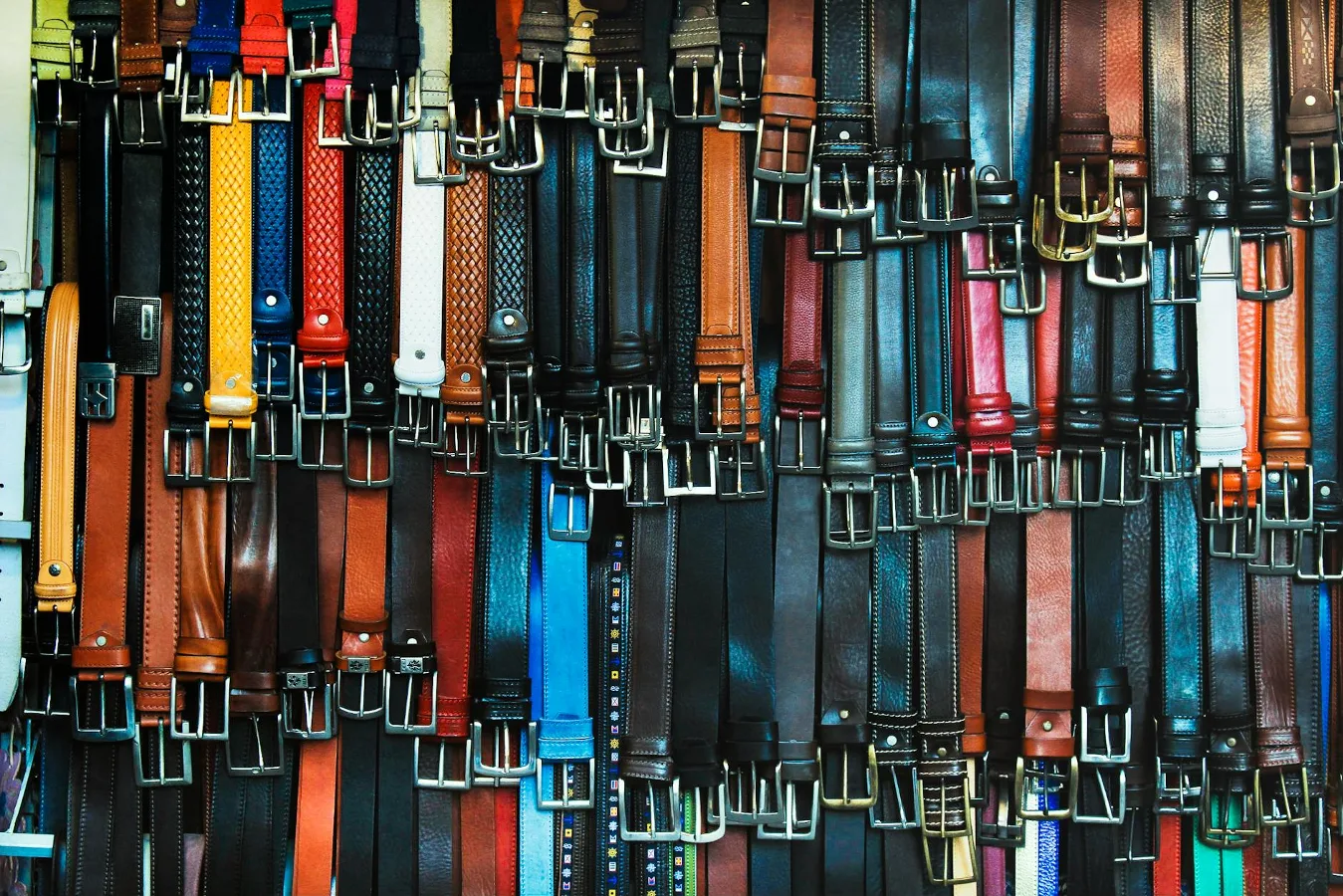
A closet belt organizer is a practical way to keep belts visible, untangled, and easier to reach. If you store belts in a drawer, a bin, or draped over a hanger, you already know how quickly they can become messy. The right organizer depends on how many belts you own, how much closet space you have, and whether you want a hanging, wall-mounted, or pull-out style.
For most shoppers, the goal is simple: keep belts in good shape while making daily dressing faster. That usually means choosing an organizer that supports the belt material, fits the closet setup, and is easy enough to use consistently. A good belt organizer should solve clutter without creating a new hassle.
Quick answer: what to look for in a closet belt organizer
The best closet belt organizer is the one that fits your storage style and your closet layout. If you want the easiest setup, a hanger-style organizer that hooks onto a closet rod is often the most flexible choice. If you prefer a cleaner built-in look, a pull-out or wall-mounted rack may work better. For smaller closets, compact hanging designs usually make the most sense. closet accessory storage ideas offers more detail on this point. Moda Collector Series Storage Bins Guide offers more detail on this point. Felt Storage Bin Buying Guide offers more detail on this point.
Before buying, focus on a few practical questions: Will it fit the belts you actually wear? Can you access it without removing other items? Will it protect leather or delicate finishes from unnecessary bending? Those details matter more than a decorative design or a long feature list.
How closet belt organizers differ
Closet belt organizers come in a few common formats, and each one solves the same problem in a different way. The main difference is how they use space and how easy they are to live with day to day.
Hanging belt organizers
These hang from a closet rod like a regular hanger. Some use hooks, while others have multiple loops, slots, or arms. They are popular because they do not require installation and can move with you if you rearrange the closet.
Best for: renters, small closets, and anyone who wants a simple setup.
Trade-off: they take up vertical hanging space and may swing or get crowded if your closet is already full.
Wall-mounted belt racks
Wall-mounted organizers are more permanent and can create a neat, dedicated storage area. They work well if you have a utility wall, a closet side panel, or a space that is not ideal for hanging garments.
Best for: larger closets, custom closets, and people who want a fixed home for accessories.
Trade-off: they require installation and are less flexible if your storage needs change.
Pull-out or built-in organizers
These are often part of a closet system and slide out from a cabinet or shelf section. They can feel more streamlined because the belts stay tucked away until needed.
Best for: organized wardrobe systems and users who want a polished look.
Trade-off: they usually cost more and make the most sense only if the closet is already designed around built-ins.
Over-the-door or hook-based storage
Less common for belts alone, these can still work in tight spaces. A simple hook rail or over-the-door accessory holder may be enough if you only need to store a small belt collection.
Best for: dorm rooms, temporary setups, and very compact spaces.
Trade-off: accessibility can be awkward, and belts may not hang as neatly as they do on a purpose-built organizer.
Comparison factors that matter most
Not every organizer is worth considering for every closet. A useful comparison starts with how you store, wear, and maintain belts in real life.
| Factor | What to consider | Why it matters |
|---|---|---|
| Space use | Rod space, wall space, or drawer clearance | Prevents overcrowding and keeps the closet practical |
| Access | How quickly you can grab a belt without moving other items | Improves daily convenience |
| Capacity | Number of belts it can reasonably hold | Helps avoid buying a solution that fills up too quickly |
| Material support | Whether hooks, slots, or arms are gentle on leather and fabric | Reduces bending, slipping, and wear |
| Installation | No-install, mounted, or built-in design | Determines how permanent the solution is |
| Organization style | Visible display vs. hidden storage | Affects how easy it is to maintain order |
One overlooked consideration is belt thickness. A slim dress belt and a wide casual belt may not behave the same way on the same organizer. If your collection is mixed, check whether the storage design can handle different buckle sizes and strap widths without slipping or crowding.
Materials and build quality
The material of the organizer matters because it affects durability, smoothness, and how well it protects the belts. Many organizers use metal, wood, plastic, or a combination of these materials.
Metal is often chosen for strength and a slimmer profile. It can work well in compact spaces, but the finish should be smooth enough to avoid scuffing belts or snagging straps.
Wood can look more refined and feel sturdy, especially in a custom closet. The downside is that wood organizers may be bulkier than metal alternatives and take up more visual space.
Plastic is usually lighter and more affordable, but quality varies a lot. A well-made plastic organizer can be useful, yet flimsy parts may flex under repeated use.
For leather belts, smooth contact points matter more than decorative details. Rough edges, tight clips, or sharp corners can be a problem over time. The same is true for delicate woven or suede belts, which are better stored in a way that avoids abrasion.
Choosing the right organizer for your closet
The best choice usually comes down to three practical questions: where the organizer will live, how often you use belts, and how many you need to store.
If you wear belts often and want them easy to see, a hanging organizer with open access is usually the most convenient. If your closet is already visually busy, a hidden pull-out option may feel calmer and more polished. If you have only a few belts, a simple hook or narrow rack may be enough.
Closet layout also matters. A short closet rod with limited clearance may not work well with a bulky hanging organizer. On the other hand, a deeper closet or a system with extra side space can support larger or more specialized storage.
Another practical nuance: if you share a closet, choose a design that will still feel intuitive to another person. A solution that looks organized but is awkward to use is often the one that gets ignored.
Common mistakes to avoid
- Buying for looks instead of access. A stylish organizer is not helpful if it is hard to reach or awkward to use every day.
- Ignoring belt size variety. Wide belts, thick buckles, and slimmer dress belts may need different support.
- Overfilling the organizer. Crowding belts together makes them harder to remove and can create unnecessary creasing.
- Choosing the wrong mount style. A wall-mounted rack is not ideal if you need a renter-friendly or temporary solution.
- Forgetting about closet traffic. If the organizer blocks shirts, jackets, or drawers, it may create more frustration than it solves.
- Assuming one type fits every storage need. Some people benefit from separating everyday belts from special-occasion belts or seasonal accessories.
Practical alternatives if a belt organizer is not the best fit
Sometimes a dedicated closet belt organizer is not necessary. A few simpler storage methods can work well depending on your space and habits.
Drawer dividers can be a good option if you want belts hidden and protected from dust. They work best when the drawer is deep enough and the belts are not overly bulky.
Hooks inside a closet can handle a small belt collection with minimal setup. This is often one of the easiest no-frills solutions.
Accessory trays or bins may work if you rotate belts seasonally or keep only a few on hand. The downside is that belts can become less visible and may tangle if not folded carefully.
Dedicated tie and belt combo organizers can make sense for wardrobes that include both accessories. Just make sure the storage spacing works for both item types, rather than forcing one category to fit poorly.
How to keep belts in better shape in storage
A closet belt organizer should do more than reduce clutter. It should also help preserve the belts themselves. Storing belts loosely in a bin can create bends, while squeezing them too tightly on hooks can leave them harder to wear flat.
For most belt materials, the safest habit is to store them in a relaxed position that avoids sharp folds. If a belt has a heavy buckle, look for an organizer that supports the buckle without forcing the strap into a tight curve.
It also helps to separate belts you use often from those you wear occasionally. Everyday belts should be the easiest to reach, while dress belts or seasonal pieces can live in secondary storage. That simple separation reduces clutter and makes maintenance easier.
Who benefits most from a closet belt organizer
A closet belt organizer is especially useful for people who wear belts regularly, own multiple styles, or want a more polished closet layout. It also helps in smaller closets where loose accessories quickly take over usable space.
It may be less useful for someone who owns only one or two belts and prefers to keep everything in a drawer. In that case, a simple hook or tray may be enough. The right answer is not always the most specialized one; it is the one that matches the real amount of storage you need.
If your closet also stores ties, scarves, or other accessories, it can be smart to think in terms of an overall system rather than a single item. A belt organizer works best when it fits into the rest of the storage layout instead of competing with it.
Final takeaway
The best closet belt organizer is the one that matches your space, your belt collection, and your daily routine. Hanging models are flexible and easy to add, wall-mounted racks are more fixed and polished, and pull-out organizers offer a cleaner built-in feel. The right choice depends less on a product label and more on whether it makes your closet simpler to use.
If you compare storage style, access, capacity, and material support before buying, you are much more likely to choose an organizer that stays useful instead of becoming just another cluttered accessory.