
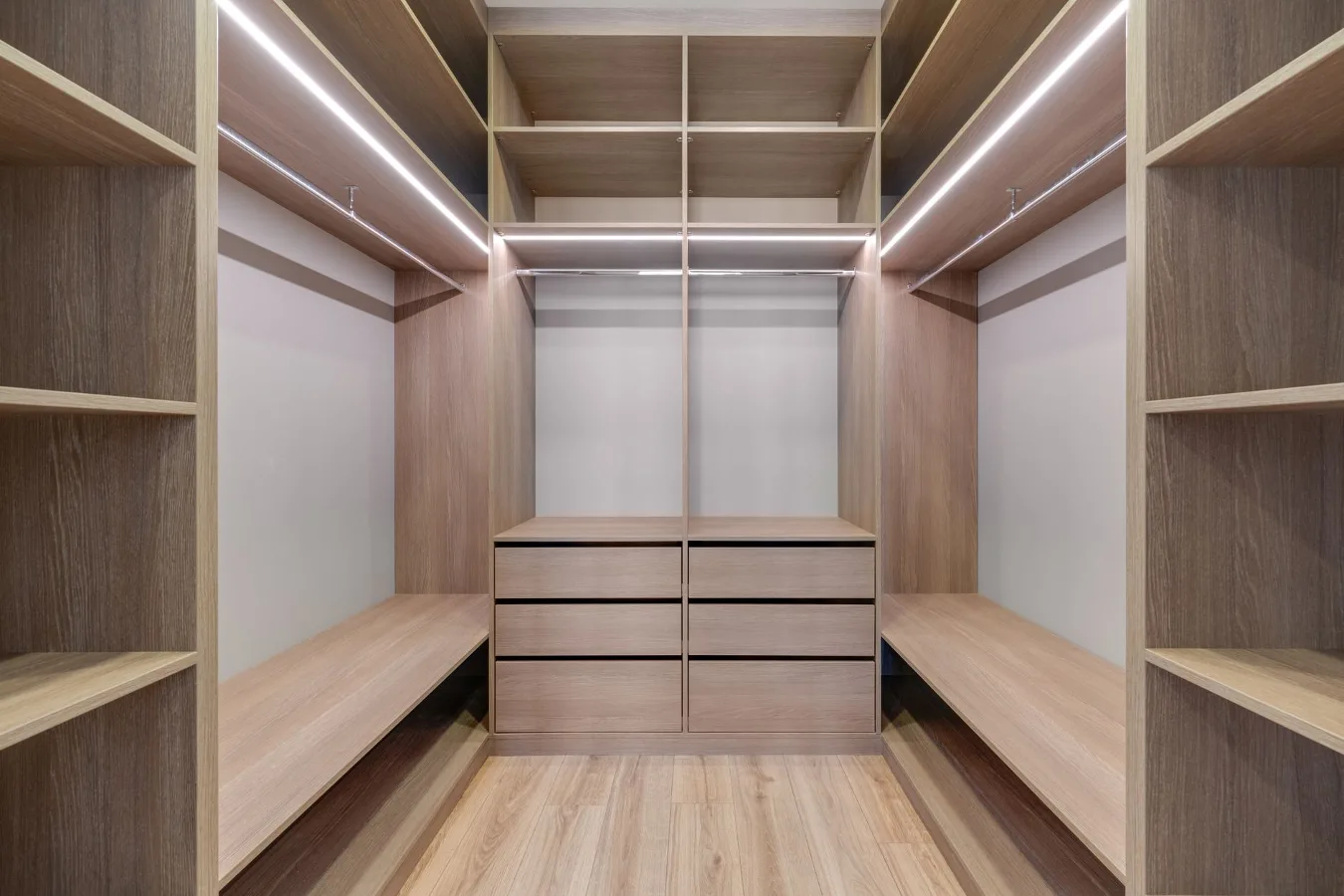
When closet organizer blueprints matter most
Closet organizer blueprints are most useful when you want storage that solves a specific problem instead of just filling empty space. They matter whether you are planning a built-in system, comparing modular components, or mapping a DIY project for a walk-in, reach-in, or awkwardly shaped closet. how to measure a closet for storage offers more detail on this point. mudroom closet organizer offers more detail on this point.
The real value of a blueprint is that it forces decisions early: what you store, how often you access it, whether you need more hanging space or more shelving, and how much flexibility you want later. Without that planning, closets often end up with shelves that are too high, rods that are poorly placed, or drawers that crowd the usable space.
For most homeowners, the right blueprint is less about a perfect drawing and more about a smart storage plan. It should make the closet easier to use every day, not just look organized on paper.
One common misconception is that a closet blueprint only matters for large custom closets. Smaller closets usually benefit even more, because every inch has a job to do.
Start with the storage problem, not the product
The best closet organizer blueprints begin with a clear answer to one question: what is this closet supposed to do? A bedroom closet that holds mostly hanging clothes needs a different layout than a linen closet, kid’s closet, or shared household closet.
Before thinking about finishes or accessories, list the categories that need storage. For example:
- Long-hanging garments such as dresses or coats
- Short-hanging items such as shirts, blouses, and jackets
- Folded clothing such as sweaters or jeans
- Shoes and bags
- Seasonal storage
- Accessories such as belts, ties, scarves, or jewelry
That list tells you which zones deserve the most space. It also helps you avoid overbuilding the wrong features. Many closets look impressive because they include drawers and specialty racks, but those features are not always useful for the people who will use the closet every day.
Step-by-step criteria for a useful closet blueprint
1. Measure the real space carefully
Start with the closet’s usable dimensions, not just the nominal size of the room. Measure width, depth, height, door swing, trim, baseboards, vents, outlets, and anything that reduces clear storage space.
This matters because closet organizer blueprints must account for the actual interior geometry. A shelf that fits on paper may interfere with a door frame or create a dead corner that is hard to reach.
Also note where the closet narrows or slopes. In older homes, closets are not always perfectly square, and that can change how shelving and hanging rods should be placed.
2. Decide what will hang and what will fold
Hanging storage and shelving solve different problems. Hanging space is better for wrinkle-prone items, workwear, and longer garments. Shelves work better for folded clothing, bins, towels, and seasonal items.
A practical blueprint usually combines both. The balance depends on wardrobe habits. If most clothing is folded, adding too many rods wastes useful volume. If most clothing hangs, stacking shelves too deep can make items hard to reach.
This is one of the most important trade-offs in closet planning: maximum capacity is not the same as best usability. A closet can hold more items if it is tightly packed, but that often makes daily access worse.
3. Group storage into zones
Good closet organizer blueprints divide the space into zones based on use, not just appearance. A simple structure usually works better than a complicated one:
- Everyday zone: the items you reach for most often
- Secondary zone: seasonal or occasional items
- Overflow zone: backups, extra bedding, or long-term storage
In a bedroom closet, the everyday zone should be at easy eye and hand level. Less-used storage can go higher or lower. In a linen closet, everyday towels and toiletries should be front and center, while backup supplies can go to upper shelves.
4. Match shelf depth and spacing to the contents
Shelf depth is easy to overlook, but it affects both storage efficiency and accessibility. Shallow shelves make items easier to see and retrieve. Deeper shelves can hold more, but they can also encourage stacking and hiding items in the back.
Spacing matters just as much. If shelf gaps are too tall, smaller items waste vertical space. If they are too short, bulky sweaters, baskets, or bins will not fit comfortably.
The best blueprint makes allowance for real containers and real habits, not idealized storage. If you plan to use baskets, bins, or drawers, size the shelves around those products rather than forcing them to fit after the fact.
5. Reserve room for access and movement
A closet can technically fit a lot of storage and still be frustrating to use. Doors must open, baskets need to slide out, and clothing should be reachable without constant rearranging.
This is especially important in narrow closets. A design that maximizes every inch may leave no comfortable space to stand, sort, or put things away. In some cases, fewer storage elements create a better result because they preserve movement and visibility.
Blueprint examples by closet type
Reach-in closet
Reach-in closet organizer blueprints usually work best when they keep the layout simple. A common approach is to use a mix of one or two hanging sections with overhead shelving for less-used items. If the closet is shallow or narrow, a clean layout often performs better than trying to force in too many drawers or specialty inserts.
Reach-in closets benefit from easy sightlines. Items should be visible quickly, and nothing should require extensive digging.
Walk-in closet
Walk-in closet blueprints give you more flexibility, but they can also become overcomplicated. The extra space makes it tempting to add every available storage feature, yet the best layouts still follow a clear priority: daily clothing first, less-used storage second, and decorative extras last.
If the closet has multiple walls available, think about how you move through the room. Leave enough open circulation so drawers, doors, and bins do not block one another. A well-planned walk-in should feel easy to navigate, not crowded by furniture-like components.
Small or narrow closet
Small closet blueprints need discipline. The most useful plans tend to emphasize vertical storage, slim accessories, and a strict split between essential and optional items. In tight spaces, too many drawers or bulky dividers can reduce usable capacity.
Sometimes the best small-closet solution is not a full custom system at all. Adjustable shelving, a single rod upgrade, and a few well-sized bins may be more effective than a dense, expensive build-out.
Linen or utility closet
Linen closet blueprints should prioritize visibility and quick access. Towels, sheets, cleaning supplies, and guest items all behave differently, so zoning becomes especially useful here. Adjustable shelving is often practical because household storage needs change over time.
Materials and construction choices that affect the plan
The blueprint should reflect not just layout, but also how the organizer will be built. Material choice affects durability, appearance, and maintenance. Common options include wood, engineered wood, wire, and modular laminated systems, each with different strengths.
Wood and wood-based systems can offer a more finished appearance and may suit built-in designs. Wire systems can improve airflow and visibility and may be easier to reconfigure. Modular systems often provide a middle ground, with more flexibility than fixed built-ins and a cleaner look than basic utility shelving.
For humid environments or closets near exterior walls, moisture tolerance becomes part of the decision. A storage system that suits the layout on paper may still be the wrong choice if the material is likely to warp, swell, or require frequent upkeep in that environment.
An overlooked consideration is how easy the system is to clean around. Dust-prone shelving, deep corners, and crowded accessories can make maintenance harder than expected. A simple, accessible layout often stays organized longer than an elaborate one.
Common mistakes that weaken a closet blueprint
- Designing around aesthetics first: attractive storage is useful only if it works for daily habits.
- Ignoring measurements that affect clearance: trim, doors, and hardware can change what fits.
- Overusing drawers: drawers are helpful, but too many can reduce open storage and make a system feel cramped.
- Leaving no flexibility: fixed layouts can become frustrating if wardrobe needs change.
- Overlooking vertical space: closets often have more height than people use effectively.
- Forgetting storage accessories: bins, shelves, hooks, and dividers should be planned, not added randomly later.
Another common mistake is treating all clothing the same. A blueprint that works for sweaters may be poor for dresses, bags, or coats. The best plan reflects the actual mix of items, not an imagined average wardrobe.
How to compare blueprint options before buying or building
If you are comparing closet organizer blueprints, focus on a few practical criteria rather than on the number of features. A more useful design usually answers these questions clearly:
- Does it match what you store most often?
- Can you reach the daily-use items easily?
- Does it make use of the full height of the closet?
- Will it still work if your storage needs change?
- Does it leave enough room for doors, bins, and movement?
- Can it be installed or assembled without unnecessary complexity?
In commercial search terms, many shoppers are trying to compare custom closet design, modular closet systems, and DIY layouts. The right choice usually depends on how permanent you want the solution to be. Custom-built plans offer a tighter fit and more integrated appearance. Modular systems offer easier changes later. DIY solutions can be economical and adaptable, but they require more planning to avoid wasted space. custom closet layout ideas offers more detail on this point.
Checklist for choosing the right blueprint
- List the items the closet will store by category
- Measure the full usable interior, including obstacles
- Decide how much hanging space you need
- Decide how much shelf or bin storage you need
- Reserve the easiest-access areas for daily use
- Keep less-used items higher or lower
- Check whether drawers are truly necessary
- Confirm that the layout leaves room to open doors and move comfortably
- Choose materials that fit the environment and maintenance level you want
- Leave some flexibility for future wardrobe or household changes
If a blueprint checks these boxes, it is far more likely to work in real life than a layout chosen mostly for appearance.
Practical alternatives if a full blueprint feels too ambitious
Not every closet needs a full custom plan. If you are not ready to commit to a built-in system, there are sensible alternatives that still improve storage significantly.
- Adjustable shelving: useful for closets with changing storage needs
- Modular components: better if you want flexibility and future reconfiguration
- Simple rod-and-shelf upgrades: often the best value for basic closets
- Freestanding closet systems: helpful when you cannot modify walls
- Bins and drawer inserts: good for tidying categories inside existing shelves
These options are especially useful if your main problem is clutter rather than capacity. Sometimes the fastest improvement comes from better zoning and better accessories, not from a complete rebuild.
Choosing a blueprint that will still feel useful later
The strongest closet organizer blueprints are not only efficient today; they remain useful as routines change. That means avoiding layouts that are so specialized they cannot adapt. A household with growing children, seasonal wardrobes, or changing work habits will usually benefit from adjustable and reconfigurable storage.
That does not mean every closet should be generic. It means the most successful plan balances specificity with flexibility. Build around your current needs, but leave room for shelves to move, containers to change, and storage categories to evolve.
If you are planning one closet at a time, start with the space that causes the most friction. A well-designed closet can simplify morning routines, reduce overstuffed shelves, and make the rest of the storage system easier to maintain. For that reason, a good blueprint is less about perfection and more about a layout that people can actually keep using.