
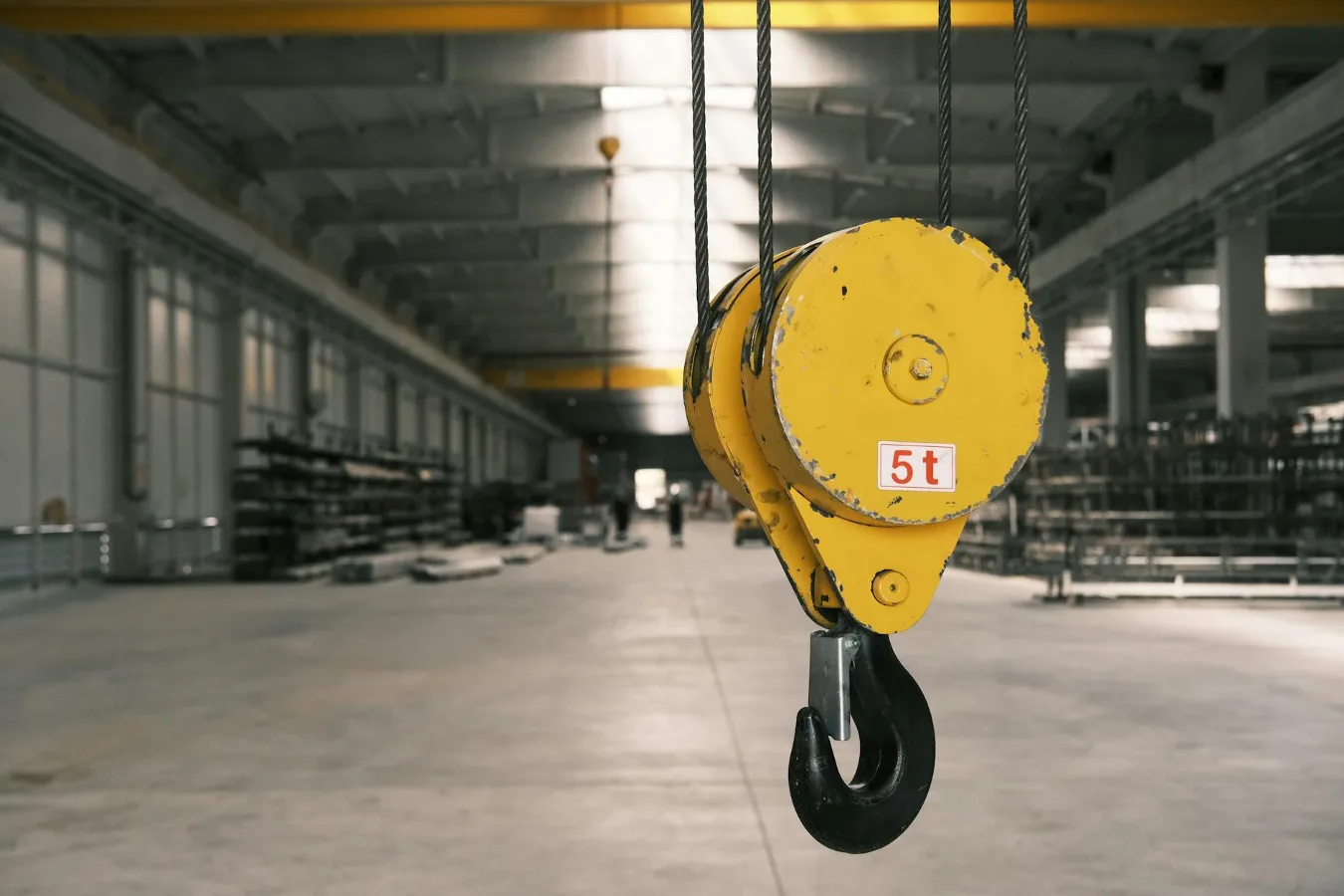
A garage ceiling storage lift is worth considering if you want to free up floor space without giving up access to bulky items you do not use every day. The right system can keep bins, seasonal decor, sports gear, or other garage overflow out of the way while still making them reachable when needed.
The key is not simply choosing the biggest lift or the one with the most features. The best option depends on your ceiling height, the structure above the garage, what you plan to store, and how often you want to lower it. Those details matter more than marketing language.
Who a garage ceiling storage lift is best for
This type of storage solution makes the most sense for homeowners who have more vertical space than floor space. It is especially useful in garages that need to serve several roles at once: parking, tool storage, household overflow, hobby space, and seasonal storage.
It is also a practical choice if you want to reduce clutter without moving items into a basement, attic, or off-site unit. A ceiling-mounted system keeps storage centralized, which can be a real advantage when the garage is the main catch-all area in the home.
That said, not every garage is a good candidate. Low ceilings, exposed obstructions, limited structural support, or frequent access needs can make a ceiling lift less convenient than expected. In those cases, wall-mounted shelves, freestanding cabinets, or track-style organization may be a better fit. garage organization ideas offers more detail on this point.
The main decision: fixed storage or lift access
Some buyers use the phrase garage ceiling storage lift to describe any overhead storage, but there is an important difference between a fixed overhead platform and a lift that lowers and raises items. That distinction should guide your purchase. choosing the right storage rack for your garage offers more detail on this point.
If you only need a place to put boxes that can stay put for long periods, a fixed overhead rack may be enough. If you want easier access to heavier or awkward items, a lift system provides more convenience, though usually with more moving parts and a higher level of complexity.
For many households, the decision comes down to frequency of use. If you will access the storage a few times a year, overhead access is less of a concern. If you want to rotate items more often, a lift can save hassle and reduce the risk of climbing ladders with bulky bins.
Ceiling height and garage layout matter more than people expect
One of the most overlooked considerations is how much usable clearance you actually have once the lift is installed. A garage with a tall ceiling may seem ideal, but ducts, garage door tracks, openers, lighting, sprinklers, and joists can all limit placement.
Measure the full path carefully, not just the center of the garage. Many systems need room for the platform, hardware, and safe lowering distance. If the garage door opens near the same area, make sure the lift will not interfere with the door, opener rail, or parked vehicles.
Also consider where you will stand while loading and unloading. A lift that seems perfect on paper can become frustrating if it hangs over an area that is hard to reach, too narrow to work around, or constantly occupied by a car.
Load capacity should match real-world use, not wishful thinking
Weight capacity is one of the most important spec factors, but it should be evaluated with a practical mindset. Think about the combined weight of the containers, shelving, bins, or gear you plan to store, not just the items themselves.
It is easy to underestimate the total load of holiday decorations, tools, camping equipment, or tote bins. A lift that seems oversized for one box may be undersized once several containers are loaded together. Leave a sensible margin rather than treating the published capacity as a target to reach.
Capacity also affects usability. Some systems are intended for lighter household storage, while others are designed for bulkier items. If you need to store heavier equipment, be cautious about assuming a general-purpose lift will do the job. The support structure in the ceiling matters just as much as the lift mechanism itself.
Material and construction details to check before buying
The frame, cables, pulleys, and mounting hardware all affect how dependable the system will feel over time. Strong steel construction is common in garage storage products, but the details of the build still matter. Look for clean welds, solid brackets, and hardware intended for overhead use rather than generic fasteners. how to use overhead garage storage safely offers more detail on this point.
For lift systems, cable quality and the locking or braking mechanism deserve close attention. A lift should feel controlled when raising or lowering, not loose or difficult to manage. If a system relies on manual cranking, the handle action should be manageable enough for the load you plan to store.
Finish also matters in a garage environment. Moisture, dust, road salt, and temperature swings can all be part of daily garage life in much of the United States. A corrosion-resistant finish will not solve every maintenance issue, but it can help a system hold up better over time.
What to look for in the mounting hardware
- Hardware intended for joist or structural mounting, not just surface mounting
- Clear installation instructions that explain spacing and anchoring
- Fasteners matched to the system rather than generic substitutes
- Locking features that prevent accidental lowering or shifting
- Components that are easy to inspect during routine checks
Manual, pulley, and motorized lifts each suit a different buyer
The right operating style depends on how often you plan to use the storage and how much effort you want to put into each access cycle. A manual lift is usually simpler and may have fewer parts to maintain. A pulley system can offer a straightforward mechanical solution, though it may require more physical effort.
Motorized lifts can be appealing for convenience, especially if you expect to raise and lower items often. They can be easier to use for heavier loads or for people who want to avoid cranking by hand. The trade-off is added complexity, dependence on power, and potentially more to consider during installation.
A common misconception is that motorized always means better. For occasional seasonal storage, a well-built manual system may be a smarter long-term choice because it is simpler, easier to understand, and less dependent on electrical setup. Convenience is valuable, but so is reliability.
Safety deserves more attention than style
Overhead storage changes how you interact with the garage, so safety should be part of the buying decision from the start. You are suspending objects above parking space and movement areas, which means secure mounting and locking matter.
Before buying, confirm that the system is designed for overhead installation and that the manufacturer’s instructions are clear about mounting requirements. A lift should include a dependable locking or holding mechanism so the platform does not drift after it is raised.
Another practical safety point: plan for what happens during use. A storage lift should not force you to stand under unstable items longer than necessary, and it should not require awkward lifting positions. If you need to wrestle with heavy bins or climb while balancing them, the system may not actually be safer than lower storage.
What to store on a garage ceiling storage lift
These systems are generally best for items that are bulky, infrequently accessed, and easier to store in containers or on a stable platform. Common uses include holiday decorations, off-season sporting goods, luggage, camping gear, and archive boxes.
Items that are fragile, frequently needed, or awkward to balance may be less suitable. Liquids, loose small parts, and irregularly shaped objects can create mess and handling problems if they are not contained properly. Open storage overhead often becomes inconvenient faster than expected.
If you plan to store multiple bins, choose containers that stack cleanly and stay stable during lifting. Standardized bin sizes are usually easier to manage than a mix of one-off containers.
Installation constraints can determine the best product
Many shoppers focus on the product and overlook the garage structure itself. That is a mistake, because a ceiling storage lift is only as workable as the surface it attaches to. The ceiling must support the system in the way the manufacturer requires, and the installation should match the garage’s framing layout.
Before purchase, verify joist direction and spacing, overhead obstructions, and whether any electrical components, garage door hardware, or lighting fixtures occupy the same zone. If the installation looks complicated, professional help may be worth considering, especially for motorized systems or situations where the structure is not straightforward.
Another nuance: a lift that installs easily in one garage may be poor in another because garage layouts vary widely. Two homes with similar square footage can have very different ceiling structures and clearance patterns.
Cost considerations beyond the sticker price
Price is only one part of the decision. A more complete comparison includes installation needs, accessory purchases, possible professional labor, and how much value you place on convenience. A cheaper system that is hard to use may end up being less useful than a better-designed one you access regularly.
Motorized systems often introduce additional costs in the form of electrical setup or more complex installation. Manual systems may be less expensive and simpler, but they can take more effort each time you use them. Neither choice is automatically better; the right balance depends on your storage habits.
Also think about long-term value in terms of organization. If a lift helps you keep the garage functional, protects items from floor clutter, and reduces the need for stacked piles, the practical benefit may exceed the original purchase price. If it is awkward enough that you stop using it, the value disappears quickly.
Common mistakes buyers make
One of the most common mistakes is buying based on capacity alone without checking ceiling compatibility. Another is assuming every overhead system works well for every garage door configuration. Clearance issues can turn an otherwise good product into a poor fit.
People also sometimes choose a lift for items they need too often. If you must lower the system every week, the convenience may not outweigh the hassle. In that case, wall-mounted storage or open shelving may be better.
Finally, many buyers overlook access planning. A garage ceiling storage lift should make life easier, not create a storage area that is technically available but practically inconvenient. If you need to move cars, clear space, or rearrange other items every time you want a box, the system may not be solving the real problem.
Alternatives worth considering
Ceiling lifts are not the only way to gain garage storage. Depending on your layout, a few alternatives may fit better.
- Fixed overhead racks for items that can remain untouched for long periods
- Wall-mounted shelving for easier access and fewer overhead concerns
- Freestanding cabinets for tools, chemicals, and items that benefit from enclosed storage
- Track and slatwall systems for flexible organization and better everyday access
- Rolling storage carts for gear that needs to move between garage zones
The right answer often depends on what you are storing. Heavy, rarely used, well-contained items lean toward overhead systems. Daily-use tools and gear usually belong closer to eye level or on the floor.
How to narrow the best option quickly
If you are comparing garage ceiling storage lifts, start with three questions: how much weight do you need to store, how often will you access it, and what does your ceiling structure allow? Those answers eliminate many mismatches before you spend time comparing features.
After that, consider whether simplicity or convenience matters more. If you want fewer moving parts and occasional access, a manual setup may be enough. If you want easier operation and expect frequent use, a motorized or more refined lift may justify the added complexity.
From there, focus on installation fit, mounting requirements, and the quality of the hardware. A lift is not just a storage product; it is an overhead system that needs to work safely in your specific garage.
Next steps before you buy
Measure your ceiling height, note any obstructions, and identify the exact area where the lift would sit. Then list the items you plan to store and group them by weight, shape, and how often you need them.
Once you know those basics, compare systems based on structure, operation style, locking features, and mounting requirements rather than appearance. That approach leads to a better long-term fit and helps you avoid a purchase that looks good but works poorly in your garage.
A garage ceiling storage lift can be a smart purchase when it solves a real space problem and matches the way you actually use the garage. Choose for compatibility first, convenience second, and you are far more likely to end up with storage that stays useful.