
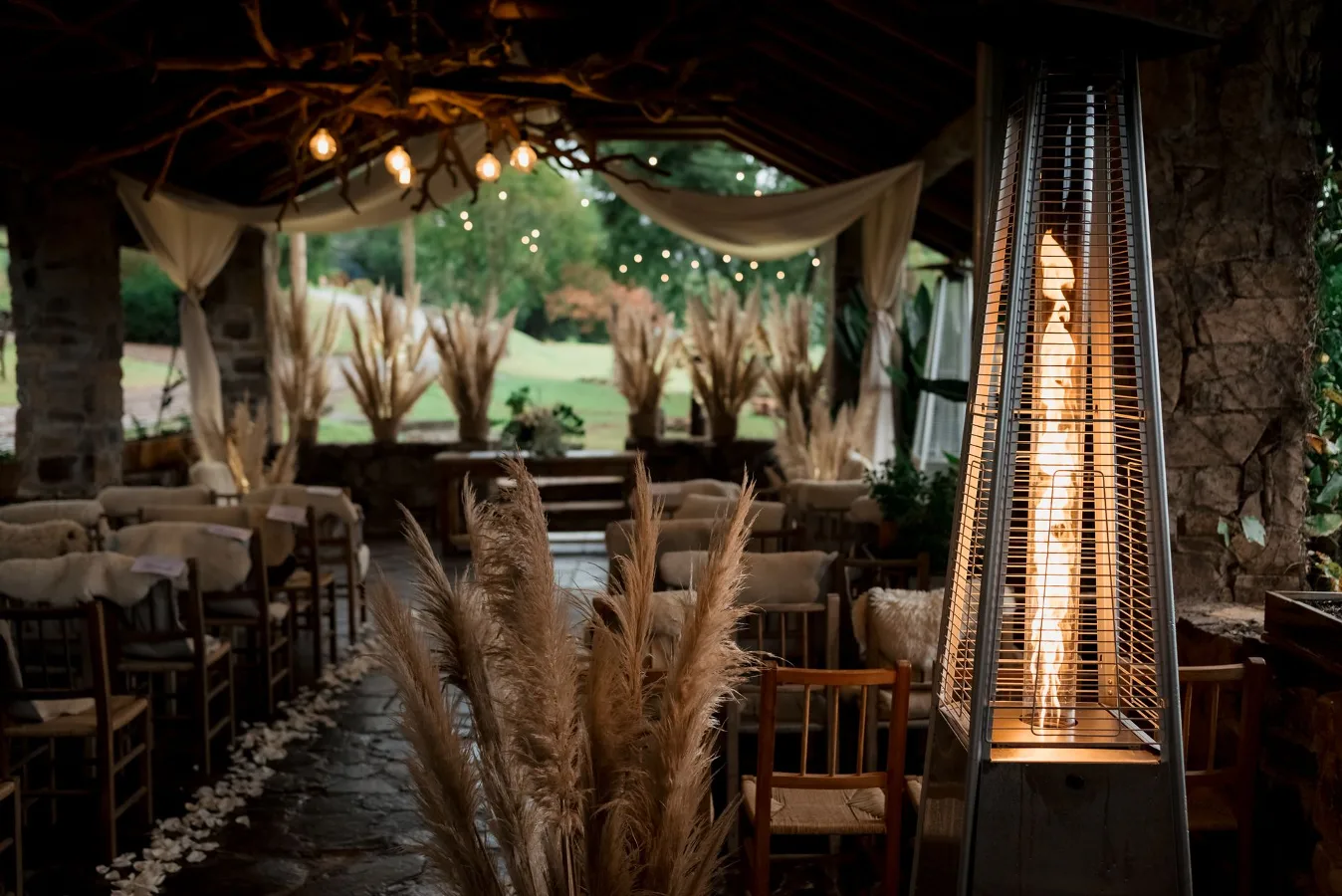
An outdoor space heater rental makes the most sense when you need warmth for a limited time and do not want to buy, store, or maintain equipment you will only use occasionally. It is a practical option for patios, restaurant seating areas, weddings, corporate gatherings, pop-up events, and temporary workspaces where comfort matters but permanent installation does not.
The right rental depends less on the heater’s appearance and more on the setting: how open the area is, whether you have access to electricity or propane, how many people need to be warmed, and what local safety rules apply. That decision should come first, because the wrong heater can leave guests cold, create unnecessary setup problems, or be unsuitable for the venue.
When renting an outdoor space heater makes sense
Rental is usually the better choice when the need is temporary, seasonal, or tied to an event. It also works well when you need flexibility. A patio that hosts dinner service in cool evenings may need a different setup than a one-night event in a tented space or a short-term construction staging area.
Rental can also be a practical alternative if you do not want to commit to permanent equipment. Outdoor heaters may require storage space, fuel planning, maintenance, or electrical access. If those trade-offs are not worth it for occasional use, renting keeps the decision simple.
Common use cases include:
- Restaurant patios and sidewalk dining
- Private parties, weddings, and receptions
- Corporate events and trade shows
- Temporary tented spaces
- Seasonal retail or hospitality setups
- Outdoor break areas or job sites
Start with the setting, not the heater
The most useful way to choose an outdoor heater rental is to begin with the space itself. A heater that works well in a partially enclosed patio may perform poorly in a fully open area with wind exposure. Likewise, a unit that is ideal for a small cluster of tables may not be appropriate for a long walkway or a larger event footprint.
Open air versus sheltered space
Open spaces lose heat quickly. Wind, gaps in coverage, and overhead clearance all affect how warm the area feels. In these conditions, a rental heater should be selected for practical coverage rather than just heat output on paper. If the venue is breezy or exposed, you may need more than one unit or a different heating approach altogether.
Sheltered patios, tents, and semi-enclosed areas usually hold warmth better. That does not mean any heater will work, though. Clearance, ventilation, and placement still matter, especially if fuel-burning equipment is involved.
Guest comfort and layout
Think about how people will actually use the space. Are they seated and stationary, or moving around? Are they gathered around tables, standing at a bar, or passing through an entry area? Heaters are most effective when they support a specific layout rather than trying to warm an entire outdoor footprint equally.
This is an overlooked consideration: many rental mistakes happen because the space is described by square footage alone. Real-world comfort depends on seating arrangement, airflow, height, and whether the heater can be placed where people spend the most time. Commercial Air Purifier Buying Guide offers more detail on this point. industrial air purifier offers more detail on this point.
Choose the heater type based on power, fuel, and restrictions
Outdoor space heater rentals are commonly offered in more than one format, and the right choice depends on what the venue allows and what kind of setup you can support.
Propane heaters
Propane heaters are often chosen for flexible placement because they do not rely on a power outlet. That makes them useful for patios, remote event spaces, and areas where extension cords would be impractical or unsafe. They can be a good fit when mobility matters and you need to place the heater where warmth is most useful.
Trade-offs include fuel handling, cylinder storage, and the need for proper ventilation and safe clearance. They may also be restricted by some venues or event policies, so check site rules before assuming they are allowed.
Electric heaters
Electric outdoor heaters can be a clean and convenient option where power is available and the venue permits them. They avoid fuel storage and may be easier to manage in controlled environments. For some locations, that simplicity is the main advantage.
The limitation is electrical access. You need to confirm outlet availability, circuit capacity, cord management, and whether the heater can be safely positioned without creating a trip hazard. Electric units are often easier to manage in smaller, more contained setups than in fully open-air spaces.
Infrared heating
Infrared heaters are designed to warm people and objects more directly rather than trying to heat the entire air volume. That can be useful outdoors, where air heat escapes quickly. They are often discussed for patios and covered spaces because they can feel effective without relying on the same ambient warming approach as traditional space heaters.
As with any rental, the practical question is not just what the heater is, but where it can be mounted or placed, what power it needs, and whether the venue supports it.
Step-by-step criteria for selecting a rental
If you are comparing outdoor space heater rentals, use a simple decision sequence instead of jumping straight to price.
- Define the space. Note whether it is open, partially covered, tented, or fully enclosed on some sides.
- Map the use pattern. Identify where people will sit, stand, or move most often.
- Check site restrictions. Confirm fuel rules, ventilation requirements, and any venue-specific limitations.
- Verify power or fuel access. Make sure the setup matches what is actually available on site.
- Estimate coverage needs. Decide whether one unit can support the area or whether multiple heaters would be more realistic.
- Plan placement and clearance. Consider how the heater will fit with tables, walkways, tent walls, and overhead structures.
- Review delivery and pickup logistics. Make sure the rental company can accommodate the event timeline.
This process helps reduce a common misconception: that all outdoor heaters are interchangeable. They are not. A model that is convenient to rent can still be the wrong fit if it cannot be placed safely or used effectively in the actual environment.
Examples of common rental scenarios
Restaurant patio seating
For dining areas, comfort usually matters at table height and along the perimeter where drafts are strongest. A setup that supports consistent warmth near seated guests is more useful than a single unit aimed broadly at open air.
If the patio is busy and tables are moved often, portability and ease of repositioning matter. If the space is fixed, mounting or stable placement may be the better route.
Wedding or private event tent
Tented events introduce a different set of concerns. Heat retention can be better than in open air, but ventilation, clearance, and guest flow become more important. The rental choice should match the tent size, sidewall configuration, and event schedule, especially if the event extends into the evening.
Heater placement matters here more than many people expect. Poor placement can create hot spots near one section while leaving the rest of the tent chilly.
Outdoor work or staging area
For temporary work areas, the goal may be maintaining comfort rather than creating lounge-level warmth. In those cases, durability, stable placement, and safe operation can matter more than appearance. Fuel planning and access to power may also be more important than in a hospitality setting.
Safety and setup considerations that are easy to overlook
Outdoor heaters are often rented for convenience, but safe use requires more than simply turning them on. Clearance from walls, tents, furniture, overhead decorations, and traffic paths should be reviewed before the heater arrives. That is especially important at event venues where the layout changes quickly.
Also consider who will manage the unit. A rental that seems simple on paper can be inconvenient if staff need to reposition it frequently, monitor fuel levels, or manage cords and hoses throughout the event. The easiest-looking option is not always the easiest option operationally.
Another practical constraint is weather. Light wind can affect comfort and efficiency, while rain or moisture may change whether a heater can be used at all. For outdoor rental planning, weather tolerance should be part of the decision rather than an afterthought.
Cost considerations without overcomplicating the choice
Rental pricing can vary by heater type, duration, delivery, fuel, and service level. Because those details change from one provider to another, it is more useful to compare total rental needs than to focus only on the unit itself.
Ask what is included: delivery, pickup, fuel, setup, breakdown, or support. Sometimes a lower base rate becomes less attractive once logistics are added. On the other hand, a slightly higher rental may be worthwhile if it simplifies installation or reduces on-site management.
For short events, convenience can matter as much as the unit type. For longer temporary use, the balance shifts toward reliability, fuel or power planning, and how much staff attention the heater will require.
What to ask before you book
Use this checklist to compare outdoor space heater rental options in a practical way.
- Is the heater suitable for open air, partially covered areas, or tents?
- Does it use propane, electricity, or another power source?
- What space or clearance does it require?
- Is delivery, setup, or pickup included?
- Are fuel, cords, or accessories part of the rental?
- Are there venue restrictions or safety requirements to review?
- How many units are usually needed for a space like yours?
- What happens if the event layout changes on site?
If a provider cannot answer these questions clearly, that is a sign to slow down before booking. A good rental arrangement should make the setup easier, not force you to improvise on the day of the event.
Alternatives if a heater rental is not the best fit
Sometimes a heater rental is the wrong solution. If the area is too open, the event is too short, or the venue has strict restrictions, another approach may be more practical.
- Outdoor event tenting: Helps retain warmth and reduce wind exposure.
- Windbreaks or side panels: Can improve comfort without changing the heating equipment.
- Layered guest comfort planning: Blankets, warmer seating zones, and timing adjustments may help for low-intensity needs.
- Permanent patio heating: May make more sense for venues that use outdoor seating regularly.
These alternatives do not replace a heater in every case, but they can reduce the size or number of units needed.
FAQ
How do I know what size outdoor heater to rent?
Start with the actual layout, not just the area’s total square footage. Consider whether the space is open, sheltered, or tented, and where people will sit or stand. If you are unsure, ask the rental provider how they match unit type to the intended setup.
Is propane or electric better for outdoor space heater rental?
Neither is universally better. Propane is often more flexible when power is limited, while electric can be simpler where outlets and electrical capacity are available. The best choice depends on the site, venue rules, and how the heater will be positioned.
Can one heater warm an entire patio or event area?
Sometimes, but not always. Outdoor spaces lose heat quickly, especially when exposed to wind. Many setups work better with targeted heating near seating or gathering areas rather than trying to warm the full perimeter equally.
What should I check before the heater arrives?
Confirm placement, clearance, power or fuel access, and who is responsible for setup. It also helps to review venue restrictions and make sure the unit can be delivered and removed on your event timeline.
Are outdoor heaters suitable for tents?
Often yes, but the tent structure, ventilation, and clearance requirements matter. Tented spaces are not automatically compatible with every heater type, so the rental should be matched to the specific tent and event plan.
Practical takeaway
The best outdoor space heater rental is the one that fits the actual venue, the available power or fuel, and the way people will use the space. Focus on compatibility first, then compare convenience, safety, and logistics. That approach usually leads to a more comfortable setup than choosing by price or appearance alone.