
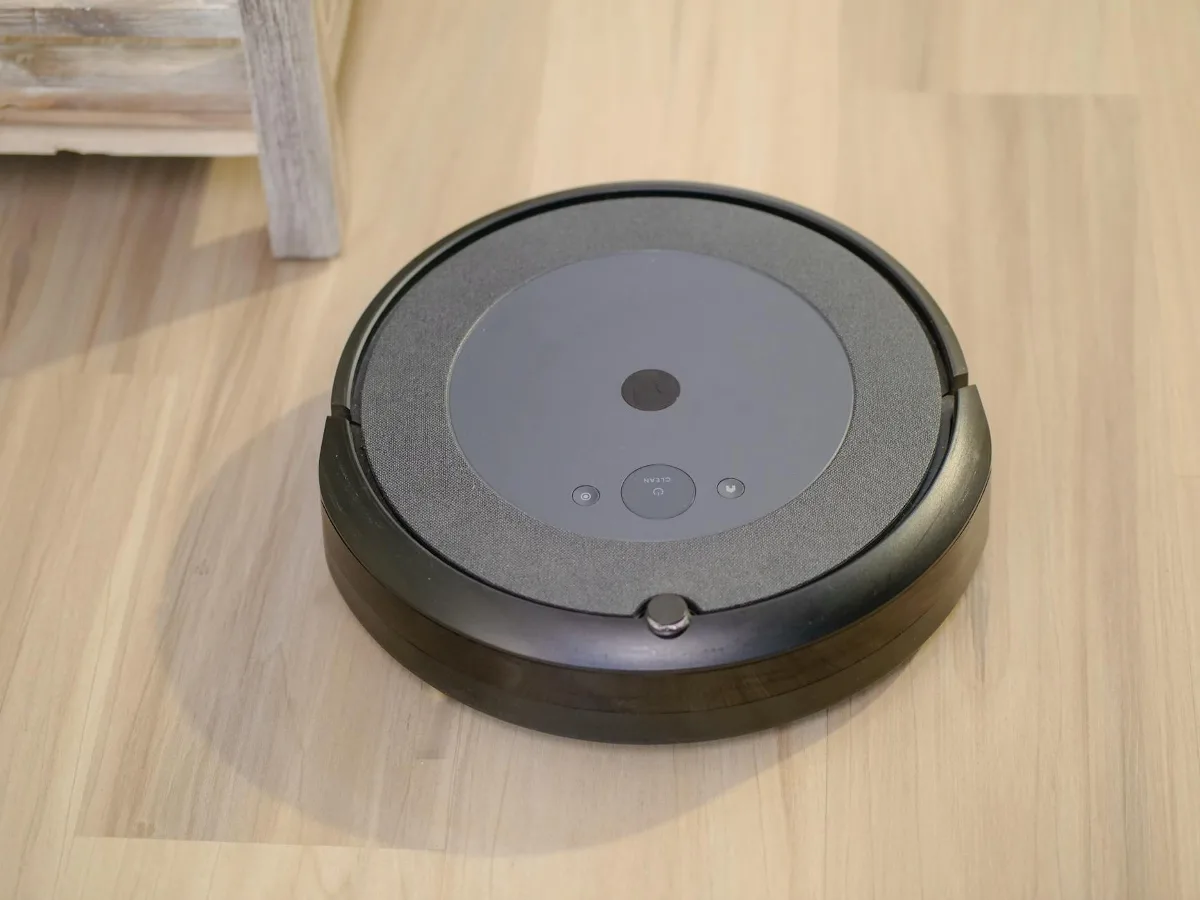
A small robot vacuum cleaner is usually the right choice when space is tight, furniture sits low to the floor, or you want a cleaning device that can move through apartments and smaller homes without demanding much storage. The trade-off is straightforward: compact size can make a robot easier to place, easier to tuck away, and better suited to narrow areas, but it can also limit dustbin capacity, battery size, and sometimes navigation features. robot vacuum navigation basics offers more detail on this point.
If you are shopping for one, the most useful question is not simply whether it is “small,” but whether its size matches your floor plan, flooring, and cleaning habits. A robot vacuum that looks space-saving on paper can still be awkward if it cannot fit under the furniture you want it to clean, gets stuck often, or needs frequent emptying.
Why a small robot vacuum cleaner makes sense
Compact robot vacuums are appealing for a few practical reasons. They are often easier to store in a closet, laundry nook, or utility cabinet. They can also be a better fit in homes where chairs, side tables, radiators, and other obstacles leave little open floor space. For many apartment dwellers, that matters more than raw cleaning size or a long list of app features.
Another reason people look for a small robot vacuum cleaner is clearance. If your couch, bed, or cabinet sits low enough for a robot to pass underneath, the vacuum may clean places that are easy to ignore during routine tidying. That can be especially helpful in bedrooms, studio apartments, and small living rooms where dust tends to collect out of sight.
Still, “small” does not automatically mean “better.” A compact model may be a strong fit for light daily upkeep, but it may be less practical if you need frequent deep cleaning, have a lot of pet hair, or want a robot that can go longer between emptying and charging.
Key factors that matter before you buy
Height and clearance are more important than footprint
Shoppers often focus on diameter, but the more important measurement is usually height. If the robot cannot fit under your sofa or bed, its compact footprint will not help much. Before buying, check the clearance under the main pieces of furniture you want cleaned.
Also consider whether the vacuum’s top-mounted sensors, lidar turret, or raised housing affect its profile. Some robots are slim enough for lower furniture, while others are compact in width but still relatively tall. That difference can change how useful the machine feels in an actual home. how to choose a robot vacuum offers more detail on this point.
Navigation quality affects whether small size is an advantage
A smaller robot can move through tighter layouts, but navigation determines whether it does so efficiently. Basic bump-and-turn behavior may work in simple rooms, yet it can take longer and miss spots in homes with chair legs, cords, or clustered furniture. More advanced navigation systems can map rooms more consistently and reduce repeated passes.
For a small home, navigation is not about chasing premium features for their own sake. It is about limiting frustration. If the robot frequently gets wedged under furniture or spends too much time circling obstacles, the convenience advantage fades quickly.
Dustbin capacity and upkeep need realistic attention
Small robot vacuum cleaners often have smaller dustbins. That is not a problem if you sweep or vacuum often and only want the robot to maintain floors between deeper cleans. It becomes a limitation if your household sheds a lot, tracks in outdoor debris, or generates pet hair every day.
Frequent emptying is not a deal-breaker, but it is a maintenance habit you should be comfortable with. If you prefer a more hands-off routine, look for a compact model that either holds enough debris for your space or works with an auto-empty base. Just remember that a base station takes up more floor space, which can reduce the appeal of a small unit.
Battery life should be matched to your floor plan
In a small apartment, battery life may not need to be exceptional. In fact, a smaller home can be a good use case for a compact robot because it may finish before needing to recharge. The more important question is whether the robot can complete your usual cleaning area without interruption.
If your home has multiple rooms, area rugs, or transitions between hard floors and carpet, battery management becomes more important. Some robots are designed for quicker daily runs, while others are better for larger spaces. A compact model should still have enough runtime to handle your routine without feeling like a half-finished task.
Floor type changes the value of a compact robot
Small robot vacuum cleaners tend to make the most sense on hard floors, such as tile, vinyl, laminate, and hardwood. They can also work on low-pile carpet, but carpet performance depends heavily on brush design, suction, and the thickness of the rug.
If your home has mostly hard flooring with a few rugs, compact size may be an advantage because the robot can navigate easily without needing much power or space. If your home is mostly carpeted, size alone matters less than cleaning mechanism and traction.
Noise level and daily timing
Because many small robot vacuums are used in apartments or smaller homes, noise can matter more than people expect. A compact unit may be easier to run while working from home, watching TV, or keeping a sleeping child or pet nearby, but sound levels vary by model and cleaning mode.
Instead of assuming a smaller robot will be quieter, think about where and when you plan to use it. A machine that is acceptable during daytime upkeep may be annoying in a one-room living area if it is run too aggressively.
Practical ways to choose the right model
Start with the space, not the product
Measure the areas that matter most. Check the height of low-clearance furniture, identify the tightest pathways, and think about where the robot will dock when not in use. A small robot vacuum cleaner should fit your home’s layout without forcing you to rearrange rooms around it.
This is one of the most overlooked considerations: a compact robot can be the wrong fit if the dock ends up in a cramped corner, behind a door swing, or in a hallway where it blocks traffic. The machine may be small, but the dock and any base station still need practical space. this coffee maker kazumi guide offers more detail on this point.
Choose navigation based on your layout complexity
If your home is open and simple, a basic navigation system may be enough for routine maintenance. If you have furniture clusters, narrow passages, or several room transitions, mapping and more deliberate navigation can save time and reduce missed areas.
For many buyers, this is where the decision becomes less about size and more about behavior. A slightly larger robot that covers the floor more predictably may be the better choice than the smallest model available.
Match suction and brush design to the debris you actually have
A small robot vacuum cleaner should be judged by the kind of mess it will face. Fine dust on hard floors is one thing. Crumbs in a kitchen, hair in a bathroom, or pet fur near baseboards is another. Brush design, edge cleaning behavior, and suction settings all affect how well the robot handles real-life debris.
If you live with pets, check whether the robot is intended for hair pickup and whether the brush system is easy to clean. Hair wrap is a common nuisance, and compact models are not automatically immune to it.
Consider maintenance before features
App control, scheduling, and voice assistant compatibility can be useful, but they should not outweigh basic upkeep. A robot that is hard to clean or too small to be convenient may become a chore. Look at how easy it is to empty the bin, remove hair from the brush, and access filters.
For a smaller home, simple maintenance may matter more than advanced automation. A robot that you can quickly inspect and reset often ends up being more practical than one with a long feature list that is rarely used.
When a small robot vacuum cleaner is the better choice
- You live in an apartment, condo, studio, or smaller house with limited storage.
- You want a vacuum that can reach under low furniture.
- Your floors are mostly hard surfaces with occasional rugs.
- You prefer regular light cleaning over infrequent deep cleaning.
- You want a compact appliance that is easy to tuck away between uses.
These are the situations where size becomes a real advantage instead of a minor spec. The robot does not need to be the most powerful or most advanced if your goal is simple floor maintenance in a tighter space.
When a compact model may not be enough
A small robot vacuum cleaner is not always the best fit. If you have a large home, heavy shedding pets, thick rugs, or a lot of clutter on the floor, a compact model may feel like a compromise. Smaller dust capacity can mean more frequent emptying, and lighter-duty navigation can struggle in busy layouts.
Another limitation is obstacle management. A compact robot can still get tangled in charging cords, clothing, pet toys, or curtain hems. If your floors are often cluttered, no small vacuum can replace basic prep before cleaning.
Some buyers also assume that a small robot will be easier in every way. In practice, smaller robots can be more convenient to store, but not necessarily easier to live with if they need more oversight or more frequent upkeep.
Useful alternatives if compact size is not enough
If you like the idea of a robot vacuum but need more capacity or stronger coverage, consider a mid-size robot with better mapping, a longer runtime, or an auto-empty base. That kind of model may take up more space, but it can be a smarter choice for busier homes.
If your main issue is storage rather than cleaning power, a cordless stick vacuum and a simple charging dock may be a better match. It gives you flexibility without committing to a robot that must operate within the boundaries of a floor plan.
For homes with mostly hard flooring and light daily debris, a compact robot can still be the most efficient answer. For mixed flooring or higher mess levels, a more capable model may be worth the extra footprint.
Common mistakes shoppers make
- Buying for size alone and ignoring height clearance under furniture.
- Overlooking dustbin capacity and assuming all small models are equally convenient.
- Choosing a model with weak navigation for a cluttered layout.
- Assuming compact robots are equally effective on carpet and hard floors.
- Forgetting to account for the dock or base station footprint.
- Ignoring maintenance tasks like filter cleaning and hair removal.
A lot of disappointment comes from treating “small” as the main feature. In reality, the best fit depends on how the vacuum will behave in your rooms, not just how little space it occupies in a product listing.
Decision guide: what to prioritize first
| Priority | What to look for | Why it matters |
|---|---|---|
| Low furniture clearance | Compact height | Determines whether the robot can clean under beds, sofas, and cabinets |
| Small living spaces | Good navigation in tight layouts | Helps the robot move efficiently without constant intervention |
| Frequent maintenance | Easy-empty dustbin and accessible brushes | Makes regular upkeep less frustrating |
| Hard floors | Reliable pickup on smooth surfaces | These are the easiest conditions for a compact robot |
| Pet homes | Hair-handling brush design | Reduces tangles and keeps daily cleanup manageable |
If you are deciding between two models, prioritize the one that better matches your layout and cleanup habits. A slightly less compact robot can be the better purchase if it saves time, handles your flooring more reliably, or reduces the amount of hands-on cleanup you need to do.
Concise FAQ
What is the main advantage of a small robot vacuum cleaner?
The biggest advantage is fit. A compact robot is often easier to store, easier to use in tight spaces, and better suited to cleaning under low furniture.
Are small robot vacuums good for apartments?
Yes, they often are. Apartments usually benefit from compact storage, simple floor plans, and frequent light cleaning, which play to a small robot’s strengths.
Do small robot vacuums work on carpet?
Some do, especially on low-pile carpet or rugs, but performance varies. For thicker carpet, brush design and suction matter more than compact size.
What should I check before buying one?
Check height clearance, navigation style, dustbin capacity, battery coverage for your floor plan, and how easy it is to maintain the brush and filters.
Is a small robot vacuum cleaner enough for pet hair?
It can be, if the brush system and pickup design suit your home. For heavier shedding, though, a compact model may need more frequent cleaning and emptying.
A small robot vacuum cleaner works best as a practical maintenance tool, not a one-size-fits-all solution. If you choose based on your rooms, flooring, and upkeep habits rather than size alone, you are much more likely to end up with a model that feels genuinely useful day to day.