
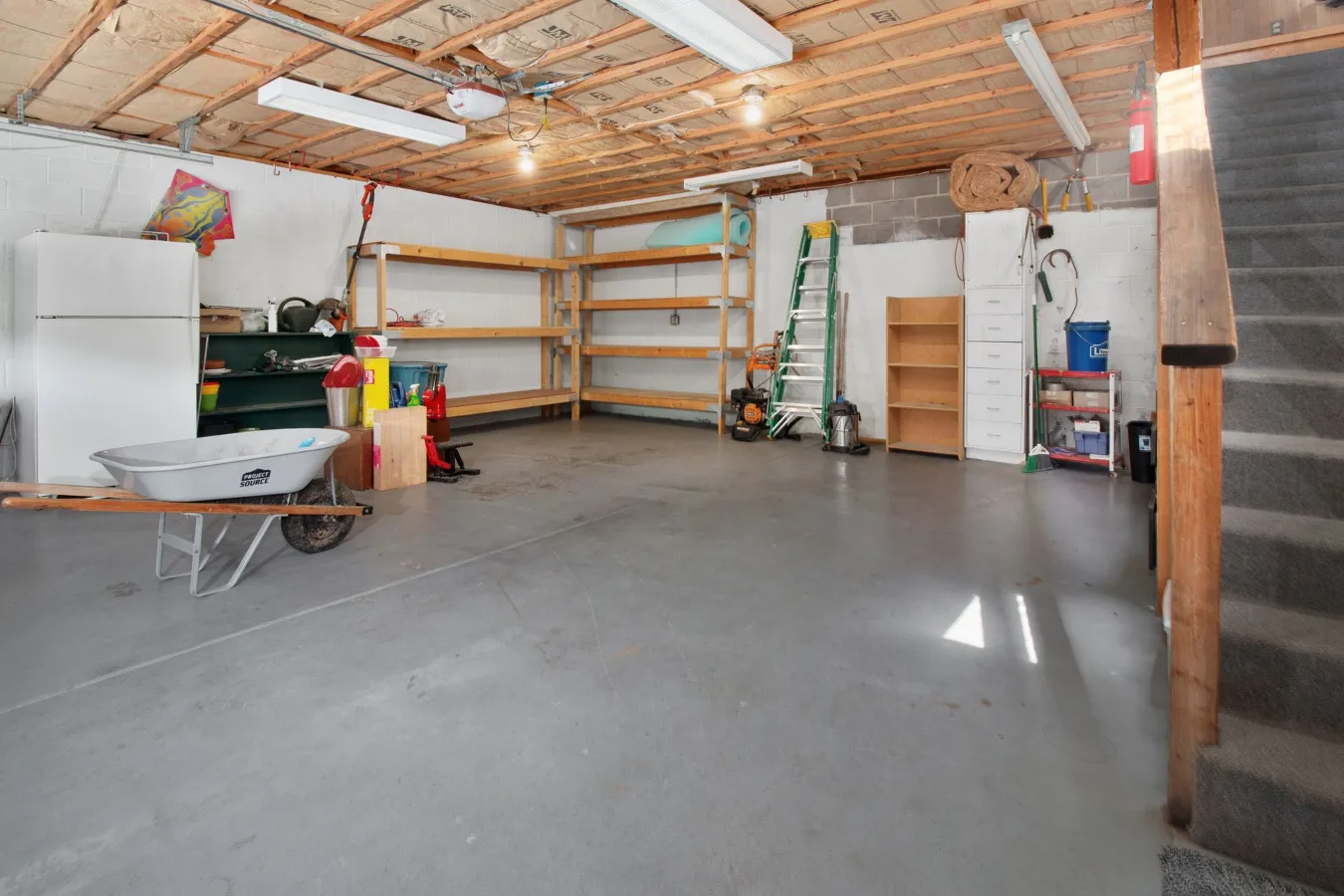
What a storage garage for rent is best for
A storage garage for rent is usually a private or semi-private enclosed space that gives you more protection and flexibility than open parking or a standard self-storage bay. People often look for this type of space when they need to store a vehicle, keep tools and equipment out of the weather, stage business inventory, or free up room at home without moving everything into a traditional storage unit. garage storage options for households offers more detail on this point. how to choose a storage unit size offers more detail on this point. storage bins with dividers offers more detail on this point.
It is not the right solution for every situation, though. A garage rental can offer better access and more usable floor space than a typical locker-style unit, but the trade-off is often cost, availability, and stricter rules about what can be stored. The right choice depends less on the label and more on how the space is built, where it is located, and what you plan to keep inside.
Key factors that matter before you rent
Size and usable layout
Square footage alone does not tell the full story. A garage with an awkward layout, low clearance, or limited turning room may be less useful than a slightly smaller but more open space. Think about what has to fit through the door, how much room you need to walk around stored items, and whether shelving, pallets, or cabinets will help you use the space efficiently.
If you are storing a vehicle, measure more than the vehicle itself. Mirrors, roof racks, trailers, and door clearance can affect whether the space works in real life. For business use, consider whether you need room for receiving, sorting, packing, or temporary staging in addition to storage.
Access and convenience
One reason people search for a storage garage for rent is convenience. A garage-style space may make loading and unloading easier than a second-floor or interior unit. Still, access details vary widely. Check whether you can enter at any hour, whether vehicles can drive directly to the door, and whether you will need to coordinate with a property manager for entry.
Access becomes especially important if you expect frequent visits. A space that is fine for seasonal overflow may be frustrating if you need to retrieve tools, samples, or business supplies several times a week.
Security and privacy
Enclosed space usually provides a stronger sense of privacy than outdoor parking, but privacy is not the same as security. Look for practical protections such as good locks, controlled access, lighting, visible management oversight, and a layout that reduces easy tampering. If you plan to store equipment, inventory, or anything with resale value, security should be treated as a decision factor rather than an afterthought.
It also helps to understand what is not protected. No rental space eliminates risk entirely. Moisture, theft, fire, pests, and unauthorized access can still be concerns depending on the building and site management.
Condition of the building
A garage can be highly useful and still be a poor storage choice if the building is in bad condition. Check the floor for drainage issues, look for signs of leaks or standing moisture, and inspect the door seals. If the space is in an area that experiences humidity swings, ventilation matters as much as physical lockup. Poor air circulation can create musty odors, corrosion, and damage to paper goods or finished materials.
This is one of the most overlooked considerations. Many renters focus on size and price, then discover that the real issue is environment. For anything sensitive to moisture, a basic enclosed garage may not be enough without added dehumidification or protective packaging.
Rules on permitted items
Every property has restrictions, and these can shape whether the space is truly suitable. Common limits may involve flammable materials, food, chemicals, batteries, live plants, or anything that could create a hazard. Some spaces also restrict automotive work, overnight access, or business activities beyond storage.
Before signing, ask for the rules in writing. A garage that sounds ideal can become unusable if your intended items are not allowed or if the facility has restrictions that conflict with your schedule.
Practical uses that fit a garage-style rental
A storage garage for rent often works best when the items are bulky, durable, or frequently moved. Typical use cases include:
- vehicle storage for a car, motorcycle, or small trailer
- tools and contractor equipment
- seasonal household items such as patio furniture or holiday decorations
- sports gear, bicycles, and outdoor recreation equipment
- small business inventory, packing supplies, or trade-show materials
- furniture that needs enclosed storage but not constant access
Not every item belongs in a garage rental. Paper records, fabrics, electronics, musical instruments, and antiques may need tighter climate control than a standard garage offers. If the contents are sensitive, ask whether the space is conditioned, insulated, or suitable for supplemental moisture control.
How to compare one garage rental against another
Price is only one part of the value
Renters often compare spaces by monthly cost alone, but that can be misleading. A lower-priced garage that is difficult to access, poorly maintained, or too small may cost more in time and damage than a slightly better option. Value depends on how well the space matches your actual needs.
A useful comparison should include the monthly rent, access conditions, deposit requirements, lease flexibility, and any extra charges for security, electricity, or shared use. If you need the space for business inventory or vehicle access, the convenience factor may justify paying more for a location that saves time.
Climate and moisture control
For many renters, moisture is the deciding factor. A garage is not automatically a dry storage solution just because it is indoors. Humidity can vary with the season, the building structure, and nearby temperature changes. If your belongings are vulnerable to rust, mold, corrosion, or warping, ask whether the space has insulation, ventilation, or the ability to support a dehumidifier.
This matters for more than just specialty items. Boxes, cardboard, unfinished wood, upholstery, and metal tools can all be affected by damp conditions over time.
Lease length and flexibility
Some people need a short-term garage rental during a move, renovation, or temporary business overflow. Others need a long-term arrangement for a stored vehicle or steady inventory. Try to match the lease structure to your timeline. A short commitment can be useful if your needs are uncertain, while a longer rental may offer stability if you know the space will stay in use.
Also ask how easy it is to leave the rental if your plans change. A flexible exit can be just as important as an easy start.
Power, lighting, and utility access
Not every storage garage includes electricity, and even when it does, use may be limited. Lighting can affect how safely you move in and out, especially if you visit before sunrise or after dark. Power may be helpful for a charger, small equipment, or moisture management, but it should not be assumed.
If you need to run a dehumidifier, a battery maintainer, or simple lighting, confirm that the setup is allowed and practical before you commit.
Practical solutions for common storage needs
For vehicle storage
If your main goal is to store a car or motorcycle, prioritize door clearance, maneuvering room, and pest resistance. Tires, batteries, fluids, and covers all require planning. The garage should be easy to enter and exit without repeated tight turns that increase the risk of dings or scrapes.
It also helps to think about maintenance access. If you expect to start the vehicle periodically or perform basic upkeep, the rental should allow that use and provide enough room to do it safely.
For business inventory
Business users often need more than a place to stack boxes. They need a workable system for labels, aisles, stock rotation, and protected access. In that case, shelving, bins, and a clear layout are usually more important than maximum square footage. A garage with good loading access may be more efficient than a larger but harder-to-use unit.
One common misconception is that any garage can function like a mini warehouse. In reality, the space needs to support movement, accountability, and condition control if you are using it for commercial inventory.
For household overflow
For furniture, décor, sports gear, and seasonal items, the main priorities are cleanliness, dryness, and organization. Use pallets or shelves if the floor may hold moisture, and avoid placing sensitive items directly against exterior walls. Clear bins often work better than cardboard when humidity is a concern.
Keeping a simple inventory list can save time later. It is easy to forget what is stored where once the garage starts filling up.
Common mistakes renters make
- choosing based only on price instead of access and condition
- assuming all garages are dry enough for sensitive items
- forgetting to confirm permitted uses in writing
- underestimating how much space is needed for doors, aisles, and shelving
- not asking about security, lighting, and entry procedures
- placing valuable items on the floor without moisture protection
- treating a rental garage like a permanent workshop when the lease does not allow it
These mistakes usually come from speed, not carelessness. Renters often need space quickly and assume any enclosed garage will do. A short checklist can prevent a costly mismatch.
Decision guidance: how to choose the right option
If you need a storage garage for rent, start with the item you are storing, not the space you are shopping for. A vehicle, a business inventory loadout, and a few boxes of household overflow all have different priorities. Once you know the use case, compare spaces by access, condition, permitted items, security, and moisture risk.
A good fit usually has three things in common: it is easy to use, it matches the sensitivity of what you are storing, and it does not create unexpected restrictions. If you are unsure, lean toward the space that is slightly more adaptable than the one that looks cheapest on paper.
For many renters, the best choice is not the largest garage or the closest one. It is the one that makes daily use simple and keeps your belongings in the condition you expect. That balance matters most if you plan to keep the space for more than a short transition period.
Alternatives worth comparing
If a garage rental is not the right fit, a few alternatives may solve the same problem with fewer compromises:
- Standard self-storage units: useful for boxed items and lower-traffic storage needs
- Drive-up storage units: convenient for loading and unloading, often with easier vehicle access
- Climate-controlled storage: better for sensitive materials, electronics, or items affected by humidity
- Parking spaces with storage rights: may work for vehicles with limited accompanying gear
- Warehouse or flex space: better for business users who need room to organize and operate
The right alternative depends on whether your main concern is protection, access, or flexibility. For some renters, a traditional unit plus good moisture control is the safer choice. For others, a garage-style rental is the more efficient option because it combines enclosed storage with easier day-to-day handling.
Final check before you sign
Before committing, make sure you can answer a few basic questions with confidence: What exactly am I storing? How often will I need access? Does the space stay dry enough? Are the rules compatible with my use? If the answer to any of those is unclear, keep comparing options.
A storage garage for rent can be a smart solution, but only when the space matches the item, the environment, and the level of access you actually need. The best rental is the one that solves a practical problem without creating a new one.