
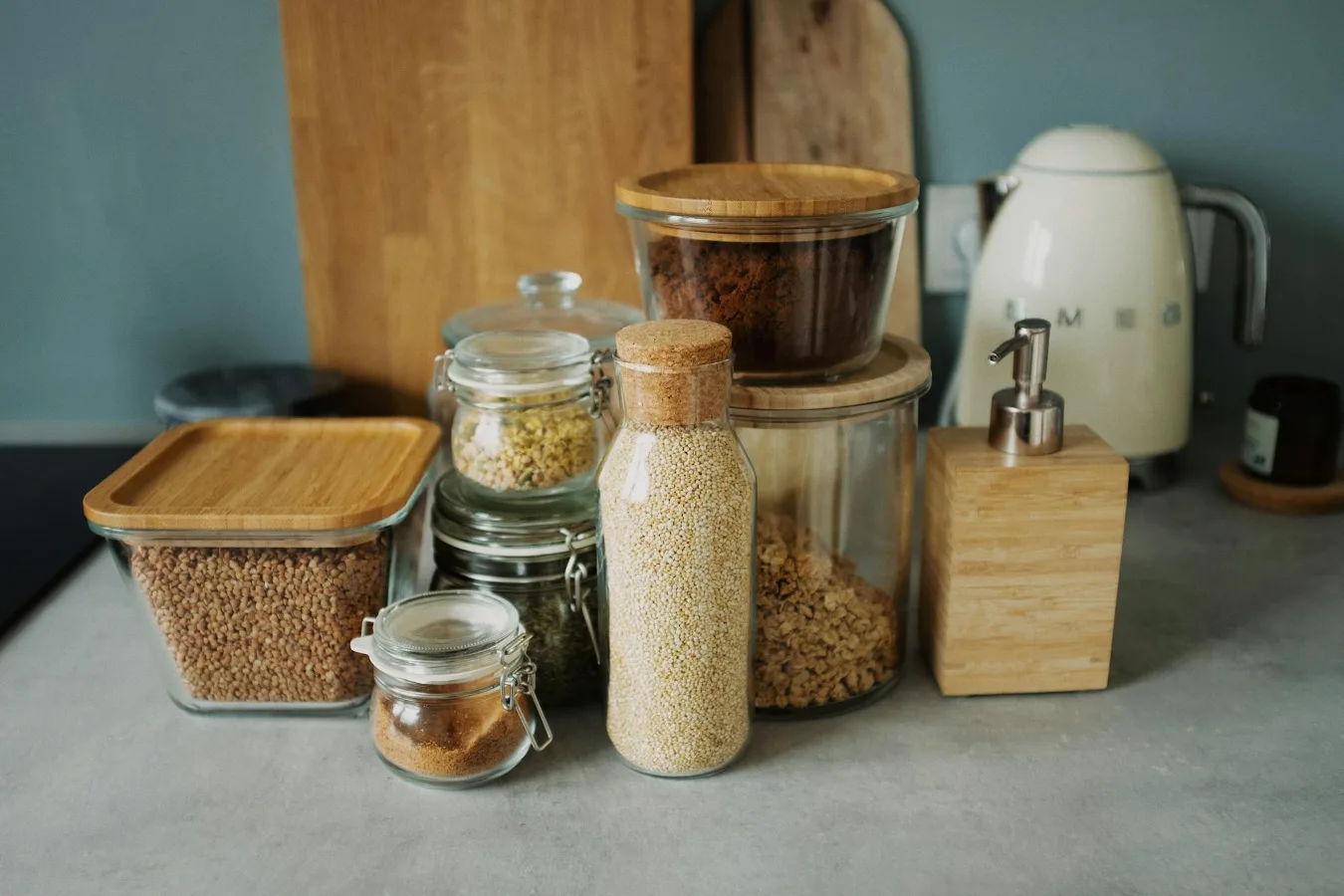
If you want tea to stay fresh, the best tea storage containers are the ones that keep out air, light, moisture, and strong odors. For most households, that means an airtight canister made from opaque metal, ceramic, or another non-reactive material, sized to fit the amount of tea you actually use. choosing containers for moisture-sensitive foods offers more detail on this point.
The right container depends on more than looks. Loose leaf tea, tea bags, herbal blends, and everyday pantry tea all have different storage needs, and a pretty jar that works for coffee beans may not be the best choice here. If you are comparing options for a kitchen or pantry, focus first on seal quality and protection from light, then narrow down by size, material, and ease of use. airtight storage options for kitchen staples offers more detail on this point.
What tea storage containers need to do well
Tea is sensitive to a few common kitchen conditions. Good storage helps slow down the things that flatten aroma and taste.
- Limit air exposure: repeated contact with air can dull the tea’s aroma and character.
- Block light: light exposure is a common reason many people choose opaque containers over clear glass.
- Keep out moisture: tea should stay dry, so a tight seal matters if the container sits in a humid kitchen.
- Resist odors: tea can pick up nearby smells from spices, coffee, garlic, and cleaning products.
- Match the amount you use: a container that is too large leaves extra air around the tea after each opening.
That is the basic test. If a container handles those five points well, it is usually a stronger choice than one that only looks attractive on the shelf.
Comparing the main container types
There is no single best tea container for every household. The most practical choice usually comes from balancing appearance, protection, and daily convenience.
Metal tea tins and canisters
Metal containers are a common favorite because they are usually opaque, compact, and easy to store in a pantry or on a shelf. They are often a strong match for loose leaf tea and tea bags alike.
Why people choose them: they tend to block light well, and many have lids designed for a snug fit. They also take up less visual space than bulkier countertop jars.
Trade-offs: not every metal container seals equally well, and some are better suited to dry storage than to long-term freshness. If the inside finish matters to you, look for a non-reactive lining or a design intended for food storage.
Ceramic tea canisters
Ceramic offers a classic look and usually blocks light effectively. It can be a good option if the container will live on the counter or at a tea station and you want something that feels more decorative than industrial.
Why people choose them: ceramic often suits visible storage and can work well for small daily-use quantities.
Trade-offs: ceramic can be heavier and more fragile than metal or plastic. Lids vary widely, so the seal matters more than the material alone.
Glass jars
Glass is popular because it is easy to see through, but that visibility is also the problem. Clear glass does not protect tea from light, so it is usually a weaker choice unless the jar sits inside a dark cabinet or the tea is used quickly.
Why people choose them: they make it easy to see what is inside, which can help with labeling and pantry organization.
Trade-offs: unless the glass is tinted or stored away from light, it is not the most protective option for tea. Many clear jars are better for display than for preservation.
Plastic containers
Plastic can be practical for lightweight storage, but it deserves careful consideration with tea. The main questions are odor retention, seal quality, and whether the material suits your preference for food storage.
Why people choose them: they are often light, affordable, and easy to move around.
Trade-offs: some plastics can hold onto smells, and a less sturdy lid may not protect tea as well as a tighter canister. For strongly aromatic teas, that matters.
Tea boxes and compartment organizers
Tea boxes are useful when the goal is not preserving a large amount of loose tea, but organizing tea bags or small portions neatly. They are especially helpful in offices, family kitchens, and gifting setups.
Why people choose them: they keep varieties separated and visible, which simplifies daily selection.
Trade-offs: many tea boxes are more about organization than full freshness protection. If they are not tightly closed, they work better as short-term or convenience storage.
How to choose the right size
Size is an overlooked consideration. A large container may seem convenient, but if you only open it occasionally or keep the tea partially filled, the extra air inside can work against freshness.
A better approach is to match the container to how you actually drink tea:
- Daily-use tea: choose a container that holds a practical amount for regular access without leaving a lot of empty space.
- Occasional or specialty tea: smaller containers are often better because they limit excess air after opening.
- Tea bags: a shallow box or medium canister may work well if you want quick access and easy sorting.
- Loose leaf tea: if you buy in bulk, consider dividing it into smaller containers rather than storing everything in one large vessel.
This is where many buyers make a mistake: they focus on capacity instead of fit. Oversized containers can be less effective than several smaller ones, especially if you rotate through different teas.
Seal quality matters more than style
Tea storage containers are often chosen for their look, but the lid design usually matters more than the finish. A container can be beautifully made and still be a weak storage choice if the seal is loose or inconsistent.
Look for closure styles that feel secure and repeatable. That may mean a fitted lid, a gasket-style seal, or a closure designed to minimize gaps. The goal is not laboratory-level isolation; it is dependable everyday protection from kitchen conditions.
If you plan to open the container multiple times a day, ease of use matters too. A lid that is technically airtight but annoying to remove may not be practical in a busy kitchen. The best option is usually the one you will actually use consistently.
Material and odor transfer: a practical nuance
Tea absorbs surrounding smells more readily than many shoppers expect. That makes odor transfer a real factor, especially if your pantry stores spices, coffee, onions, or strongly scented snacks nearby.
For that reason, material choice is not only about moisture or light. It is also about whether the container itself retains smells. Non-reactive, food-safe materials are easier to live with over time. If you are rotating between scented teas, herbal blends, and plain black tea, separating them into different containers can help preserve each one’s character.
This is one reason a clear jar on the counter may look appealing but still be a weaker practical choice than an opaque tin inside a cabinet.
Where the container will live changes the decision
A container that works in a dark pantry may not be ideal on a sunny kitchen counter. Placement affects how much protection you need.
- Pantry storage: you can focus more on seal quality, labeling, and stackability.
- Countertop storage: opacity and appearance matter more because the container is exposed to light and daily handling.
- Drawer storage: flatter containers or stackable tins may work best if space is tight.
- Tea station: matching containers can look polished, but function should still come first.
If your kitchen is humid or sunny, choose a container with a stronger barrier against environmental exposure. If the container stays in a closed cabinet, you have more flexibility with materials and finish.
Common mistakes to avoid
Many tea storage problems come from a handful of avoidable habits rather than the container itself.
- Using a clear jar in direct light: it may look tidy, but it offers less protection.
- Buying a container that is too large: too much empty space can work against freshness.
- Storing tea near strong odors: even a decent container can be affected if the surrounding area is overpowering.
- Mixing old and new tea together: blending batches can make it harder to track freshness and flavor changes.
- Choosing style over seal quality: a decorative lid is not always a reliable closure.
- Using one container for everything: different teas often benefit from separate storage, especially if their aromas vary a lot.
Another mistake is assuming all tea should be stored the same way. Delicate green teas, black teas, oolongs, herbal blends, and tea bags can all be organized in the same kitchen, but not always with the same container format.
What to look for if you buy more than one container
Many households do better with a small system rather than one oversized storage piece. This is especially useful if you keep a few core teas on hand and want them easy to identify.
A simple setup might include:
- one opaque container for the tea you use most often
- smaller tins for specialty or seasonal teas
- a tea box or divider for tea bags
- labels that clearly identify variety and date opened
That approach can be more practical than trying to force every tea into the same container style. It also reduces the chance that a delicate tea sits open in a large vessel for too long.
How tea storage fits into broader pantry organization
Tea storage containers are not just about freshness. They also shape how easy it is to keep a pantry calm and functional. A good container system makes tea easier to find, easier to rotate, and easier to keep away from moisture-sensitive ingredients.
If your storage area also holds baking ingredients, dried herbs, coffee, or small pantry staples, the best tea containers are the ones that fit neatly into the wider layout. Stackable shapes, clear labeling, and a consistent size family can help. So can choosing containers that are easy to wipe clean and simple to lift with one hand. best pantry containers for small items offers more detail on this point.
For many shoppers, the most successful choice is not the fanciest vessel. It is the one that quietly fits the rhythm of the kitchen.
Quick way to narrow your options
If you want a simple decision path, start with this order:
- Choose an opaque container if the tea will be exposed to light.
- Choose a container with a reliable seal if freshness matters.
- Match the size to the amount of tea you open regularly.
- Pick a material that will not pick up or hold unwanted odors.
- Decide whether the container is meant for display, pantry storage, or daily convenience.
That sequence keeps the decision practical. It also helps separate attractive storage from genuinely useful storage.
A final buying perspective
The best tea storage containers are usually not the most elaborate ones. They are the ones that protect tea from the conditions that matter most and fit the way you actually use your kitchen. For many buyers, that means an opaque, airtight tin or canister with a size that suits daily use, plus smaller containers for specialty teas or overflow stock.
If you want the safest all-around choice, prioritize seal quality and light protection first. Then think about shape, material, and how the container will fit into your pantry, cabinet, or tea station. A good container should make tea easier to enjoy, not harder to manage.