
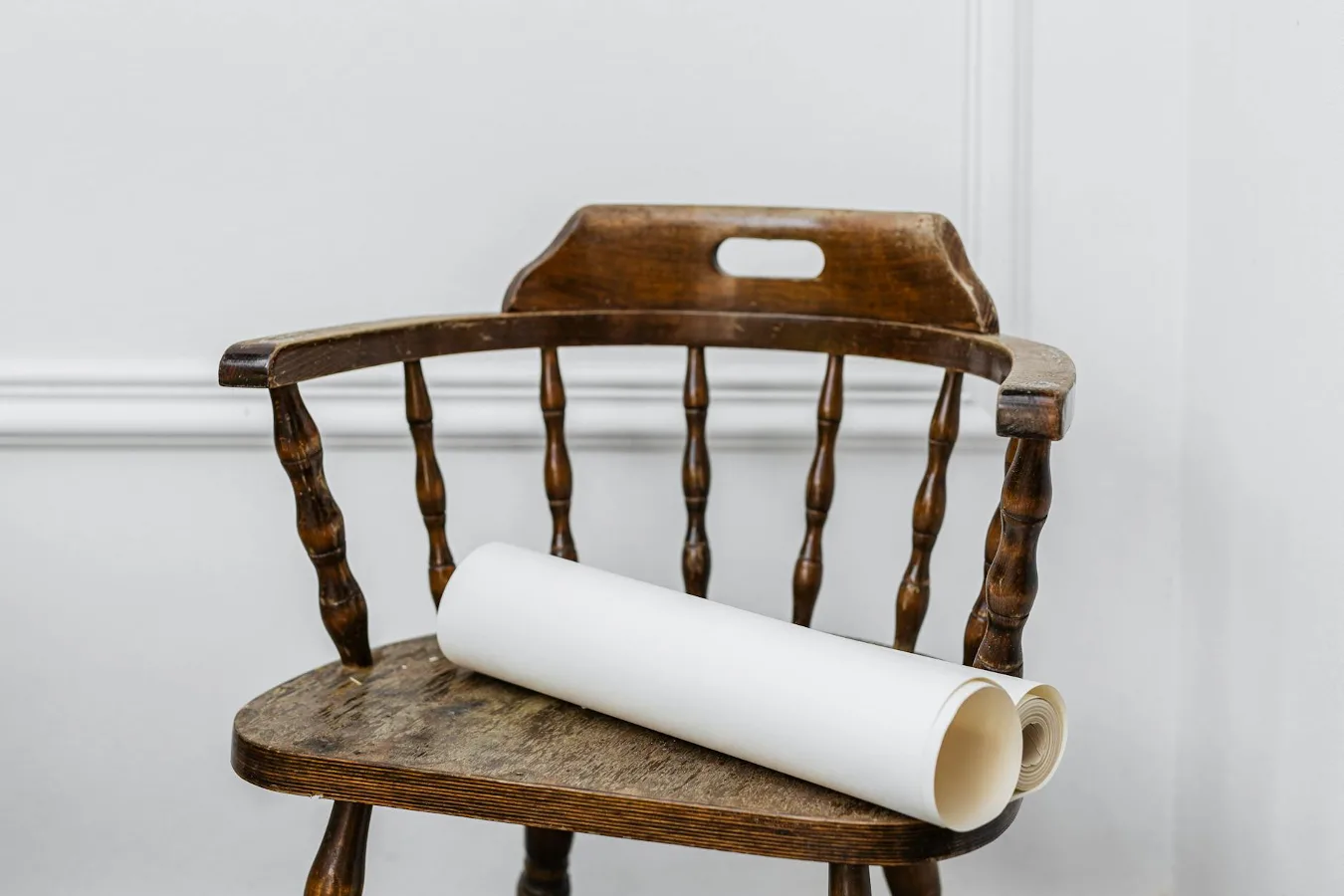
If you are shopping for a vintage office chair, the best choice is usually the one that balances style, condition, and daily comfort. A beautiful chair can anchor a home office, but age, wear, and outdated ergonomics matter just as much as the look. armless office chair offers more detail on this point.
The right chair depends on how you plan to use it. For occasional desk work, a restored vintage piece may be a smart decorative choice. For long hours at a computer, you will want to be much more selective about seat height, back support, mobility, and repairability.
Quick answer: what to look for first
Start with three questions: Is the chair structurally sound? Will it fit your desk and body? Can you live with the upkeep? If the frame is stable, the seat height works with your workspace, and any damage is repairable, a vintage office chair can be a strong buy.
That said, many vintage designs were made before modern ergonomic expectations. A chair may look excellent and still feel too low, too narrow, too firm, or too upright for long work sessions. Comfort should outweigh nostalgia if the chair will be used every day.
How to compare vintage office chairs
The best way to shop is to compare chairs by use case, not just by style. A chair that works for a study corner may not work for a full-time workstation. Focus on the features that affect comfort, maintenance, and practical use.
| What to compare | Why it matters | What to check |
|---|---|---|
| Seat height | Affects desk alignment and leg comfort | Does it let your feet rest flat and your arms reach the desktop naturally? |
| Back support | Impacts posture and fatigue | Is the backrest supportive enough for your typical sitting time? |
| Seat size | Determines comfort and fit | Is the seat too shallow, narrow, hard, or sloped for your body? |
| Material condition | Influences durability and upkeep | Are there cracks, tears, drying, rust, stains, or loose joints? |
| Mobility | Matters for desk access and floor protection | Does it swivel, roll, or glide in a way that suits your floor and workspace? |
Frame and structure
Check the frame before anything else. A chair with loose joinery, wobbly legs, bent metal, or damaged support points can become a repair project rather than a purchase. Vintage furniture often has excellent craftsmanship, but age can weaken glue, fasteners, and hardware.
Wood frames should be inspected for cracks, separation at joints, and signs of previous repairs. Metal frames should be checked for rust, pitting, instability, and stripped hardware. If the chair has casters or a swivel base, make sure those moving parts still function smoothly and do not feel seized or uneven.
Seat comfort and support
Many vintage office chairs were built around firmer seats and simpler support profiles than modern task chairs. That can be fine for short sessions, but not every chair will suit long workdays. Look at the seat depth, seat width, back angle, and cushioning condition together rather than judging any one detail alone.
One common misconception is that an old office chair is automatically more comfortable because it is solidly built. In practice, a well-made vintage chair can still feel unforgiving if the padding has compressed or the seat geometry does not fit your body.
Materials and finish
Material choice affects both appearance and maintenance. Wood adds warmth and often suits traditional or transitional interiors. Leather can look refined and age well when cared for, but it can also dry out, crack, or show wear. Fabric upholstery can be comfortable, though it may hold stains and odors more easily than harder surfaces.
If the chair is upholstered, inspect seams, foam condition, and any sagging in the seat. If it is wood or metal with minimal padding, check for splintering, chipped finish, corrosion, or surfaces that may be uncomfortable without a cushion.
Adjustability and compatibility
Many vintage office chairs have less adjustability than modern models. That is not automatically a dealbreaker, but it does affect how well the chair will work with your desk. Seat height, swivel function, tilt, and rolling casters are the main compatibility points to evaluate.
If your desk is a fixed height, a chair that sits too low or too high will create an awkward reach. If you use a computer for long periods, lack of height adjustment can be a major limitation. In some cases, a footrest or a desk-height adjustment may solve the problem, but only if the chair is otherwise worth keeping.
Style and room fit
Vintage office chairs range from industrial and utilitarian to refined executive silhouettes. The style should fit the rest of the room, but it should also match the mood of the space. A sculptural leather chair may work well in a study or den, while a simpler task-style chair may suit a compact home office better.
One overlooked consideration is visual weight. A chair with a bulky frame, dark upholstery, or high back can dominate a small room. If space is limited, a lighter profile may feel more practical even if another design looks more impressive in isolation.
Types of vintage office chairs and how they differ
Not all vintage office chairs serve the same purpose. Understanding the broad categories helps narrow your search and prevents mismatched expectations.
- Wood executive chairs: Often chosen for their formal appearance and traditional feel. They can be attractive but may be heavier and less adjustable.
- Leather desk chairs: Usually associated with classic study or executive settings. They can age beautifully, but condition matters a lot.
- Swivel task chairs: Better suited to active desk use, especially if they retain height adjustment and rolling casters.
- Industrial metal chairs: Durable-looking and visually distinctive, though they may feel harder or colder than upholstered options.
- Mid-century office chairs: Popular for their clean lines and compact profiles, often appealing in modern interiors.
The best style is the one that fits your workspace and your use pattern. A chair chosen for decoration alone is a different purchase from a chair you plan to sit in every weekday.
Common mistakes to avoid
Buying for looks only
The easiest mistake is falling for the silhouette and overlooking the fundamentals. A chair can be an excellent decorative piece and still be a poor workstation seat. If you need it for extended computer use, comfort and setup come first.
Ignoring repair costs
Minor wear is normal, but restoration can add up quickly. Reupholstery, replacement casters, refinishing, hardware repair, and structural fixes all affect the real cost of ownership. A cheaper chair in rough condition is not always the better value.
Skipping measurements
Measure the seat height, seat depth, back height, and overall footprint before buying. Also measure the clearance under your desk. A chair can seem ideal online or in a showroom and still be awkward once it reaches your space.
Overlooking odor, stains, and hidden damage
Vintage chairs can carry smoke, pet odors, mildew, or deep-set stains that are hard to remove. Upholstery may conceal wear beneath the surface. Always inspect as closely as you can, especially around seams, under the seat, and at the base.
Assuming every old chair is durable
Age alone does not guarantee quality. Some vintage chairs are well made, while others are simply old. The condition of the frame, joints, upholstery, and moving parts matters more than the date attached to the piece.
When a vintage office chair is the right choice
A vintage office chair makes sense when you want character, a more distinctive room, or a piece of furniture that can be restored and kept in service. It is especially appealing if you appreciate traditional materials, handcrafted details, or a specific design era. office chair materials guide offers more detail on this point. Antique Office Chair Buying Guide offers more detail on this point.
It can also be a practical choice if you work from a desk part-time and want something more stylish than a typical mass-market chair. In that case, a vintage model can deliver the look you want without sacrificing everyday usability, as long as the fit is good.
For long-hour computer work, the decision is more cautious. Modern ergonomic chairs often offer better adjustability, lumbar support, and fine-tuned comfort. A vintage chair may still work, but only if its proportions and condition support your routine.
When to choose an alternative instead
Sometimes the smarter move is not the vintage chair itself but a related option. Consider alternatives if you need advanced ergonomics, easy-clean materials, or a chair that can handle daily heavy use with minimal maintenance.
- Modern ergonomic chair: Best for long work sessions and adjustable support.
- Refurbished task chair: A middle ground between value, comfort, and reduced waste.
- New chair with vintage styling: Useful if you want the look without the uncertainty of age and wear.
- Vintage chair for guest seating only: A good compromise if you love the style but do not want to rely on it all day.
This is where buyer intent matters. If you want a signature piece for a home office, a vintage chair can be a great design decision. If you need a work tool first and a decorative object second, a newer chair may be the more sensible choice.
Maintenance and ownership realities
Vintage furniture often rewards regular care, but it also asks more from the owner. Leather may need conditioning. Wood may need occasional polishing or protective attention. Upholstery may need gentle cleaning methods depending on the fabric and the chair’s construction.
Moving parts deserve attention too. Swivels, casters, and tilt mechanisms can loosen over time or become noisy. Before buying, think about whether replacement parts are available and whether you are comfortable doing basic upkeep or paying for restoration.
A practical rule: if the chair already needs work, buy it only if you like the design enough to justify the project. Otherwise, the maintenance burden can outweigh the appeal.
Best-fit buyer profiles
- Design-focused buyers: Great match if the chair is part of a room’s visual identity.
- Collectors: Best if authenticity, period details, or maker interest matter to you.
- Hybrid home office users: Good if you split time between calls, writing, and light desk work.
- Frequent desk workers: Proceed carefully and prioritize comfort, adjustability, and support.
For most shoppers, the ideal chair is not the rarest or most ornate one. It is the one that fits the space, suits the workload, and can be maintained without hassle.
If you are comparing options across the broader furniture category, it helps to think in layers: style first, then structure, then comfort, then upkeep. That order keeps the purchase grounded in real use rather than impulse.