
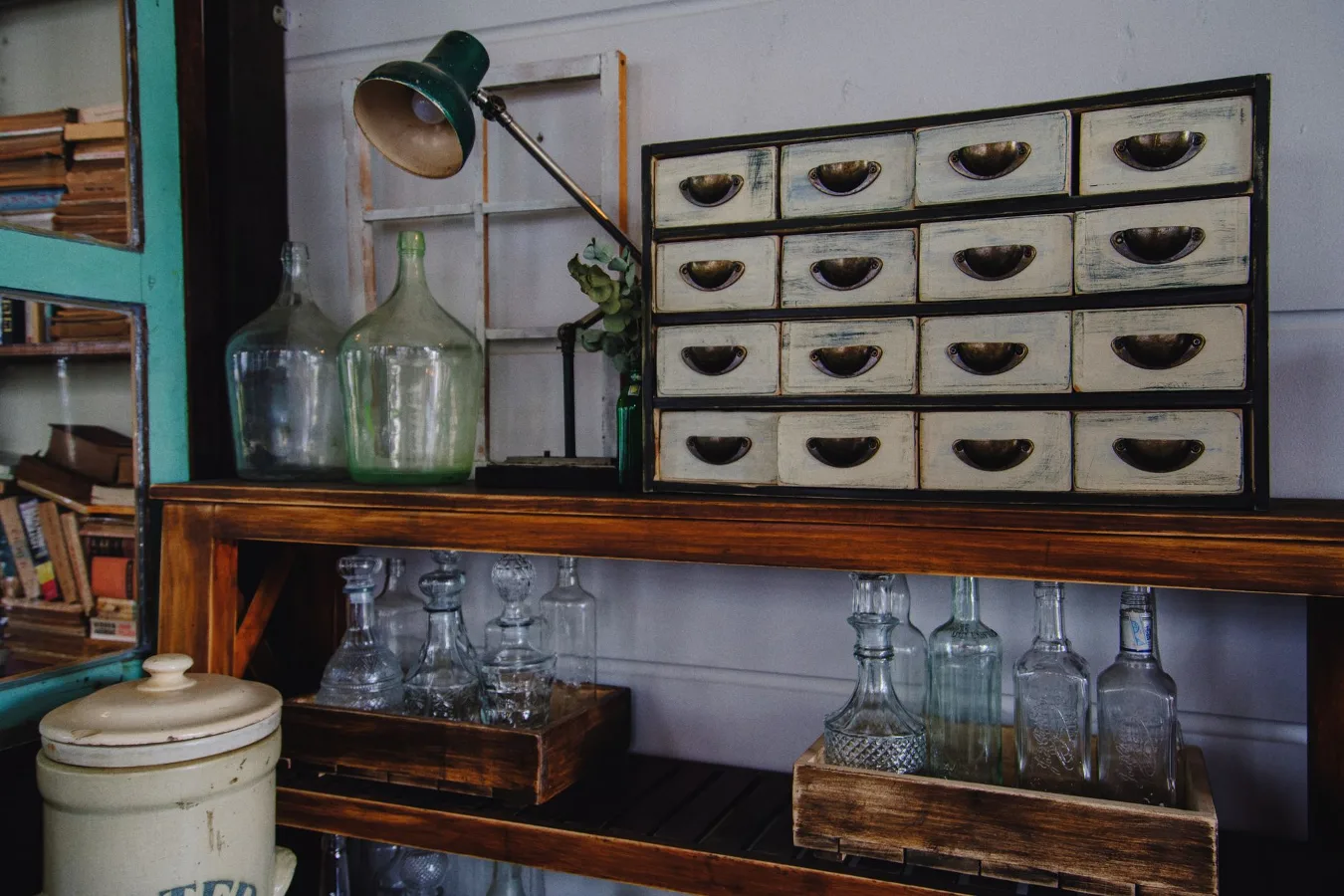
A vintage shelving unit is a storage piece with personality: it can hold books, dishes, folded textiles, plants, or display items while adding texture that newer furniture often lacks. The best choice is not just about looks. It depends on the unit’s condition, size, construction, and whether it fits the room you actually need to use it in.
If you are shopping for one, think in two layers. First, decide what the shelving unit needs to do. Second, decide whether the specific piece can do that safely and comfortably over time. That simple order helps avoid a common mistake: buying for style alone and later discovering the shelves wobble, the depth is wrong, or the finish is too fragile for real use. choosing shelves for small spaces offers more detail on this point. ways to style open shelving offers more detail on this point.
When a vintage shelving unit makes sense
A vintage shelving unit is a good fit when you want storage that does more than disappear into the background. It works especially well in rooms where you want function and visual interest at the same time.
Good use cases
- Living rooms: for books, framed art, ceramics, and media accessories.
- Home offices: for files, reference books, printers, and supplies.
- Bedrooms: for folded clothing, baskets, and personal objects.
- Entryways: for shoes, bags, baskets, and mail sorting.
- Dining areas: for serving pieces, linens, and decorative storage.
Vintage pieces are especially appealing when you want warmer materials, a more distinctive silhouette, or a piece that looks less generic than flat-pack storage. They can also be a practical choice if you are furnishing a room slowly and want one anchor piece that does not need to be replaced quickly.
That said, vintage is not automatically better. Some pieces are beautiful but shallow, delicate, unusually tall, or built for light display rather than everyday storage. The right answer depends on how much load the unit needs to carry and how much room you have to work with.
Step-by-step criteria for choosing the right one
Use the following order when evaluating a vintage shelving unit. It keeps the decision grounded in usability instead of getting distracted by finish, patina, or style details too early.
1. Start with the room and the job
Ask what the unit will hold. Books need more depth and stronger shelves than small decor. Kitchenware needs easy access and wipeable surfaces. Office storage may need open shelf visibility, while a bedroom piece may need a calmer look and more concealed organization through baskets or bins.
Also think about traffic. A narrow hallway, for example, can only handle a shallow unit safely. A living room may have space for a deeper piece, but deep shelves can feel bulky if the room is already tight.
2. Check the dimensions in real terms
Measurements matter more with vintage furniture because dimensions can vary widely from modern standards. Height, width, depth, and shelf spacing all affect usability. A unit that looks perfect in a photo may be too tall for a low ceiling, too deep for a walkway, or too narrow for the items you plan to store.
Pay attention to shelf spacing as well. Tall objects such as record sleeves, art books, or storage bins need enough clearance. If the shelves are fixed, ask yourself whether the spacing works for the objects you own now, not only for what looks good in the listing.
3. Look closely at material and construction
Materials shape both durability and maintenance. Solid wood often offers warmth and repair potential, though it may be heavier and more sensitive to humidity changes. Veneered pieces can be attractive and lighter, but edge wear and surface damage matter more. Metal shelving can be very sturdy and practical, but it may read more industrial than decorative unless the design is especially refined.
Construction details are just as important as the material itself. Joinery, shelf supports, fasteners, and frame rigidity affect how well the unit handles everyday use. A decorative piece with weak shelf support may be fine for framed photos and a few books, but not for dense storage.
4. Judge stability before style
One of the most overlooked considerations in buying vintage shelving is stability. Many older units were made before today’s expectations around wall anchoring and anti-tip safety were common. Even a handsome piece can become frustrating if it rocks, twists, or shifts under load. how to inspect used furniture before buying offers more detail on this point.
Check whether the unit sits level, whether joints look tight, and whether the shelves sag. If the piece is tall or top-heavy, think through how it will be secured in your space. For households with children or pets, this is not optional.
5. Inspect condition with a use-first mindset
Patina can be part of the appeal, but condition still matters. Look for signs of water damage, active wood movement, loose hardware, deep cracks, warped shelves, insect damage, and repairs that may be more cosmetic than structural. Surface wear is common on vintage furniture; structural weakness is the bigger concern.
A common misconception is that older furniture is always more durable than new furniture. Some vintage pieces were made very well, but age itself does not guarantee strength. What matters is how the piece was built, how it was stored, and how much wear it has already taken.
6. Think about finish and maintenance
Finishes affect how the shelf will age in your home. A sealed surface is easier to wipe clean and can be more forgiving in kitchens or busy family spaces. Raw or lightly finished wood may look beautiful, but it can be more sensitive to stains, heat, and moisture.
If you prefer low-maintenance storage, choose a finish that matches your daily habits. A display shelf in a quiet room can tolerate more delicate care. A working storage piece near an entryway or in a kitchen usually needs easier cleaning.
Examples of how different vintage shelving styles fit different needs
Not every vintage shelving unit serves the same purpose. The style should support the job, not compete with it.
Open wood bookcase
This is a flexible option for books, decor, and mixed storage. It works well in living rooms and offices, especially if you want a softer look than metal shelving. The trade-off is that it can look cluttered quickly if you do not keep the styling disciplined.
Modular or adjustable shelving
Adjustable shelves offer more flexibility for changing storage needs. They are useful for people who expect the contents to evolve over time, such as book collections, media storage, or office supplies. The limitation is that not all vintage adjustable systems are easy to replace or repair if a component is missing.
Metal utility shelving with vintage character
This style can be a strong choice for workshops, utility rooms, or minimalist interiors that need durable storage. It is usually less decorative than wood, but it can handle heavier items with less fuss. The main drawback is that it may feel too utilitarian for a formal room.
Decorative étagère or display shelf
These pieces are ideal for lighter display objects, houseplants, or collected objects. They often bring more visual elegance than storage capacity. If you need serious organization, make sure the decorative appeal does not outweigh function.
Common limitations to keep in mind
Vintage shelving units often require compromise. That is part of their appeal, but it also means you should know what you are giving up.
- Irregular sizing: older pieces may not fit standard storage bins, binders, or electronics.
- Wear and repair history: past repairs can be sturdy or merely cosmetic.
- Finish sensitivity: older coatings may need gentler cleaning.
- Weight and moving difficulty: solid construction can make a piece heavy to transport.
- Limited safety features: older units may need added wall anchoring.
These limitations do not make a piece a bad buy. They simply mean that a vintage shelving unit works best when you choose it with the room’s actual demands in mind.
Practical checklist before you buy
Use this checklist to narrow down your options quickly:
- Measure the room, including ceiling height, walkway clearance, and wall space.
- Confirm the shelf depth and spacing will fit the items you own.
- Inspect the frame for wobble, cracks, or loose joints.
- Check for shelf sag, warped panels, and missing hardware.
- Look for finish damage, water stains, and signs of past repairs.
- Decide whether you need open display storage or more discreet organization.
- Consider whether the piece should be anchored for safety.
- Think about how much cleaning and upkeep you are willing to do.
- Make sure the style matches the room without overpowering it.
- Compare the piece to alternatives such as a modern bookcase, industrial shelving, or built-in storage if the fit is not right.
How to style a vintage shelving unit without overloading it
Styling matters because it affects both appearance and usability. A shelf that is packed too tightly becomes hard to clean and harder to live with. A shelf that is too sparse can look unfinished.
A good approach is to mix functional and decorative items. Use baskets for small or uneven objects, leave some visual breathing room, and vary height and texture. Books, ceramics, framed pieces, and storage boxes can work together if you do not fill every inch.
One practical nuance: display shelves are not ideal for everything. If you need to hide clutter, choose a unit that can accommodate lidded bins or pair the shelving with closed storage elsewhere in the room. That keeps the vintage piece attractive without making it carry every organizational burden.
Alternatives worth considering
If a vintage shelving unit is close but not quite right, a few alternatives may solve the problem better.
- Modern bookcases: better for standard sizing, predictable assembly, and wall-anchoring features.
- Wall-mounted shelves: useful when floor space is limited, though they may not offer the same load capacity.
- Modular storage systems: helpful if your needs change often.
- Antique cabinets or hutches: better if you want a mix of open and concealed storage.
The best choice depends on whether you value character, flexibility, concealment, or simplicity most. A vintage shelving unit shines when you want storage to be part of the room’s design story, not just a background utility.
FAQ
What should I look for in a vintage shelving unit?
Focus on size, structural stability, shelf spacing, material, and condition. Style matters, but the piece has to fit the objects you plan to store and the room you plan to use it in.
Is a vintage shelving unit good for heavy books?
It can be, but only if the shelves are strong, the frame is stable, and there is no sagging or structural weakness. For dense loads, construction quality matters more than age or appearance.
How do I know if an older shelving piece is safe?
Check for wobble, loose joints, top-heaviness, and signs that it may need wall anchoring. If the unit is tall or loaded unevenly, safety should be part of the buying decision from the start.
Should I choose wood or metal?
Wood usually offers a warmer, more furniture-like look, while metal often provides a more utilitarian feel and can suit heavier-duty storage. The better option depends on the room, the load, and the style you want.
Are vintage shelving units hard to maintain?
Not necessarily. Maintenance depends on the finish and condition. Sealed surfaces are usually easier to care for, while older or more delicate finishes may need gentler cleaning and more careful placement.
A well-chosen vintage shelving unit should feel like a practical storage tool first and a decorative object second. If it fits the room, supports the load, and makes sense for your habits, it can be one of the most satisfying pieces in a home because it earns its place every day.