
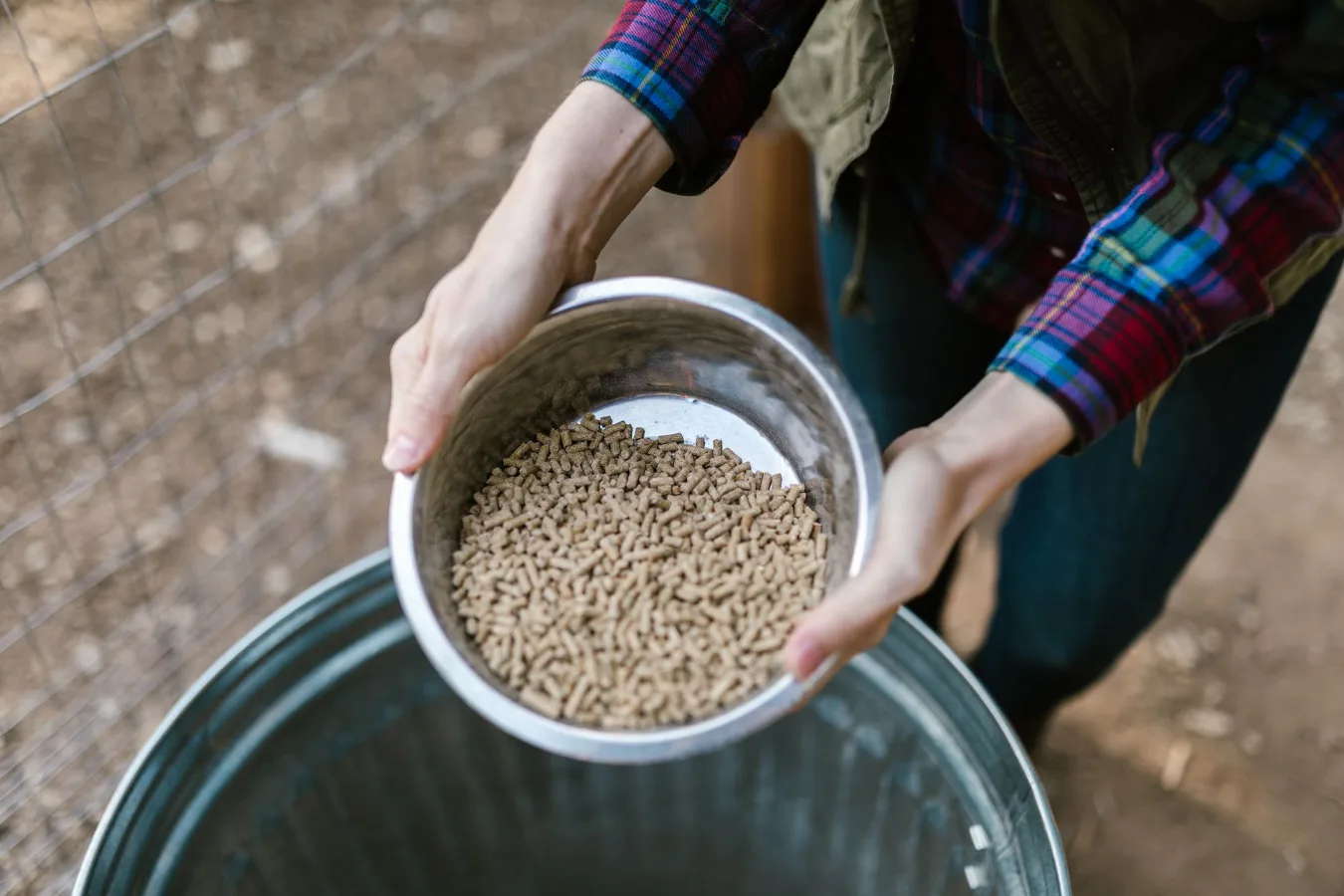
If you heat with pellets, the best wood pellet storage containers are the ones that keep fuel dry, make refilling easier, and fit the space you actually have. For most homes, that means a container with a tight-fitting lid, a shape that pours cleanly, and enough capacity to reduce bag handling without becoming awkward to move.
The right choice depends less on style and more on storage conditions: basement versus garage, indoor versus outdoor use, how often you buy pellets, and whether you want something portable or fixed in place. A good container should protect pellet fuel from moisture, help keep dust under control, and make day-to-day use simpler. moisture control for fuel storage offers more detail on this point.
When wood pellet storage containers matter most
Pellets are practical fuel, but they do not handle moisture well. If bags are left open, torn, or stacked in a damp area, the pellets can break down, clump, or become harder to handle. A dedicated storage container helps reduce those risks while also making the fuel easier to measure and transfer.
These containers matter most when you:
- buy pellets in bulk and need a cleaner way to manage them
- refill a pellet stove, insert, or heater regularly
- store fuel in a garage, basement, utility room, or shed
- want to reduce mess from torn bags and loose pellets
- need a container that is easier to move than a full original bag
One common misconception is that any large plastic bin will do. Some can work, but only if the lid seals well, the sides are sturdy enough for the weight, and the container is easy to empty without spilling pellets everywhere. A bin that is simple for blankets or toys may be frustrating for fuel storage.
Step-by-step criteria for choosing a container
1. Start with where the pellets will be stored
Location is the first filter. Indoor spaces usually give you more flexibility, while garages, sheds, and basements introduce more moisture and temperature swings. If your storage area is prone to humidity, prioritize a container with a secure lid and a material that is easy to clean and inspect.
For enclosed indoor spaces, odor and dust control may matter more than weather resistance. For outbuildings, protection from damp air and pests becomes more important. Outdoor storage is the least forgiving option and usually requires a container with better sealing and more consistent protection from the elements.
2. Match the capacity to your refill routine
Capacity should reflect how you use pellets, not just how much you can store. A very large container can reduce trips to the bag stack, but it may become heavy and awkward once filled. A smaller container is easier to move and pour, but may not be efficient if you refill often.
Consider whether you want to store:
- a single bag at a time for convenience
- multiple bags in one central bin
- a day-to-day refill supply near the appliance
- longer-term reserve storage elsewhere in the home or garage
Many buyers end up using more than one container type: one larger container for reserve fuel and a smaller scoopable or wheeled bin near the stove. That approach is often more practical than trying to make one container solve every storage problem.
3. Look closely at the lid, seal, and opening style
The lid is doing more work than it may seem. It should close securely, resist accidental opening, and be easy to use with one hand if you refill often. A loose lid may still cover the pellets, but it does little to protect them from humidity, dust, or pests.
Opening style matters too. Wide-top bins are convenient for loading, but they can be messy when pouring unless they have a shaped spout or controlled opening. Narrow openings can improve pouring control, yet they may make filling the container more annoying. The best design depends on whether you value fast loading or cleaner dispensing.
4. Choose a material that fits your environment
Common wood pellet storage containers are made from plastic, metal, or heavy-duty composite materials. Each has trade-offs.
- Plastic is lightweight, widely available, and easy to wipe clean. It is often the most practical choice for indoor use, though the quality of plastic and the strength of the lid matter a lot.
- Metal can feel sturdier and may suit utility spaces, but it can be heavier and less convenient to move when full. In damp areas, corrosion resistance becomes a concern.
- Composite or hybrid designs may balance weight and durability, but the actual usefulness depends on the lid, handle design, and overall build quality.
Material alone does not determine quality. A well-designed plastic container can be more usable than a bulky metal one if the lid seals better and the shape is easier to pour from.
5. Consider portability and handling
If you move pellets from storage to appliance regularly, portability is not a minor detail. Handles should be comfortable, reinforced, and easy to grip even when the container is partially filled. Wheels can be helpful for larger containers, but only if the floor surface is smooth enough to roll easily.
Think about the path between storage and appliance. Narrow doorways, basement steps, and uneven garage floors can make a supposedly convenient bin frustrating in real use. A container that looks efficient on a product page may be awkward in a tighter home layout.
6. Check cleanup and maintenance demands
Pellet fuel can leave dust and small fragments behind. A good container should be easy to empty, brush out, or wipe down. Smooth interior walls help. Deep corners and complex hinges can trap residue.
If you rotate stock, cleaning matters even more. Old dust at the bottom of a container can collect moisture over time and make the next fill less clean. Routine maintenance does not need to be complicated, but it should be realistic enough that you will actually do it.
Common container types and how they compare
Sealed bins
Sealed bins are a strong choice for most homes because they offer a straightforward balance of protection and ease of use. They are especially useful for indoor storage and for keeping open bags from spilling. The main limitation is that not all sealed bins are truly tight enough for damp environments, so lid quality matters.
Stackable containers
Stackable containers are useful when floor space is limited. They can help organize fuel reserves in a basement, closet, or garage shelf area. The trade-off is that some stackable designs sacrifice pouring comfort or lid strength to achieve the stacking feature, so check whether the structure still feels stable when filled.
Wheeled bins or totes
Wheeled containers make sense if you want to move a larger amount of pellets with less lifting. They can be especially helpful for users who want to bring fuel closer to the appliance before refilling. The downside is that wheels add height, complexity, and sometimes extra bulk, which may be inconvenient in tight storage areas.
Scooped or hopper-style containers
Some containers are designed more for easy dispensing than for long-term reserve storage. These work well near the appliance when you want to transfer pellets into a hopper without opening full bags each time. Their limitation is capacity; they are usually better as a day-use container than a full storage solution. storage containers for rent near me offers more detail on this point.
Practical examples of choosing the right setup
If you keep pellets in a dry basement and refill a stove daily, a medium-sized sealed plastic bin may be enough. It keeps the pellets organized and close to the appliance without taking over the room.
If your pellets sit in a garage that gets humid in summer, you may want a more protective solution: a container with a better-sealing lid, plus a placement strategy that keeps it off the floor and away from direct wall moisture. The container is part of the answer, but location still matters.
If you buy multiple bags at once and want to reduce clutter, a larger reserve bin paired with a smaller day-use container can be more practical than one oversized tub. That setup helps you store bulk fuel neatly while keeping the refill process manageable.
If mobility is important because of stairs or a long walk from storage to stove, choose a container that is easy to carry partially loaded rather than one that only works when full. Real-world convenience often depends on how the bin performs at three-quarter capacity, not just when empty or completely packed.
Checklist before you buy
- Confirm the container fits the space where pellets will live.
- Check that the lid closes securely and opens easily.
- Make sure the material suits the environment, especially if humidity is a concern.
- Choose a size that matches your refill routine, not just your maximum storage needs.
- Look for handles, wheels, or a shape that makes pouring manageable.
- Think about cleanup: smooth interiors are usually easier to maintain.
- Decide whether you need a single storage bin or a two-container system.
- Keep pellets off damp floors and away from obvious moisture sources.
Common mistakes to avoid
Buying for capacity alone is one of the biggest mistakes. A very large container can become cumbersome, especially if you need to move it often or store it in a tight room. Bigger is not always better.
Ignoring the lid is another problem. A container with a decent body but a weak closure can still leave pellets exposed to dust and humidity.
Using the wrong container for the space can also backfire. A bin that works well in a dry laundry room may be a poor choice for a garage with seasonal moisture swings.
Storing pellets directly on concrete is a practical oversight many people make. Even with a good container, placing it on a damp floor can create avoidable problems. A shelf, pallet, or raised platform can help in areas where moisture is a concern.
Alternatives worth considering
Not every household needs a specialized pellet container. In some cases, the right answer is a combination of original bags, a clean secondary bin, and a dry storage location. If you only burn pellets occasionally, repackaging may not be worth the effort. choosing the right storage bin size offers more detail on this point.
For users who want maximum protection, a storage cabinet or sealed room setup can sometimes do more than a standalone bin. For users focused on speed, a simple hopper-top container near the appliance may be enough. The best solution depends on whether your main problem is moisture, clutter, mobility, or daily convenience.
There is also a trade-off between convenience and airtight storage. The easiest container to open and pour from is not always the tightest-sealing one. If your area is dry, convenience may win. If your area is humid, protection should take priority.
What a good setup usually looks like
A strong pellet storage setup is usually simple: keep the fuel dry, keep it easy to reach, and avoid unnecessary handling. For many households, that means a sealed container for day-to-day use, a larger reserve storage area for unopened bags, and a clear path between the two.
The best wood pellet storage containers do not need complicated features. They need the right balance of protection, handling, and durability for your space. If you choose based on location, refill habits, and moisture exposure, you are far more likely to end up with a container that stays useful year after year.