
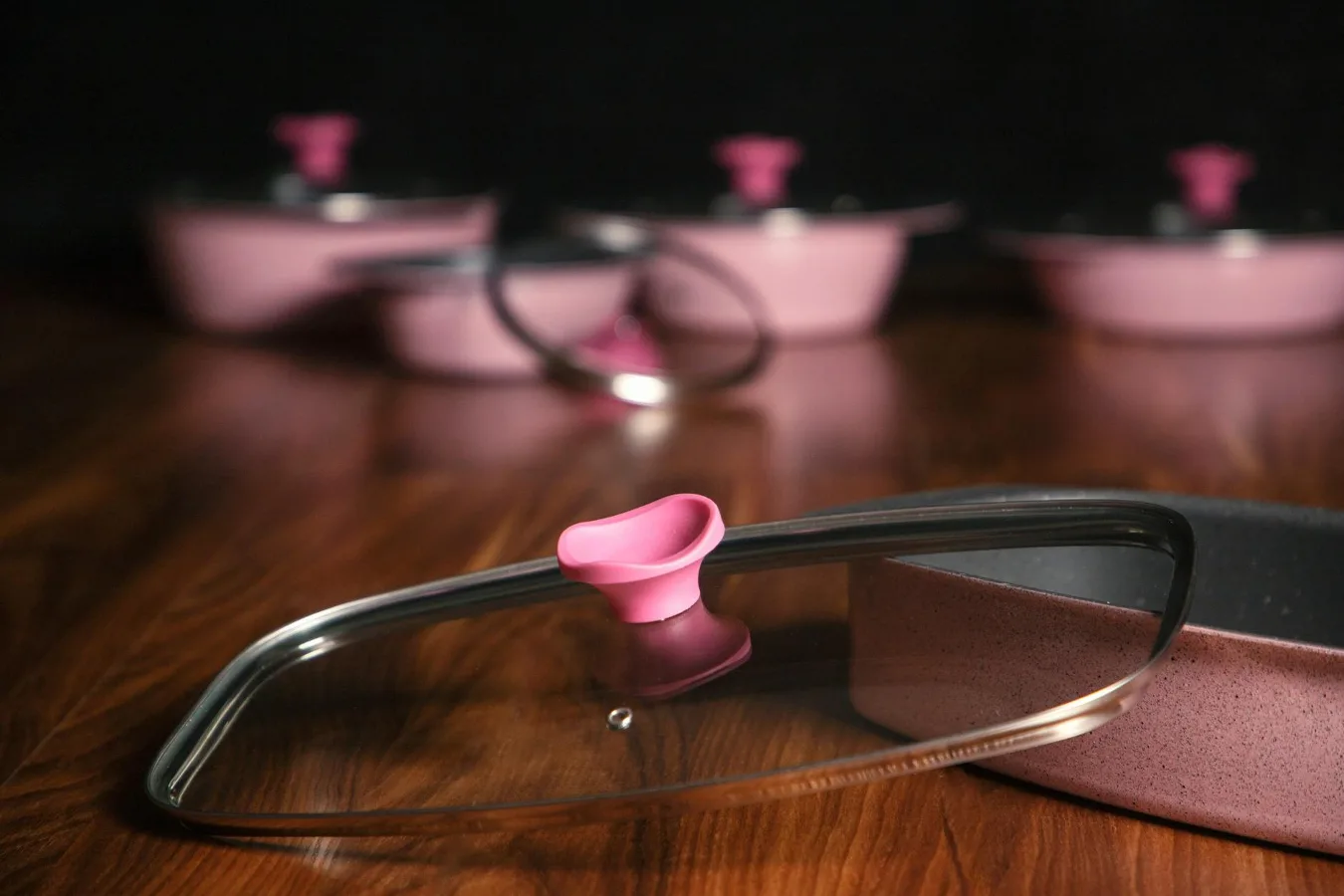
What an 8 piece cookware set is best for
An 8 piece cookware set is usually a compact collection built around the cookware most home cooks reach for often. That often means a mix of frying pans, saucepans, a stockpot, and lids, though the exact makeup varies by brand. The appeal is simple: enough pieces to cover everyday meals without the cost, weight, or storage demands of a larger set. how to choose cookware for everyday cooking offers more detail on this point.
For many shoppers, this size makes the most sense when setting up a first kitchen, replacing a few mismatched pans, or keeping things streamlined in a smaller space. It is also a practical option if you already own specialty items such as a Dutch oven, roasting pan, or wok and only need the core essentials.
The right set is less about the number on the box and more about whether the included pieces match how you actually cook. A well-chosen 8 piece cookware set can be more useful than a larger bundle full of duplicate pans you rarely touch.
When this size matters most
An 8 piece set tends to work best when you want a balanced middle ground. It can be enough for simple weeknight cooking, but still compact enough to fit in a typical apartment kitchen or shared cabinet space. That makes it especially relevant for first-time homeowners, college graduates, new renters, or anyone replacing worn-out basics.
It also matters if you want to avoid overbuying. Large cookware sets often include extras that sound helpful but add clutter. A smaller set can be a better fit if you prefer to buy specialty cookware later, one piece at a time, based on real cooking habits.
There is one common misconception worth challenging: more pieces do not automatically mean better value. If a set includes several items you will not use, or if it duplicates sizes you already own, it may be less practical than a simpler 8 piece cookware set with better construction.
Start with the cooking surface, not the packaging
The most important step is deciding what material and cooking surface fit your routine. That choice affects heat behavior, cleanup, durability, and even what utensils you should use.
Nonstick
Nonstick cookware is often attractive for eggs, pancakes, delicate fish, and low-oil cooking. It is also usually easier to clean, which can be a real advantage for busy households. The trade-off is that nonstick surfaces generally need gentler handling. Metal utensils, very high heat, and abrasive scrubbing can shorten the life of the coating.
Stainless steel
Stainless steel is a strong choice if you want better browning, good searing, and more flexibility across a range of techniques. It usually requires more technique than nonstick, especially for preventing sticking, but it tends to be a dependable long-term option for home cooks who want versatility.
Aluminum and anodized aluminum
Many cookware sets use aluminum for responsive heating. Anodized aluminum is often chosen for added hardness and improved durability. The key question is not just the base material, but how the set is built overall, including the core, interior surface, and handle design.
Cast iron or hybrid pieces
Some 8 piece cookware sets include a cast iron skillet or a hybrid surface to broaden the set’s range. These can be useful, but they also change the care requirements. Cast iron brings seasoning, drying, and weight considerations that are not ideal for every kitchen.
Check compatibility before you compare features
Cookware compatibility is easy to overlook, especially if you are focused on appearance or piece count. Yet it can decide whether a set fits your kitchen at all.
- Induction cooktops: not all cookware works on induction. If your range is induction, confirm the base is magnetic or explicitly induction-ready.
- Oven use: some sets are oven-safe, but temperature limits vary by material, handle type, and lid construction.
- Dishwasher use: dishwasher-safe claims can be helpful, but they do not mean every finish or nonstick coating will age equally well in the machine.
- Range type: gas, electric, glass-top, and induction cooktops may all favor different pan bottoms and weights.
This is one of the most practical decision points because a cookware set can look great online and still be a poor match for your stove. If you cook on induction, compatibility should be one of the first filters you use.
Pieces that matter in an 8 piece set
Because the size is limited, every included piece should earn its place. A good 8 piece cookware set usually covers a few core jobs rather than trying to do everything.
- Small skillet: useful for eggs, single servings, and quick reheats.
- Larger skillet or sauté pan: better for family portions, stir-fries, and one-pan meals.
- Small saucepan: helpful for sauces, oatmeal, reheating liquids, and melting butter.
- Larger saucepan or stockpot: useful for pasta, soup, grains, and batch cooking.
- Lids: often overlooked, but essential for simmering, steaming, and energy-efficient cooking.
The practical question is whether the set includes the right balance of pan sizes. A set with a tiny skillet and a too-large pot may look complete on paper but still feel awkward in daily use. Think about the meals you actually make most often.
Step-by-step criteria for choosing the right set
If you want a simple way to narrow the options, use the following order. This avoids getting distracted by color, marketing language, or extra pieces you may never need.
- Match the set to your cooktop. Confirm induction compatibility if needed, and make sure the pan bases are appropriate for your stove.
- Choose the primary surface. Decide whether easy cleanup or better browning matters more in daily use.
- Check the essential sizes. Make sure the skillet and saucepan sizes suit the number of people you cook for.
- Look at handles and lids. Comfortable, secure handles and well-fitting lids affect everyday usability more than many shoppers expect.
- Review care requirements. Consider whether you are comfortable with hand-washing, seasoning, or special utensil rules.
- Assess storage. Stackability, nesting, and handle shape matter if cabinet space is limited.
- Think about longevity. A lower-maintenance set may be worth more if you plan to use it heavily.
This order helps separate true needs from cosmetic preferences. A set that looks less impressive in photos can still be the better kitchen tool if it fits your cooking style.
Examples of different buyer profiles
Not every shopper is looking for the same thing from an 8 piece cookware set. A good editorial comparison starts with use case, not generic quality claims.
For a first apartment
Prioritize versatility, storage efficiency, and easy cleanup. A compact nonstick or stainless steel set with the right core pieces is usually more useful than a heavy bundle with specialty items.
For a small household
You may want a set that handles two to four servings without feeling oversized. Look closely at pan diameters and pot capacity rather than assuming the right number of pieces will suit the right portion sizes.
For frequent home cooks
If you cook often, durability and heat control matter more than a quick-clean finish. Stainless steel or higher-end hard-anodized options can make more sense than a lighter coating-first set.
For a gift
A cookware set can be a useful housewarming or wedding gift, but only if you know the recipient’s cooktop and storage situation. Induction compatibility, hand-wash requirements, and weight are all worth checking before you buy.
Common mistakes shoppers make
One mistake is focusing only on the total number of pieces. Smaller sets often include lids and useful core pans, while larger sets may split the same function across too many similar items.
Another mistake is ignoring handle comfort. Poorly shaped handles can make hot pans awkward to lift, especially when they are full. That matters more than decorative finishes or matching color schemes.
Shoppers also sometimes underestimate maintenance. Nonstick cookware is convenient, but it is not maintenance-free. Stainless steel can be forgiving in the long run, but it rewards a bit more technique. If you do not want to think about care habits, choose accordingly rather than assuming every surface behaves the same way.
A final oversight is buying a set that duplicates what you already own. If you already have a solid stockpot or sauté pan, a smaller cookware bundle may be more sensible than a larger one packed with overlap.
What to look for in build quality
Build quality is easier to judge when you know which details affect daily use. These are the signs that usually matter most in an 8 piece cookware set.
- Even base construction: helps cookware sit flat and heat more consistently.
- Secure handle attachment: reduces wobble and improves confidence when lifting.
- Balanced weight: heavy enough to feel stable, but not so heavy that it becomes tiring.
- Well-fitting lids: support simmering, steaming, and moisture retention.
- Clear care instructions: a good manufacturer should be upfront about what the set can and cannot handle.
One overlooked nuance is the difference between durability and convenience. A set can be easy to clean but less resilient over time. Another can be tough but require more attention after cooking. The best choice depends on which compromise you are most willing to live with.
When an 8 piece set is not enough
There are cases where this size is simply too limited. If you cook large batches frequently, entertain often, or prepare a wide variety of dishes, you may need more capacity or more specialized cookware than an 8 piece bundle can provide.
You may also want to skip a bundled set if your cooking style depends on specialty pans, such as a deep sauté pan, wok, griddle, or braiser. In those cases, buying individual pieces can be a smarter long-term move because it lets you choose exactly what you need instead of adapting to a generic bundle.
That said, many households do well with a compact set plus one or two add-ons. For example, an 8 piece cookware set can cover daily basics while a separate cast iron skillet or larger stockpot handles occasional tasks.
Simple checklist before you buy
- Does the set work with your cooktop?
- Do the pan and pot sizes match your usual meal sizes?
- Are the handles comfortable and secure?
- Are the lids useful and well matched to the pans?
- Are you comfortable with the cleaning and care requirements?
- Will the set fit your storage space?
- Does it avoid duplicating pieces you already own?
- Will the materials suit how you cook most often?
If you can answer those questions confidently, you are much less likely to regret the purchase later. An 8 piece cookware set works best when it solves a real kitchen problem instead of just filling cabinet space.
Final buying perspective
The best 8 piece cookware set is the one that fits your actual kitchen habits, not the one with the longest accessory list. For some households that means nonstick convenience and simple cleanup. For others it means stainless steel durability, better browning, and broader cooking range. 14 pc stainless steel cookware set offers more detail on this point. Stainless Steel Camping Cookware Set Guide offers more detail on this point.
If you treat the set as a practical tool kit rather than a complete kitchen solution, the decision becomes easier. Choose the right surface, confirm compatibility, and pay attention to the sizes you will use most. That approach usually leads to a set that feels useful from the first week and still makes sense after the novelty wears off.