
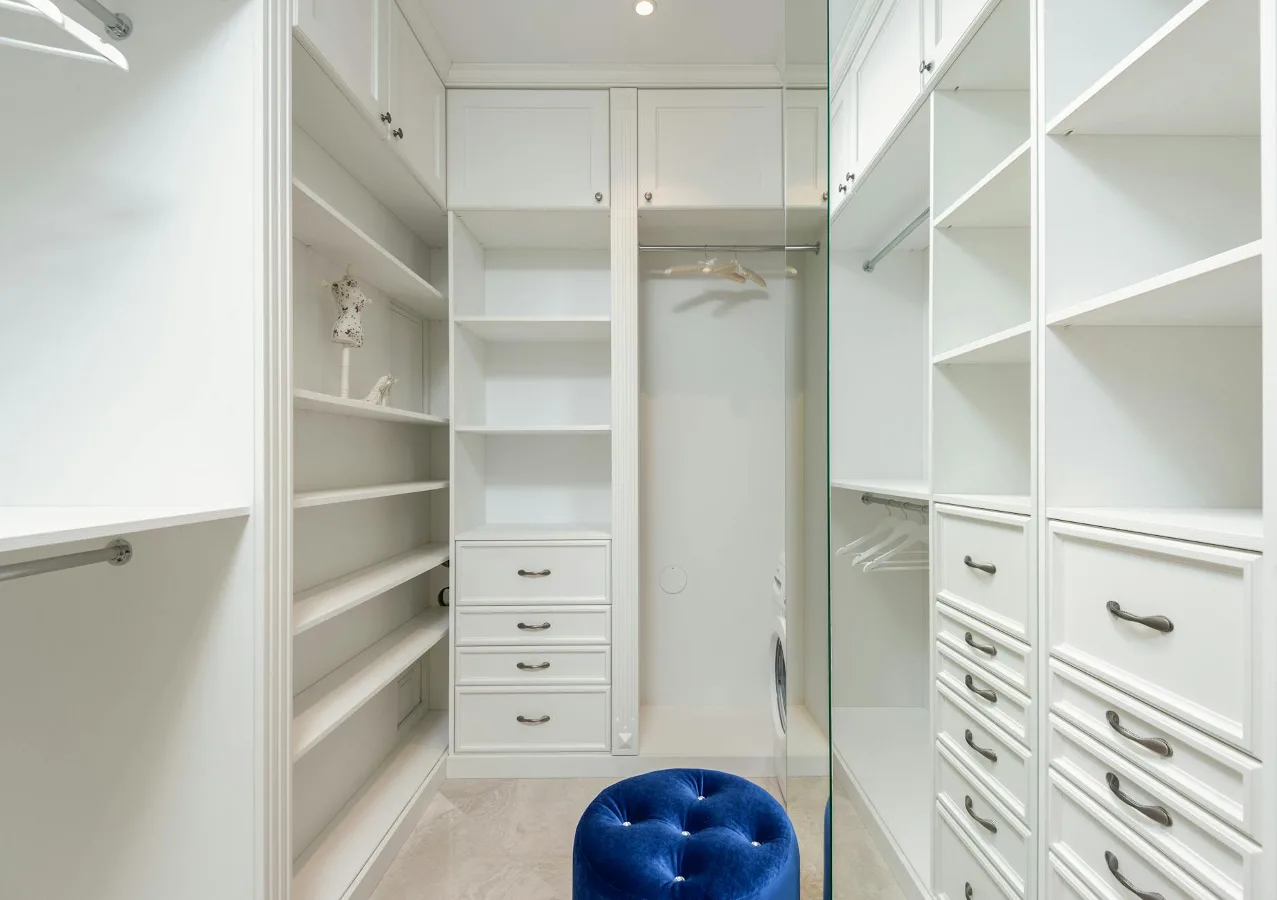
What a closet cap organizer solves
A closet cap organizer is a storage tool made to keep hats and caps visible, accessible, and less likely to get crushed. For many people, the real problem is not finding a place for one hat. It is managing a growing collection without ending up with bent brims, cluttered shelves, or hats stuffed into bins where they are hard to see. laundry closet organizer offers more detail on this point.
If you wear baseball caps regularly, rotate seasonal hats, or keep a few sentimental pieces you do not want damaged, the right organizer can make a closet feel much more orderly. The best choice depends less on style and more on how you store, reach, and protect your hats day to day. Best Closet Belt Organizer Options Explained offers more detail on this point.
That is the key point: a closet cap organizer is not just about saving space. It is about matching the storage method to the way you use your hats.
Key factors that matter most
1. Hat shape protection
The most overlooked factor is how the organizer supports the crown and brim. Some caps can be flattened or clipped without much issue, while structured hats need more careful support. If a storage method forces the brim into a sharp bend or compresses the crown, it may keep the closet tidy but shorten the useful life of the hat.
Look for organizers that hold the hat by the adjustable strap, inner band, or a gentle front-facing support point. For collectors or anyone storing structured caps long term, shape preservation should matter more than sheer capacity.
2. Closet space and layout
Closet cap organizers come in different formats because closets are not all arranged the same way. Some work best on a closet rod, some hang from a door, and others attach to a wall or inside a cabinet. The right format usually depends on what your closet has available:
- Rod space: useful for hanging organizers that stay with other clothing.
- Door space: good for quick access without taking shelf room.
- Wall space: practical if you want a dedicated hat zone.
- Shelf space: better for stacks, bins, or structured holders.
If your closet is already crowded, vertical storage often works better than another box on a shelf. The less you have to move other items to reach your hats, the more likely you are to actually use the organizer.
3. Number of hats you need to store
One hat and a rotating wardrobe of twenty hats call for very different solutions. Small collections can work with hooks, clips, or a compact rack. Larger collections usually need a system that scales without turning into a tangle of overlapping brims.
Think about both your current count and whether the collection is stable. If you keep buying new caps or switch styles seasonally, choose something that leaves room to grow. A storage solution that is full on day one often becomes inconvenient quickly.
4. Access frequency
How often you grab a hat should shape the storage choice. Everyday caps need fast access. Rarely worn hats can be stored more securely, even if that takes a little more effort.
This is where many people make a practical mistake: they use the same storage method for every hat. That usually leads to either overhandling delicate pieces or making the everyday caps harder to reach than they should be.
5. Installation and removal
Some organizers require adhesive mounting, hooks, screws, or hardware. Others hang without tools. The easiest option is not always the best one, especially if you rent, change closets often, or want a solution you can move later.
Before choosing, consider whether you are comfortable with permanent installation. A wall-mounted system may be ideal for a stable closet, while a door-hanging model may make more sense if you need flexibility. The trade-off is usually between sturdiness and portability.
Common closet cap organizer styles
Hanging strap or clip organizers
These are often the simplest options for baseball caps and casual hats. They use a strap, clip, or loop system to display hats vertically. Their main advantage is visibility: you can see your hats at a glance and grab one quickly.
The downside is that not every hat sits well on every clip. If the clip grips too tightly, it can leave marks. If it grips too loosely, hats may slide or tilt. These work best for lightweight everyday caps rather than delicate or highly structured pieces.
Over-the-door organizers
Over-the-door styles are useful when closet interior space is limited. They keep hats accessible without taking shelf room or floor space, which makes them especially appealing in small bedrooms or shared closets.
The main consideration is door clearance. If the organizer is bulky, it may interfere with closing the door or catch on nearby items. Measure the door area carefully and make sure the placement will not create friction every time you open or close the closet.
Wall-mounted racks
Wall-mounted organizers can create a cleaner, more permanent storage zone. They are often a good choice when you want hats displayed neatly and separated from other clothing. They also tend to work well for people who value a more organized visual layout.
The limitation is permanence. Once mounted, the placement matters. A rack installed too high, too low, or too close to hanging clothes can be inconvenient. This option usually works best when you already know where hats will live long term.
Shelf and bin storage
Some people prefer keeping hats on a shelf or in a bin, especially if they are protecting seasonal or collectible items. This approach can look tidy, but it is less ideal for quick access unless the hats are clearly separated and easy to sort.
Shelf storage also requires discipline. Without dividers or a clear system, hats can become piled on top of one another, which defeats the purpose. It is better for people who want a contained storage zone than for those who need fast daily access.
Formed hat holders
Some organizers are designed to support the hat itself more directly, helping maintain the crown shape. These can be useful for structured caps or hats that you want to keep in better form over time.
They may take up more room than a simple hook, but they offer a worthwhile trade-off if preserving shape is a priority. For a mixed collection, they are often best reserved for the hats you care about most.
How to choose the right one for your closet
The best closet cap organizer depends on your storage problem, not just your hat type. A good way to decide is to ask four practical questions:
- Do I need faster access or better protection?
- Do I have more rod space, wall space, or door space?
- Are my hats mostly casual caps or structured pieces?
- Do I want a temporary setup or a more permanent one?
If speed matters most, a hanging or over-the-door system is usually the most convenient. If shape protection matters most, choose a holder or rack that supports the hat more evenly. If your closet is small, prioritize vertical use of unused space.
A good rule of thumb: the less stable your closet layout, the more flexible your organizer should be. The more fixed your closet layout, the more you can benefit from a permanent setup.
Practical solutions for different use cases
For everyday baseball caps
Choose an organizer that lets you see each cap without removing several others first. Quick-access storage matters more than elaborate support here. Hanging systems, door racks, and neat row-based layouts usually work well.
For seasonal hats
Use a storage method that keeps dust and pressure low. Shelf storage with separation or a dedicated holder can make sense if the hats are not used often. Seasonal storage should focus on preserving shape and preventing unnecessary handling.
For a growing collection
Choose a system that can expand. Stackable or modular solutions are useful because they avoid a full reset when you add more hats later. This is a common point of regret: a stylish organizer that holds only a few caps may look good at first, but become too restrictive quickly.
For small closets
Look for vertical or door-based storage. The goal is to free shelf space while keeping hats within reach. Small closets benefit most from organizers that use overlooked surfaces rather than competing with clothes and shoes for the same space. small closet storage ideas offers more detail on this point.
For collectors or display-minded users
If the hats are part storage and part display, favor a setup that keeps them visible and evenly spaced. This is one area where aesthetics and practicality can overlap, but display should not come at the cost of crushing or crowding the hats.
Common mistakes to avoid
- Choosing by looks alone: a sleek design is not useful if it damages the brim or is awkward to reach.
- Ignoring measurements: door thickness, rod clearance, and wall spacing can determine whether the organizer actually fits.
- Overstuffing the holder: many organizers work best only when not packed to the limit.
- Mixing hat types without a plan: structured hats, soft caps, and specialty hats may need different storage methods.
- Forgetting long-term access: if you have to move several items every time you grab one cap, the system will likely go unused.
Another misconception is that all hat storage is interchangeable. A baseball cap, a fitted cap, and a structured fashion hat do not always respond the same way to pressure or hanging orientation. Storage should respect that difference.
When a closet cap organizer is not the best choice
There are situations where a dedicated organizer may not be the smartest answer. If you only own one or two hats, a simple hook, shelf spot, or drawer divider may be enough. If the hats are unusually delicate, a container that minimizes pressure may be a better fit than a hanging display. And if your closet is already packed tightly, forcing another organizer into the space can make the room feel more cluttered, not less.
Sometimes the best solution is a combination approach: one organizer for daily caps, a separate shelf or box for seasonal hats, and a dedicated spot for special pieces. That split system is often more practical than trying to make one product do everything.
How to think about value
For storage products, value is not only about the upfront purchase. It is about whether the organizer saves time, reduces clutter, and protects the item you are storing. A low-cost organizer that warps hats or is annoying to use may end up being less useful than a simpler, sturdier option.
Ask yourself whether the design supports your actual habits. If you are the type to grab the same cap every morning, convenience matters most. If you rotate hats often, visibility matters most. If your hats are collectibles, support and spacing matter most. The right value depends on the role the hats play in your routine.
FAQ
Do closet cap organizers work for fitted hats?
Some do, but fitted hats can be less forgiving than adjustable caps. Look for storage that supports the crown and avoids sharp pressure points. If the organizer clips only at one small point, it may not be ideal for structured pieces.
Is a door-hanging organizer better than a wall-mounted one?
Neither is universally better. Door-hanging organizers are more flexible and easier to move, while wall-mounted options can feel more stable and permanent. The better choice depends on your closet layout and whether you want a removable setup.
How do I keep hats from losing their shape?
Avoid crushing them under stacked items, overfilling holders, or folding brims unnecessarily. Use a storage method that supports the hat gently and keeps weight off the top of the crown.
What is the best organizer for a small closet?
Vertical options usually work best in small closets, especially door-based or hanging systems. These free up shelves and make it easier to see what you have without adding bulky storage bins.
Can I use one organizer for different kinds of hats?
Sometimes, but mixed collections are often easier to manage when separated by type. Everyday caps, structured hats, and seasonal pieces may each benefit from a different storage method.
A closet cap organizer is worth considering if your hats are cluttering shelves, getting crushed, or becoming hard to find. The best option is the one that fits your closet layout, protects the shape of your hats, and makes daily use easier rather than more complicated.