
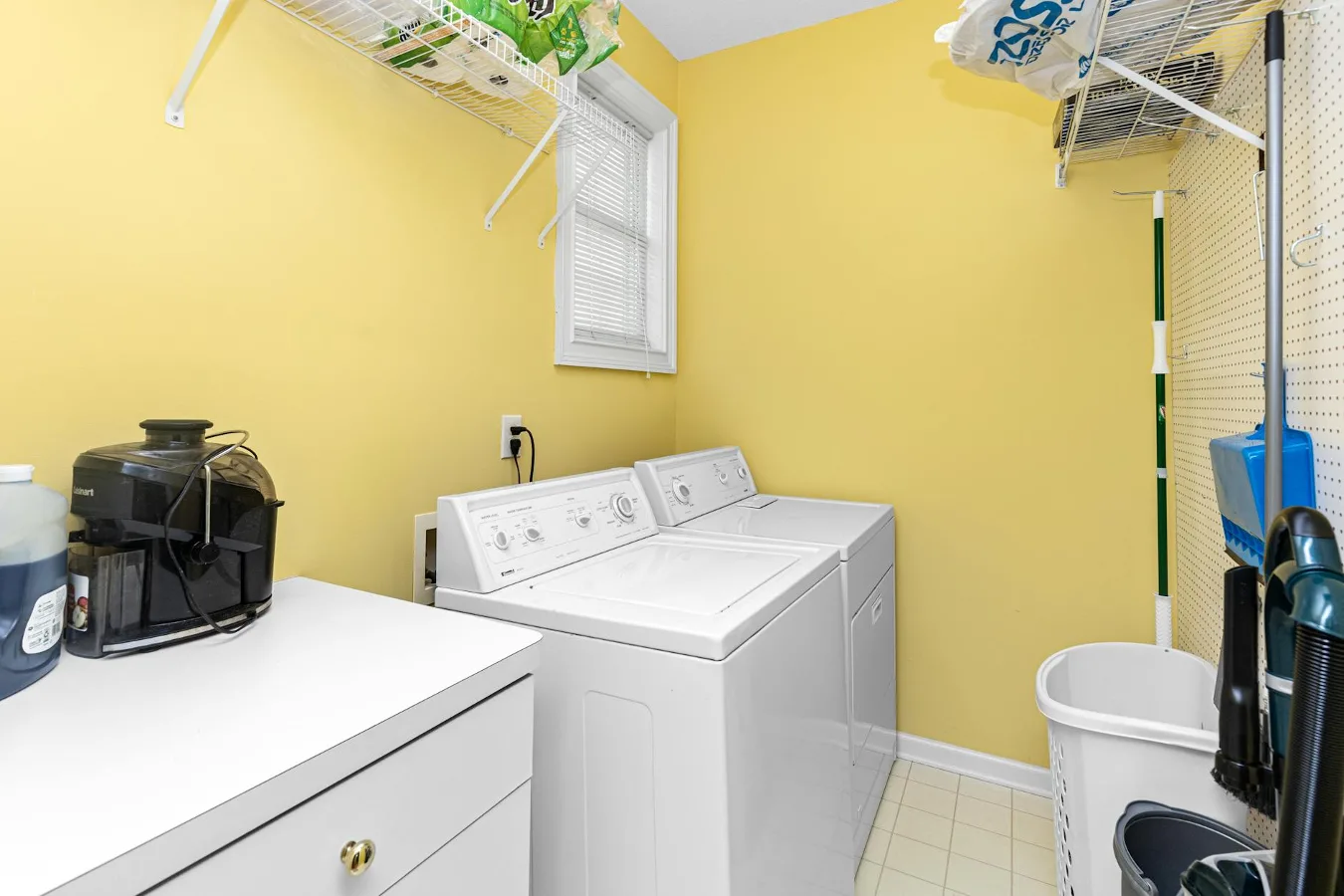
What a laundry closet organizer should solve
A laundry closet organizer is less about decoration and more about making a cramped utility space work harder. In a closet-sized laundry area, every shelf, bin, hook, and divider has to earn its place. The right setup keeps detergent, stain removers, drying tools, linens, and hampers easy to reach without turning the closet into a cluttered catchall. closet belt organizer offers more detail on this point.
For most shoppers, the goal is simple: create a layout that fits the closet’s dimensions, supports the way laundry actually happens, and keeps supplies from getting lost behind the washer, stacked awkwardly on the floor, or exposed to damp conditions longer than necessary. That usually means choosing a mix of shelving, baskets, hanging storage, and closed containers rather than relying on one single solution. storage options for laundry supplies offers more detail on this point.
The best laundry closet organizer depends on how your space is built. A narrow reach-in closet has different needs than a closet that houses a stacked washer-dryer unit, and a shared hall closet used for linens needs a different approach again. Before comparing products, it helps to define the storage problem first.
Key factors that matter before you buy
Available depth, width, and clearance
Closet dimensions shape almost every decision. A shelf that looks ideal online may interfere with doors, appliance hoses, plumbing, or the swing of a hamper. Measure the usable interior space, not just the overall opening. Pay attention to depth as well, since deep storage can hide items too effectively and make everyday products frustrating to retrieve.
If the closet holds appliances, leave room for ventilation, door clearance, and service access. If it is a storage-only laundry closet, you may have more flexibility with adjustable shelves, hanging rods, or modular bins. The best organizer is the one that fits the closet without making it harder to use.
What you need to store
A laundry closet organizer should match the actual inventory of items you keep there. Many households need space for detergent, bleach alternatives, stain treatment products, dryer sheets, microfiber cloths, a lint tool, spare hangers, a hamper, and perhaps an ironing board or folding aid. Others mainly need a place for towels, sheets, and overflow household supplies.
The mistake to avoid is buying storage for a generic “laundry room” and then discovering you need very different zones. Bottles want upright storage. Soft goods do better in open bins or shelves. Small loose items need containers or drawers so they do not disappear into the back of the closet.
Moisture and airflow
Laundry closets can deal with humidity, occasional spills, and warm air from appliances. That makes material choice important. In many homes, moisture-resistant surfaces are more practical than raw wood or delicate finishes. Metal shelving, coated wire systems, laminate, and certain plastics are commonly chosen because they are easier to wipe down and less likely to suffer from occasional dampness.
This is an overlooked consideration for many buyers: storage that looks neat in a bedroom closet may not hold up as well in a utility setting. If the closet tends to trap humidity, favor simpler materials and avoid overstuffing the space so air can circulate. utility closet storage ideas offers more detail on this point.
Open storage versus closed storage
Open shelves make supplies visible, which is helpful when you want fast access. Closed cabinets hide visual clutter and can make a laundry closet feel calmer. The trade-off is that closed storage can reduce visibility, so items are easier to forget or duplicate.
A balanced setup often works best. Use open storage for frequently used items and closed bins or cabinets for backup supplies, extra linens, or products you do not reach for every day.
Practical organizer types and where each one fits
Adjustable shelving
Adjustable shelving is one of the most flexible choices for laundry closets because product sizes change over time. Tall bottles, folded towels, and storage baskets all benefit from shelf heights that can be changed later. This is especially useful if the closet may eventually be repurposed or shared with other household storage.
It is a strong choice when you want a clean, relatively permanent layout without locking yourself into fixed shelf spacing. The limitation is that shelves alone do not solve everything. Small items still need containers, and very deep shelves can become cluttered if they are not paired with bins or labels.
Wire shelving
Wire shelving is common in utility spaces because it is lightweight, relatively simple to install, and allows air movement around stored items. It can work well for detergents, folded towels, and baskets. It is also often a good fit for closets where moisture resistance matters.
The compromise is that small items may tip or fall through if they are not grouped in bins. Wire shelving also tends to look more utilitarian than built-in cabinetry. If visual polish matters, you may prefer a more finished storage system.
Cabinets and concealed storage
Cabinets are useful when you want the closet to look tidy and when you need to hide cleaning products from children or guests. They create a more finished appearance and can make a narrow laundry closet feel less busy. For many households, lower cabinets paired with an open shelf above provide a practical split between concealed and accessible storage.
The drawback is that cabinets take up more visual and physical space. Deep cabinetry can also create hard-to-reach corners. If the closet is small, oversized doors or bulky cabinet fronts can make the space feel tighter.
Bins, baskets, and drawer-style inserts
Bins and baskets are the most useful supporting tools in a laundry closet organizer system. They group similar items, reduce visual clutter, and make it easier to move supplies when you need them. Drawer-style inserts are especially helpful for sorting small tools, clothespins, scent boosters, or other loose items that otherwise end up scattered.
The key is not to overuse them. Too many containers can create a second kind of clutter. Use them to support a clear system, not to hide disorganization.
Hooks, rods, and slim accessories
Hooks and rods solve the small-space problem that shelves cannot. A rod can hold hang-dry items, and hooks can keep sprayers, bags, reusable cleaning cloths, or a folding board within reach. Slim accessories are often the difference between a closet that merely stores items and one that actually supports laundry workflow.
These pieces work best as finishing touches. They should complement shelving and bins, not replace them entirely.
How to choose a setup that fits your routine
If you want the fastest access
Choose open shelving, labeled bins, and a layout that keeps daily-use items at eye level. This works well for busy households that want speed over aesthetics. Place detergent, stain treatment, and dryer supplies where they can be grabbed without moving other items.
For speed, consistency matters more than capacity. A compact but logical system is usually better than a large organizer that makes every task feel like a search.
If you want a cleaner visual look
Choose cabinets, coordinated baskets, and a simpler color palette. Concealed storage helps a laundry closet feel calmer, especially if the closet is visible from a hallway or living area. This approach is useful when the laundry closet doubles as general household storage.
Just be careful not to hide everything. A fully closed system can become inconvenient if you lose track of supplies. Leave room for quick-access items and a clearly defined backup zone.
If you store more than laundry supplies
Some laundry closets become overflow storage for linens, paper products, cleaning tools, and seasonal items. In that case, use zones. Keep laundry-specific items together and assign separate shelves or bins for the rest. Mixing everything into one pile tends to undermine the whole organizer.
A practical rule is to separate by use frequency. Daily laundry supplies should be easiest to reach. Occasional items can go higher or lower.
Common mistakes that make laundry closets harder to use
- Buying storage before measuring appliance clearance or door swing.
- Choosing deep shelves that swallow small items in the back.
- Using too many different containers, which creates visual chaos.
- Storing liquids high above eye level without secure containment.
- Ignoring airflow in a damp closet or utility nook.
- Forgetting to leave access to hoses, outlets, shutoff valves, or maintenance panels.
- Filling every inch of vertical space and making the closet difficult to maintain.
One common misconception is that more storage automatically means better organization. In a laundry closet, the opposite is often true. A smaller, more disciplined setup with clear categories usually works better than maximizing volume at the expense of usability.
Materials and finishes worth considering
Material choice affects maintenance, durability, and how the organizer handles everyday wear. In a laundry setting, wipeability matters. Surfaces should tolerate dust, lint, detergent residue, and the occasional spill without requiring special care.
Metal and coated shelving are often practical because they are sturdy and easy to clean. Laminate and moisture-tolerant composites can work well for cabinetry or shelves if the closet stays reasonably dry. Bins made from washable plastic or coated fabric can help reduce mess while staying lightweight. Delicate materials may look refined, but they are not always the best fit for a utility environment.
If the closet is adjacent to a humid area or includes a washer and dryer, prioritize materials that are simple to clean and less likely to be damaged by regular use. A laundry organizer does not need to be fancy to be effective.
Decision guidance by closet type
| Closet situation | Best-fit organizer approach | Why it works |
|---|---|---|
| Small reach-in laundry closet | Adjustable shelving with bins and a few hooks | Uses vertical space efficiently without overcrowding the opening |
| Closet with stacked appliances | Wall-mounted storage, shallow shelves, and accessory bins | Preserves clearance while keeping essentials close at hand |
| Utility closet shared with linens | Separated zones with open shelves and labeled baskets | Keeps towels, sheets, and laundry supplies from mixing together |
| Closet visible from a hallway | Cabinets or closed bins with a restrained layout | Improves visual order and reduces clutter |
| Damp or humid closet | Moisture-resistant shelving and breathable storage | Helps the system stay clean and easier to maintain |
How to think about long-term value
Long-term value in a laundry closet organizer is usually about adaptability. Closets change. Family needs change. Laundry products change. A good system can absorb those changes without needing a full redesign every time. Adjustable shelving, modular bins, and a few flexible accessories usually provide more staying power than a rigid setup built around one narrow use case.
It also helps to think about maintenance. If an organizer is hard to wipe down, awkward to reach behind, or requires constant rearranging, it will not stay useful for long. Durable simplicity often beats clever complexity in a small utility space.
For shoppers comparing options, the best question is not “What looks most organized?” It is “What will still work after a month of real use?” That shift in perspective usually leads to better decisions.
Choosing the right laundry closet organizer
The right laundry closet organizer is the one that fits your closet dimensions, your storage load, and your daily routine. Start with the structure of the space, then choose the mix of shelves, bins, cabinets, and hooks that makes the most sense for how you actually use laundry supplies.
If you want a simple answer: choose adjustable, moisture-tolerant storage with a clear layout, leave room for airflow and access, and keep the most-used items easiest to reach. That approach works in many U.S. homes because it balances practicality, flexibility, and upkeep.
A well-planned laundry closet does not need to be large. It just needs to be intentional.