
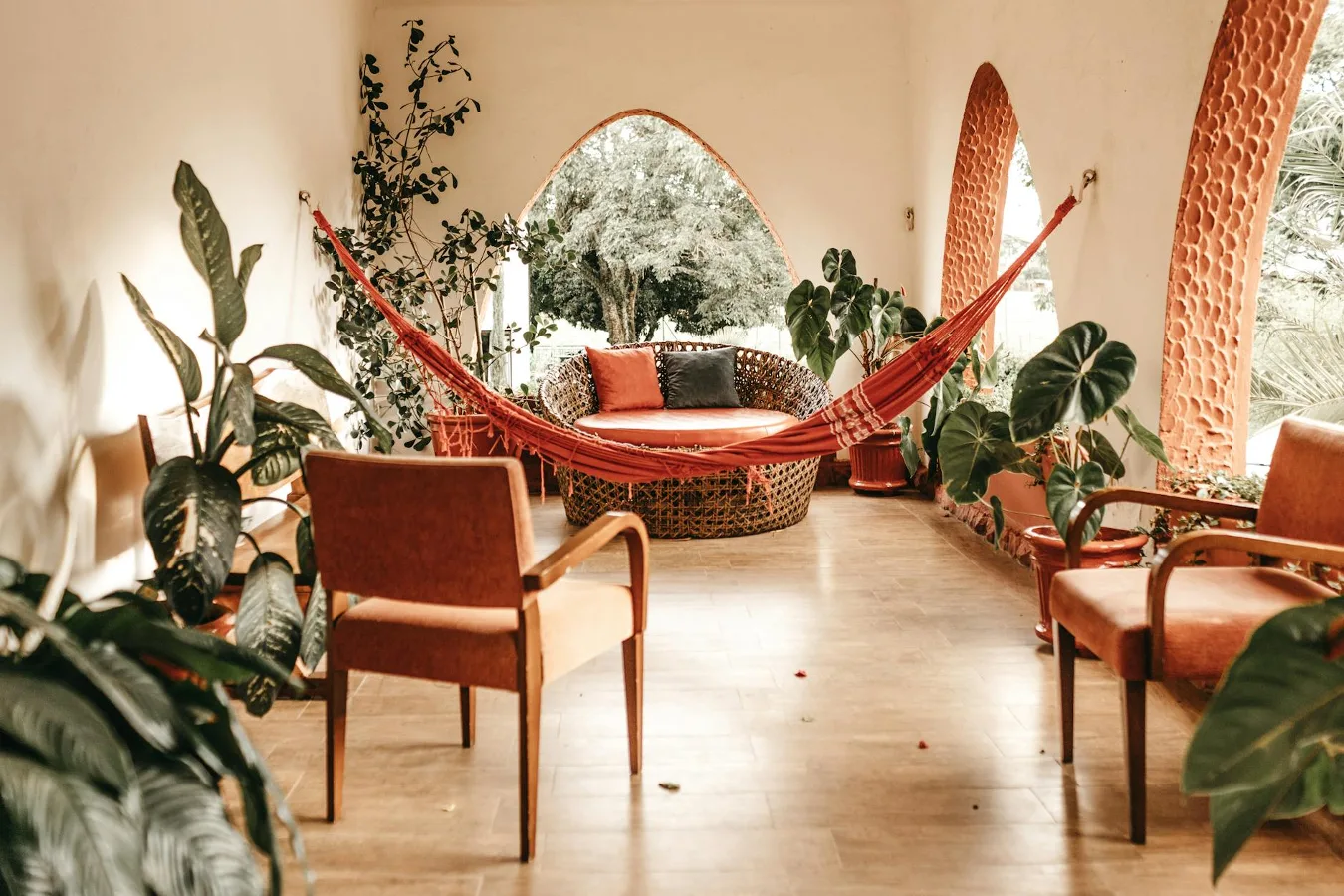
Quick answer: what cedar patio furniture is best for
Cedar patio furniture is a strong choice if you want outdoor seating or dining pieces with a natural look, moderate weight, and a reputation for handling outdoor conditions well. It tends to appeal to buyers who prefer real wood over metal or resin, and who are comfortable with some routine care to keep the finish and appearance in good shape. pvc patio furniture offers more detail on this point. how to choose patio seating offers more detail on this point.
The best cedar pieces are usually the ones matched to your actual use: a covered porch, an open patio, a damp garden setting, or a family space that gets frequent wear. Cedar is often chosen for its workability and attractive grain, but it is still wood, which means exposure, maintenance, and construction quality matter just as much as the material name.
How cedar compares with other patio furniture materials
If you are comparing patio materials, cedar sits in a useful middle ground. It offers more warmth and character than molded plastic or many synthetic pieces, but it usually asks for more upkeep than powder-coated metal or high-end all-weather resin. That trade-off is the central decision point for most buyers.
| Material | What it does well | What to watch for |
|---|---|---|
| Cedar | Natural look, relatively light weight, good outdoor suitability | Needs care, finish can weather, quality varies by build |
| Teak | Dense, premium feel, strong outdoor reputation | Usually higher cost, heavier, still needs upkeep depending on finish goals |
| Aluminum | Light, low maintenance, good for many climates | Less warmth, can feel less substantial depending on design |
| Resin wicker | Easy care, flexible styling, often comfortable | Can look dated over time, quality of weave and frame matters |
| Pressure-treated wood | Budget-friendly, common for outdoor use | Appearance and comfort may be less refined, finish care still required |
For many homeowners, cedar makes sense when the goal is a garden-friendly look without stepping into the premium pricing and weight of denser hardwoods. That said, cedar is not a “buy it and forget it” material. If you want something that can sit exposed year-round with little attention, metal or resin may fit your routine better.
What to look for before you buy
The material label only tells part of the story. Two cedar patio sets can age very differently depending on the way they are built, joined, and finished. A smart buying decision looks at the full piece, not just the wood species.
Construction quality
Check how the joints are made and whether the furniture feels stable. Well-made outdoor furniture should feel secure under normal use, with no obvious wobble in chairs, benches, or tables. Joinery matters because outdoor pieces expand and contract with changing moisture and temperature.
Look for details such as smooth sanding, consistent alignment, and hardware that appears suitable for outdoor use. Loose fittings, rough edges, or visibly stressed joints are warning signs, especially if the piece will live outdoors rather than on a sheltered porch.
Finish and appearance
Some buyers want cedar to keep its warm tone, while others prefer a weathered silver-gray look over time. Either is acceptable, but you should choose with intent. A protected finish often requires more maintenance, while an unfinished or lightly finished piece may change appearance faster but need less cosmetic upkeep.
A common misconception is that all cedar furniture stays attractive without care simply because cedar is naturally outdoor-friendly. In practice, the finish schedule, exposure level, and cleaning habits have a major effect on how the furniture looks after a season or two.
Weight and portability
Cedar is often easier to move than many heavier hardwoods, which can be helpful if you rearrange your patio seasonally or store furniture for winter. That lighter feel is convenient, but it can also be a drawback in windy locations if the furniture is not substantial enough to stay put. In exposed yards, weight and footprint matter as much as style.
Comfort and design
For seating, pay attention to seat depth, back angle, arm height, and whether cushions are included or needed. A cedar chair that looks great in photos may not be comfortable for long meals or relaxed conversation if the proportions are off. The same is true for benches, loungers, and dining sets. Outdoor comfort comes from both structure and accessories.
Cedar pairs well with cushions, but cushion storage becomes part of the purchase decision. If you do not want to bring textiles in and out often, choose furniture shapes that remain comfortable on their own.
Climate fit
Cedar is widely used outdoors, but local conditions still matter. In humid regions, shaded areas can stay damp longer and may need more attentive cleaning. In sunny, dry climates, finish wear and surface checking may become more noticeable. In coastal or storm-prone areas, wind exposure and salty air can change what matters most.
Instead of asking whether cedar is “good outdoors,” ask whether it is right for your outdoor setting. A covered patio, an open deck, and a garden corner with heavy tree cover each create different maintenance needs.
Where cedar patio furniture makes the most sense
Cedar is especially appealing for buyers who want a relaxed, natural outdoor style. It works well in garden seating areas, cottage-inspired patios, porches, and spaces that mix wood, greenery, and soft textiles. If your outdoor area is part of the home’s visual character, cedar can feel more cohesive than synthetic materials.
It is also a practical choice for people who want a wood furniture option that is easier to handle than many dense hardwoods. That makes it useful for smaller households, renters with seasonal storage, or anyone who rearranges their patio frequently.
On the other hand, if your outdoor space is highly exposed and you want minimal maintenance, cedar may not be the simplest choice. The more weather your furniture takes on directly, the more important regular cleaning and protective care become.
Common mistakes buyers make
One frequent mistake is focusing on the word “cedar” without checking the construction. Real outdoor value depends on the full build, not only the wood species. A well-joined, thoughtfully finished piece is usually a better buy than a poorly assembled cedar set.
Another mistake is buying for appearance alone. Cedar furniture often looks inviting in product photos, but if the seating angle, table height, or storage needs do not suit your routine, the piece may disappoint in everyday use.
Buyers also underestimate maintenance. Even if the furniture is intended to weather naturally, it still benefits from cleaning, occasional inspection, and a plan for off-season storage or cover use. Skipping care does not just affect looks; it can also shorten useful life.
A practical but overlooked consideration is surface exposure. A cedar sofa on a covered veranda and the same sofa in a fully open yard will age differently. The location often matters more than the product description.
Cedar versus alternatives
There are good reasons to choose something other than cedar. If your priority is very low maintenance, aluminum or quality resin furniture may be easier to live with. If you want a premium wood with a dense, refined feel, teak may be worth comparing, though it usually comes with different cost and care expectations.
For buyers on a tighter budget, pressure-treated wood or mixed-material sets can offer practical outdoor seating without the same emphasis on natural grain. Those options may not have cedar’s warmth, but they can be sensible when function matters more than appearance.
The right choice depends less on a universal “best” material and more on how you use the space. Ask yourself whether you want a furniture set that becomes part of the landscape, or one that simply performs with minimal attention. Cedar usually fits the first category better than the second.
Care and maintenance that actually help
Keeping cedar patio furniture in good shape usually starts with simple habits. Regular cleaning removes dirt, pollen, and moisture-retaining debris that can affect the surface over time. A gentle approach is usually better than harsh cleaners or abrasive scrubbing.
If you want to preserve the original color, plan for a suitable exterior finish and periodic reapplication based on the product instructions. If you prefer a weathered look, maintenance may focus more on cleaning, inspection, and structural care than on appearance control.
Storage or protection during harsh weather can make a noticeable difference. A sheltered spot, breathable cover, or seasonal indoor storage is often more useful than trying to compensate after damage has already happened. The key is consistency, not complexity.
Also watch for the hardware and fasteners, not just the wood. Outdoor furniture often fails at the connection points long before the wood itself gives out. Tightening, checking, and replacing corroded hardware when needed can extend the life of the piece.
Who should choose cedar patio furniture
Cedar is a good fit for buyers who value natural texture, a lighter visual profile, and a material that suits relaxed outdoor spaces. It is especially appealing if you want furniture that feels more integrated with a garden than a hard-edged synthetic set might. outdoor furniture material guide offers more detail on this point.
It is less ideal for buyers who want the lowest possible upkeep or who plan to leave furniture exposed to demanding weather with minimal protection. In those cases, it may be wiser to compare cedar with aluminum, resin, or another material that matches your maintenance tolerance.
For many shoppers, the decision comes down to balancing beauty and routine. Cedar offers real advantages, but it rewards buyers who choose thoughtfully and care for the furniture in a way that fits the environment.
Making a confident purchase
Before you buy cedar patio furniture, focus on five practical questions: where will it sit, how much weather will it face, how often will you move it, how much care will you realistically provide, and how important is the natural wood look to your space? Those answers usually narrow the field faster than brand names or style labels.
If the piece feels sturdy, suits your climate, fits your layout, and matches your maintenance habits, cedar can be a very satisfying outdoor choice. If not, it is better to choose a material that better fits your routine than to hope the furniture will behave differently once it arrives.