
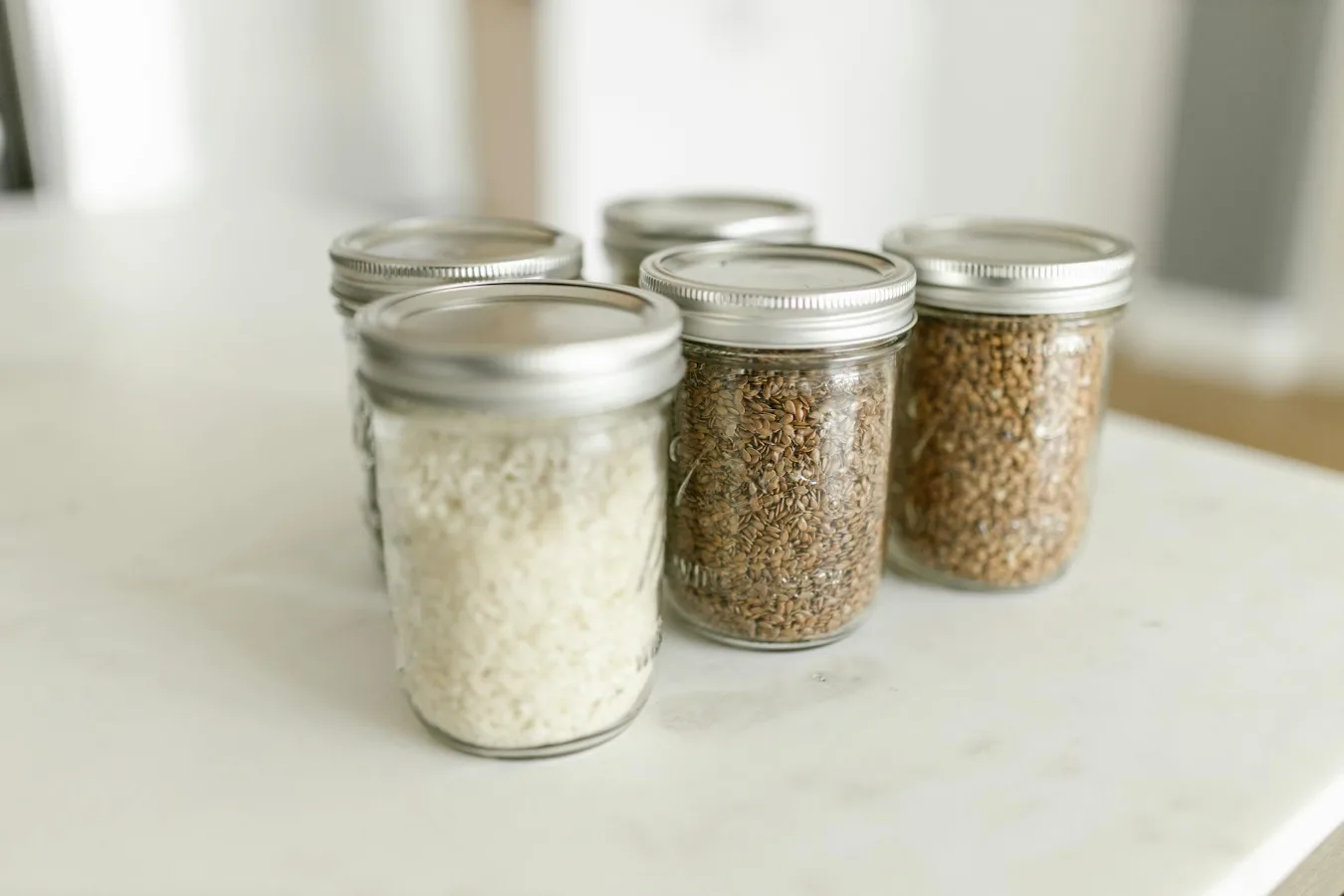
Seed storage containers are best chosen for one job: keeping seeds dry, organized, and easy to find when planting season arrives. For most home gardeners, the right container is an airtight or tightly sealing box that blocks moisture, limits light exposure, and gives you enough room to sort packets by crop, planting date, or season. choosing airtight storage for garden supplies offers more detail on this point. cannabis storage containers offers more detail on this point. best containers for humidity-sensitive items offers more detail on this point.
If you are comparing options, start with the storage environment first. A container that works well in a cool closet may not be a good fit for a damp basement, a bright shelf, or a frequently opened garage cabinet. The best seed storage container is less about a single product type and more about matching material, seal quality, size, and organization features to your actual storage conditions.
What to look for in seed storage containers
Not every container sold for “organization” is well suited to seeds. Seed packets are usually lightweight paper, and the seeds themselves can be vulnerable to moisture, heat, light, and pests. That means the most useful features are practical rather than decorative.
- Moisture protection: A tight seal helps reduce humidity changes that can affect seed quality and paper packets.
- Light control: Opaque or tinted containers are often better than clear bins if they will sit in a bright area.
- Size and shape: Choose a form factor that matches your seed collection, from a few packets to a large seasonal inventory.
- Organization: Dividers, cards, and label space make it easier to sort by crop, month, or planting zone.
- Durability: A rigid container protects packets from crushing, bending, and accidental spills.
- Access: If you use seeds often, a container that opens quickly and stays organized matters more than maximum sealing.
One overlooked point is that a “better” seal is not always the best choice for every household. If you open the container constantly, an extremely tight system can become inconvenient. In that case, a two-layer approach often works better: a sealed outer container with smaller labeled envelopes or trays inside.
Comparing the main types of seed storage containers
The right container depends on how you store seeds now and how you plan to use them later. A gardener who saves seeds for several seasons has different needs from someone who buys a handful of packets every spring and uses them up quickly.
| Container type | Best for | Strengths | Limitations |
|---|---|---|---|
| Airtight plastic box | General home storage | Lightweight, affordable, easy to label and stack | Quality varies; clear versions may expose seeds to light |
| Metal tin or box | Compact storage and durability | Rigid, often opaque, good for protecting packets from crushing | May not seal as tightly as dedicated airtight containers |
| Drawer-style organizer | Frequent access and sorting | Easy to browse, often includes dividers or file tabs | Usually better for organization than long-term moisture control |
| Envelope system in a sealed bin | Seed savers and larger collections | Flexible sorting, easy to update by year or crop | Requires more hands-on labeling and discipline |
| Glass jar or canister | Small collections in controlled spaces | Clear visibility and strong seal when well chosen | Heavier, breakable, and not ideal for crowded storage areas |
Airtight plastic containers are a common starting point because they are versatile and easy to find in many sizes. They work especially well when you want one container for an entire season’s packets or a simple pantry-style system. The main caution is that not all plastic containers seal equally well, so the lid design matters more than the material alone.
Metal containers are useful when physical protection matters. They resist bending and can help block light naturally. For many gardeners, they are a good fit for drawer storage, shelf storage, or a tote that moves between indoor and outdoor work areas. Their weak point is that a metal box may protect structure better than humidity unless the lid closes tightly.
Drawer organizers and file-style boxes are ideal for sorting. They make it easier to flip through seed packets by category, which is helpful if you grow a lot of crops or like planning ahead. These options shine on convenience, but they are usually stronger on organization than on long-term preservation.
Glass jars can work for very small collections or for seeds kept in a stable indoor environment. They are easy to inspect, but they are not the most forgiving option for a crowded gardening shelf. They are also less practical if you want to carry seeds to different parts of the yard or garden shed.
How to choose the right container for your setup
The best seed storage container depends on four questions: how many seeds you have, how sensitive your storage space is, how often you need access, and how much sorting you want to do.
If you buy seeds each season
A simple sealed box with room for alphabetized or crop-based packet sorting is usually enough. Look for a container that is easy to open, relabel, and restock. If your collection is small, a compact organizer may be better than a bulky bin that takes up shelf space unnecessarily.
If you save seeds for multiple seasons
Longer storage calls for better moisture control and more disciplined labeling. A sealed container that accommodates envelopes, small packets, and year markings can help prevent confusion later. This is where desiccant packs or a low-humidity storage space can be useful, though they are not a substitute for proper sealing and cool storage conditions.
If your storage area is not climate-stable
Garages, sheds, and basements can fluctuate in temperature and humidity. In those settings, a container should be chosen for protection first and convenience second. A rigid, closable container stored inside another stable indoor area is often more practical than relying on a decorative box with a loose lid.
If you need fast access during planting season
Frequent use changes the equation. You may prefer a system that opens easily and allows you to sort by crop family, planting date, or indoor versus outdoor sowing. The most organized solution is not always the most sealed one, but it should still protect packets when not in use.
Materials and design details that matter more than style
Seed storage is one of those categories where appearances can be misleading. A nice-looking box may be less effective than a plain one with a better lid and simpler layout.
- Opaque versus clear: Opaque containers help reduce light exposure. Clear containers are useful if visibility matters more than protection, especially in a dark closet or drawer.
- Rigid versus soft-sided: Rigid containers protect packets better and are less likely to crush labels or envelopes.
- Snap lid versus hinged lid: A snap lid may seal more tightly, while a hinged lid may be easier for regular use.
- Dividers and tabs: These are valuable if you manage many varieties or want to separate vegetables, herbs, flowers, and cover crops.
- Label surface: A flat, writable area saves time and prevents confusion when you rotate seeds by year.
A common misconception is that all moisture problems are solved by buying an airtight box. In reality, the container only helps if the seeds go in dry and the box stays in a reasonably stable environment. If your packets are already damp, sealing them too quickly can trap moisture inside. That is why a dry storage area and careful handling matter as much as the container itself.
Mistakes to avoid when storing seeds
Seed storage failures are often caused by small, practical mistakes rather than bad containers. Avoiding a few common problems can improve both organization and longevity.
- Using a container that is too large: Extra empty space can make a collection harder to manage and easier to misplace.
- Mixing unlabelled packets: If you cannot identify the crop, variety, or year, the container becomes a pile instead of a system.
- Storing in heat or humidity: A good container cannot fully compensate for poor storage conditions.
- Relying only on clear containers in bright rooms: Light exposure is easy to overlook, especially on open shelving.
- Forgetting to rotate older seeds: Older packets should be checked and used first when possible.
- Assuming one container fits all: A small working box and a separate long-term archive often work better than one oversized catch-all bin.
Another practical nuance is that paper seed packets themselves are part of the storage system. If you repackage seeds into envelopes, label them carefully and keep the original packet information where possible. That helps preserve planting details, variety names, and any growing notes you may want later.
Better alternatives when a single container is not enough
For many gardeners, the best solution is not one perfect container but a small system. That approach is especially useful if you want both preservation and convenience.
- Outer sealed bin plus inner envelopes: Good for separating short-term access from longer-term protection.
- File box with labeled folders: Helpful for larger collections that need fast browsing.
- Two-container method: Keep current-season seeds in a working organizer and reserve older or backup packets in a more protective box.
- Small jar system inside a larger bin: Useful for specialty seeds, saved seed lots, or very small quantities.
This layered approach also reduces clutter. You do not have to open your main storage every time you need one packet, which can make the whole system easier to keep tidy.
What a good seed storage setup looks like in practice
A practical seed storage setup is usually simple: one container for structure, one method for labeling, and one habit for rotation. The exact materials can vary, but the system should let you answer three questions quickly: what seed is this, what year is it from, and where should it be used next?
If your collection is small, a compact sealed box with labels may be enough. If your collection is expanding, a divider-based organizer or file box can save time. If your storage space is imperfect, prioritize a tighter seal and keep the box in the driest, most stable indoor spot you have available.
That practical fit matters more than the container brand or style. A simple box used consistently will usually outperform a fancy organizer that is difficult to maintain.
FAQ
What is the best type of container for seed storage?
The best type is usually a tightly sealing, rigid container that protects seeds from moisture, light, and crushing. For many home gardeners, that means an airtight plastic box, metal tin, or file-style organizer stored in a cool indoor space.
Should seed storage containers be airtight?
Airtight or tightly sealing containers are often helpful because they limit moisture exchange. That said, the container should still be used with dry seeds and a stable storage environment. The seal is part of the system, not the entire solution.
Are clear containers bad for seeds?
Not always, but clear containers are less ideal if they sit in bright light. If you use one, store it in a drawer, cabinet, or closet so the seeds are not exposed unnecessarily.
Can I use regular food containers for seeds?
Sometimes, yes, if they close securely and are clean and dry. Still, a container designed for organization, labeling, and packet sorting is usually easier to manage than a random kitchen container.
What is the biggest mistake people make with seed storage?
The most common mistake is focusing on the container and ignoring the storage environment. Heat, humidity, and poor labeling can undermine even a decent organizer.
If you want seed storage containers that actually help, choose for protection first and convenience second. A good container should fit your collection size, storage space, and seasonal workflow without making the system harder to maintain.