
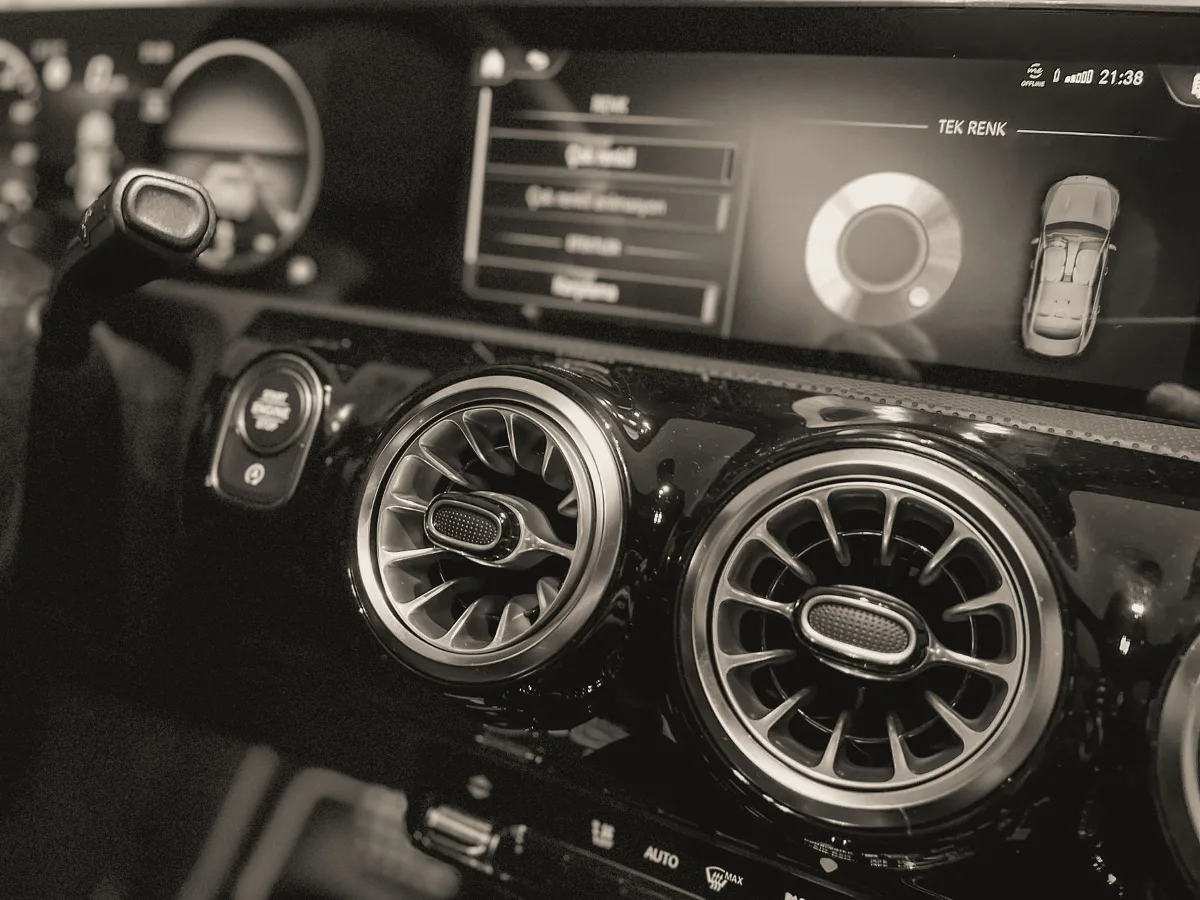
If you are looking for cars with air purifier features, the short answer is this: focus less on the marketing label and more on how the vehicle handles cabin filtration, odor control, and maintenance. Some cars use upgraded cabin air filters and automatic air quality systems, while others offer more advanced purification features that work with the climate control system. how cabin air filtration works offers more detail on this point. Best Air Purifier for Cigarette Smell offers more detail on this point.
For buyers in the U.S., the best choice is usually the car that matches your real driving conditions. A commuter dealing with traffic pollution has different needs from a family managing dust, pet hair, or seasonal allergies. The right system should be easy to live with, effective enough for your environment, and simple to maintain over time.
Who should consider a car with air purification features?
A built-in air purifier makes the most sense for drivers who spend a lot of time in the car and care about cabin air quality. That includes commuters in stop-and-go traffic, parents who often drive with kids, rideshare drivers, and anyone sensitive to odors or airborne particles.
It can also be useful if you regularly drive with pets, carry sports gear, smoke odors from passengers, or travel through dusty areas. The value is not only about removing particles. It is also about keeping the cabin more comfortable and reducing the need to rely on fragrance-heavy fresheners.
That said, a built-in purifier is not a cure-all. If the car has weak filtration, poor sealing, or a dirty cabin filter, the benefit can be limited. In other words, the feature matters most when it is part of a broader air management setup.
What these systems usually do
Car air purification features vary widely, so the term can mean several things. Some vehicles use a high-quality cabin air filter that traps dust, pollen, and road debris before the air enters the interior. Others add multi-stage filtration, odor-absorbing materials, or automatic climate control settings that recirculate cabin air when outside air is poor.
More advanced systems may include an air quality sensor, a particulate filter, or a dedicated purifier module integrated into the vehicle. These features are often paired with climate control rather than standing alone as a separate device.
A common misconception is that all cars with an “air purifier” badge perform similarly. They do not. One model may simply have a better cabin filter, while another may include a more sophisticated system designed to monitor and clean incoming air. For shoppers, the useful question is not whether the feature exists, but what kind of filtration approach the car actually uses.
Buyer scenario: which setup fits your needs?
For allergy-prone drivers
If pollen, dust, or seasonal irritation is your main concern, prioritize cars that emphasize cabin filtration and easy filter replacement. A well-designed cabin air filter setup is often more practical than a flashy feature list. You will also want to know how often the filter needs service and whether the replacement process is straightforward.
For city commuters
Urban drivers may care more about exhaust exposure, brake dust, and traffic smells. In this case, air quality sensors, recirculation settings, and odor-reducing filtration can be more valuable than a basic system that only handles large particles.
For families
Families usually benefit from systems that are simple, reliable, and low maintenance. If kids ride in the second row, look for strong airflow distribution as well as air purification. A system that cleans the front seats but leaves the rear cabin stagnant may not feel especially effective.
For pet owners
Pet hair, dander, and lingering odors are practical concerns. Here, the key is not just filtration but also cabin materials and ventilation. Easy-to-clean upholstery, strong climate control, and replaceable filters may matter more than a premium-sounding label.
Trade-offs that are easy to overlook
A car with an air purifier feature can improve comfort, but it may also add maintenance and complexity. Filters need replacement, sensors can need calibration or cleaning, and the system may rely on the vehicle’s electrical architecture rather than a simple standalone unit.
Another trade-off is cost versus usefulness. Some buyers pay for a purification feature they rarely notice because their driving environment is already fairly clean. Others skip it and regret not having it during wildfire smoke, heavy pollen seasons, or long daily commutes.
There is also a practical limitation: purification works best on air that actually passes through the system. If doors are opened often, windows stay down, or the cabin filter is overdue for replacement, the benefit drops quickly. This is one reason some shoppers overestimate the feature after a quick test drive.
Material and spec factors that matter most
For this topic, the most relevant comparison points are not flashy trims or infotainment packages. They are the underlying materials and specifications that affect how air is managed inside the vehicle.
- Cabin filter type: Standard particulate filters are common, while upgraded filters may do a better job with fine dust and pollen.
- Odor control materials: Some systems use activated carbon or similar media to help with smells from traffic, food, pets, or smoke.
- Air quality sensors: These can trigger automatic recirculation or purification modes when outside air quality worsens.
- HVAC integration: A purifier tied into the climate control system is often more seamless than a standalone accessory.
- Ease of replacement: If the cabin filter is buried behind difficult trim, long-term upkeep becomes less appealing.
- Cabin sealing and airflow design: A good purifier cannot fully compensate for poor ventilation or drafts that let unfiltered air in.
One overlooked factor is filter access. A system may sound advanced, but if replacing the filter is inconvenient, many owners delay maintenance and the air quality benefit declines. For a buyer guide, ease of service is not a minor detail; it is part of the product itself. complete guide to kazumi coffee maker offers more detail on this point.
How to compare cars with air purifier features
Instead of shopping by trim name alone, compare the vehicle’s air management as a whole. That gives you a better sense of real-world value.
- Identify the feature type. Is it a basic cabin filter, an upgraded filtration package, an air quality sensor, or a dedicated purification system?
- Check maintenance requirements. Find out how often filters need replacement and whether the process is simple.
- Look at climate control behavior. Automatic recirculation and fast cabin cooldown can affect comfort as much as filtration.
- Assess cabin size and airflow. Larger interiors may need more robust circulation to feel consistently fresh.
- Consider your local environment. Pollen, smog, wildfire smoke, humidity, and road dust all change what matters most.
- Think about long-term ownership. A good feature is one you will keep using without frustration.
Alternatives if the car you want does not include one
If your preferred vehicle does not offer a built-in purifier, that does not mean you are stuck with poor cabin air. A quality replacement cabin air filter can make a noticeable difference, especially if the original filter is basic or overdue for service.
Some drivers also choose a portable car air purifier. This can be a reasonable option when you want flexibility or when the vehicle itself lacks advanced air-quality features. The downside is that portable units add clutter, may require their own power connection, and vary widely in effectiveness and noise.
Another practical alternative is to focus on the car’s HVAC design, not just the purifier label. Strong airflow, recirculation mode, and easy filter access can offer more day-to-day benefit than a less useful integrated feature.
Common mistakes buyers make
One common mistake is assuming a premium trim automatically means better cabin air. Sometimes the difference is minor, and sometimes the actual filtration setup is similar across multiple trims.
Another mistake is ignoring maintenance. A car with an air purifier feature still needs regular filter attention. If you want the benefit to last, the system should be easy enough to service that you will actually keep up with it.
Buyers also sometimes focus on odor removal alone. That matters, but it is only one part of the picture. Dust, pollen, particulate matter, ventilation quality, and recirculation behavior all contribute to how the cabin feels.
Finally, some shoppers assume a built-in system will eliminate the need for any other care. It will not. Interior cleanliness, vacuuming, and keeping the HVAC system in good condition all support the result.
What to do next if you are shopping now
Start by narrowing the cars that fit your size, budget, and feature needs. Then compare how each model handles cabin filtration, filter replacement, climate control, and odor management. If possible, check the owner’s manual or the manufacturer’s feature descriptions so you can tell whether the car has a true purification system or simply an upgraded filter.
If you are torn between two vehicles, choose the one whose air-quality system is easier to maintain and more aligned with your everyday driving. For most buyers, a practical and serviceable setup is more valuable than a complicated feature that sounds impressive but is hard to live with.
For broader research, it also helps to compare related cabin comfort features such as climate control, rear-seat airflow, humidity handling, and interior materials. Those details often influence how fresh a car feels more than a single label on the window sticker.
Cars with air purifier features can be worthwhile, but only when the system is genuinely useful in your driving environment. The best choice is the one that fits your commute, your passengers, and the level of maintenance you are willing to keep up with over time.