
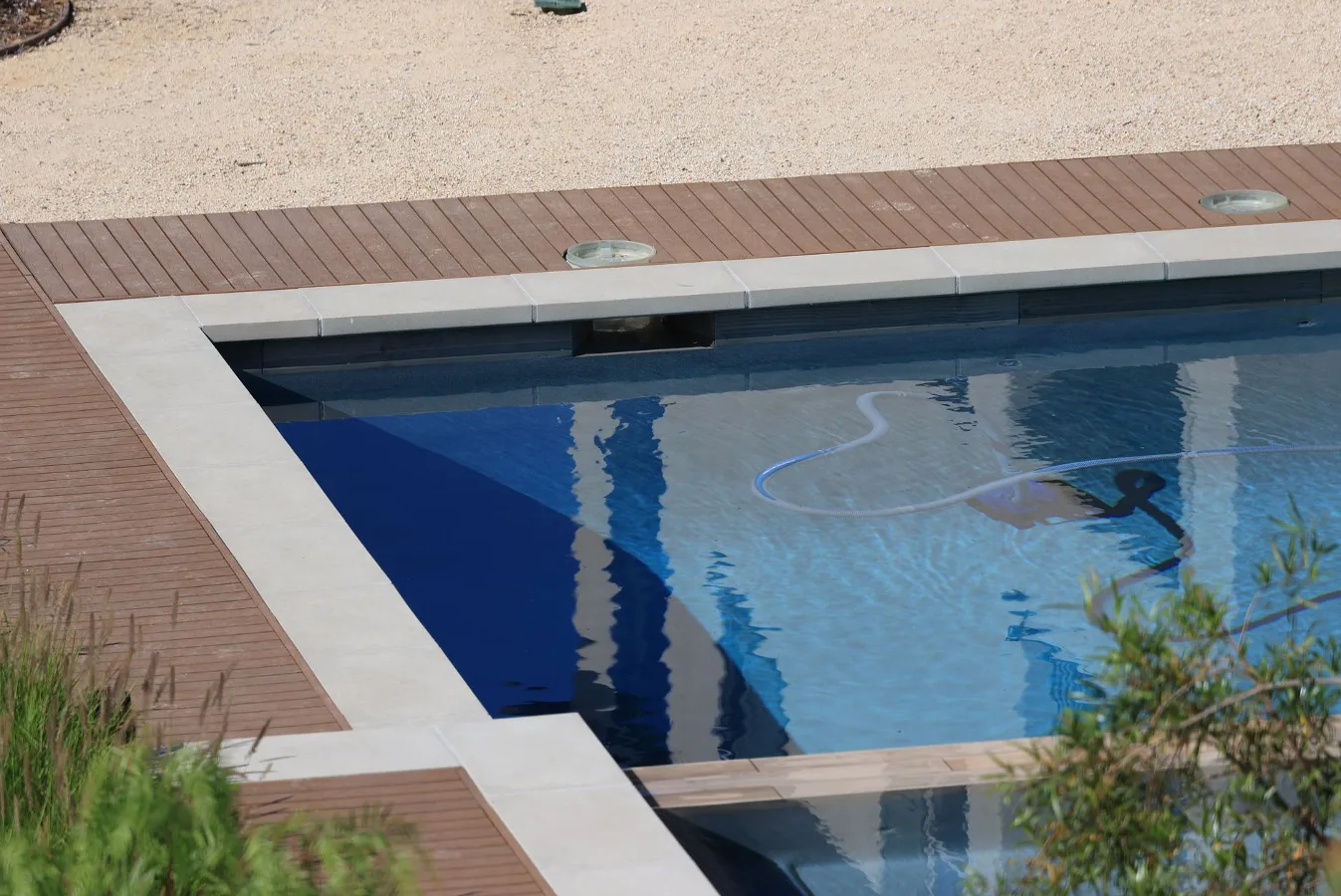
What a cordless pool vacuum robot is best for
A cordless pool vacuum robot is a battery-powered cleaner that moves through your pool without a power cord tethered to the deck. For many buyers, that means simpler setup, fewer cable tangles, and easier storage. The trade-off is that cordless models depend on battery capacity, charging habits, and the amount of debris in the pool. polaris robotic pool vacuum offers more detail on this point.
If you are shopping for one, the real question is not whether cordless is convenient. It is whether that convenience fits your pool size, cleaning routine, and the kind of debris you deal with most often.
These cleaners are usually a strong fit for homeowners who want a lower-hassle way to handle routine maintenance, especially in smaller or mid-size pools. They can also appeal to people who prefer a cleaner setup around the pool deck and do not want to manage a floating cord every time they clean.
Buyer scenario: who should consider cordless first
A cordless pool vacuum robot makes the most sense when your pool cleaning needs are straightforward rather than demanding. If your pool collects light to moderate debris and you want a cleaner that can be dropped in, run, and removed without much fuss, cordless models deserve a close look.
They are especially worth considering if you want a more portable cleaner for a smaller backyard pool, an above-ground pool, or a routine maintenance tool between deeper cleanings. They can also suit buyers who value simplicity over maximum runtime or heavy-duty cleaning power.
On the other hand, if your pool collects a lot of leaves, gets dirty quickly, or needs long cleaning sessions, cordless convenience may not be enough on its own. In those cases, a corded robotic cleaner or a more traditional suction-side or pressure-side cleaner may be a better fit.
The trade-offs that matter most
The biggest advantage of cordless pool vacuum robots is obvious: no cord to manage. That can improve ease of use, reduce clutter, and make setup feel less like a chore. For some pool owners, that alone makes the daily or weekly cleaning routine more realistic.
The main compromise is runtime. A cordless robot has to do its work within the limits of its battery, so the size of the pool and the length of the cleaning cycle matter more than they would with a plug-in model. If the robot cannot finish the job in one cycle, you may end up doing more manual follow-up than expected.
Another practical trade-off is recovery and consistency. Cordless cleaners are appealing for portability, but battery-powered devices bring charging time and eventual battery wear into the equation. That does not make them a poor choice, but it does mean long-term value depends on how the battery and internal components hold up over repeated use.
There is also a common misconception that cordless automatically means less maintenance. In reality, the cleaner still needs basket emptying, filter rinsing, and occasional brushing or inspection. The absence of a cord simplifies use, but it does not remove routine care.
Material and spec factors worth checking
Because cordless pool vacuum robots are appliances built for wet environments, material quality and design details matter more than many buyers expect. Look beyond the product category and focus on the parts that affect everyday use. Appliances guide offers more detail on this point.
Battery and charging setup
Battery life is one of the most important decision points. You do not need a published number to understand the issue: the cleaner must be able to handle your pool without stopping short. Think about how long your typical cleaning session needs to be and whether you are comfortable charging between uses. what to know about pool wall cleaning offers more detail on this point.
It also helps to look at the charging method and storage process. A cleaner that is easy to charge and store tends to get used more often. Complicated charging routines can reduce convenience over time.
Filtration and debris handling
Different pools create different messes. Fine dust, sand, pollen, and leaves all behave differently inside a filter basket. Some cordless pool vacuum robots handle larger debris better than very fine particles, while others focus on lighter maintenance cleaning.
If your pool sits near trees, a larger debris basket and easy emptying may matter more than advanced navigation features. If your main issue is smaller particles that settle on the floor, look for a cleaner with a filtration setup suited to that kind of work.
Coverage and navigation
Coverage is not just about whether a robot moves around. It is about how thoroughly it can clean the areas you care about most. Some cordless models focus mainly on the floor. Others are designed for walls or waterline cleaning, though that capability varies widely by design.
Pool shape matters too. Simple rectangular pools are usually easier for robots to clean consistently than freeform or unusually shaped pools. Steps, ledges, and tight corners can be a challenge for many automated cleaners, cordless or not.
Build quality and maintenance access
Since these are submersible appliances, practical details matter: how easy the top opens, how the basket removes, and whether the device feels straightforward to rinse and reassemble. A cleaner that is awkward to maintain may become a nuisance, even if it cleans well.
Look for user-friendly access to filters and a design that minimizes trapped debris. Maintenance convenience is a real performance factor because it affects whether the cleaner stays ready for the next use.
Match the cleaner to your pool, not just the category
One of the most useful ways to narrow the field is to start with your pool type.
- Above-ground pools: Often a good match for cordless cleaners because many are designed for smaller, simpler layouts.
- In-ground pools: Better suited to cordless models when the pool is not excessively large and the cleaning needs are routine rather than heavy-duty.
- Pool shape with curves or steps: Worth extra scrutiny, since navigation can be less predictable in complex layouts.
The pool surface also matters. Vinyl, fiberglass, and plaster can all present different traction and cleaning challenges. A robot that performs well on one surface may not feel as dependable on another if the design is not well matched to the pool.
Debris type is another deciding factor. If you mostly want to keep up with dust and light dirt, you can prioritize ease of use and portability. If your pool collects leaves, twigs, and larger debris, you should weigh basket size, intake design, and how often the unit will need to be emptied.
Where cordless models shine
For the right buyer, cordless pool vacuum robots offer a clear practical advantage: less friction. You do not have to route a cord, worry about tangles, or spend extra time setting up around the pool deck. That convenience can make routine cleaning feel far more manageable.
They can also be a good fit if you want a cleaner that is easy to carry, store, and deploy. For seasonal pool owners or people who prefer a simpler maintenance routine, a cordless model can be easier to live with than a more complex setup.
Another benefit is that many buyers find cordless options less visually cluttered during use. That may not affect cleaning performance directly, but it does affect the ownership experience.
Where they fall short
The limitations are just as important. Cordless pool vacuum robots can struggle when the cleaning job is bigger than the battery reserve. That makes them less attractive for large pools or heavily debris-prone environments unless the model is specifically designed for that workload.
They may also require more planning. You need to remember to charge the unit, monitor the runtime, and think about whether one cleaning cycle is enough. If your ideal cleaner is one you can forget about for long stretches, cordless may not feel as effortless as expected.
Another constraint is serviceability over time. Battery-powered appliances always introduce battery aging into the ownership picture. Even when the rest of the machine is in good condition, battery degradation can change how useful it feels after repeated use.
Common mistakes buyers make
Many shoppers focus on the word “cordless” and overlook the practical details that determine satisfaction.
- Choosing based on convenience alone: Ease of use matters, but so do runtime and cleaning coverage.
- Ignoring pool size: A cleaner that works beautifully in a smaller pool may underperform in a larger one.
- Overlooking debris type: A model suited to light dirt may not be ideal for leaves or heavier debris.
- Forgetting maintenance access: If the basket is awkward to remove, you may use the cleaner less often.
- Assuming all cordless models clean walls: Floor-only and wall-capable robots are not the same category.
These mistakes are easy to make because product listings often emphasize convenience and features first. A better approach is to work backward from your pool and your cleaning habits.
Alternatives worth comparing before you buy
A cordless pool vacuum robot is not the only path to easier pool care. Depending on your setup, another type of cleaner may make more sense.
Corded robotic pool cleaners are often better when runtime consistency matters more than portability. They may be preferable for larger pools or for buyers who want more dependable full-session cleaning.
Suction-side cleaners can be appealing if you want a simpler mechanical approach tied to the pool’s filtration system. They are not always the easiest option, but they can work well in some maintenance routines.
Pressure-side cleaners may be relevant for pools with heavier debris loads, though they come with their own setup and compatibility considerations.
Manual pool vacuums still make sense when you only need occasional spot cleaning or want direct control over problem areas.
Comparing these options can help you avoid overbuying. If your pool does not need an advanced autonomous cleaner, a simpler solution may save time and money while still doing the job.
What to do next if you are comparing models
Start by identifying your pool size, shape, and debris pattern. That gives you the best filter for narrowing down cordless pool vacuum robots that are likely to fit your routine.
Next, compare the features that affect real use: battery runtime, charging convenience, filtration, debris basket access, and whether the robot is intended for floors only or for broader coverage. Do not let accessory features distract you from those basics.
Then think about maintenance. A cleaner that is easy to rinse, empty, and store is more likely to stay part of your routine. If a model seems attractive but looks fussy to maintain, that is worth treating as a real downside rather than a minor detail.
If you are deciding between cordless and corded, ask one simple question: do you value freedom from a cable more than guaranteed runtime and often broader coverage? That answer usually points to the right direction.
For buyers who want a practical, low-friction cleaning tool for a manageable pool, a cordless pool vacuum robot can be a smart choice. For those facing large pools, heavy debris, or the need for longer continuous cleaning, the better decision may be a different cleaner type entirely. The best purchase is the one that fits the pool you actually have, not the one that sounds most convenient on paper.