
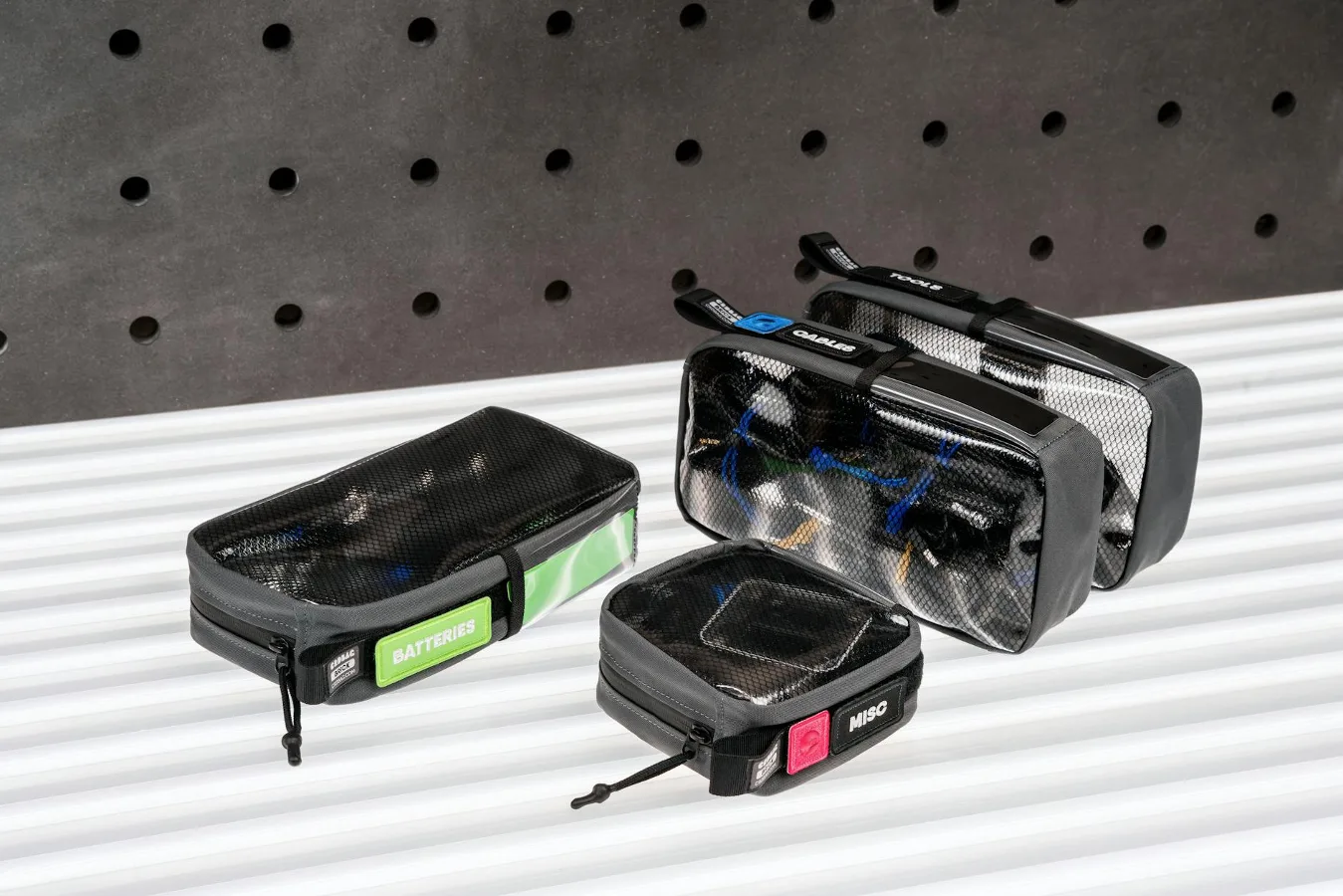
A lithium battery storage container is a purpose-built way to keep lithium-ion batteries organized, separated, and protected while they are not in use. For most buyers, the goal is not just storage capacity; it is reducing risk, improving handling, and making sure batteries are kept in conditions that make sense for the battery type and the space they are stored in.
If you are comparing options for a home workshop, retail backroom, warehouse, or maintenance area, the right container depends on how many batteries you need to store, whether they are loose or packaged, and how much attention you need to give to fire safety, ventilation, and physical protection. The best choice is usually the one that fits your actual workflow, not the one with the most features.
Quick answer: what to look for
The best lithium battery storage container is one that keeps batteries separated from metal objects, limits accidental contact, supports safe handling, and matches the way you store batteries day to day. For many buyers, that means a nonconductive organizer, a ventilated storage cabinet, or a fire-resistant container designed for battery storage, depending on the setting. choosing a storage cabinet for batteries offers more detail on this point.
Do not treat every lithium battery the same. Small consumer batteries, tool batteries, e-bike packs, and larger industrial packs can call for very different storage approaches. The container should match the battery size, quantity, and risk profile, along with any site rules or local fire-safety requirements that apply to your space. battery storage safety basics offers more detail on this point.
How to compare lithium battery storage containers
There is no universal best container. The right one depends on a few practical factors that matter more than brand labeling.
1. Battery type and size
Start with what you are storing. Loose AA-style lithium cells, sealed rechargeable packs, power-tool batteries, and larger equipment batteries do not belong in the same kind of container. Small batteries need good organization and isolation. Larger packs usually need sturdier construction, more space between items, and a storage format that supports safer handling.
As battery size increases, the margin for error often shrinks. A container that works well for spare cells on a shelf may be a poor fit for higher-capacity packs or batteries that are frequently moved in and out of service.
2. Material and electrical safety
One overlooked issue is conductivity. A storage container should not allow batteries to rattle against bare metal parts or loose accessories that could create contact points. Nonconductive compartments, insulated inserts, and clearly separated bays are useful because they reduce accidental shorting risk during storage and retrieval.
If you are considering a metal cabinet, look closely at the interior design. A metal exterior may be fine if the inside is organized with nonconductive liners, individual compartments, or separated trays. The material alone does not tell you whether a container is suitable.
3. Fire resistance and containment
Some buyers assume every lithium battery container must be fireproof. That is not always realistic, and in many cases the more useful question is whether the container helps contain a problem long enough to support response and separation from other stored items.
Fire-resistant cabinets, safety cans, and specialty battery containers may be appropriate in higher-risk environments, but they usually cost more and may be heavier or less convenient. For lower-risk storage, the priority may be organization, spacing, and keeping batteries away from heat sources and combustible clutter. Choose the level of protection that fits your setting instead of overbuying features you may not need. 10 Foot Storage Container Buying Guide offers more detail on this point.
4. Ventilation and heat management
Lithium batteries should be stored in a cool, dry place away from direct heat. A storage container should not trap heat unnecessarily, especially if the batteries are stacked tightly or stored in a warm room. Some cabinets and bins are designed with vents or airflow considerations, while others are meant more for isolation than active cooling.
Ventilation is a balancing act. Too little airflow can hold heat in the container. Too much open exposure can leave batteries vulnerable to dust, moisture, or accidental contact. The best choice depends on your storage environment, not just the product listing.
5. Capacity and organization
Capacity is more than volume. A container can be large enough to hold your batteries but still be a poor choice if it forces items to touch, stack loosely, or slide around during handling. Look for compartment layout, tray depth, and spacing that make it easy to store batteries individually or in small groups.
If batteries are frequently checked in and out, a simple labeled layout often works better than a deep bin. If inventory is slow-moving, a cabinet with shelves or drawers may be more practical. The easier it is to keep the container organized, the less likely batteries are to be damaged or mixed with incompatible items.
6. Locking and access control
In shared spaces, access matters. A lockable container can help keep batteries away from unauthorized users, reduce tampering, and prevent casual storage of unrelated items. This is especially useful in workplaces, schools, and multi-user storage rooms where batteries may be valuable or handled by different teams.
That said, a lock is not a substitute for safe battery storage practices. A locked cabinet that is packed too tightly or placed next to a heat source is still a bad storage setup.
7. Portability versus stationary storage
Some buyers need a container that can be carried between a charging area, a vehicle, and a shelf. Others need a fixed cabinet for long-term storage. Portable cases are useful for transport and short-term holding, but they often sacrifice capacity and containment. Stationary cabinets are usually better for organized storage at a single site.
If your workflow involves both transport and storage, you may need two different products rather than one compromise solution.
Comparison: common container types
The most suitable lithium battery storage container depends on the use case. These broad categories can help narrow the field.
| Container type | Best for | Strengths | Trade-offs |
|---|---|---|---|
| Nonconductive storage bin | Small spare batteries, household use | Simple, lightweight, easy to organize | Limited protection and containment |
| Compartmented organizer | Tool batteries, mixed small packs | Prevents contact, improves labeling and access | Usually not designed for higher fire protection |
| Battery storage cabinet | Workshops, retail, light industrial storage | Better organization, access control, can support safety features | Bulkier and more expensive than bins |
| Fire-resistant cabinet | Higher-risk environments, larger quantities | Added containment and separation from surrounding storage | Cost, weight, and footprint |
| Transport case | Moving batteries between locations | Portable and protective during transit | Often less convenient for long-term storage |
A common misconception is that the most protective-looking container is automatically the best one. In practice, a well-organized cabinet used correctly can be more effective than an oversized, complicated container that nobody keeps in order.
Mistakes to avoid when buying one
- Choosing by size alone. A roomy container can still be unsafe if batteries can move freely, touch metal, or pile up unevenly.
- Ignoring the battery mix. Different battery chemistries, capacities, and form factors may need different storage approaches.
- Using ordinary bins for everything. General plastic boxes can be fine for organization, but they may not address fire risk, heat buildup, or access control.
- Overcrowding the container. Tight packing makes inspection, retrieval, and separation harder.
- Storing damaged batteries with healthy ones. A container should not become a holding area for compromised batteries unless your site has a specific procedure for that purpose.
- Assuming locking equals safe storage. Security and safety are different issues.
- Placing the container in a poor environment. Heat, moisture, direct sunlight, and clutter all undermine storage quality.
Practical decision points that matter most
If you are trying to narrow the field quickly, focus on these questions:
- Are you storing loose cells, packs, or larger battery modules?
- Will the container stay in one location or move around?
- Do you need access control in a shared space?
- How much separation do you need between batteries?
- Is your main concern organization, fire resistance, or both?
- Does the storage area already have good temperature and moisture control?
Those answers usually matter more than marketing language. A container that looks rugged but does not support your storage habits may create more problems than it solves.
What storage conditions still matter after you buy the container
The container is only one part of the setup. Lithium batteries still need the right surrounding conditions. Keep them away from direct sunlight, heaters, charging stations that run hot, and damp locations. A dry storage area is especially important in basements, garages, utility rooms, and back-stock spaces where humidity can fluctuate.
If moisture control is a concern in your storage area, the container should work alongside the room conditions rather than replace them. A good container can help keep batteries organized, but it cannot fix a space that stays excessively damp or hot.
When a different solution may be better
Not every situation calls for a dedicated lithium battery storage container. For very small quantities of batteries, a labeled organizer with separate compartments may be enough. For larger inventories or higher-risk batteries, a safety cabinet or workplace storage system may make more sense. If batteries are being stored only temporarily before charging or disposal, a separate quarantine area or battery-recycling container may be more appropriate than a general storage bin.
That is the main decision-making insight: choose the container based on the job it needs to do. A product marketed as a lithium battery container may not be the best fit if your actual need is transport protection, inventory control, or temporary segregation of damaged units.
Maintenance and handling tips
Even a well-designed container needs basic upkeep. Check for cracked trays, worn labels, loose latches, or damaged insulation. Keep the interior free of unrelated metal objects, spare screws, and loose tools. Label compartments clearly so batteries are returned to the right place after use.
If batteries are removed for inspection or charging, use a consistent routine so the storage area does not become a catch-all for mixed equipment. The simpler the routine, the easier it is to keep the storage setup safe over time.
FAQ
What is the best container for storing lithium batteries?
The best container depends on battery size, quantity, and storage risk. Small batteries may only need a nonconductive organizer, while larger packs or workplace inventories may benefit from a storage cabinet or fire-resistant container.
Can lithium batteries be stored in a plastic container?
Yes, a plastic container can be useful for organization if it keeps batteries separated and protected from contact. It should still be used in a cool, dry place and should not be overcrowded or mixed with metal objects.
Do lithium battery storage containers need ventilation?
Some do, but the right level of ventilation depends on the container design and the environment. The main goal is to avoid heat buildup while still protecting batteries from dust, moisture, and accidental contact.
Should damaged lithium batteries be stored in the same container?
Usually no. Damaged or suspect batteries are often handled separately under a site-specific safety procedure. Mixing them with normal inventory can increase risk and complicate handling.
Is a lockable battery cabinet worth it?
If batteries are stored in a shared, public, or high-traffic space, a lockable cabinet can be useful for access control. It improves security, but it does not replace safe storage conditions.
A lithium battery storage container is most valuable when it fits the battery type, the environment, and the way the space is used. Focus on separation, safe handling, and sensible storage conditions first, then choose the level of protection that matches your actual needs.