
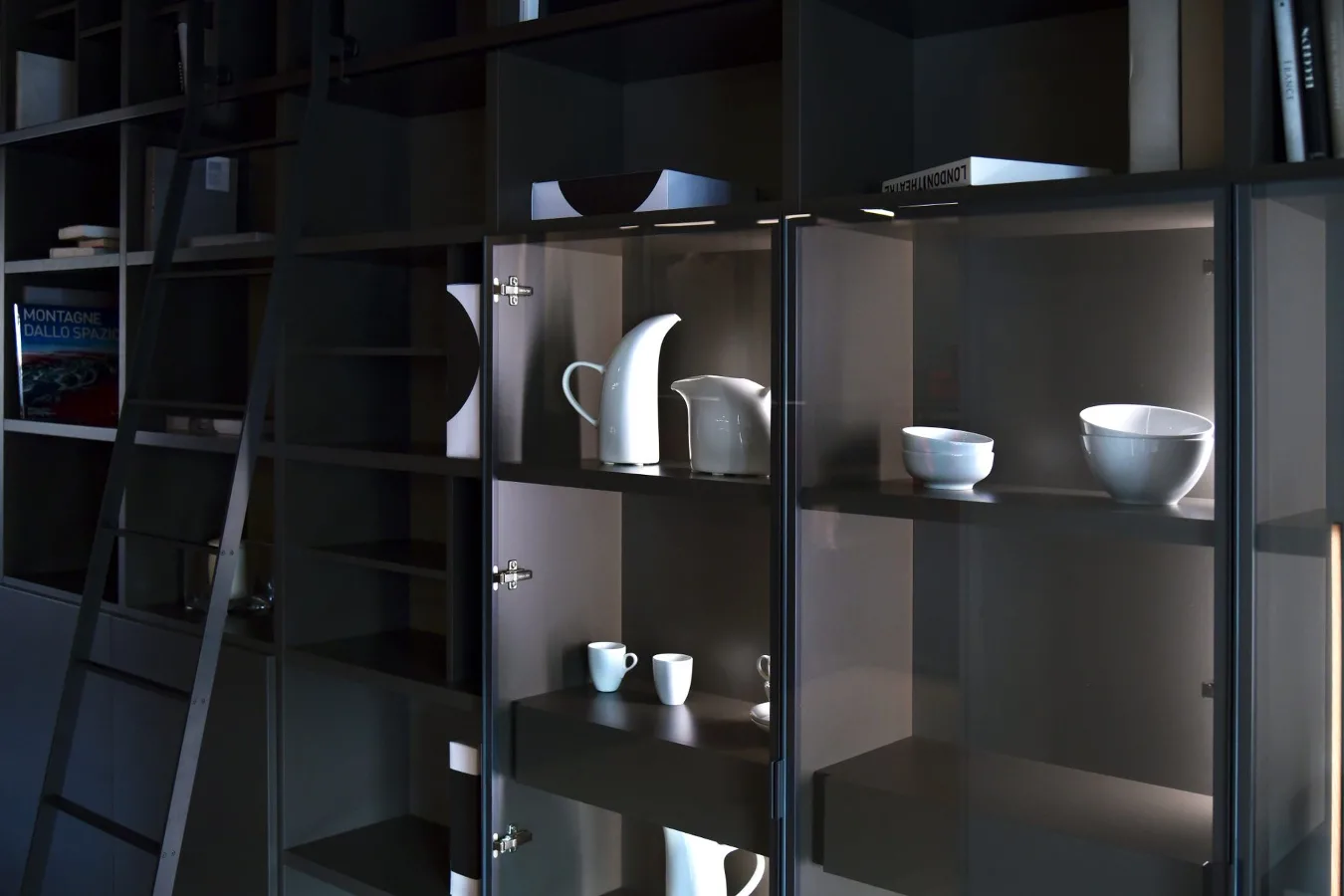
Glass shelving units are best understood as a storage-and-display solution: they keep everyday items accessible while making a room feel lighter and less visually crowded. They work especially well when you want function without the bulk of solid wood or opaque metal cabinetry. hay shelving unit offers more detail on this point.
The right unit depends on more than appearance. Safety glass, shelf thickness, frame material, mounting style, and where the unit will live all shape whether it feels polished and practical or fragile and frustrating. For many shoppers, the real question is not whether glass shelving looks good, but whether it suits the items, room conditions, and maintenance level you want to live with.
What glass shelving units are best for
Glass shelving units are a strong fit when you want storage that also acts as a visual feature. They tend to suit lighter loads, decorative objects, toiletries, folded linens, dishware, barware, collectibles, and retail-style display needs. Because the shelves are transparent, they can make small rooms feel less crowded than solid shelves with the same footprint. how to organize a small storage area offers more detail on this point.
They are also useful in rooms where moisture resistance matters more than hiding contents. Bathrooms, powder rooms, and some laundry or entry spaces can benefit from glass because it is easy to wipe down and does not absorb humidity the way some materials can. That said, the frame and hardware matter just as much as the shelves themselves.
Quick answer: how to choose the right one
If you want a glass shelving unit that holds up in real use, focus on four things first: how much weight it needs to carry, where it will sit, how it is supported, and how easy it will be to clean. Tempered glass is generally the safer choice for household shelving, and a sturdier frame in stainless steel or powder-coated metal often performs better than a delicate-looking frame that only works for display.
For practical use, the best unit is usually the one that matches the room, not the one that looks the most dramatic in a product photo. A sleek floating design may be ideal for a bathroom or hallway, while a heavier freestanding piece may make more sense for books, baskets, or mixed storage in a living room.
Comparison: the main types of glass shelving units
Not all glass shelving units behave the same way. The style you choose changes how much weight it can reasonably handle, how easy it is to install, and how it fits into the room.
| Type | Best for | Strengths | Trade-offs |
|---|---|---|---|
| Wall-mounted glass shelves | Bathrooms, kitchens, display areas | Space-saving, clean look, keeps floors clear | Requires secure installation and suitable wall support |
| Freestanding glass shelving units | Living rooms, offices, retail-like displays | More flexible placement, often easier to move | Can feel less stable if overloaded or poorly built |
| Corner glass shelving units | Small rooms and awkward corners | Uses overlooked space efficiently | Limited shelf width and fewer placement options |
| Floating glass shelves | Minimalist storage and decor | Visually light, unobtrusive | Typically better for lighter items only |
A common misconception is that glass shelving is automatically fragile. In reality, the unit’s performance depends on the full structure: the glass itself, the edge finishing, the mounting system, and the frame or brackets. A well-designed unit can be perfectly appropriate for everyday household use, provided it is used within its intended limits.
Key buying factors that matter most
Safety and glass type
For shelving, safety matters more than style alone. Tempered glass is typically preferred because it is designed for improved strength compared with standard annealed glass. Even then, good design still matters: properly finished edges, secure fittings, and appropriate spacing all help reduce risk.
Look closely at how the shelves are held in place. Brackets, channels, and frame supports should feel substantial relative to the size of the unit. A beautiful shelf with weak hardware is usually a poor trade.
Weight capacity and intended use
One of the easiest mistakes is choosing a glass shelving unit based on appearance and then loading it with items that belong on a sturdier surface. Glass shelving is often best for toiletries, folded textiles, decorative pieces, glassware, framed photos, and lighter storage bins. Heavy books, power tools, large appliances, and dense boxed items usually belong elsewhere unless the unit is specifically designed for that purpose.
Think in categories rather than objects. A row of perfume bottles or bathroom essentials is different from a stack of art books. The same shelf can be visually similar but functionally very different depending on what it carries.
Room conditions
Humidity, heat, and traffic all influence the right choice. In a bathroom, moisture resistance and simple cleaning may be the priority. In a hallway or living room, impact resistance and placement may matter more. If the unit will sit near a door, tight walkway, or child-accessible area, rounded edges and secure anchoring become more important than a barely noticeable frame.
Glass shelving also reflects light, which can be a plus in dim rooms but less flattering in spaces where glare is already a problem. That is an overlooked consideration: a shelf that looks airy in a bright showroom can behave differently in a room with strong direct lighting or mirrored surfaces.
Frame material and finish
Although the shelves are glass, the frame often determines the overall durability and visual tone. Chrome can create a more polished look, black metal leans contemporary, and brushed finishes can feel softer and more forgiving. Stainless steel and coated metals are often appealing in moisture-prone rooms because they balance style with practicality.
Wood-framed glass shelving units can look warmer, but they usually require more careful placement if humidity is an issue. The right frame depends on both the room and the amount of visual contrast you want.
Installation and mobility
Wall-mounted and floating options can free up floor space, but installation quality is non-negotiable. If the shelf is going onto drywall, tile, or another demanding surface, the mounting method needs to be appropriate for that wall type. A shelf that is technically installable may still be a poor match if the wall is not suited to the load or the hardware supplied.
Freestanding units offer more flexibility, especially for renters or anyone who likes to rearrange rooms. The trade-off is that they occupy floor space and may need thoughtful placement to avoid crowding a room visually.
Where glass shelving units work especially well
Glass shelving is not a universal answer, but it shines in a few common situations.
- Bathrooms: Good for toiletries, towels, and a cleaner visual profile.
- Powder rooms: Helps a small space feel less cramped.
- Living rooms: Useful for display pieces, plants, and small decor.
- Bedrooms: Works for perfume, accessories, or light bedside storage.
- Entryways: Helpful for keys, mail, and decorative catch-all items.
- Home offices: Can keep supplies visible without making the room feel heavy.
In each of these rooms, the appeal is the same: storage that does not visually dominate the space. That makes glass shelving especially effective in apartments, condos, and smaller homes where every inch has to work harder.
Where they are a weaker choice
Glass shelving units are less ideal when the main goal is concealment, rough use, or heavy-duty storage. If you need to hide clutter, store oversized items, or pile on dense weight, solid shelving or closed cabinets are usually a better fit.
They can also be a less forgiving option in busy family areas where items are constantly being moved. Smudges, fingerprints, and dust are part of the ownership experience. Some shoppers like the clean look enough that upkeep feels worth it; others quickly decide they would rather have a more forgiving surface.
Mistakes to avoid before you buy
- Choosing by style only: Attractive glass does not compensate for weak mounting or a poor layout.
- Ignoring load needs: A shelf meant for decor should not be treated like a utility rack.
- Overlooking wall type: Installation matters just as much as the shelf itself.
- Forgetting maintenance: Clear glass shows dust, water marks, and fingerprints more readily than opaque materials.
- Using the wrong room: A unit that works in a bathroom may not be the best match for a high-traffic family space.
- Buying too large a unit: Oversized glass can make a room feel busy instead of airy.
A practical nuance many buyers miss is shelf spacing. Even if the shelves are strong enough, poor vertical spacing can make a unit annoying to use. Tall toiletries, pitchers, storage boxes, or decor with height need room to breathe. Tight spacing can turn a visually appealing piece into a cramped one.
How to compare options without overcomplicating it
If you are narrowing down choices, compare them in this order:
- Placement: Will it be wall-mounted, freestanding, or corner-based?
- Load: What will the shelves actually hold on a typical day?
- Material pairing: Does the frame suit moisture, traffic, and cleaning needs?
- Style: Do you want the unit to disappear visually or stand out as decor?
- Maintenance: How much wiping, polishing, or upkeep are you willing to handle?
This sequence helps prevent a common buying trap: starting with finish or shape and only later realizing the unit does not match the room’s practical demands. For glass shelving, function should lead and style should refine the choice. MCM Shelving Unit: Style and Buy Guide offers more detail on this point.
Alternatives worth considering
If glass is not the right fit, there are several close alternatives that preserve some of the same benefits.
- Acrylic shelving: Similar light visual effect, often lighter in weight, but it can scratch more easily.
- Open metal shelving: Durable and minimalist, though visually less delicate than glass.
- Wood shelving: Warmer and more traditional, with more visual presence.
- Mirrored shelving: Can enhance brightness but may feel more decorative than practical.
- Glass-front cabinets: Offer display appeal with better dust protection and some concealment.
These alternatives are especially useful if you like the airy look of glass but need more durability, less maintenance, or more storage discretion.
Care and maintenance basics
Glass shelving units are generally straightforward to maintain, but they are not maintenance-free. Regular dusting keeps the shelves looking clear, and gentle cleaning helps avoid streaking. In bathrooms, wiping away water marks sooner rather than later usually makes upkeep easier.
Also pay attention to hardware. Tight connections and secure supports matter over time, especially on wall-mounted units. If a shelf begins to shift, rattle, or show wear, it should be checked promptly rather than used as-is.
One advantage of glass is that it can look polished with relatively simple care. The trade-off is that small flaws are easier to notice. Chips, smudges, and dust do not hide well, which is part of the aesthetic appeal and part of the maintenance burden.
Who should choose glass shelving units
Glass shelving units are a strong choice for shoppers who want open, modern-looking storage and are comfortable keeping the shelves tidy. They suit people furnishing bathrooms, apartments, entryways, and display-oriented spaces where visual lightness matters as much as storage function.
They are less convincing for anyone who needs heavy-duty organization, maximum concealment, or low-maintenance surfaces. In those cases, a different shelving material will usually serve better. The best glass shelving unit is not simply the prettiest one; it is the one that fits the room, the wall, and the items you actually plan to store.
If you use that standard, the category becomes much easier to shop. Instead of asking whether glass shelving is stylish, ask whether it is the right kind of storage for the specific job you need done. That is where the smartest purchase usually starts.