
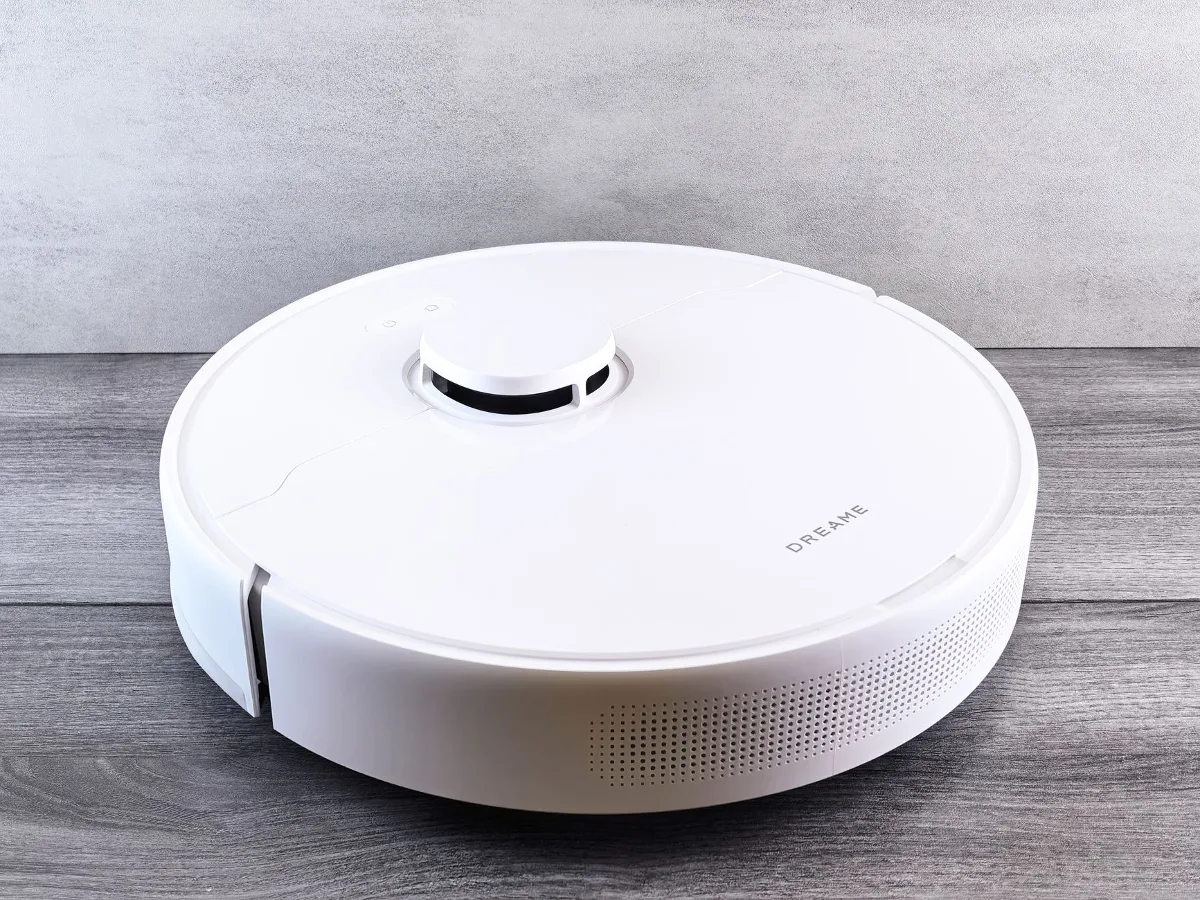
Who an industrial robot vacuum is actually for
An industrial robot vacuum makes sense when a facility needs regular floor cleaning across large, open, or repetitive spaces and wants to reduce manual labor spent on routine pickup. The best-fit settings are usually warehouses, distribution centers, production support areas, retail back rooms, airports, schools, healthcare support corridors, and other commercial spaces where dust, light debris, and ongoing foot traffic create a constant cleaning burden. cordless pool vacuum robot offers more detail on this point.
It is not a universal replacement for all commercial cleaning equipment. An industrial robot vacuum is most useful as part of a cleaning system, not as the only tool. Facilities with mixed flooring, changing obstacles, spill-heavy zones, or very fine regulatory cleaning requirements often need a broader plan that includes manual vacuuming, scrubbers, or targeted spot cleaning. commercial cleaning equipment basics offers more detail on this point.
The practical question is not whether the machine is “smart,” but whether it fits the room, the debris, and the staff workflow. That is where many buying decisions go wrong. A unit that looks strong on paper can still struggle if the site has tight aisles, frequent pallet movement, cords on the floor, or surfaces that require more than dry pickup.
For commercial buyers, the value usually comes from consistency. A robot vacuum can handle repetitive cleaning rounds, help maintain appearance between deeper cleanings, and reduce the time staff spend on low-skill, high-frequency tasks.
Start with the cleaning scenario, not the brand
The easiest mistake is beginning with product features before defining the use case. A warehouse with long open aisles has very different needs from a manufacturing support area with narrow lanes and occasional debris clusters. An industrial robot vacuum should be matched to the environment first.
Common buyer scenarios
- Large open floors: Good candidates for autonomous navigation and scheduled cleaning routes.
- Mixed-use commercial areas: Need flexible obstacle handling and conservative route planning.
- Dust-prone support spaces: Benefit from frequent short cleaning cycles instead of occasional deep cleans.
- High-traffic public areas: Require strong safety behavior, predictable movement, and quiet operation if people are present.
- Warehouse corridors and back-of-house areas: Often favor durable construction and easy maintenance over consumer-style convenience features.
Buyer scenario matters because the same floor machine can be either efficient or frustrating depending on workflow. For example, a unit that performs well in a clear, predictable aisle may be a poor fit if the layout changes daily or if carts and staging equipment constantly block paths.
The trade-offs behind industrial robot vacuuming
Commercial buyers often expect automation to reduce labor without adding complexity. That can be true, but only if the site accepts the trade-offs.
Less manual labor, more planning. A robot vacuum can reduce routine passes, but someone still has to define cleaning zones, monitor performance, empty the bin, inspect brushes, and resolve blocked routes. The labor profile changes rather than disappears.
Consistency, not perfection. Robot vacuums are generally better at scheduled maintenance cleaning than at removing stubborn debris, heavy buildup, or unpredictable messes. That is a strength when the goal is to keep floors presentable and reduce accumulation. It is a limitation when the floor demands occasional manual intervention.
Automation versus flexibility. More autonomous systems can cover space with less oversight, but they may require better site preparation, mapping, and routine upkeep. Simpler machines may be easier to deploy but offer less intelligence in complex layouts.
Upfront integration effort. Commercial cleaning equipment works best when the site is ready for it. That can mean adjusting storage habits, marking no-go zones, improving cable management, or scheduling cleaning during low-traffic windows.
A common misconception is that a robot vacuum is only a convenience purchase. In a commercial setting, it is often a workflow decision. The real question is whether it improves cleaning consistency while fitting into existing operations without creating new bottlenecks.
Specification factors that matter most
Industrial robot vacuums should be evaluated by the features that directly affect commercial reliability, not by cosmetic extras. The most relevant factors usually include navigation, debris handling, runtime, maintenance design, and compatibility with the site. robot vacuum navigation features offers more detail on this point.
Navigation and route control
Navigation determines how well the machine moves through real facility conditions. Some units are built for open-area coverage, while others handle more complex layouts with mapping, virtual boundaries, and obstacle detection. For commercial use, the question is whether the robot can clean predictably around aisles, furniture, shelving edges, and temporary obstructions.
Sites with changing layouts should pay close attention to how easy it is to update routes. If reprogramming is cumbersome, the machine can become underused even if it has strong cleaning capability.
Debris type and pickup behavior
Not all debris is the same. Fine dust, paper scraps, packaging fragments, and light grit are common commercial floor challenges, but each places different demands on airflow, brush design, and bin management. A robot vacuum that handles dust well may still struggle with larger or irregular debris.
Buyers should ask whether the machine is better suited to hard floors, low-pile carpet, or mixed surfaces. The wrong match can reduce pickup efficiency and increase maintenance time.
Runtime and recharge workflow
Longer runtime is helpful, but only if it aligns with the cleaning schedule. A machine with modest runtime can still be valuable in a facility that runs short, frequent cleaning cycles. A larger operation may need a unit that can cover more floor area before returning to charge.
The more important practical issue is how the charging and resumption process fits the facility’s daily rhythm. If the robot spends too much time idle, or if cleaning windows are short, the system may not deliver the expected benefit.
Bin access and emptying
In commercial settings, a machine that is easy to empty tends to stay in service more consistently. If the dustbin is awkward to access or filter cleaning is overly involved, the robot may generate more maintenance friction than value. This is one of the most overlooked considerations for first-time buyers.
Serviceability and parts access
Brushes, filters, wheels, sensors, and batteries are normal wear items in a commercial environment. Look for a design that makes routine service straightforward. Even a capable robot can become costly to own if basic upkeep is slow or parts are difficult to source.
Materials and build quality: what to look for
The word “industrial” suggests durability, but not every product marketed for commercial use is equally robust. Build quality matters because these machines are expected to handle repetitive work in less controlled environments than home appliances.
Housing and structural durability
For facilities with carts, shelving, or frequent human traffic, the outer shell should tolerate light bumps and daily handling. The goal is not indestructibility; it is reliable operation after routine contact with the realities of a working floor.
Brush and filter design
Brush materials and filter access have a direct impact on maintenance and performance. Some debris types wrap around brushes or clog filters quickly. If the facility produces fibrous material, packaging dust, or mixed debris, the cleaning head design becomes especially important.
Wheels, traction, and floor transition behavior
Check whether the robot can move across the facility’s actual surfaces, including thresholds, seams, transitions, and slight floor irregularities. A machine can look suitable on a spec sheet and still slow down or stall on real floor transitions. In commercial cleaning, mobility is not a minor detail.
Noise and operational presence
Noise matters in shared environments, especially in offices, retail back areas, schools, or healthcare-adjacent spaces. Even in industrial settings, a quieter machine may be easier to schedule during active hours. However, quieter operation should not come at the expense of cleaning effectiveness.
Where an industrial robot vacuum fits well
The best use cases are usually maintenance-focused. That means frequent pickup of light to moderate dry debris in spaces that benefit from predictable, repeated cleaning.
- Warehouses: Useful for routine floor maintenance in open areas and aisles that stay relatively clear.
- Distribution centers: Helpful for keeping dust and packaging debris from accumulating between manual cleanings.
- Retail support areas: Can maintain appearance in stockrooms, service corridors, and back-of-house zones.
- Education facilities: Good for long corridors, large multipurpose rooms, and other repeatable cleaning paths.
- Commercial offices: Can reduce labor in large open-plan spaces with hard floors or low-pile carpet.
It is less suitable when the floor environment changes too often, when spills are common, or when cleaning needs involve more than vacuuming. Wet messes, sticky residues, and heavy embedded soil usually call for different equipment.
Limitations that buyers should not overlook
An industrial robot vacuum is not the answer to every floor-care problem. The limitations are manageable, but they need to be understood before purchase.
It does not replace route discipline. If cords, loose straps, shrink wrap, or temporary obstacles are common, the robot may spend too much time avoiding, stopping, or rerouting.
It may not suit all debris types. Larger debris, heavy dust loads, and mixed waste streams can exceed what a vacuum-only machine is meant to handle.
It requires upkeep. Even autonomous systems need cleaning, inspection, and occasional troubleshooting. Neglect reduces the reliability advantage.
It works best in repeatable spaces. Highly dynamic environments are harder to automate efficiently. If the floor layout changes constantly, the machine may spend more time adapting than cleaning.
It should be part of a cleaning plan. Facilities often get the best results by pairing a robot vacuum with targeted manual cleanup, periodic deep cleaning, and clear floor-management rules.
Alternatives worth comparing
Before committing to an industrial robot vacuum, compare it with other commercial floor-cleaning options. The best choice depends on what problem you are trying to solve.
- Upright commercial vacuums: Better for direct control, spot cleanup, and unpredictable areas.
- Ride-on or walk-behind floor scrubbers: Better for wet cleaning, soil removal, and larger hard-floor restoration tasks.
- Backpack vacuums: Useful where mobility and maneuvering matter more than automation.
- Auto-scrubbers with vacuum recovery: Better for spaces needing both washing and drying of hard floors.
- Traditional janitorial workflows: Still practical in sites where floor conditions change too often for reliable automation.
The important distinction is dry maintenance versus restorative cleaning. Industrial robot vacuums are strongest on the maintenance side.
A practical buying checklist
If you are narrowing options, use the following questions to judge fit rather than relying on brand language alone:
- What floor surfaces will the machine clean most often?
- What kind of debris is most common?
- How open is the layout, and how often does it change?
- How much staff time is available for monitoring and upkeep?
- Can the machine fit the site’s cleaning windows and charging schedule?
- Are filters, brushes, batteries, and consumables easy to service?
- Does the robot need to operate around people, carts, or moving equipment?
- Will it replace a manual task or simply add convenience?
That last question is especially useful. A machine that merely duplicates existing labor is harder to justify than one that clearly reduces repetitive work or improves consistency.
Common mistakes in commercial purchasing
Many first-time buyers overestimate autonomy and underestimate operating discipline. A few mistakes come up repeatedly.
Buying for the brochure, not the floor plan. Features matter less than layout fit.
Ignoring maintenance access. If cleaning the machine is cumbersome, staff will avoid it.
Underestimating obstacles. Temporary clutter, cords, and staging materials can dramatically affect performance.
Choosing the wrong cleaning type. A vacuum-only solution will not solve wet soil or sticky residue problems.
Skipping workflow planning. Without a schedule, route plan, and responsibility assignment, even a capable robot can sit unused.
Next steps before you buy
Before selecting an industrial robot vacuum, define the site’s floor-care priorities in plain language. Decide whether the main goal is dust control, appearance maintenance, labor reduction, or consistent after-hours cleaning. Then match the machine to the environment, not the other way around.
For many facilities, the smartest approach is to pilot the idea conceptually first: identify the zones that are repeatable, the debris that appears most often, and the staff member who would own daily oversight. That reveals whether the machine is a real operational improvement or just another piece of equipment to manage.
If the space is open, repetitive, and mostly dry-cleaning in nature, an industrial robot vacuum can be a practical addition to a commercial cleaning program. If the site is highly variable or needs wet cleaning, consider a different appliance category or a hybrid approach instead.
FAQ
What is the main purpose of an industrial robot vacuum?
Its main purpose is routine dry floor cleaning in commercial or industrial environments. It is best suited to maintenance cleaning rather than heavy restorative work.
Can an industrial robot vacuum replace janitorial staff?
No. It can reduce repetitive vacuuming tasks, but most facilities still need people for inspection, emptying, spot cleaning, and deeper cleaning duties.
What floors are best for industrial robot vacuums?
They are generally best on open hard floors and some low-pile carpet areas, especially where the layout is predictable and debris is relatively light.
What should buyers prioritize first?
Start with floor type, debris type, layout complexity, and maintenance needs. Those factors usually matter more than extra features.
Are industrial robot vacuums good for warehouses?
They can be, especially in open warehouse areas with repeatable routes and manageable debris. They are less effective where floor conditions change constantly or obstacles are frequent.