
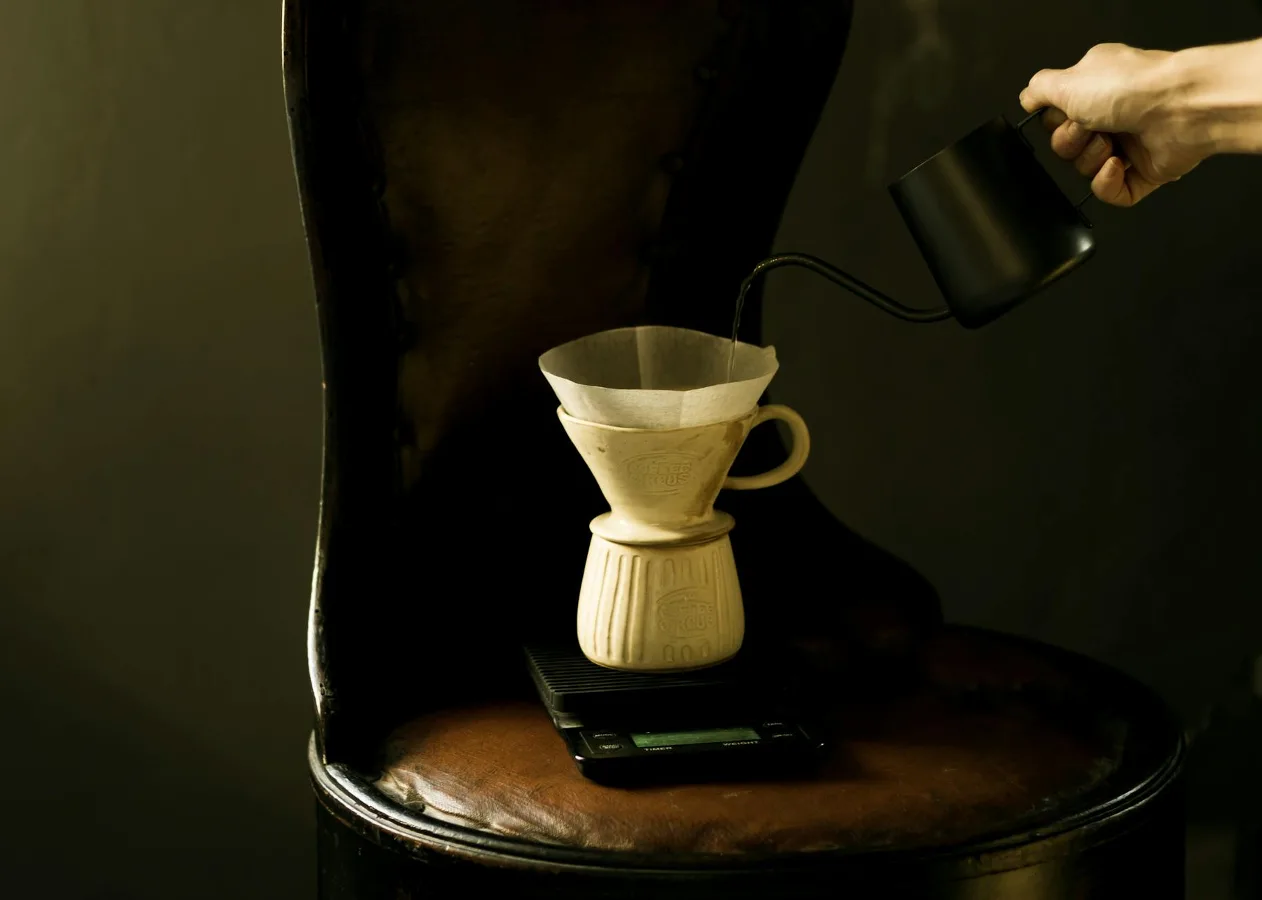
Quick answer: what a manual drip coffee maker is best for
A manual drip coffee maker is best for people who want more say over how coffee tastes without moving to a full espresso setup. You pour hot water over ground coffee by hand, which lets you control the flow, brew time, and saturation. That extra control can produce a cleaner, brighter cup, but it also asks more of the brewer: grind size, pouring technique, filter choice, and water temperature all matter. choosing the right coffee filter offers more detail on this point.
If you want a simple machine that presses a button and does everything for you, an automatic drip coffee maker is usually a better fit. If you want a compact, low-frills way to make one or two cups with more flavor control, a manual drip brewer is often the better buy.
For most shoppers, the right choice comes down to three things: how much control you want, how much cleanup you are willing to handle, and whether you brew for one person or a crowd.
How manual drip coffee makers compare with automatic drip machines
Manual drip coffee makers and automatic drip coffee makers both use gravity to move water through coffee grounds, but the experience is very different. A manual brewer puts the process in your hands. An automatic machine takes over heating, distribution, and timing to varying degrees.
What you gain with manual brewing
- More control over flavor by adjusting pour speed, bloom time, and water distribution.
- Better compactness since many manual brewers are small enough for tight countertops or storage cabinets.
- Lower complexity because the brewer itself is often just a dripper and filter, with no pump or warming plate.
- Flexible cup quality since you can adapt the method to different beans, roasts, and filter styles.
What you give up
- Convenience because you must heat water and pour it yourself.
- Consistency if you do not yet have a steady pour technique.
- Batch size since many manual drippers are designed for one to four cups rather than a full pot.
- Hands-off brewing because the process needs attention from start to finish.
The most common misconception is that manual drip coffee makers are automatically “better” than automatic ones. They are not better for every household. They are better for people who value craft, flexibility, and a smaller footprint more than one-touch convenience.
What to compare before you buy
Not every manual drip coffee maker is built for the same routine. Some are simple cones meant to sit on a mug. Others use a stand or carafe for more stable brewing. A few are optimized for portability. The best choice depends less on brand language and more on how the brewer fits your daily habits. manual coffee brewing basics offers more detail on this point. built in coffee maker offers more detail on this point.
Material and heat retention
Common materials include plastic, ceramic, glass, and stainless steel. Each has trade-offs.
- Plastic is usually lightweight and travel-friendly. It can be practical, but many shoppers prefer higher-quality, BPA-free options and dislike the look or feel of plastic on the counter.
- Ceramic tends to feel more substantial and can hold heat well, but it is heavier and breakable.
- Glass offers a clean look and lets you watch the brew, though it can be fragile and often needs careful handling.
- Stainless steel is durable and portable, but it can behave differently with heat and may be less forgiving if the design is poor.
Material matters because it affects more than appearance. It influences durability, portability, heat behavior, and cleanup. If you plan to brew at home every day, a sturdier material may matter more than if the brewer only leaves a cabinet for weekend use.
Filter type and availability
Filter compatibility is one of the most overlooked buying factors. Some manual drip coffee makers use cone-shaped paper filters, others pair with reusable metal filters, and some can work with both.
- Paper filters usually make cleanup easier and can produce a cleaner cup with less sediment.
- Reusable filters reduce ongoing filter purchases and may let more oils through, creating a fuller-bodied cup.
The best filter system is the one you will actually keep stocked and use correctly. A brewer that depends on a hard-to-find or oddly shaped filter can become inconvenient very quickly.
Brew size and daily routine
Manual drip coffee makers are often sold in sizes described by cups, but those cups may not match a standard mug. That is why it helps to think in practical terms: one mug, two mugs, or enough for sharing.
If you usually brew a single cup, a compact dripper is easy to store and quick to clean. If two people drink coffee around the same time each morning, a brewer with a larger bed and more stable base can be easier to manage. If you regularly serve several people, manual drip can still work, but the ritual becomes more involved and may be less efficient than a larger automatic brewer or a carafe-based method.
Shape and flow control
Cone-shaped drippers, flat-bottom designs, and spiral or ribbed interiors can all influence water flow. The shape affects how quickly water drains, how evenly grounds are saturated, and how forgiving the brewer is when your pour is not perfect.
A more forgiving design may be better for beginners. A design that offers tighter control may appeal to experienced home brewers who want to fine-tune extraction. Neither is universally superior; they just support different habits.
Compatibility with kettles and grinders
A manual drip coffee maker is only one part of the setup. It works best when paired with a kettle that gives you steady pouring control and a grinder that can produce a consistent grind.
If your grinder produces uneven particles, even a good dripper can taste unbalanced. If your kettle pours too aggressively, you may flood the bed and lose the benefits of manual brewing. For buyers comparing appliances, this is an important reality: the brewer matters, but the supporting tools matter too.
Who a manual drip coffee maker suits best
This type of brewer is especially appealing to a few common users.
- Beginners who want a simple entry point into better coffee without investing in a complicated appliance.
- Apartment dwellers or small-kitchen households who need a compact coffee solution.
- Travelers and office users who want a lightweight brewer that is easy to pack or store.
- Flavor-focused coffee drinkers who like experimenting with grind size, brew time, and bean origin.
It is less ideal for people who want a completely hands-off routine, need a full pot every morning, or dislike measuring and timing anything before their first cup.
A practical decision-making insight: many shoppers think they are choosing between “basic” and “premium,” but the real difference is often between control and convenience. Manual drip lives on the control side of that line.
Mistakes to avoid when buying one
Most disappointing manual drip purchases happen because the buyer focused on appearance or price and ignored how the brewer will be used. These are the mistakes that matter most.
Choosing the wrong filter ecosystem
If the brewer needs a specific filter shape or size, confirm that the filters are easy to find in the United States. A good brewer is not very useful if every refill order becomes a chore.
Assuming all drippers make the same coffee
Some designs encourage a faster drawdown, others slow the brew, and that changes extraction. Two drippers that look similar can produce very different results. If you prefer a bright, clean cup, that may be a feature. If you want more body, it may not be.
Ignoring the pour process
Manual drip coffee is not just about the brewer. A narrow-neck kettle, a scale, and a good grinder can affect the result as much as the dripper itself. Buying the dripper alone and expecting automatic-machine convenience is a common disappointment.
Overlooking cleanup
Some brewers are easy to rinse, while others have narrow ridges, stands, or multiple pieces that trap moisture and grounds. If you dislike kitchen cleanup, choose a design with fewer parts and straightforward access.
Buying for looks instead of routine
A ceramic dripper might look elegant on the counter, but if you brew while rushing out the door, a lighter and simpler option may serve you better. The right coffee appliance should match your habits, not your wishlist.
Practical alternatives to consider
If a manual drip coffee maker sounds appealing but not quite right, a few related brewing options may suit your routine better.
- Automatic drip coffee makers are better for larger households and low-effort brewing.
- Single-serve pod machines are convenient, though they usually offer less control over flavor and generate more packaging waste.
- French presses produce a fuller-bodied cup and suit people who prefer immersion brewing over pour-over style filtration.
- AeroPress-style brewers can be more portable and versatile for some users, especially if you want a compact travel option.
- Cold brew systems fit users who plan ahead and want a less acidic style of coffee for hot weather or batch prep.
These are not direct substitutes in every sense, but they are worth considering if your main goal is better coffee rather than manual drip specifically.
How to judge value, not just price
With manual drip coffee makers, price alone can be misleading. A very inexpensive brewer may do the job well if the shape is stable and the materials are decent. A more expensive one may offer better durability, better fit and finish, or a more thoughtful design, but those advantages only matter if you will use them.
Look at value through a few questions:
- Will this brewer fit the mugs, servers, or carafes you already use?
- Is the filter type easy to replace?
- Will cleanup be simple enough to keep using it daily?
- Does the size match your typical serving amount?
- Is the material durable enough for your kitchen or travel routine?
For many buyers, the best value is not the most feature-rich brewer. It is the one that makes good coffee consistently with the least friction.
What to expect once you start using one
The first few brews are often the learning phase. That is normal. Manual drip coffee makers reward consistency, so small changes can have a noticeable effect. If coffee tastes weak, the grind may be too coarse, the pour too fast, or the coffee dose too light. If it tastes harsh or overly bitter, the grind may be too fine, the brew too slow, or the water too hot for the bean.
That sensitivity is part of the appeal. It also explains why manual drip is popular with coffee drinkers who like to adjust rather than accept a preset program. The brewer gives you a framework; the cup depends on your choices.
If you want a coffee appliance that helps you slow down and fine-tune flavor, a manual drip coffee maker can be an excellent fit. If you want speed above all else, look elsewhere. Matching the appliance to the routine is what makes the purchase feel worthwhile long after the box is opened.