
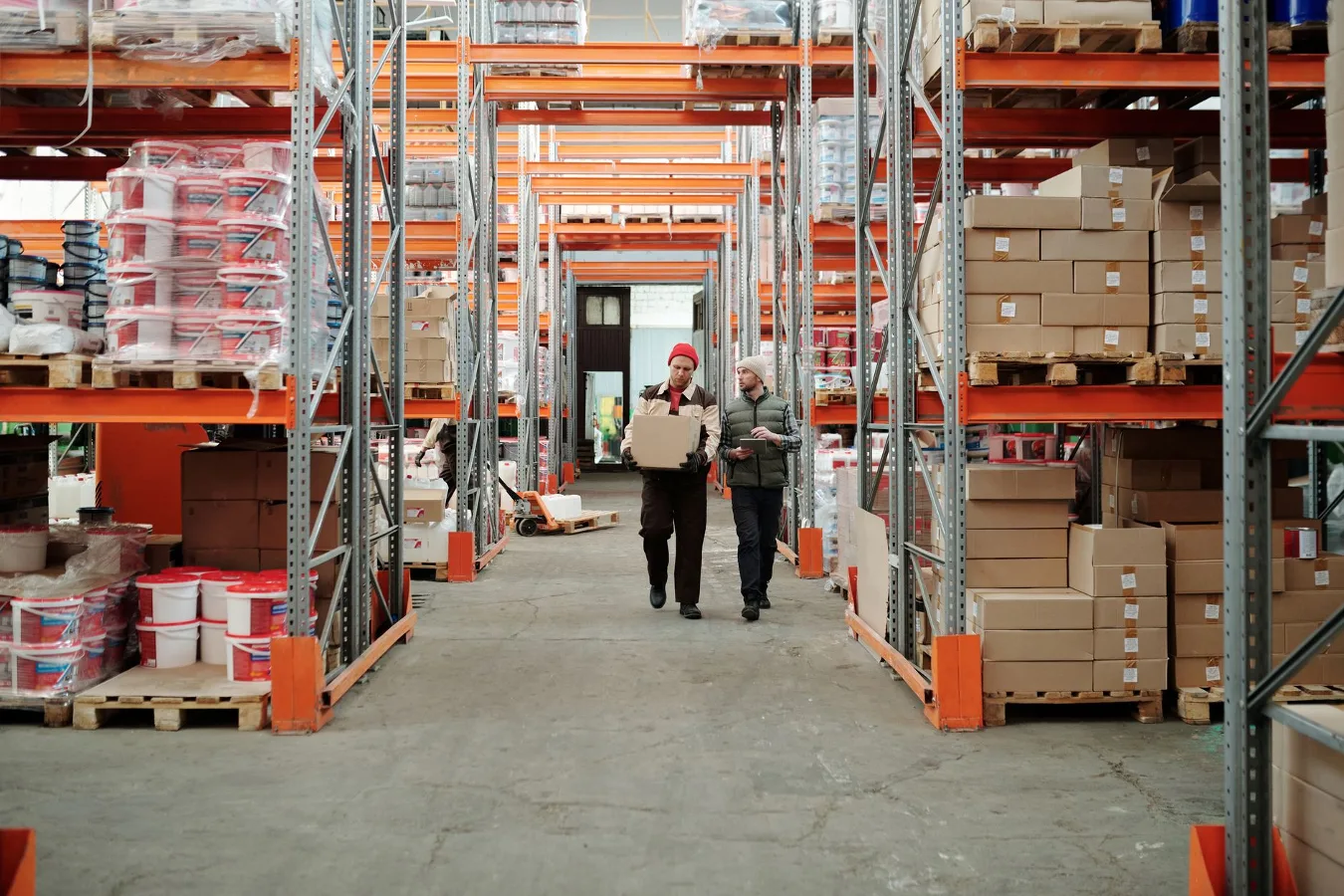
Mobile shelving units solve a space problem first
Mobile shelving units are built for one main purpose: to store more in less floor space. Instead of leaving a fixed aisle between every shelving row, the units move on tracks or a rolling base so one access aisle opens where you need it. That makes them a strong fit for offices, archives, healthcare records areas, retail back rooms, stockrooms, and other commercial spaces where storage density matters. space-saving storage options offers more detail on this point. Hay Shelving Units: A Practical Buying Guide offers more detail on this point.
If you are evaluating mobile shelving units, the real question is not just whether they save space. It is whether they fit your access patterns, floor conditions, load requirements, and day-to-day workflow. The best system is the one that improves storage without creating bottlenecks.
That is why buyers often compare mobile shelving with traditional static shelving, filing cabinets, and other compact storage systems. Each option solves a different problem. Mobile shelving is usually the better choice when space is tight and items do not need constant open access from every side.
The key factors that decide whether mobile shelving works
How often people need access
Mobile shelving units work best when users can tolerate opening an aisle before retrieving items. If staff need constant, simultaneous access to many shelves, fixed shelving may be faster. But if most use is organized retrieval, periodic filing, or controlled inventory pulls, the higher density of mobile units can be worth the trade-off.
A common misconception is that mobile shelving slows everything down. In practice, the real issue is whether the workflow matches the system. A records room with occasional retrievals has very different needs from a fast-moving stock area.
What you are storing
The contents matter as much as the footprint. Paper files, binders, small cartons, archival boxes, medical supplies, and light inventory all lend themselves well to mobile shelving. Heavier items require closer attention to shelf strength, carriage capacity, and floor loading. Bulky or irregular items may be better served by wider static shelving or specialty storage equipment.
Consider whether the stored items are standardized or mixed. Uniform boxes and files are easier to organize and retrieve on mobile systems. Mixed shapes can still work, but the layout needs more planning so items remain visible and accessible.
Floor conditions and installation limits
Mobile shelving units are more dependent on the building than many buyers expect. Floor levelness, structural capacity, door clearances, and available run lengths can affect what can be installed. Track-mounted systems and mechanically assisted units can require more precise planning than a basic shelving purchase.
This is one of the most overlooked considerations in the buying process. A system that looks perfect on paper can become a poor fit if the room cannot support the tracks, movement path, or total weight once fully loaded.
Safety and user comfort
Because mobile shelving reduces fixed aisle space, safety features matter. Users should be able to move units smoothly and predictably, with clear controls and proper spacing rules. In busy settings, it is worth considering whether the system includes anti-tip stability, lockout options, obstruction awareness, or controlled movement mechanisms.
Comfort also matters in long-term use. If a system feels hard to move or awkward to open, people will work around it, and that can reduce the value of the installation. Ease of use is not a luxury feature; it affects adoption.
Types of mobile shelving units and where each fits
Manual mobile shelving
Manual systems are typically moved by hand, which keeps them straightforward and often suitable for lighter-duty applications. They can be a practical option for offices, archives, and smaller storage rooms where usage is predictable and the load is manageable.
The main advantage is simplicity. The main limitation is effort. As the shelves get heavier or the system gets larger, movement can become less convenient, especially for frequent users.
Mechanical-assist shelving
Mechanical-assist systems reduce the force needed to move shelving. They are often considered when the load is heavier, the bay count is larger, or the room sees more frequent access. This type can offer a better balance between storage density and daily usability.
They are not automatically the right upgrade for every site. If the space is small and the load is light, the added complexity may not be necessary. But for commercial environments where staff will use the system often, the smoother operation can be a meaningful advantage.
Powered mobile shelving
Powered systems are designed for convenience and control in higher-use environments. They are often chosen where safety, accessibility, or large-scale movement are key concerns. They can be especially helpful when users would otherwise struggle with heavy manual operation.
That said, powered systems come with more components to maintain and may require more planning around electrical access, controls, and serviceability. Buyers should weigh those factors against the productivity benefit.
Track-mounted versus free-standing approaches
Many commercial buyers compare track-mounted systems with other compact storage arrangements. Track-mounted units are common because they guide movement and help organize high-density layouts. Free-standing mobile systems may suit lighter-duty or more flexible use cases, but they usually do not deliver the same storage density.
The right choice depends on how tightly you need to maximize space and how permanent the installation can be. Temporary or changing layouts may favor more flexible storage. Long-term, space-critical rooms usually benefit from a more structured system.
Practical ways to evaluate a mobile shelving layout
Before choosing mobile shelving units, start with the room itself. Measure usable dimensions, note obstructions, identify doors and clearance zones, and think through how people will move around the space during normal operations. The layout should support the actual workflow, not just the ideal one. choosing shelving for heavy loads offers more detail on this point.
Then map the stored items by category. If the room holds files, inventory, and supplies together, the layout should support separation by use frequency. Items used daily should not be buried behind rarely accessed materials unless the system has a clear organization method.
A practical layout also considers growth. Storage often expands gradually, and a system sized only for current needs can become cramped quickly. Some buyers reserve capacity for future demand rather than filling the room immediately. That creates breathing room for later additions without forcing a redesign.
Finally, pay attention to labeling and retrieval habits. Dense storage is only efficient if people can find what they need quickly. Clear shelf labeling, zone logic, and consistent placement rules matter just as much as the hardware.
Where mobile shelving units make the most sense
- Records and archives: Useful for files, boxed records, and long-term document storage where access is organized rather than constant.
- Office support areas: Helpful for supplies, archived binders, and shared materials that need to stay orderly.
- Healthcare environments: Often used for supplies or records where controlled storage and space efficiency are priorities.
- Retail and stockrooms: Can improve back-of-house organization when items are grouped and restocked systematically.
- Libraries and institutional storage: Suitable for collections or materials that benefit from compact, labeled organization.
In each case, the common thread is controlled access. If the environment depends on quick open-floor access to every shelf at once, mobile shelving may not be the best fit.
Benefits worth expecting, and limits to keep in mind
The biggest benefit of mobile shelving units is storage density. By reducing or eliminating multiple fixed aisles, they let you reclaim space for shelving instead of circulation. That can postpone expansion, improve organization, and make a room feel more intentional.
Another benefit is better zone control. Because the system encourages structured access, it can support clearer filing or inventory logic. For some teams, that leads to fewer misplaced items and more consistent storage habits.
But the trade-offs are real. Mobile systems can be more expensive to plan and install than simple shelving. They may also require more floor preparation, more training, and more discipline from users. If staff are not likely to follow the access process, the space savings may not translate into better daily operations.
There is also a practical limitation around flexibility. Once a mobile system is installed, major layout changes are less convenient than with basic freestanding shelving. That makes upfront planning especially important.
Common mistakes buyers make
- Focusing only on footprint: A compact layout is not useful if it slows retrieval or creates frustration.
- Ignoring the floor and room constraints: Structural and clearance issues can limit what can actually be installed.
- Overloading the system with mixed-use items: Mobile shelving works best when storage categories are organized clearly.
- Choosing the wrong movement method: Manual systems may be too hard for heavier loads, while powered systems may be unnecessary for light-duty use.
- Skipping future growth planning: A room that fits today may not be efficient after the next storage expansion.
These mistakes usually come from treating mobile shelving as a product purchase instead of a space-planning decision. The hardware matters, but the workflow matters just as much.
How to decide between mobile shelving and alternatives
If your main goal is lower cost and simpler setup, static shelving may be the better choice. It is easier to understand, easier to rearrange, and often better for spaces where every shelf needs immediate access.
If you need better organization without changing the room much, high-density filing cabinets or compact cabinets may be a middle ground. They can improve storage efficiency, though usually not as much as a true mobile shelving system.
If your storage needs are heavy-duty, mixed, or constantly changing, a standard warehouse shelving layout may be more practical. In those settings, flexibility and access can matter more than density.
The clearest signal that mobile shelving units are a good fit is this: the room is valuable, the stored items are organized, and the users can work within a controlled access system.
Decision guidance for commercial buyers
Choose mobile shelving units when you need to make a room work harder without enlarging it, and when the stored materials do not require open access from every aisle at the same time. They are especially strong in controlled environments where organization, density, and predictable retrieval matter.
Choose a simpler alternative when access speed, layout flexibility, or low upfront complexity is more important than maximum storage density. In many commercial spaces, the best answer is not the most space-efficient system on paper, but the one your team will use consistently and safely.
A good final check is to ask three questions: Will the room support the installation? Will the users accept the access workflow? Will the storage system still make sense if inventory or records grow? If the answer is yes to all three, mobile shelving is worth serious consideration.
FAQs
What are mobile shelving units used for?
They are used to store items in a compact footprint by moving shelving rows to create a single access aisle. Common uses include records storage, office supplies, archives, healthcare materials, and stockroom organization.
Are mobile shelving units better than regular shelving?
They are better when space efficiency matters more than always-open access. Regular shelving is often simpler and faster for active, high-turnover storage.
Do mobile shelving units require special flooring?
Many systems depend on proper floor conditions, including levelness and load support. The exact requirements vary by system, so floor planning should happen early in the buying process.
What is the main drawback of mobile shelving?
The main drawback is reduced access flexibility. Users usually need to open an aisle before retrieving items, which can slow some workflows and requires more planning.
Can mobile shelving units be expanded later?
Sometimes, but expansion depends on the system design, available room, and installation layout. Planning for future growth at the start is usually easier than retrofitting later.