
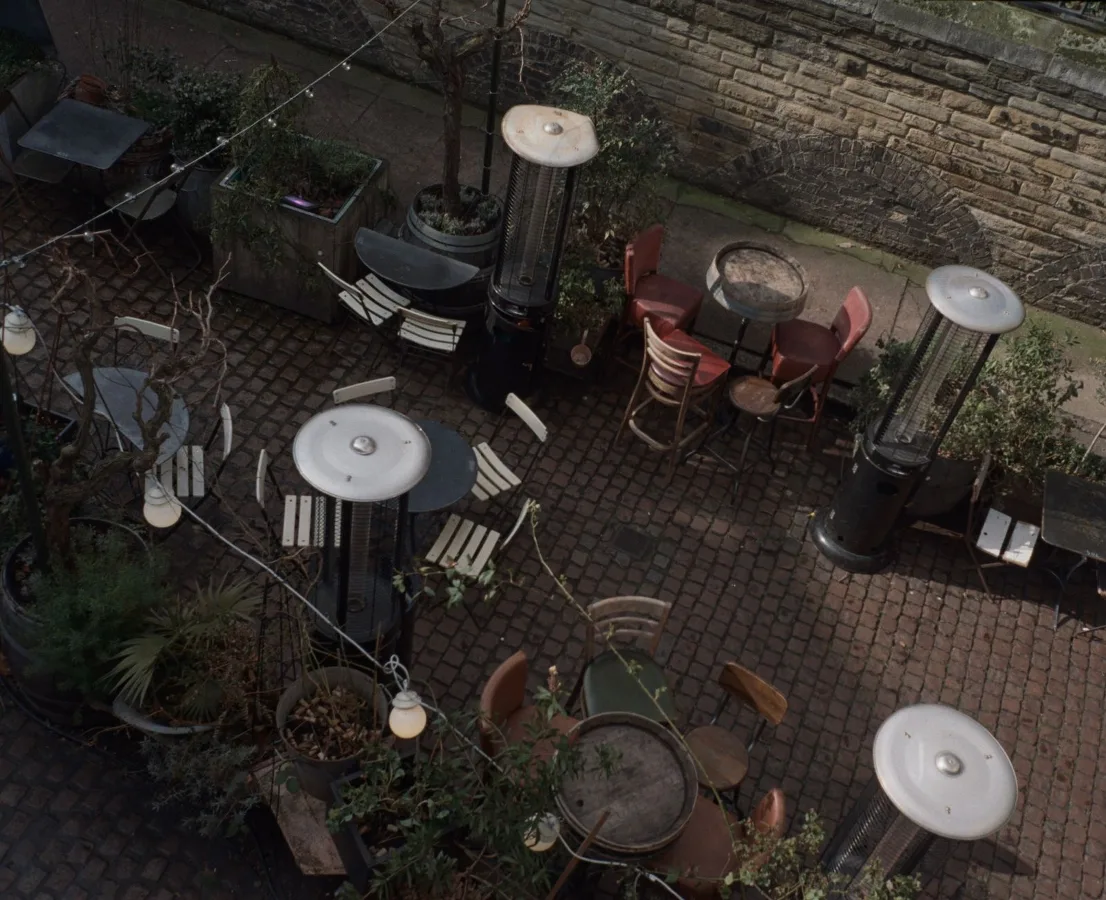
When a natural gas outdoor space heater makes sense
A natural gas outdoor space heater is usually the right choice when you want a more permanent outdoor heating solution and you already have access to a natural gas line. It is especially appealing for patios, restaurant seating areas, covered decks, and other outdoor spaces where moving fuel cylinders around would be inconvenient or impractical. outdoor heating options for patios offers more detail on this point. infrared heater vs space heater offers more detail on this point. Dr Infrared Space Heater Buying Guide offers more detail on this point.
The main advantage is consistency. With a connected gas supply, you avoid the stop-and-start nature of portable fuel tanks and get a setup that can be integrated into the space. That said, this category is not automatically the best fit for every patio. The right answer depends on how the area is used, how much heat is actually needed, whether the heater will be fixed or portable, and what your local installation rules allow.
For many buyers, the decision is less about whether a natural gas model works and more about whether it fits the space operationally. If you need flexible placement, a propane unit or electric heater may be easier. If you want a cleaner-looking, stationary solution with simpler fuel logistics, natural gas is often worth considering.
What to look at first: the space, not the heater
Before comparing models, start with the outdoor area itself. A heater can only perform well if the space supports it. Open-air patios, partially enclosed seating, and covered outdoor rooms all behave differently, even if the same heater is installed.
Layout and exposure
Wind, ceiling height, wall coverage, and how open the area is will all affect comfort. A windy corner may feel colder than the rest of the patio even if the heater is technically powerful enough. Likewise, a covered area may hold warmth better, but you still need to think about clearance and mounting location.
If the space is very open, a single heater may not create the comfortable zone you expect. In that case, it may be better to plan for multiple heat sources, or to concentrate heating on a defined seating area instead of trying to warm the entire patio evenly.
Use case and occupancy
The right heater for a backyard entertaining area is not always the right choice for a commercial patio. Restaurants, hospitality spaces, and event venues usually need a more durable, predictable setup that fits the traffic pattern and seating arrangement. A homeowner may prioritize appearance and convenience, while a business may care more about uptime, serviceability, and how the heater integrates with the layout.
Choose the mounting style before you choose the brand
One of the most overlooked decisions is the mounting style. Buyers often compare burner output first, but the installation format usually determines whether the heater actually fits the space.
Wall-mounted units
Wall-mounted heaters are a common choice for patios with clear perimeter walls. They keep floor space open and can be visually discreet. They also work well where you want heat directed toward a specific seating zone instead of into a walkway.
The trade-off is flexibility. A wall-mounted unit depends on having a suitable surface, proper clearance, and enough structural support. It is not the best option if you frequently rearrange furniture or want to move heat from one side of the patio to another.
Ceiling-mounted units
Ceiling-mounted heaters are often used in covered outdoor areas and commercial spaces. They can be a good fit where floor and wall space is limited. Because they are installed overhead, they can preserve the look and function of the seating area below.
The limitation is obvious: the space must support overhead installation, and clearance matters. This is not a casual add-on. It needs careful planning so the heat is delivered safely and comfortably without creating an awkward or unsafe setup.
Freestanding units
Freestanding natural gas heaters are less common than portable propane models, but they can be useful where the gas connection and layout support them. Their main appeal is flexibility without fuel tanks. Still, they may not be the best solution if you want a clean, fixed installation or if the heater needs to remain out of the way.
Step-by-step criteria for comparing models
Once you know the installation style that fits, compare models using practical criteria rather than marketing language. The most useful questions are about suitability, not just output.
- Confirm fuel access. A natural gas outdoor space heater only makes sense if there is a proper gas supply or a feasible plan to add one. If routing gas is difficult or expensive, another fuel type may be more practical.
- Check installation requirements. Some heaters need professional installation, gas line work, mounting hardware, or electrical connection for ignition. Factor in the real installation path, not just the unit itself.
- Match the heater to the space. Look at how the seating area is used, where people sit, and where cold spots are likely to form. One heater may be enough for a compact area, but not for a broad open patio.
- Review clearance and placement constraints. Outdoor heaters still need safe spacing from walls, ceilings, furniture, awnings, and traffic paths. A model that fits on paper may be awkward in a real layout.
- Consider weather exposure. If the heater will be exposed to humidity, rain, salt air, or seasonal storage cycles, construction quality and maintenance access matter more.
- Think about controls and ignition. Easy-start systems and straightforward controls matter in daily use, especially for commercial operators who need dependable operation without extra steps.
- Plan for service and upkeep. If the unit has difficult access for cleaning or inspection, long-term use becomes more frustrating than the spec sheet suggests.
Benefits that matter in real use
Natural gas outdoor heating is popular for a few practical reasons that go beyond convenience. The first is fuel continuity. If the gas line is available, you do not have to manage tanks or interruptions caused by refills. That is a major advantage for commercial settings where consistency matters.
Another benefit is a more permanent installation. A fixed heater can blend into the design of the outdoor area and reduce clutter. For patios that are used regularly, that can be a better fit than bringing equipment in and out each day.
There is also a planning benefit. Natural gas is easier to build into a long-term outdoor layout, especially if you are designing around seating zones, awnings, or overhead structures. The heater becomes part of the space rather than an accessory you move around.
Trade-offs and limitations to keep in mind
Natural gas outdoor space heaters are not the simplest option, and they are not the most flexible. The biggest limitation is that they depend on fuel infrastructure. If a gas line is not already in place, the installation can become more involved than buyers expect.
There is also less portability than with propane or small electric units. Once installed, the heater is usually intended to stay where it is. That can be an advantage for design and stability, but it is a drawback if your seating layout changes often.
Another practical limitation is that outdoor heating rarely feels uniform. Even a well-placed heater can leave some spots warmer than others because of wind, ceiling height, and open sides. Buyers sometimes expect a single unit to transform an open patio, but comfort depends heavily on the environment around it.
A common misconception is that more heat output automatically solves the problem. In reality, placement, shelter, and airflow often matter as much as the heater itself. A poorly positioned unit can underperform even if it looks powerful on paper.
Safety, code, and installation checks
With gas appliances, safety and compliance are not optional details. Outdoor installation still requires attention to local rules, clearance requirements, and proper fuel connections. If the heater is being installed in a commercial space, additional code or permitting requirements may apply.
Because requirements vary by product and location, the safest approach is to review the manufacturer instructions and confirm the installation plan with a qualified professional when needed. That is especially true for fixed-mounted heaters, overhead installations, and any setup involving new gas line work.
It is also wise to think about everyday use patterns. A heater placed too close to seating, traffic paths, curtains, plants, or overhead coverings can create avoidable problems later. Good placement is not just about comfort. It is also about reducing wear, keeping the area practical, and making the space easier to use safely.
Natural gas versus other outdoor heating options
Natural gas is one of several outdoor heating choices, and the best option depends on what you are solving for.
- Natural gas works well for permanent or semi-permanent setups with existing fuel access.
- Propane is often more flexible and easier to place, but requires cylinder management.
- Electric heating can be cleaner in appearance and easier in some locations, but depends on electrical capacity and the type of outdoor area being served.
If the goal is a fixed, dependable outdoor heating solution for regular use, natural gas often makes sense. If the goal is portability or quick setup without fuel line work, another option may be better. The right choice is usually the one that best matches the site, not the one with the longest feature list.
Common mistakes buyers make
One common mistake is choosing a heater before confirming the installation location. That often leads to a model that cannot be mounted safely or comfortably in the actual space.
Another mistake is underestimating the importance of clearance and airflow. Outdoor heaters still need breathing room, and a tight or awkward placement can reduce comfort and complicate use.
Buyers also sometimes focus only on the heater itself and overlook the rest of the setup: gas access, mounting support, controls, and future service. A good heater becomes a poor choice if maintenance is difficult or if the installation is more involved than expected.
Finally, it is easy to overestimate how much area one heater will cover. Outdoor comfort is local. People feel warmth differently depending on where they sit, how much wind they face, and whether the space is partially enclosed.
Practical checklist before you buy
- Confirm that a natural gas connection is available or realistically installable.
- Decide whether the heater needs to be wall-mounted, ceiling-mounted, or freestanding.
- Measure the intended seating area and identify likely cold spots.
- Check clearance requirements for nearby surfaces, furniture, and coverings.
- Think through whether the space is residential, commercial, or mixed-use.
- Review maintenance access so cleaning and inspection will be manageable.
- Consider whether the area is exposed to wind, moisture, or seasonal storage needs.
- Verify that the installation approach fits local rules and manufacturer instructions.
Examples of where this heater type fits best
A natural gas outdoor space heater is often a strong fit for a covered restaurant patio where the seating arrangement stays fairly consistent and the gas line can be integrated cleanly. It also works well for a residential patio that is used often and designed as a true extension of the home.
It is usually less suitable for a temporary event space, a layout that changes frequently, or a location where running gas would be complicated. In those situations, flexibility may matter more than long-term convenience.
If the space is not yet built out, the smartest move is often to plan the heater alongside the layout, rather than treating it as an afterthought. That gives you a better chance of getting the placement, clearance, and fuel logistics right the first time.
What to expect after installation
Once installed, the best-performing natural gas heater is the one that becomes easy to live with. That means straightforward controls, a sensible mounting position, and enough access for periodic cleaning and inspection. Outdoor heaters tend to collect dust, debris, and weather exposure over time, so long-term usability matters more than a polished first impression.
For ongoing satisfaction, think in terms of comfort zones rather than total square footage. The best result is usually a well-heated seating area that feels usable longer into the season, not a perfectly uniform temperature across the entire patio.
If your outdoor area is central to how you use the property, a natural gas outdoor space heater can be a practical, durable solution. If you need maximum flexibility, or if the installation would be overly complex, another outdoor heating option may be a better fit.