
If you are shopping for pressure washer parts, the first question is usually not which part is best, but which part actually fits your machine and solves the problem you are having. The right replacement depends on the model, the connection type, the pressure washer class, and whether you are replacing a worn component or upgrading an accessory. 4000 psi pressure washer offers more detail on this point. electric vs gas pressure washer differences offers more detail on this point.
For most buyers, the most useful parts to evaluate are the hose, trigger gun, wand, nozzles, O-rings, pump-related seals, couplers, and any detergent or surface-cleaning attachments. Those parts affect compatibility, safety, cleaning performance, and how long the machine stays usable. If you buy the wrong one, the washer may run poorly, leak, or fail to connect at all.
Quick answer: what pressure washer parts matter most?
The parts that matter most are the ones most likely to wear out or affect day-to-day use. For many owners, that means the hose, spray gun, wand, nozzle tips, seals, and fittings. If the machine has a maintenance issue, pump-related parts and valves may also matter, but those replacements are usually more model-specific than accessories.
For a practical purchase, start with three checks:
- Fit: confirm thread type, connector style, and pressure rating compatibility.
- Function: decide whether you need a repair part, a replacement accessory, or an upgrade.
- Use case: match the part to your cleaning tasks, such as siding, patio furniture, vehicles, fences, or driveway cleaning.
That approach helps you avoid buying a universal-looking part that does not truly fit your washer.
Compare the main pressure washer parts before buying
Pressure washer parts are easier to compare when you sort them by role. Some parts are simple wear items. Others directly affect spray quality or machine reliability. The table below gives a practical way to think through the most common replacements.
| Part | What it does | What to compare | Common limitation |
|---|---|---|---|
| Hose | Moves pressurized water from the washer to the wand | Length, connection type, flexibility, pressure rating | Too stiff, too short, or incompatible fittings |
| Trigger gun | Controls water flow at the hand grip | Connector compatibility, comfort, lock design | May not match every wand or hose setup |
| Wand/lance | Extends reach and directs spray | Length, material, connection style | Can feel awkward if too long or too short |
| Nozzles/tips | Shapes spray angle and intensity | Spray pattern, quick-connect style, material | Wrong angle can damage delicate surfaces |
| O-rings and seals | Helps prevent leaks at joints | Size, material, chemical resistance | Easy to overlook until leaks start |
| Couplers and adapters | Joins components with different fittings | Thread type, quick-connect standard | Adapters can create extra leak points |
| Detergent injector | Draws soap into the flow when needed | Machine compatibility, placement, cleaning method | Not all washers support the same injection setup |
| Pump parts | Supports pressure generation inside the machine | Model match, material, seal design | Highly model-specific and often not universal |
The common misconception is that most pressure washer parts are interchangeable. Some accessories are broadly compatible, but pump components, internal seals, and some guns or hoses are often tied closely to the exact machine design.
What to look for in replacement parts
Buying pressure washer parts is mostly a compatibility exercise. The part can look right and still fail to work properly. A careful buyer checks the machine before checking the listing.
1. Connector style and thread type
Connections are one of the most overlooked details. Pressure washers may use quick-connect fittings, threaded fittings, or brand-specific connections. Even a small mismatch can lead to leaks or prevent assembly altogether.
Before ordering, inspect the old part or consult the machine manual for connection details. If you are replacing a hose, wand, gun, or nozzle, compare both ends, not just one.
2. Pressure and flow compatibility
Parts should be suitable for the machine’s operating pressure and water flow. A part that is too light-duty may wear quickly, while an oversized or poorly matched accessory may reduce comfort or cleanup efficiency.
For example, a hose that is too rigid can make the washer harder to move around the yard. A nozzle that is not appropriate for the task can make rinsing inefficient or leave streaks behind.
3. Material and wear resistance
Materials matter more than many shoppers expect. Brass, stainless steel, reinforced rubber, and durable polymers all have different strengths. The right choice depends on whether the part is exposed to repeated flexing, abrasion, pressure cycling, or chemicals from detergents.
For outdoor use, durability is often a better value than the cheapest option, especially for hoses, seals, and fittings that see frequent use. Still, there is a trade-off: tougher materials can be heavier or less flexible.
4. Brand and model specificity
Some pressure washer parts are sold as direct replacements for a particular brand or model. Others are designed as universal accessories. Universal parts can be useful, but they tend to be best for simple items such as some nozzles, fittings, or surface-cleaning attachments.
If you need a part tied to pump function, switches, valves, or an exact gun-hose-wand setup, model-specific replacement is often the safer choice.
5. Ease of installation
Many pressure washer parts are simple enough to swap at home, but not all are equally easy. O-rings, nozzles, and some external connectors are usually straightforward. Pump repairs, internal seals, and valve work can be more involved and may not be worth attempting if the machine is already old or heavily used.
A realistic part buyer thinks about time as well as price. A cheaper component that requires repeated fiddling or extra adapters may cost more in frustration than it saves in money.
Common parts by use case
The best pressure washer parts depend on what you clean most often. Different jobs stress different components, so a part that makes sense for driveway work may be overkill for light patio cleaning.
- For patios and decks: nozzles, spray wands, and surface-cleaner attachments often matter most because they affect coverage and control.
- For siding and fences: hose reach, trigger comfort, and nozzle selection are usually more important than raw pressure.
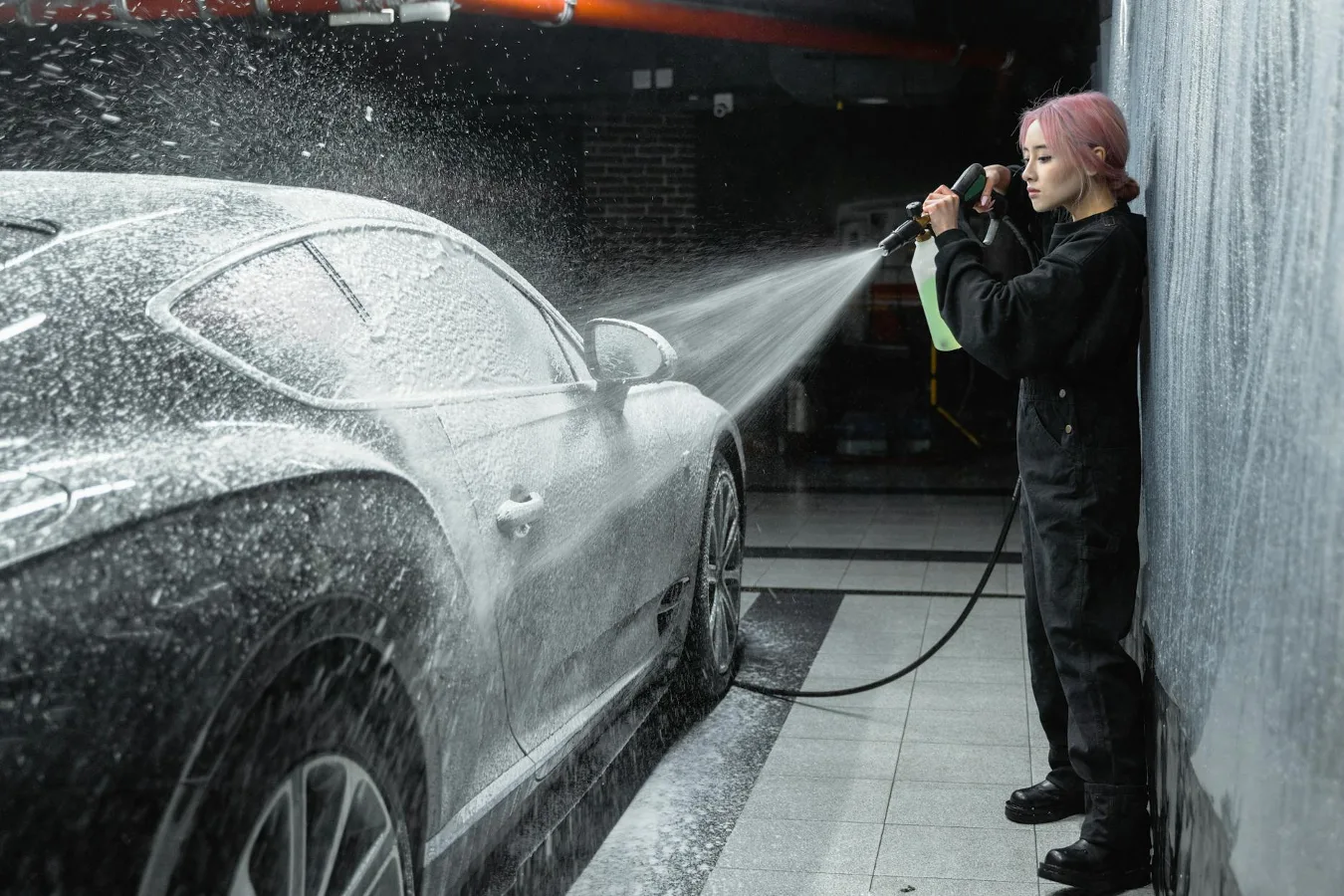
- For vehicles: gentler spray tips, detergent support, and leak-free fittings are worth prioritizing.
- For frequent heavy use: hose durability, pump seals, couplers, and gun quality deserve close attention.
One practical nuance: a better nozzle set can improve cleaning results without forcing you to buy a new machine. Many owners replace the wrong part when the real issue is spray control, not the washer itself.
Mistakes to avoid when buying pressure washer parts
Most problems come from assuming all parts are standard. A little checking upfront usually prevents returns, leaks, and wasted time.
- Buying by appearance alone. Similar-looking fittings can have different thread patterns or connector standards.
- Ignoring the machine manual. The manual often lists compatible hose sizes, nozzle ranges, and accessory limits.
- Replacing only one worn seal. If one O-ring failed, nearby seals may be close behind.
- Choosing an accessory that is too rigid. Stiff hoses and awkward wands make long cleaning sessions harder than they need to be.
- Using the wrong spray tip. A narrow fan or concentrated tip can damage soft wood, vinyl, or painted finishes.
- Adding adapters as a first fix. Extra adapters can solve a mismatch, but they also add leak points and complexity.
A frequent oversight is the trigger gun. Buyers often focus on the hose or nozzle and forget that a worn or uncomfortable gun can affect the entire washing setup. If the gun leaks, sticks, or feels awkward, the machine may be less pleasant to use even if the rest of the system is fine.
When to replace a part versus upgrade the setup
Sometimes replacement is the right move. Sometimes the better decision is to improve the whole cleaning setup. That choice depends on the age of the machine, the cost of the part, and whether the problem is isolated or recurring.
Replace the part when the issue is narrow, such as a cracked hose, a missing nozzle, a damaged O-ring, or a broken coupler.
Consider an upgrade when several parts are worn, the accessory setup feels awkward, or the washer is limited by poor reach, weak control, or inconvenient attachments.
For older machines, it can also make sense to weigh the availability of repair parts against the value of the washer itself. If the exact pump parts or internal components are hard to source, a simple external repair may be more practical than a deeper rebuild.
How to maintain pressure washer parts longer
Good maintenance does not require a complicated routine, but it does require consistency. A few habits can extend the life of the most commonly replaced parts.
- Rinse the hose and wand after use if soap or debris may remain inside.
- Inspect O-rings and seals regularly for flattening, cracking, or leaks.
- Store hoses without sharp bends that can weaken the inner layers.
- Keep nozzles clean so spray patterns stay even.
- Drain or winterize the washer according to the manufacturer’s guidance, especially before cold storage.
- Check fittings before each season so small leaks do not become larger failures.
Storage matters more than many buyers expect. A well-made part can still fail early if it is left under tension, exposed to freezing conditions, or stored with water trapped inside.
Parts vs accessories: a useful distinction
Shoppers often use “parts” and “accessories” interchangeably, but the distinction helps when deciding what to buy. A true replacement part restores function. An accessory improves reach, coverage, or comfort.
Replacement parts include hoses, seals, trigger guns, wands, O-rings, and pump-related components.
Accessories include surface cleaners, foam cannons, extension wands, hose reels, and specialty nozzle sets.
This distinction matters because the buying criteria are different. A replacement part needs strict compatibility. An accessory needs compatibility too, but the goal is often better efficiency or convenience rather than direct repair.
FAQ
Are pressure washer parts universal?
Some are close to universal, especially certain nozzle tips, adapters, and quick-connect accessories. Many others are not. Hoses, guns, wands, and pump parts often depend on the exact brand, model, fitting style, or pressure class.
Which pressure washer parts wear out first?
The most common wear items are often hoses, O-rings, seals, nozzle tips, and trigger guns. How fast they wear depends on use frequency, storage, water quality, and whether the washer is winterized properly.
Can I replace one pressure washer part instead of the whole machine?
Often, yes. If the problem is isolated to a hose, nozzle, seal, or gun, a replacement part may restore normal use. If the machine has widespread wear, a failing pump, or hard-to-find internal parts, replacement may be less practical.
How do I know if a replacement part will fit?
Check the model number, connector type, thread pattern, and any listed pressure or flow limits. If possible, compare the old part side by side with the replacement before installation.
What pressure washer part should I upgrade first?
For many users, the hose, spray gun, or nozzle set offers the biggest day-to-day improvement. Those parts influence reach, control, and cleaning precision more than they are often given credit for.
If you are building a reliable outdoor cleaning setup, pressure washer parts are worth evaluating carefully rather than treating them as generic add-ons. The best choice is the one that fits your machine, matches your task, and reduces future maintenance headaches. pressure washer maintenance basics offers more detail on this point.