
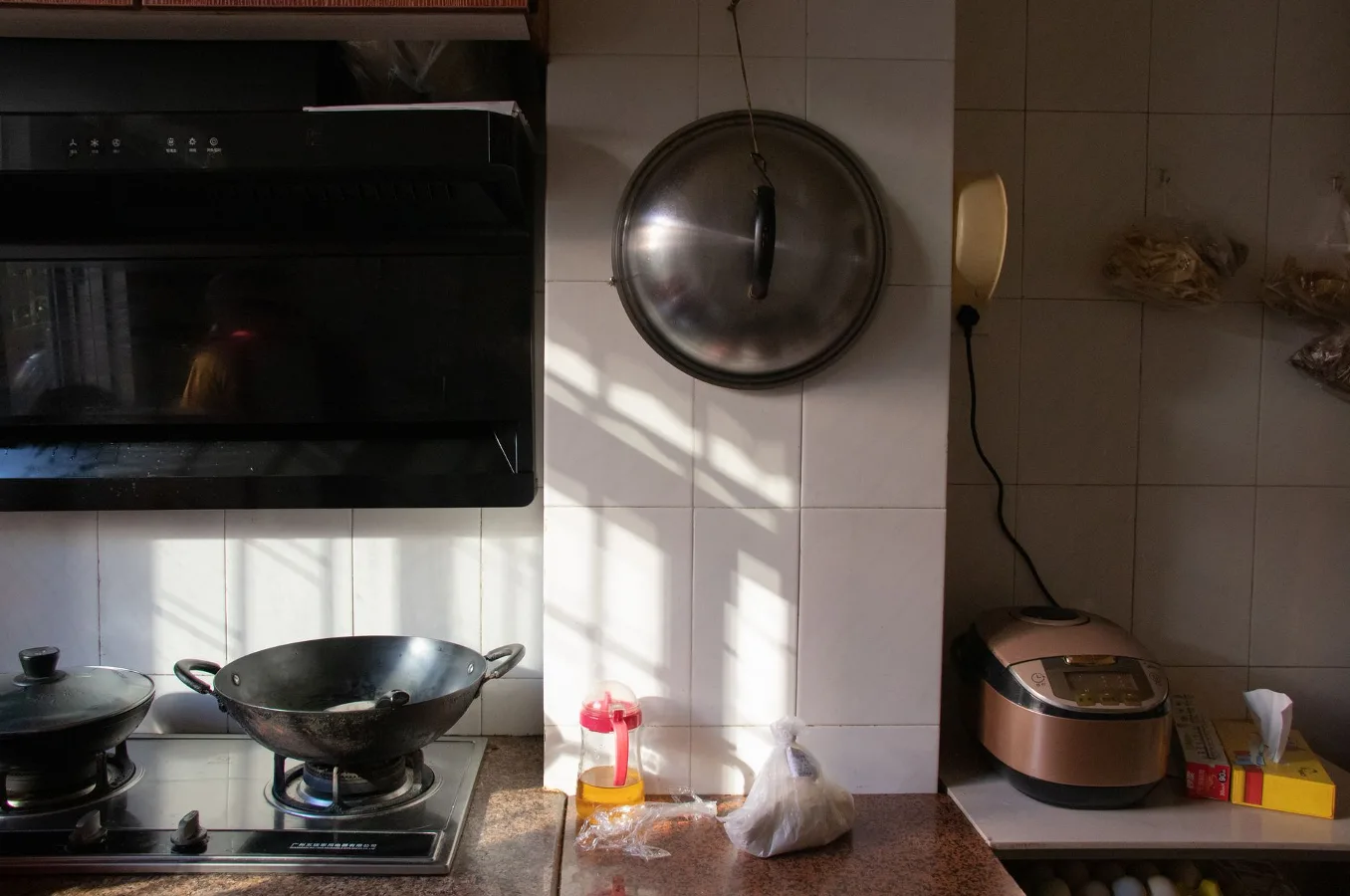
If you want a single countertop appliance that can cook rice and steam vegetables, dumplings, fish, or reheatable leftovers, a rice cooker steamer is usually the right place to start. The best models are not just about rice quality; they are about how well the cooker fits your meals, your kitchen space, and the amount of cleanup you are willing to do. rice cooker and steamer offers more detail on this point.
For most shoppers, the real question is not whether a rice cooker with a steamer function works. It is whether the steaming setup is practical enough to earn counter space and whether the cooker handles your everyday grain routine without becoming fussy.
What matters most before you buy
The strongest rice cooker steamer for one household may be the wrong pick for another. A compact model can be ideal for a person cooking solo or a couple, while a larger unit makes more sense for families, batch cooking, or mixed meals that need rice and vegetables at the same time.
Start with the way you cook. If rice is the main job and steaming is occasional, you will want a reliable rice cooker first and a usable steamer second. If you plan to steam often, look more closely at basket design, steam circulation, and how much room remains in the bowl when the steamer insert is in use.
Capacity is more than a size label
Rice cooker capacity is often presented as a simple number, but that number can be misleading if you do not think about your actual meals. A smaller appliance may be enough for plain rice, yet feel cramped once you add a steamer tray and try to cook a full meal.
Think about:
- How many people you usually cook for
- Whether you make rice only, or rice plus vegetables or proteins
- Whether you batch cook for leftovers
- How much storage space you have for the appliance itself
A common mistake is buying a cooker that matches rare holiday use instead of everyday use. Oversizing can be just as inconvenient as undersizing, especially if you mainly cook small portions and want dependable results with minimal waste.
The steaming setup can make or break convenience
Not every steamer insert works the same way. Some rice cooker steamers use a simple basket that sits above the rice, while others use a tray or rack that gives you more flexibility with portion size and food placement. The design affects how evenly food cooks and how easy it is to remove at the end. rice cooker size guide offers more detail on this point. Commercial Rice Cooker Buying Guide offers more detail on this point.
For practical use, check whether the steamer insert feels sturdy, whether it is easy to lift safely, and whether it leaves enough headroom for food without touching the lid or condensation. If you plan to steam mixed ingredients, a basket with better depth can be more useful than a shallow tray.
Another overlooked detail is whether the steam basket blocks access to the inner pot. Some designs make it awkward to stir, serve, or check progress. That may not matter for occasional use, but it becomes frustrating if steaming becomes part of your weekly routine.
Step-by-step criteria for choosing the right model
If you are comparing models, use a practical order instead of chasing the longest feature list. A rice cooker steamer is easiest to judge when you move from core cooking needs to convenience features.
- Decide your main use. If rice is the priority, focus on cooking consistency and texture options. If steaming is important, examine the insert and available space more closely.
- Match the capacity to real meals. Consider typical servings, not once-a-year gatherings.
- Review the cooking controls. Simple one-touch operation may be enough for basic white rice, but more settings can help if you cook brown rice, mixed grains, or porridge.
- Check cleanup practicality. A removable inner pot, nonstick coating, and dishwasher-safe components can make a large difference in day-to-day use.
- Think about storage and footprint. A machine that works well but takes over the counter may not be the right fit for a smaller kitchen.
This order helps separate useful features from marketing noise. A polished control panel is less important than a cooker that is easy to clean after a busy dinner.
Cooking controls: simple or more adaptable
Basic rice cookers can be perfectly adequate if you mostly make white rice and want a straightforward steam option. More advanced units may offer settings for brown rice, mixed grains, porridge, and keep-warm functions that preserve serving quality for longer periods.
The right choice depends on how much adjustment you want. A simple cooker usually has a shorter learning curve and fewer settings to manage. A more capable one can offer better flexibility, but only if you will actually use those settings.
Do not assume that more modes automatically mean better results. For many buyers, the most valuable feature is repeatability: the cooker should deliver consistent rice and predictable steaming without a lot of guesswork.
Materials and cleanup deserve attention
Cleanup is one of the most overlooked parts of buying a rice cooker steamer. If the inner pot scratches easily, the lid is hard to wipe down, or the steamer insert collects residue in awkward corners, you may stop using the appliance as often as you expected.
Look for practical details such as:
- A removable inner pot for easier washing
- A steamer basket that does not trap food in hard-to-reach seams
- Condensation areas that are simple to wipe clean
- Parts that fit comfortably in your sink or dishwasher, if applicable
Nonstick coatings can help with rice release, but they also deserve careful handling. If durability is a concern, compare the ease of cleaning with how gently you are willing to maintain the pot over time.
Space and storage are real constraints
A rice cooker steamer can be a good answer for small kitchens, but only if its footprint matches your counter and cabinet space. A larger cooker may seem versatile on paper and still become a nuisance if it is difficult to store or too heavy to move often.
Consider where it will live between uses. If the appliance must be pulled out for every meal, an easy-grip design and manageable weight matter more than extra feature lists. If it will stay on the counter, visual bulk and lid clearance become part of the decision.
This is one of the biggest real-world trade-offs: more capacity and more functions usually mean more space required. For apartment kitchens and compact homes, that trade-off can matter more than one extra cooking mode.
Examples of the right fit by cooking style
To narrow your choice, think in terms of use cases rather than brand names or feature overload.
If you mostly cook white rice and steam vegetables
A straightforward cooker with a reliable steaming basket is usually enough. You do not need a complex control system if your meals are repetitive and simple. Prioritize even cooking, easy cleanup, and a steam insert that comfortably holds a side dish portion.
If you cook brown rice or mixed grains often
Look for a model that clearly supports those grains and gives you some control over texture. Brown rice and mixed grains can require different timing and moisture handling than basic white rice, so a one-setting appliance may feel limiting.
If you batch cook for lunches
Capacity and keep-warm behavior matter more here. A cooker that handles several servings without drying out too quickly may be more useful than a compact model with a stronger accessory list. A steaming function can also help you prep vegetables or proteins alongside grains for quicker meal assembly.
If you are short on kitchen space
Choose the smallest appliance that still fits your meals. In small kitchens, a rice cooker steamer should justify its footprint by replacing other tools or reducing total cooking steps. A bulky machine that only saves a few minutes is harder to justify.
Common limitations to keep in mind
A rice cooker steamer is convenient, but it is not a universal replacement for every cooking method. Steam capacity is limited by the insert size and the shape of the bowl, so it may not be ideal for large portions or foods that need plenty of open space.
Some foods also benefit from more control than a rice cooker provides. Delicate fish, larger vegetable batches, or meals that need browning will often do better elsewhere. If you expect the appliance to handle everything, disappointment is likely.
Another common misconception is that every rice cooker with a steamer function performs equally well in both roles. In practice, many units are clearly stronger at one task than the other. A good shopper pays attention to the balance, not just the feature count.
Alternatives worth considering
If you are not sure a rice cooker steamer is the best fit, compare it with a few nearby options.
- Basic rice cooker: better if you rarely steam and mainly want simple rice preparation.
- Multi-cooker: useful if you want broader pressure-cooking or sautéing options, though it may be more complex than needed.
- Bamboo or countertop steamer: a better choice for dedicated steaming, especially if rice is already handled another way.
- Stovetop rice pot with separate steamer: flexible for experienced cooks, but less convenient for set-and-forget use.
The best alternative depends on whether you value simplicity, flexibility, or dedicated steaming performance.
Checklist before you add one to your cart
Use this quick checklist to compare models without getting lost in feature lists:
- Does the capacity match your usual number of servings?
- Is the steamer basket large and deep enough for your common foods?
- Will the appliance fit your counter or storage space?
- Are the parts easy to remove and clean?
- Does the control panel match your comfort level?
- Can it handle the types of rice you actually cook?
- Is the keep-warm function likely to be useful in your routine?
- Does the design feel practical for everyday lifting, serving, and washing?
If a model looks good but fails on cleanup or size, keep looking. Those are the issues that tend to determine whether the appliance gets used regularly.
A practical way to make the final decision
The best rice cooker steamer is the one that fits your meals without adding hassle. For a lot of shoppers, that means a mid-size cooker with a straightforward control panel, a usable steamer insert, and easy cleanup. For others, it means stepping up to a larger or more flexible model because batch cooking or mixed meals are part of the weekly routine.
Focus on how often you will steam, what kinds of rice you cook, and how much space you can spare. If those three answers are clear, the rest of the comparison becomes much easier. The right appliance should feel like a practical kitchen helper, not another gadget that needs managing.