
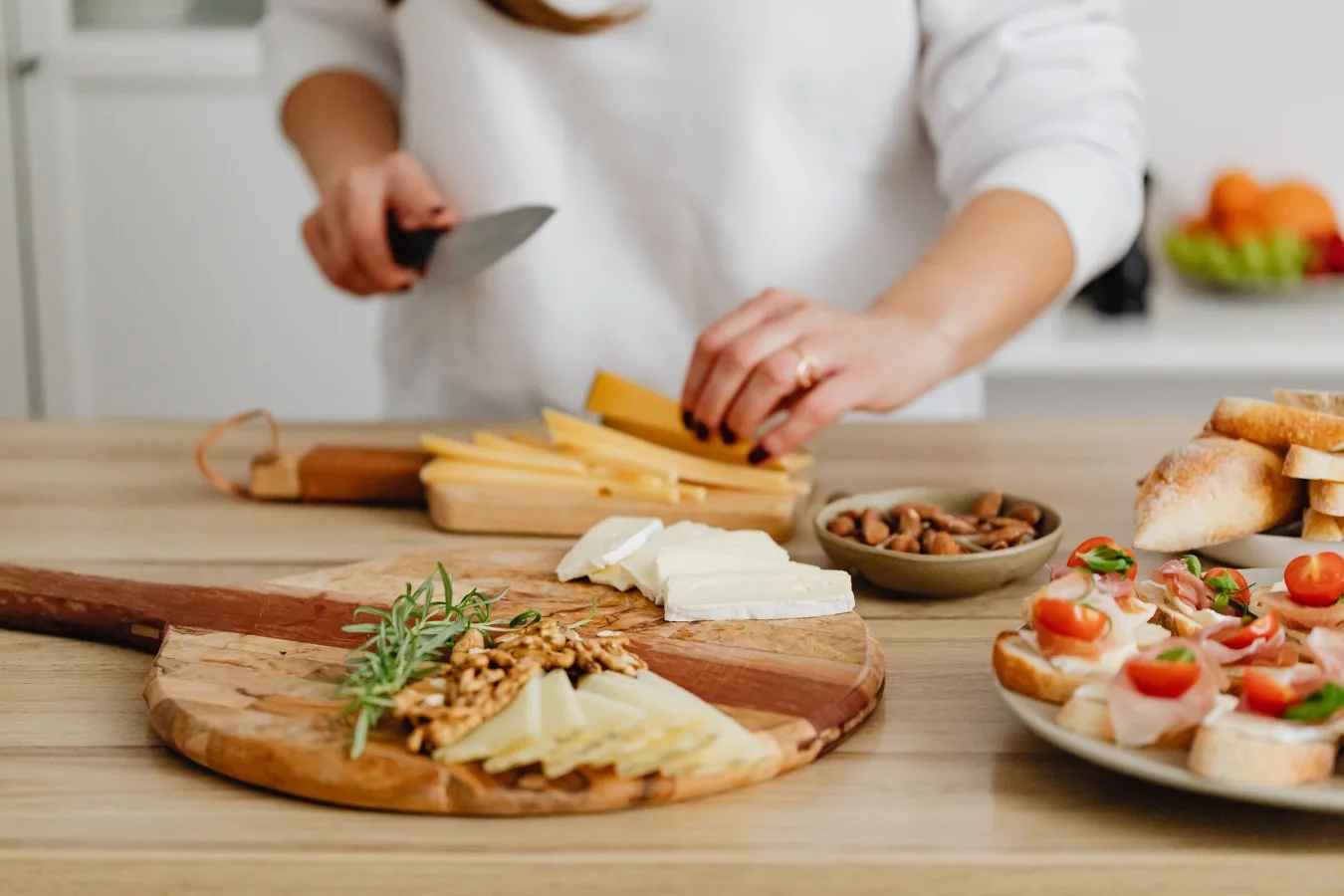
If you want a cutting board that feels substantial, looks refined, and is gentler on knives than many plastic or glass options, a walnut cutting board is a strong choice. Walnut is prized in kitchen tools for its rich color, attractive grain, and practical balance of durability and workability.
The right walnut board depends less on the wood alone and more on how the board is built, how you plan to use it, and how much care you are willing to give it. A good walnut cutting board can serve as a daily prep surface, a presentation piece, or both. A poor one may warp, stain, or frustrate you with maintenance needs.
Why walnut is a popular cutting board material
Walnut sits in a useful middle ground for kitchen boards. It is a hardwood, so it holds up better than softer woods, but it is also typically associated with a smoother, more knife-friendly feel than very hard, dense materials. That balance is one reason many shoppers look for walnut first when they want a premium wooden board without jumping into specialty woods or ultra-heavy butcher blocks.
Another reason is appearance. Walnut’s darker tone can make a board feel more elevated on the counter or table, especially if you want something that works for both prep and serving. For many buyers, that dual-purpose appeal matters just as much as performance.
That said, walnut is not maintenance-free, and it is not the automatic best choice for every kitchen. The best board for you depends on how often you cook, whether you need a lightweight board or a stable one, and whether you prefer a workhorse prep surface or a board that can also serve guests.
Quick answer: what to look for in a walnut cutting board
If you want a walnut cutting board that makes sense for everyday use, focus on four things first:
- Construction: edge grain is usually lighter and more budget-friendly, while end grain can be more forgiving on knives and is often considered more premium.
- Size and thickness: choose a board large enough for your typical prep but not so large that it becomes awkward to store or clean.
- Stability features: look for feet, a reversible design, juice grooves, or other details that fit your cooking style.
- Care requirements: walnut still needs regular drying, occasional oiling, and sensible washing habits to stay in good condition.
For most home cooks, the best walnut cutting board is one that fits the kitchen workflow first and the aesthetic second.
Walnut cutting board types to compare
Not every walnut board behaves the same way. The way it is constructed can change the cutting feel, maintenance level, and price range in a meaningful way.
Edge grain walnut boards
Edge grain boards are made by joining long strips of wood so the edge of the grain faces up. These boards are often a practical choice for home kitchens because they usually cost less than end grain boards and are easier to keep manageable in weight.
They are a good fit if you want a dependable prep board for chopping vegetables, slicing fruit, or handling everyday meal prep. They also tend to be easier to find in a wide range of sizes and shapes.
The trade-off is that they may show knife marks more readily than end grain boards. That does not make them poor quality; it simply means they are built for practical use rather than maximum knife recovery.
End grain walnut boards
End grain boards are built so the ends of the wood fibers face upward. Many cooks prefer this style because the surface can feel more forgiving under a knife. It also gives the board a classic butcher-block look that appeals to buyers looking for a premium centerpiece.
The trade-offs are cost, weight, and care. End grain boards are often more expensive and heavier, and they may require more careful maintenance to keep them in good shape over time. If you want a statement piece that also works hard in the kitchen, this style may be worth considering.
Reversible and juice-groove designs
A reversible board gives you two usable surfaces, which is practical if you want one side for dry prep and the other for bread, herbs, or plated foods. Some walnut boards also include a juice groove to catch liquid from meat, tomatoes, citrus, or roasted foods.
Neither feature is universally necessary. A juice groove is helpful if you often cut juicy ingredients, but it can make one side less useful for general prep. Reversibility is convenient, yet it can be less important if you already keep separate boards for different tasks.
How to choose the right walnut cutting board
The best choice depends on how the board will actually be used. A design that looks ideal on a product page may be awkward in a real kitchen if it is too large, too decorative, or too demanding to maintain.
Size and workspace
Think about your countertop space, sink size, and storage area before you buy. A board that is too small forces you to work around piles of ingredients, while one that is too large may be inconvenient to wash and dry. The best size is the one you can comfortably move, clean, and store without creating friction in your routine.
If you cook frequently, a larger board usually improves workflow because chopped ingredients can stay organized. If you have limited space, a medium board may be the more realistic choice even if a larger one looks more appealing.
Thickness and weight
Thickness affects both stability and portability. A thicker walnut board usually feels more solid and resists slipping better, but it may be heavy enough to discourage everyday use. A thinner board is easier to handle, yet it may not feel as steady for vigorous chopping.
This is one of the most overlooked decision points. Many buyers focus on grain pattern and overlook how often they will need to move the board to the sink, the drying rack, or a storage cabinet.
Knife compatibility
A walnut board should work with your knives, not against them. In general, wooden boards are preferred over very hard surfaces because they are less harsh on blade edges. Still, construction matters. A well-made board with a smooth finish and appropriate grain pattern can feel noticeably better than a poorly finished one.
If you use high-quality chef’s knives, santoku knives, or paring knives regularly, look for a board that is known for a smooth cutting feel rather than an overly slick or overly hard surface.
Maintenance commitment
Walnut is practical, but it is not a set-and-forget material. Like most wooden cutting boards, it benefits from careful washing, complete drying, and periodic conditioning with a suitable food-safe oil or board conditioner. complete guide to maple cutting board offers more detail on this point.
If that routine sounds manageable, walnut can be an excellent long-term choice. If you want something you can toss in a dishwasher, a wooden board is not the right category at all.
Advantages of a walnut cutting board
- Attractive appearance: Walnut has a refined look that works well in modern and traditional kitchens.
- Balanced hardness: It offers a useful mix of durability and knife-friendliness.
- Versatility: Many walnut boards work for both prep and serving.
- Wide style range: Buyers can choose from edge grain, end grain, reversible, and live-edge styles.
- Countertop presence: A walnut board can stay out on display without looking purely utilitarian.
Limitations to keep in mind
Walnut cutting boards are appealing, but they are not ideal for every scenario. The dark color that makes them so attractive can also make scratches, flour residue, or some stains more visible in certain lighting. A premium look may therefore require more attentive upkeep if you want the board to stay presentation-ready.
Wood boards also need protection from excess moisture. Leaving a walnut board wet in a sink, storing it before it dries completely, or exposing one side to repeated uneven moisture can contribute to warping. This is a real-world constraint that matters more than most shoppers expect.
Another limitation is hygiene management across tasks. If you regularly prep raw meat, fish, and ready-to-eat foods on the same board, you should be disciplined about cleaning and separation. A walnut board is not inherently unsafe, but it does require good kitchen habits.
Mistakes to avoid when buying a walnut cutting board
- Choosing by appearance only: A beautiful grain pattern does not guarantee better usability.
- Ignoring storage space: A board that fits the counter may not fit the cabinet or drying area.
- Overlooking construction type: End grain and edge grain perform differently, so compare them based on use.
- Buying too small: Small boards become frustrating for ingredient prep and knife work.
- Expecting dishwasher convenience: Wooden boards require hand washing and proper drying.
- Skipping maintenance: Dry wood can crack or look dull over time if it is never conditioned.
- Using one board for everything without a plan: Separate boards or careful cleaning routines are more practical in busy kitchens.
Walnut versus other common board options
Shoppers often compare walnut with maple, bamboo, acacia, and plastic. Each has strengths, but the right choice depends on priorities rather than a single “best” material.
| Material | Strengths | Trade-offs | Best for |
|---|---|---|---|
| Walnut | Attractive, balanced feel, versatile | Needs care, not dishwasher-safe | Everyday prep and serving |
| Maple | Classic hardwood, clean look | Can be lighter in appearance, still needs maintenance | Traditional prep kitchens |
| Bamboo | Lightweight, often affordable | Can feel harder on knives, construction varies | Budget-conscious buyers |
| Acacia | Decorative grain, broad availability | Quality can vary widely | Style-focused kitchens |
| Plastic | Low maintenance, easy to sanitize | Less attractive, can scar easily | Frequent raw-protein prep |
If you want a board that feels more refined than plastic and less utilitarian than many budget woods, walnut occupies an appealing middle position. If sanitation simplicity is your top priority, a dedicated plastic board may still make more sense for certain tasks.
Care and maintenance basics
A walnut cutting board can last a long time if you treat it correctly. The care routine does not need to be complicated, but consistency matters.
- Wash by hand with mild soap and warm water.
- Dry promptly on both sides if possible so moisture does not sit unevenly.
- Do not soak the board.
- Use a food-safe oil or board conditioner when the surface starts to look dry.
- Store the board in a dry, ventilated place.
One practical nuance: many wood boards fail not because the wood is poor, but because one face is exposed to moisture much more than the other. Even drying and sensible storage are part of the board’s long-term durability.
Who a walnut cutting board is best for
A walnut cutting board is a good fit if you want a prep surface that looks at home on the counter, supports knife work comfortably, and can also serve as a presentation piece when needed. It is especially appealing for cooks who appreciate natural materials and are willing to follow a basic care routine.
It may be less suitable if you want the lowest-maintenance option possible, if your kitchen is very cramped, or if you prefer to reserve one board exclusively for raw proteins and another for produce. In those cases, a mixed-board setup may be more practical than relying on walnut alone.
For many households, the smartest approach is not choosing one perfect board for every task. It is choosing the right board for the right job. Walnut works well as the attractive, reliable centerpiece in that system.
FAQ
Is walnut good for a cutting board?
Yes. Walnut is widely regarded as a strong choice because it offers a good balance of durability, knife-friendliness, and appearance. The best results come from well-made boards with sensible care.
Is end grain or edge grain better for walnut cutting boards?
Neither is universally better. End grain is often preferred for a more forgiving cutting feel, while edge grain is usually lighter and more affordable. The better choice depends on budget, weight preference, and how heavily you use the board.
Do walnut cutting boards need special oil?
They need a food-safe board oil or conditioner rather than household cooking oil. The goal is to help maintain the wood and reduce drying, not to leave a sticky surface behind.
Can a walnut board be used for meat and vegetables?
Yes, but you should clean it properly between tasks and consider using separate boards for raw meat and produce if your kitchen workflow allows it. That is often the more practical choice in busy homes.
Why are some walnut boards so expensive?
Price often reflects construction method, thickness, craftsmanship, and finishing quality rather than walnut alone. End grain construction and heavier butcher-block styles usually cost more because they are more labor-intensive to make.
If you want a walnut cutting board that feels like a long-term kitchen tool rather than a temporary purchase, prioritize construction, size, and care requirements over decorative details alone. That combination usually leads to the most satisfying choice.