
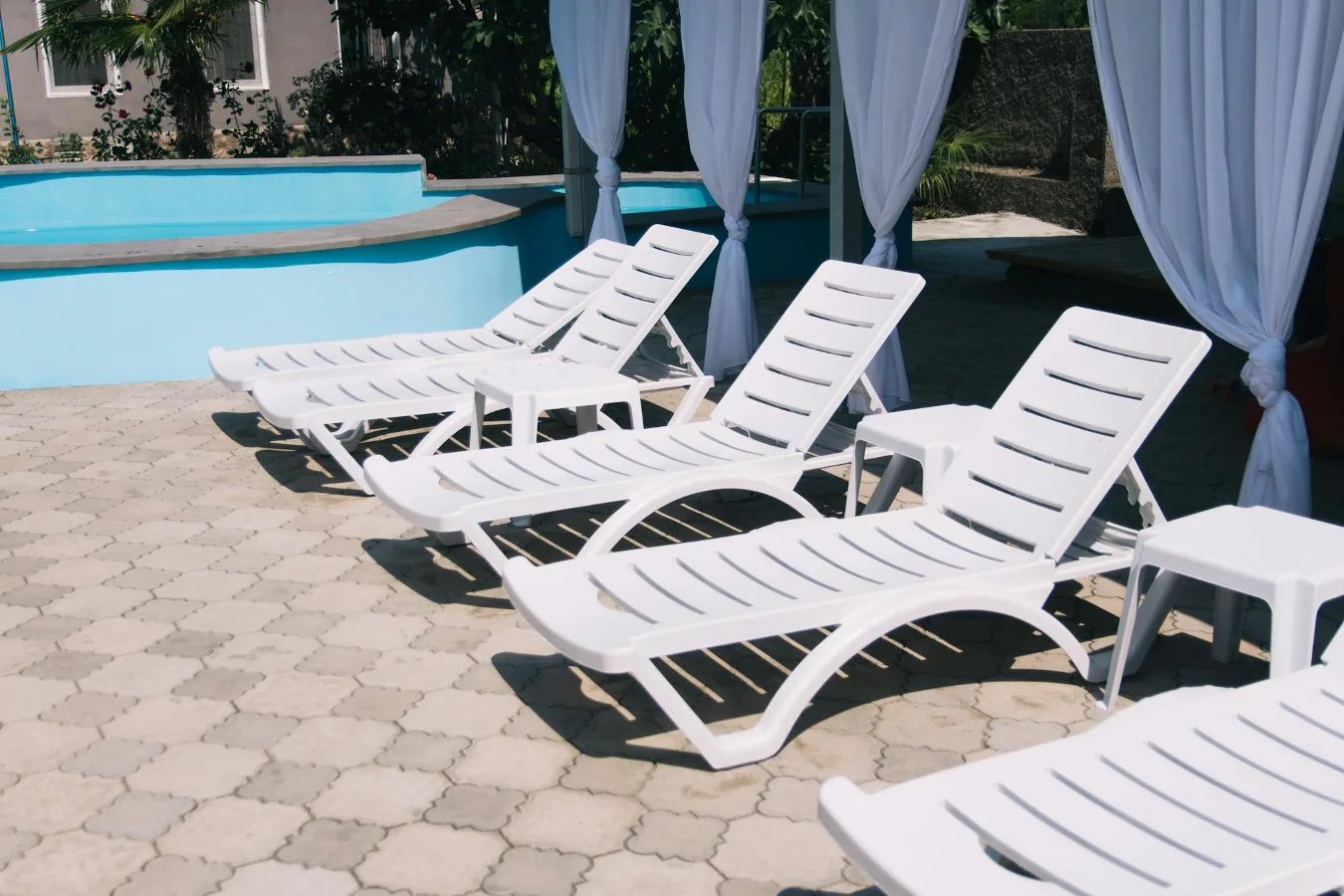
Resin patio furniture is a practical choice for people who want outdoor seating and tables that are generally easier to maintain than many natural-material options. The appeal is simple: it is usually lightweight, easy to clean, and suited to everyday use on patios, decks, porches, and balconies. The catch is that resin is a broad category, so quality can vary a lot. Some pieces are built for better weather resistance and long-term value, while others are better treated as temporary or budget-friendly furnishings.
If you are comparing resin patio furniture for a backyard, covered patio, or apartment balcony, the most useful questions are not just “Does it look good?” but “Will it fit the way I actually use the space?” and “How much care will it need over time?”
Quick answer: what resin patio furniture is best for
Resin patio furniture works well when you want outdoor pieces that are easy to move, simple to wipe down, and less demanding than wood or metal. It is especially appealing for casual seating areas, family spaces, and climates where moisture can make upkeep harder. Many shoppers also like resin because it can be used in styles that resemble wicker, rattan, or smooth molded seating without the same maintenance demands as natural materials. common mistakes when buying patio seating offers more detail on this point.
The best use cases usually include covered patios, screened porches, poolside seating, and everyday garden areas where comfort, convenience, and weather tolerance matter more than a heavy, furniture-store formal look. If your outdoor space gets intense sun, frequent storms, or year-round exposure, quality matters much more than the basic label. Construction, finish, weight, and care requirements can determine whether the furniture feels like a smart buy or a short-lived compromise.
How resin patio furniture compares with other outdoor options
Comparing resin patio furniture with other materials helps set expectations. Resin is not a single material with one performance profile. It is often used as a category for synthetic outdoor furniture, including molded pieces and resin wicker-style designs. That means one set may feel sturdy and substantial, while another feels thin and lightweight.
| Material | Typical strengths | Common trade-offs |
|---|---|---|
| Resin | Easy to clean, often lightweight, versatile styles, moisture-friendly | Quality varies, may fade or become brittle in harsh sun, comfort depends on design |
| Wood | Natural look, solid feel, often attractive in garden settings | Needs more maintenance, can weather, stain, or warp over time |
| Metal | Strong structure, clean lines, often durable | Can get hot in sun, may rust if finish fails, usually heavier |
| Textilene or sling | Breathable, quick-drying, often comfortable in warm climates | Style is more limited, frame quality matters, fabric can loosen over time |
| Natural wicker | Classic appearance, textured look | More sensitive to moisture and weather exposure, typically higher maintenance |
For many buyers, resin sits in a useful middle ground. It can be more forgiving than wood and less maintenance-heavy than natural wicker, but it may not offer the same long-term rigidity or premium feel as heavier materials. That trade-off is not necessarily a drawback if the furniture is meant for relaxed, everyday outdoor use.
What matters most when choosing resin patio furniture
Because resin patio furniture covers so many styles, choosing well means looking beyond the material label. A piece can be made of resin and still be uncomfortable, flimsy, or awkward for your space. The most important decision factors are usually structure, comfort, weather exposure, and intended use.
Construction and frame support
The main question is how the piece is built, not just what the outer surface looks like. Reinforced frames, thick legs, and solid connectors often matter more than decorative styling. A visually appealing chair that flexes too much or feels unstable will not be pleasant to use for long.
If you are looking at resin wicker-style furniture, check whether the weave is tight and consistent. Loose or uneven weaving can affect both appearance and durability. For molded resin seating, inspect the joints, leg shape, and general rigidity. Pieces designed for stacking or frequent movement should still feel stable when in use.
Comfort and ergonomics
Outdoor furniture should support real use, not just look tidy on a product page. Seat depth, back angle, armrest height, and cushion compatibility all influence comfort. Resin chairs without cushions can work well for short sitting periods, but longer lounging often benefits from padded seats or ergonomic shaping.
One overlooked detail is how the furniture feels after exposure to heat. Some synthetic surfaces can become uncomfortable in direct sun. If your patio gets strong afternoon light, shade and cushion fabric become part of the comfort equation, not just the furniture itself.
Weather exposure and placement
Resin patio furniture is often chosen for its outdoor-friendly qualities, but different spaces create different stress levels. A covered porch is a gentler environment than an open deck with full sun and wind exposure. Poolside areas may also introduce more moisture, chlorinated splash, and frequent cleaning.
If your furniture will stay outside year-round, look for designs described as suitable for outdoor use in your climate, then think through the real conditions in your yard. A piece that performs well under a covered pergola may not hold up as well on an uncovered rooftop terrace or a fully exposed backyard patio.
Weight and portability
Many people like resin furniture because it is easier to move than heavier wood or metal pieces. That can be a real advantage if you rearrange seating often, store furniture seasonally, or need to bring pieces in before storms. The trade-off is that very lightweight furniture can shift in wind or feel less grounded during regular use.
This is one area where the best choice depends on your priorities. If flexibility matters, lighter resin furniture is convenient. If your space is windy or open, a more substantial design may be worth the extra effort to move.
Style and visual fit
Resin patio furniture is available in many looks, from clean modern silhouettes to woven styles that echo traditional wicker. Your choice should fit the architecture and mood of the space. A minimal balcony setup may benefit from smooth, compact pieces, while a garden seating area might suit textured resin wicker more naturally.
Keep in mind that the most convincing outdoor spaces usually rely on harmony rather than matching every item exactly. Resin furniture can mix well with planters, outdoor rugs, and cushions, as long as proportions and finishes feel coordinated.
Common mistakes shoppers make with resin patio furniture
Many disappointing purchases happen because buyers focus on the surface appeal and overlook practical details. A few simple mistakes account for a lot of regret later.
- Assuming all resin is the same. Resin furniture ranges from basic molded pieces to more refined woven designs, and build quality can differ significantly.
- Ignoring the environment. Furniture suited to a screened porch may not be ideal for open sun, heavy rain, or salty coastal air.
- Choosing style over comfort. A chair may look attractive but still be too upright, too shallow, or too hard for regular use.
- Overlooking cushion compatibility. Some resin chairs are much more comfortable with properly fitted outdoor cushions, and some are not designed to accommodate them well.
- Forgetting storage needs. Even weather-friendly furniture lasts longer when protected during harsh seasons or prolonged bad weather.
- Buying without checking stability. Lightweight pieces are convenient, but if they wobble or shift too easily, daily use becomes frustrating.
Another common misconception is that low maintenance means no maintenance at all. Resin furniture is usually easier to care for than many alternatives, but dirt, pollen, mildew, and sun exposure can still affect its appearance and lifespan.
Practical maintenance tips that make a difference
Keeping resin patio furniture in better condition does not require complicated routines. Consistent basic care usually matters more than intensive cleaning sessions.
- Wipe the furniture regularly to remove dust, pollen, and spills before they settle.
- Use gentle soap and water for routine cleaning rather than harsh cleaners that may damage the finish.
- Dry the surfaces after washing to reduce water spots and moisture buildup.
- Use cushions and covers that are suitable for outdoor conditions if the furniture will sit in the sun or rain.
- Store or cover pieces during off-season months when possible.
- Check fasteners, joints, and leg stability periodically, especially on folding or stackable pieces.
If your area has high humidity, shade and airflow matter as much as cleaning. Covered storage, patio covers, and protective furniture covers can help reduce the wear caused by constant exposure.
When resin patio furniture is the right choice
Resin patio furniture makes the most sense when you want a balance of convenience, style flexibility, and easy upkeep. It is a strong candidate for families, rental properties, secondary seating areas, and anyone who prefers simple maintenance over the more demanding care of wood or fabric-heavy furniture.
It is also a good fit if your outdoor space changes often. Because many resin pieces are lightweight, they can be easier to rearrange for guests, cleaning, or seasonal use. That flexibility can be more valuable than a heavier, more permanent feel.
On the other hand, if you want a centerpiece set for a fully exposed patio and expect a long lifespan with minimal fading or structural change, you may want to compare resin against better-grade metal, teak, or other durable outdoor materials. The best choice depends on how much wear the furniture will face and how much upkeep you are willing to accept.
Resin patio furniture alternatives worth considering
If resin seems close but not quite right, a few alternatives may suit your priorities better.
- Aluminum furniture can be a good choice if you want a lighter metal option with a modern look and less rust concern than steel.
- Teak or other hardwoods may appeal if you prefer a natural aesthetic and are willing to accept more upkeep.
- Steel or wrought iron offers weight and presence, though finish care and heat buildup can be concerns.
- Textilene sling seating can work well for warm climates where breathability matters.
- Wicker-style synthetic furniture can deliver a similar look to resin while offering different frame and weave characteristics.
These alternatives are not automatically better. They simply solve different problems. The right pick depends on climate, maintenance tolerance, and the role the furniture plays in your space.
FAQ
Is resin patio furniture good for outdoor use?
Yes, resin patio furniture is commonly used outdoors because it is generally easier to clean and manage than many natural materials. Its suitability improves when the furniture is matched to the setting, such as a covered patio, porch, or moderately exposed garden area.
Does resin patio furniture fade in the sun?
Some resin furniture can show fading or surface wear with prolonged sun exposure. The risk depends on the specific construction, finish, and how much direct sun the furniture receives. Shade, covers, and seasonal storage can help reduce visible wear.
What is the difference between resin and resin wicker?
Resin usually refers to synthetic patio furniture made from molded or formed materials, while resin wicker typically describes furniture with a woven look made from synthetic strands. Both are outdoor-friendly categories, but they differ in appearance and construction.
Is resin patio furniture comfortable without cushions?
It can be, depending on the seat shape and design, but many people prefer cushions for longer sitting. Comfort usually improves when the frame has good proportions and the cushions are made for outdoor use.
How do you clean resin patio furniture?
For routine care, use mild soap and water with a soft cloth or sponge. Avoid abrasive tools and overly harsh cleaners unless the manufacturer specifically allows them. Regular cleaning usually does more for appearance and longevity than occasional deep scrubbing.
Resin patio furniture is easiest to appreciate when you view it as a practical solution rather than a one-size-fits-all category. If you compare build quality, comfort, and climate fit instead of focusing only on style, you are more likely to choose pieces that work well for your space over time.